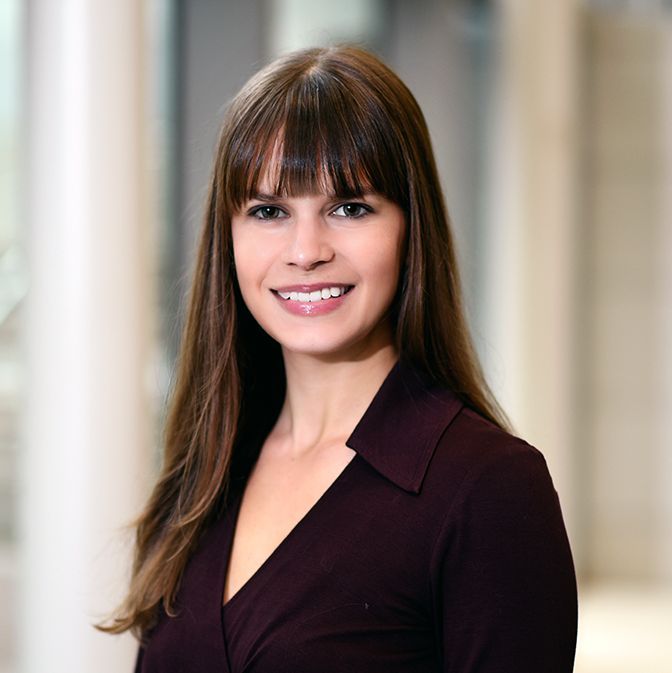
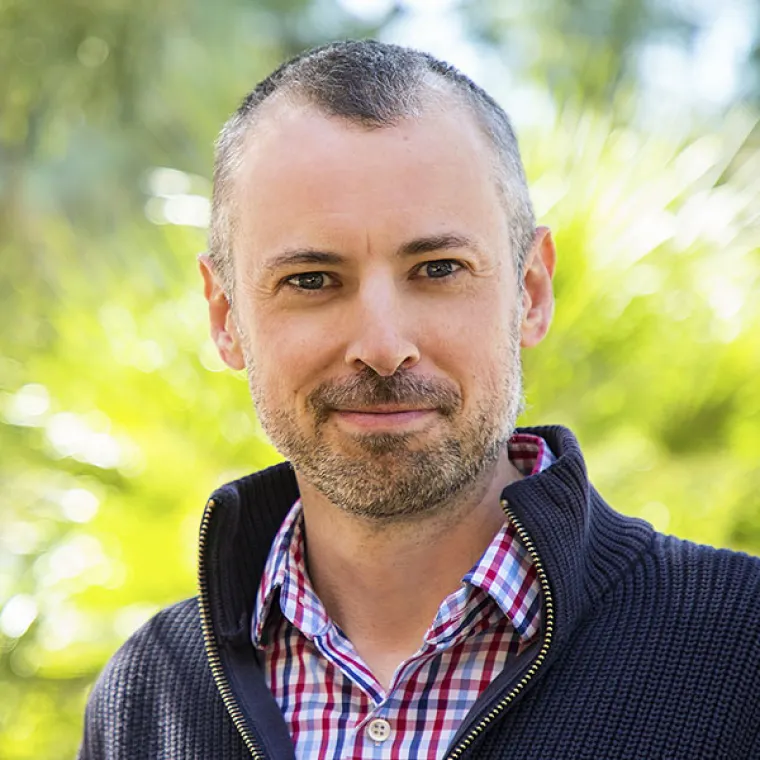
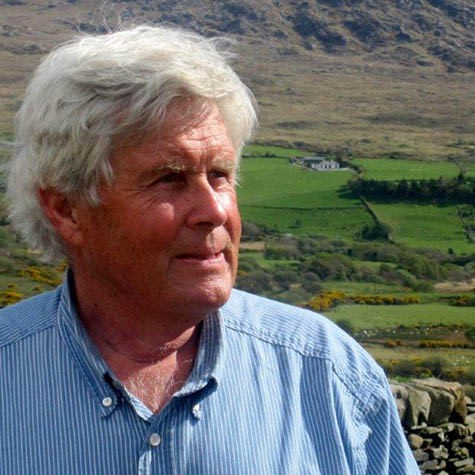
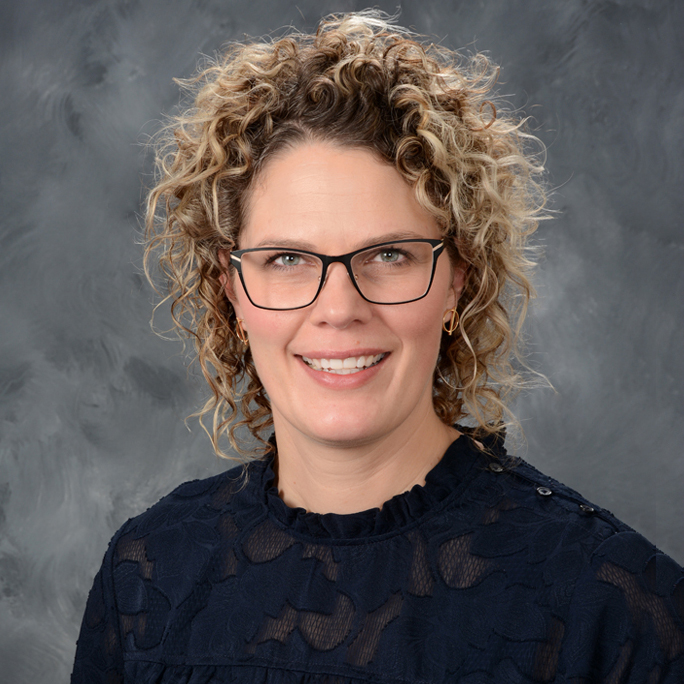
Stephanie Morain, PhD, MPH, is the PhD Program Director and Dracopoulos Rising Professor in Bioethics at the Johns Hopkins Berman Institute of Bioethics, and an Associate Professor in the Department of Health Policy and Management at the Bloomberg School of Public Health. Her research focuses on ethical challenges in integrating research with clinical care (e.g., pragmatic trials) and women’s reproductive health ethics. She holds a BA from Lafayette College, an MPH from Columbia University, and a PhD from Harvard University. Her work explores: Ethical implications of learning health systems Public/stakeholder attitudes toward health policies Collaborative governance models for clinical trials Ethical dimensions of data sharing and genomic research Key projects include redefining ethical oversight for multisite trials, developing guidance for dual-role clinician-researchers, and assessing institutional obligations in pragmatic trials. She has advised on policies for stakeholder engagement, institutional review board reforms, and equitable research participation. Her research program bridges empirical ethics with normative analysis, addressing real-world challenges in health policy, clinical research, and reproductive health advocacy.
Dr. Allyson Menzies is an Assistant Professor in the Department of Biological Sciences at the University of Calgary's Faculty of Science. Her research integrates wildlife ecology with Indigenous knowledge systems, examining predator-prey dynamics, climate change impacts on animal populations, and ethical approaches to conservation biology. Her work emphasizes collaborative research with Indigenous communities, including projects on moose monitoring with the Robinson Huron Treaty community and wildlife camera studies with Magnetawan First Nation. She investigates how factors like wind speed and coat color mismatch influence predator-prey interactions and survival strategies in boreal ecosystems. Current projects explore how animal home range size responds to population density and document wildlife recoveries in Canada. Dr. Menzies advocates for braiding Indigenous rights with endangered species law and developing 'ethical space' in conservation research.
Andrew Coan is the Milton O. Riepe Chair in Constitutional Law and Director of the William H. Rehnquist Center on the Constitutional Structures of Government at the James E. Rogers College of Law, University of Arizona. He previously served as Associate Dean for Research (2020–2024) and held faculty positions at the University of Wisconsin Law School (2008–2014) before joining Arizona. His academic career includes judicial clerkships with Judge Richard Posner and a fellowship at Stanford Law School. Coan’s scholarly focus spans Supreme Court dynamics, federalism, executive power, and constitutional interpretation. His notable works include Rationing the Constitution (Harvard UP, 2019), analyzing judicial capacity’s impact on Supreme Court decision-making, and Prosecuting the President (Oxford UP, 2018), which explores special prosecutors’ role in accountability mechanisms. Both books earned prestigious recognition, including a Silver Gavel Award nomination. His research frequently intersects constitutional history, modern legal challenges, and institutional governance. Recent work addresses AI’s implications for constitutional interpretation, post- Dobbs reproductive rights, and the nondelegation doctrine. Coan actively engages public discourse through media contributions to outlets like The Atlantic and Wall Street Journal . Award-winning faculty member, Coan has received Arizona Law’s Distinguished Legal Scholar (2024) and the Bell Faculty Service Award. His teaching expertise includes Constitutional Law, Federal Courts, and related advanced seminars.
David Cabot is an Adjunct Professor at the School of Biological, Earth and Environmental Sciences, University College Cork (UCC). He holds extensive expertise in ornithology, focusing on population dynamics of Barnacle Geese, Cormorants, and Fulmars. His career spans roles as a researcher, consultant, and advisor to governmental and environmental bodies, including advising two Taoisigh and Eastern European Ministries of Environment. Cabot's research integrates field studies, satellite tracking, and ecological modeling, collaborating with institutions like the University of Aberdeen and the Wildfowl and Wetlands Trust. His work emphasizes avian migration patterns, conservation strategies, and the impacts of environmental changes on seabird populations. He has authored influential books, including the New Naturalist Series volumes on the Burren and Ireland's natural history. Current projects include seabird vulnerability assessments and long-term monitoring programs on Little Saltee Island. Education: B.A. and M.A., Trinity College Dublin (1959-1963) Ph.D., National University of Ireland Galway (1963-1967) Research Interests: Avian migration patterns and phenology Seabird population dynamics and conservation Impacts of climate change on wildlife Ecological modeling of bird behavior His publications span over five decades, addressing topics like fulmar survival trends, cormorant breeding status, and the green wave hypothesis in avian herbivore migration. Collaborations with international teams highlight his global influence in ornithology. Grants & Projects: Leading the ADAPT Avian Diversity and Afforestation Planning Tool Contributing to EIRwind and MarPAMM seabird vulnerability studies Labs/Teams: UCC Ornithology Research Group National Institute for Physical Planning (historical)
Sarah Fortune is an Assistant Professor in the Department of Oceanography at Dalhousie University, holding the Canadian Wildlife Federation Chair in Large Whale Conservation. She leads the Fortune Whale Lab, focusing on interdisciplinary research at the intersection of biological and physical oceanography, ecology, and physiology to address conservation challenges for large whales. Her work emphasizes understanding how environmental variability impacts whale behavior, prey availability, and ecosystem health, particularly in Arctic and temperate regions. Education: BAH from Queen’s University, MSc and PhD from the University of British Columbia, with additional research at the Woods Hole Oceanographic Institution. Her research explores whale movement ecology, foraging strategies, and responses to climate change, often collaborating with Indigenous communities, government agencies, and industry partners. She has conducted fieldwork in the Canadian Arctic, Cumberland Sound, and the Gulf of St. Lawrence. Research Interests: Marine mammal conservation, zooplankton ecology, Arctic ecosystem changes, whale behavior and energetics, and the impacts of human activities on marine life. Her lab employs advanced technologies like multi-scale tags and satellite telemetry to study whale behavior and habitat use. Awards: Recipient of multiple prestigious fellowships including the W. Garfield Weston Postdoctoral Fellowship and the Emily Gallagher Memorial Award. Her work has been recognized for bridging ecological theory with applied conservation outcomes. Advising & Grants: While no specific student names are listed, her lab supports graduate research on whale ecology. Funding sources include the W. Garfield Weston Foundation and NSERC grants. She contributes to conservation initiatives like the COSEWIC Status Report on North Atlantic right whales. Labs/Teams: Director of the Fortune Whale Lab, collaborating with universities, government bodies, and Indigenous groups to advance whale conservation through empirical and model-based research. Current projects include assessing vessel-whale interactions in Arctic shipping lanes and quantifying prey thresholds for bowhead whales.
Herbert (Bart) Lardner is a Professor and the Ministry of Agriculture Strategic Research Program Chair in Cow-Calf and Forage Systems at the University of Saskatchewan's College of Agriculture and Bioresources. He is affiliated with the Department of Animal and Poultry Science. His research focuses on beef cattle nutrition, forage management, and sustainable livestock systems. He holds a Ph.D., M.Sc., and B.S.A. from the University of Saskatchewan. Education: Ph.D., University of Saskatchewan M.Sc., University of Saskatchewan B.S.A., University of Saskatchewan Research Interests: Dr. Lardner’s work addresses cost-effective heifer development, maternal nutrition’s impact on fetal programming, alternative calving systems, and genomic technology application in beef production. He also investigates nutrient cycling in winter feeding systems and water quality for livestock. His research integrates economic analysis to optimize beef cattle management practices in Western Canada. Grants & Advising: While specific grants are not detailed here, his publications reflect extensive collaboration with industry and government partners. He advises on beef production systems and has co-authored studies on heifer development, calving season economics, and forage utilization. Labs/Teams: His research is conducted through the University of Saskatchewan’s Department of Animal and Poultry Science, collaborating with agricultural stakeholders to bridge research and practical applications.
Kathy Larson is a Researcher in the Department of Agricultural and Resource Economics at the University of Saskatchewan's College of Agriculture and Bioresources. She holds a dual M.Sc. and B.Sc. in Agricultural Economics from the same institution. Her research focuses on cost analysis of cow-calf production systems, financial assessment of agricultural technologies, and factors influencing technology adoption in rural agribusinesses. She serves as the provincial liaison for the Canadian Cost of Production Network. Education: M.Sc. (Agricultural Economics), University of Saskatchewan B.Sc. (Agricultural Economics), University of Saskatchewan Her work emphasizes practical applications of economic analysis to improve profitability and sustainability in beef production systems. Recent research trends include evaluating nitrogen management practices in forage systems and optimizing pasture productivity through legume integration. Received the 2020 Professor of the Year award from the AgBio Students Association Larson teaches courses like ASKI 104: Intro to Management Issues and AREC 320/222: Intro to Farm Business Management, demonstrating her commitment to bridging academic theory with real-world agricultural management practices.
Muthu Bagavathiannan is a Professor in the Department of Soil and Crop Sciences at Texas A&M University, affiliated with the College of Agriculture & Life Sciences and Texas A&M AgriLife Research. His expertise lies in Weed Science and Agronomy, focusing on herbicide resistance evolution and integrated pest management (IPM). He holds a Ph.D. from the University of Manitoba, Canada (2009). His research integrates simulation modeling, digital tools, and interdisciplinary approaches to address herbicide resistance threats in broad-acre systems. Research interests include weed ecology, biological nitrification inhibition, robotic precision agriculture, and cover crop systems. Collaborations span global research groups, emphasizing problem-centric solutions over disciplinary boundaries. He teaches courses like SCSC 651 (Weed Biology and Ecology) and SCSC 689 (Plant Systematics in Agronomy). Key research trends in his articles involve UAV-based herbicide application, machine learning for weed recognition, cereal rye cover crop dynamics, and robotic weed control systems. His work bridges field ecology with technological innovation for sustainable agriculture. Bagavathiannan supervises a multidisciplinary team of graduate students and support staff, advancing projects on weed seed control, crop-weed competition, and precision agriculture. He actively contributes to AgriLife Extension Service initiatives, promoting adoption of integrated weed management practices. His lab explores cutting-edge tools like robotic flaming systems, multispectral sensors, and genetic resources for herbicide-resistant crops. Ongoing work includes evaluating biological nitrification inhibition potential in crops like johnsongrass and oats, with implications for climate-smart agriculture.
Prof. Leo Marcelis is a Professor and Chairholder of the Horticulture and Product Physiology Group at Wageningen University & Research, specializing in plant physiology and sustainable crop production systems. He leads major research initiatives such as the SKY HIGH vertical farming program and the 'LED it be 50%' energy-saving project. His work focuses on optimizing plant responses to light, environmental conditions, and resource use efficiency in controlled environments, including greenhouses and vertical farms. Marcelis holds editorial roles for Frontiers in Plant Science and advises institutions like the Leibniz Institute. His research bridges fundamental plant biology with applied horticultural practices, addressing global challenges in food security and sustainable agriculture. Education : Expertise in horticulture and plant physiology, with a focus on crop modeling and environmental control. Research Interests : Vertical farming scalability, LED lighting optimization, closed-system agriculture, and energy-efficient crop production. Projects : SKY HIGH (vertical farming innovation), LED it be 50% (energy reduction), and TIME SCALE (space agriculture). International Roles : Vice Chair of the Leibniz Institute’s Science Advisory Board and Dutch representative in the ISHS Council. Marcelis collaborates extensively with industry partners, including Philips, Unilever, and agricultural technology firms, translating research into practical solutions for growers and policymakers.
Samia H. Lopa is a Research Assistant Professor in the Department of Biostatistics and Computational Biology at the University of Rochester. She holds a PhD from the University of Pittsburgh (2014). Her research focuses on clinical trial design, longitudinal data analysis, and survival analysis, with collaborative work in oncology (breast, colorectal, urological cancers) and reproductive health. She has contributed to studies on maternal morbidity, endometrial cancer risk factors, and postoperative outcomes in gynecological surgeries. Dr. Lopa has published extensively on topics ranging from ovarian reserve biology in animal models to healthcare utilization patterns in end-of-life bladder cancer care. Education: PhD in Biostatistics, University of Pittsburgh (2014). Research interests emphasize methodological advancements in statistical approaches for clinical studies, particularly in oncology and reproductive health. Her work bridges statistical rigor with translational applications, including latent class analysis for maternal morbidity clusters and biomarker identification for diseases such as lymphangioleiomyomatosis. Her publications reflect a focus on high-impact areas like electronic health record integration for sleep quality metrics and disparities in endometrial cancer risk among Singaporean populations. Though no formal awards are listed, her prolific publication record highlights her contributions to collaborative interdisciplinary research. Dr. Lopa advises no listed students but collaborates extensively with clinicians and researchers across disciplines. She is affiliated with the University of Rochester Medical Center, contributing to its mission in translational biostatistics and computational biology research.
Shankar C. Venkataramani is a Professor in the Department of Mathematics at the University of Arizona and a member of the Graduate Faculty in the Applied Mathematics Graduate Interdisciplinary Program (GIDP). His work bridges mathematical modeling and plant reproductive biology, with a focus on molecular mechanisms in pollen development and fertilization. His research interests span Plant Reproductive Biology , Molecular and Cellular Development , Pollen Tube Guidance , Thermotolerance , and Computational Biology . He investigates how pollen tubes navigate pistils, respond to heat stress, and interact with female tissues, leveraging molecular genetics, omics, and bioinformatics. His lab studies key genes like LORELEI , POP2 , and FERONIA , and explores signaling pathways involving GABA and GPI-anchored proteins. The recent publications (2020–2025) reveal a strong trend toward understanding reproductive resilience under climate stress, using advanced phenotyping tools, transcriptomics, and evolutionary analysis. Themes include heat tolerance in tomato pollen , LORELEI gene family evolution , epigenetic control of germline development , and computational modeling of tip growth . These works integrate experimental biology with quantitative approaches, reflecting his dual expertise. No scientific awards were mentioned in the provided text. While no explicit mention of student advising or grants is provided, the depth and continuity of research suggest active mentorship and funding. His lab likely employs microsystems, computer vision, and genetic tools to study plant reproduction. Collaborative and interdisciplinary projects, such as high-throughput pollen phenotyping, indicate team-based research efforts aimed at understanding and enhancing plant fertility under environmental stress.
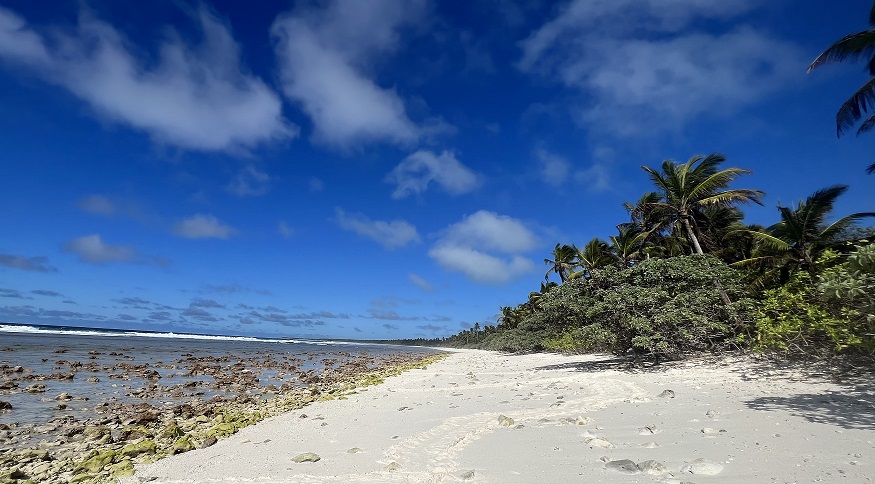
Dr Holly Stokes is an early-career marine biologist at Swansea University's School of Biosciences, Geography and Physics within the Faculty of Science and Engineering. As a Research Officer in the Marine Conservation & Ecology Laboratory, she specializes in sea turtle behavior, ecology, and conservation. Her work combines field research with advanced technologies like satellite tagging and drone surveys to understand marine ecosystems and assess environmental change impacts. Position: Research Officer (Marine Conservation & Ecology Lab) Department: Biosciences University: Swansea University Contact: holly.stokes@swansea.ac.uk Dr Stokes holds a BSc in Marine Biology, an MSc in Environmental Biology, and a PhD studying sea turtle ecology in the Chagos Archipelago, Indian Ocean. Her doctoral research focused on the ecological role of sea turtles in marine environments, establishing the foundation for her current work on conservation strategies and environmental monitoring. Dr Stokes' research centers on marine ecosystems with particular emphasis on sea turtle behavior, ecology, and conservation. Her work investigates nesting patterns, predation dynamics, and the influence of environmental factors on sea turtle populations. She employs innovative methodologies including satellite tagging, drone surveys, and camera traps to collect comprehensive data on sea turtle populations in the Indian Ocean, particularly focusing on green sea turtles and hawksbill turtles. Her research spans tropical marine ecology, conservation strategies, and marine protected areas. Analysis of Dr Stokes' publication record reveals a strong focus on sea turtle ecology, with particular attention to nesting behavior, population dynamics, and conservation methods. Her research spans multiple disciplines including marine biology, conservation science, thermal ecology, and wildlife monitoring technology. A notable trend is her increasing use of advanced technologies like UAVs and satellite tracking to address complex ecological questions related to sea turtle conservation in the face of climate change. Collaborates extensively with Natural Resources Wales on marine monitoring projects Conducts consultancy work in the Red Sea Assists with teaching Marine Biology to undergraduate students Research focuses on Indian Ocean sea turtle populations Dr Stokes works within the Marine Conservation & Ecology Laboratory at Swansea University, where she contributes to both research and teaching activities. Her laboratory work focuses on sea turtle conservation, utilizing advanced monitoring technologies to gather data on population dynamics and ecological interactions. The lab serves as a hub for marine conservation research with applications to real-world conservation challenges, particularly in the context of climate change impacts on vulnerable marine species.
Narelle Hadlow is a Clinical Associate Professor in the Department of Internal Medicine at the UWA Medical School, The University of Western Australia. Her research focuses on endocrinology, chronic disease management, and hormonal disorders. Notable areas include cortisol regulation, thyroid function testing, and hormonal biomarkers in reproductive health. She has contributed to studies on healthcare cost analysis for chronic kidney disease and geographic influences on endocrine physiology. Her work aligns with UN Sustainable Development Goals related to health and well-being. Research interests include hormonal pathways, healthcare economics, and clinical diagnostic protocols. Recent publications (2017–2024) highlight her expertise in endocrine physiology, diagnostic accuracy, and public health applications. She has not been mentioned in the provided text as having awards, grants, or formal advisees.
Dr Davina Hill is a Lecturer in Welfare Physiology at the University of Glasgow’s School of Biodiversity, One Health & Veterinary Medicine (SBOHVM), a role she has held since November 2019. Her primary affiliation is with the Physiology Ageing & Welfare department. Previously, she served as Senior Lecturer in Zoology at the University of Cumbria (2016–19), Quantitative Animal Scientist at Scotland’s Rural College (2012–16), and held a National Research Foundation Freestanding Fellowship at the University of the Witwatersrand (2010–12). Her research focuses on how animals respond to environmental change, particularly in agricultural contexts. Key areas include dairy cow welfare and productivity under climate stress, thermal biology, and life history strategies in species like bats, dormice, and hedgehogs. She holds a Visiting Researcher position at the University of the Witwatersrand to study rodent sociality and energetics. Dr Hill mentors postgraduate students and leads the British Society of Animal Science’s annual R and Statistics Workshop (since 2013). She has supervised over 40 students, including PhD candidates and postdoctoral researchers, and teaches courses in animal welfare science, veterinary physiology, and research methods. Professional roles include editorial board membership for the Journal of Thermal Biology and grant reviewing for BBSRC and the National Research Foundation. Her awards include Fellowship of Advance HE and Certified Animal Scientist accreditation. Current research projects investigate biomarkers for Johne’s disease in cattle and the impacts of climate change on hibernating mammals.
Dr. Shalini Mitra is a Lecturer in Economics at the University of Liverpool. She holds a PhD in Economics from the University of Connecticut and specializes in Macroeconomics with a focus on financial constraints, business cycle dynamics, and the informal sector. Her research also examines the role of intangible capital in economic fluctuations. Education: PhD in Economics, University of Connecticut Research Interests: Dr. Mitra's work explores: - The impact of financial constraints on economic stability - Drivers and consequences of informal sector participation - Business cycle implications of intangible capital (e.g., R&D, intellectual property) - Tax policy and formal sector enforcement mechanisms - Labor market dynamics in volatile economies Teaching Responsibilities: Module Coordinator for Macroeconomic Theory, International Economic Relations, and Development of Economic Thought Teaches Principles of Macroeconomics and Current Topics in Economics Professional Activities: Member of European Economic Association (2015–present) Member of American Economic Association (2012–present) Director of Studies for BSc Economics programs