معرفی
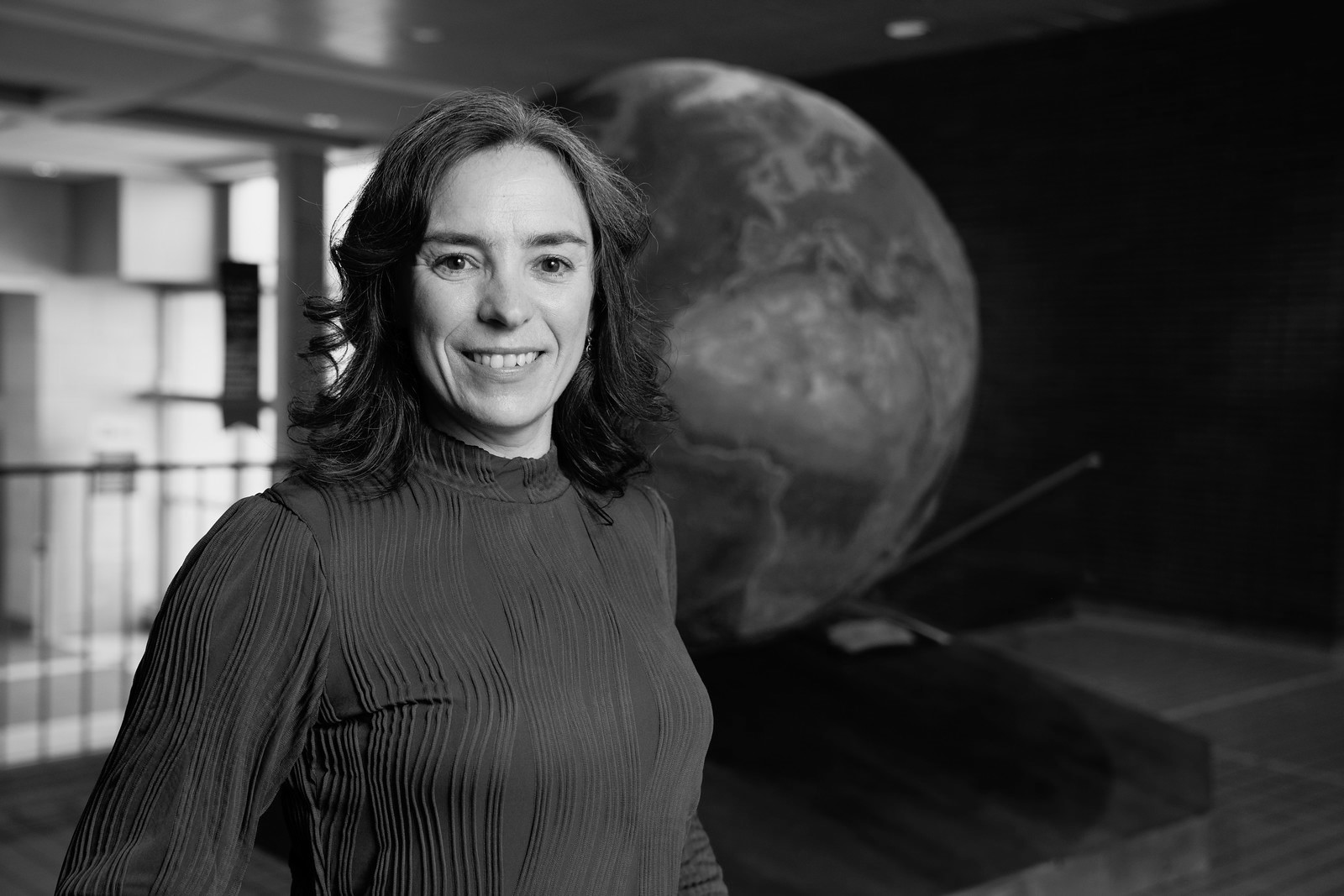
Sarah Fortune is an Assistant Professor in the Department of Oceanography at Dalhousie University, holding the Canadian Wildlife Federation Chair in Large Whale Conservation. She leads the Fortune Whale Lab, focusing on interdisciplinary research at the intersection of biological and physical oceanography, ecology, and physiology to address conservation challenges for large whales. Her work emphasizes understanding how environmental variability impacts whale behavior, prey availability, and ecosystem health, particularly in Arctic and temperate regions.
Education: BAH from Queen’s University, MSc and PhD from the University of British Columbia, with additional research at the Woods Hole Oceanographic Institution. Her research explores whale movement ecology, foraging strategies, and responses to climate change, often collaborating with Indigenous communities, government agencies, and industry partners. She has conducted fieldwork in the Canadian Arctic, Cumberland Sound, and the Gulf of St. Lawrence.
Research Interests: Marine mammal conservation, zooplankton ecology, Arctic ecosystem changes, whale behavior and energetics, and the impacts of human activities on marine life. Her lab employs advanced technologies like multi-scale tags and satellite telemetry to study whale behavior and habitat use.
Awards: Recipient of multiple prestigious fellowships including the W. Garfield Weston Postdoctoral Fellowship and the Emily Gallagher Memorial Award. Her work has been recognized for bridging ecological theory with applied conservation outcomes.
Advising & Grants: While no specific student names are listed, her lab supports graduate research on whale ecology. Funding sources include the W. Garfield Weston Foundation and NSERC grants. She contributes to conservation initiatives like the COSEWIC Status Report on North Atlantic right whales.
Labs/Teams: Director of the Fortune Whale Lab, collaborating with universities, government bodies, and Indigenous groups to advance whale conservation through empirical and model-based research. Current projects include assessing vessel-whale interactions in Arctic shipping lanes and quantifying prey thresholds for bowhead whales.