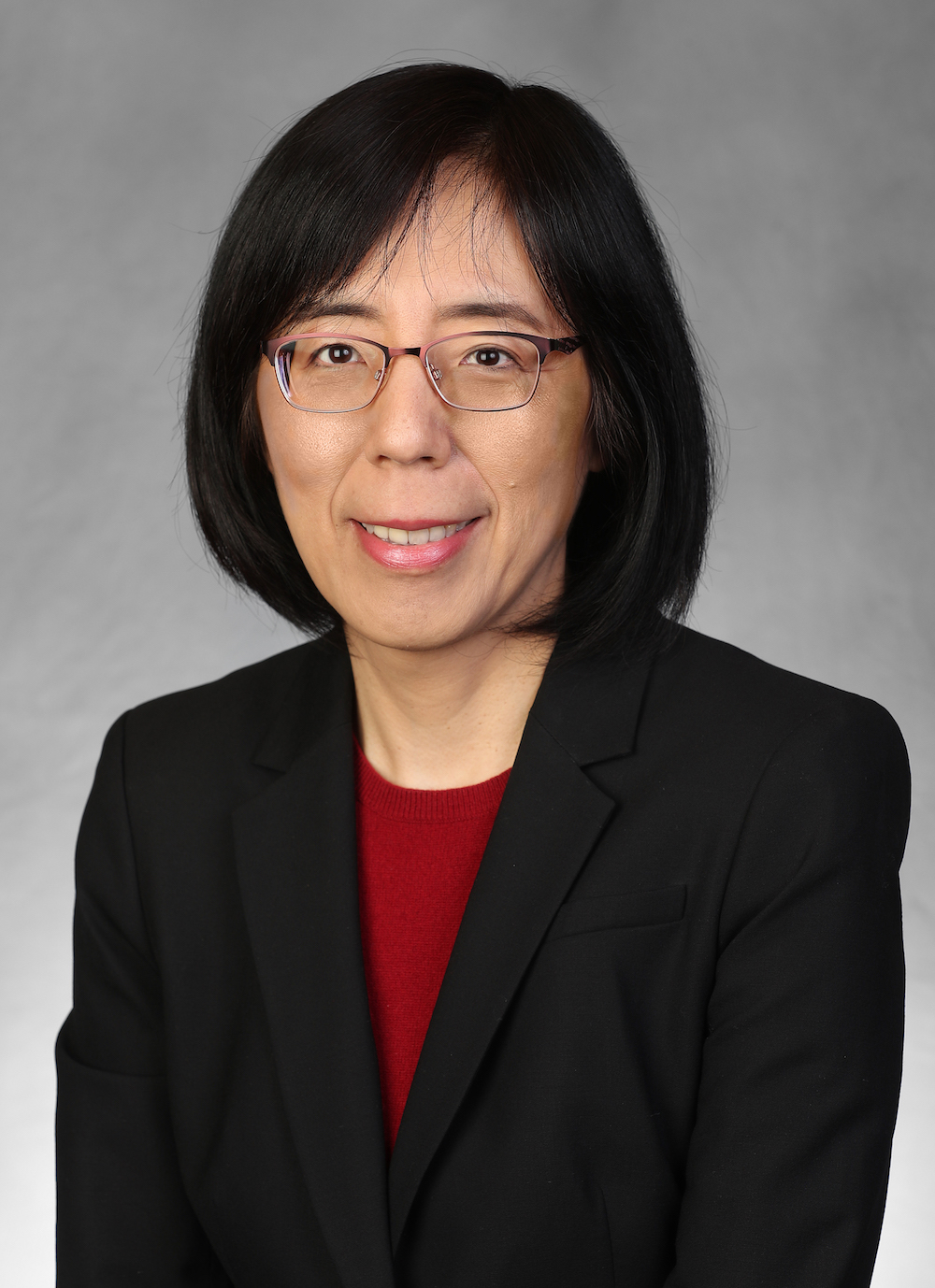
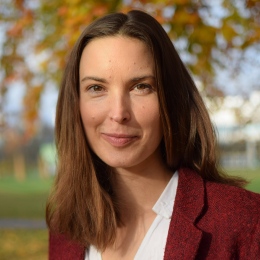
Ana Cristina Ribeiro dos Santos da Silva Ferreira is an Associate Professor in the Department of Social Research Methods at ISCTE-IUL - Higher Institute of Labor and Business Sciences. She is also an Integrated Researcher at DINÂMIA'CET-Iscte - Center for Studies on Socioeconomic Change and Territory, where her work focuses on cities and territories. Her academic career is deeply rooted in sociological and demographic research, particularly in migration, family dynamics, and spatial analysis. PhD in Sociology, ISCTE-IUL (2003) Other Qualification in Quantitative Methods, ISCTE-IUL (1990) Bachelor's degree in Sociology, ISCTE-IUL (1984) Her research interests include demography, sociology of territory, data analysis, migration, binational marriages, divorce patterns, and residential trajectories. She employs quantitative methodologies to analyze official statistics and longitudinal data, contributing to national and European debates on social integration and urban development. The most recent scientific publications highlight trends in transnational divorce, same-sex binational marriages, and residential mobility in the Lisbon Metropolitan Area. Her work frequently appears in journals such as Population, Space and Place , Portuguese Journal of Social Science , and Revista de Estudos Demográficos , covering interdisciplinary themes at the intersection of sociology, geography, and public policy. Ana Cristina Ferreira has not received any scientific awards mentioned in the available text. She has supervised or co-supervised multiple research projects and publications, often collaborating with scholars like Madalena Ramos and Sofia Gaspar. While specific grant details are not listed, her extensive publication record in conferences and journals suggests active involvement in funded research initiatives. She has also contributed to collective volumes and national congresses, particularly the Portuguese Congress of Sociology. She is affiliated with DINÂMIA'CET-Iscte, a research center dedicated to socioeconomic change and territorial dynamics, where she contributes to studies on urbanization, migration, and social cohesion. Her work is integral to understanding the evolving social fabric of Portugal in a globalized context.