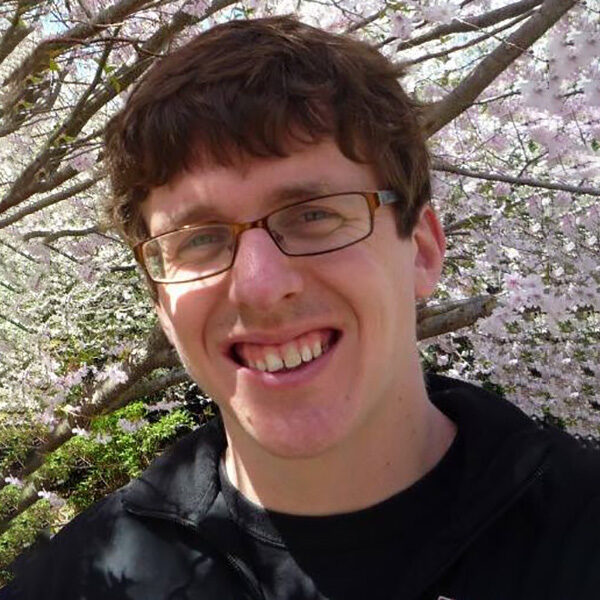
Dr. Michael P. Byrne is an Associate Professor at the School of Earth and Environmental Sciences , University of St Andrews, and a Marie Skłodowska-Curie Research Fellow at the Atmospheric, Oceanic and Planetary Physics Group , University of Oxford. His research focuses on climate dynamics, monsoons, land-climate interactions, and the water cycle. He leads the Climate Dynamics Lab at St Andrews, exploring topics like cloud feedbacks, tropical climate change, and continental-ocean temperature contrasts. He completed his PhD at MIT under Paul O’Gorman. His work bridges theory, models, and observations to address fundamental climate questions, including monsoon dynamics, intertropical convergence zone behavior, and extreme temperature amplification over tropical land. Key contributions include studies on ITCZ width impacts, elevation-dependent warming, and biases in precipitation projections. Education: PhD from Massachusetts Institute of Technology (advisor: Paul O’Gorman) Research Highlights: Cloud feedback mechanisms in tropical climates Land-ocean warming contrasts and their societal impacts ITCZ dynamics and global climate modeling Awards: Marie Skłodowska-Curie Fellowship (Oxford) Labs/Teams: Climate Dynamics Lab (St Andrews), ITCZ-MIP collaboration
Prof Peter Holland is a Professor of Human Resource Management at Swinburne University of Technology , where he also serves as Director of the Executive MBA program. His research explores employee voice , workplace surveillance , extended working hours , and well-being in extreme work environments . Universities: Swinburne University of Technology, Monash University Key Collaborations: Australian Consortium for Research on Employment and Work (ACREW), Ambulance Victoria His work spans both theoretical and applied domains, including: Impact of industrial revolutions on workforce health and safety Role of anti-violence HRM practices in frontline professions Challenges in sustainable HRM and organizational performance Stress management for paramedics and airline pilots Current projects examine smart technology applications for real-time well-being monitoring and post-pandemic workforce transitions . Grants: Recipient of Australian Research Council funding for parliamentary careers research and Swinburne’s Visiting Fellowships Scheme. Labs & Teams: Collaborates with international scholars on workforce resilience and digital HRM, and leads executive education initiatives at Swinburne.
Forest Isbell is an Associate Professor in the Department of Ecology, Evolution and Behavior at the University of Minnesota. As a prominent ecologist, his work focuses on biodiversity, ecosystem stability, and environmental change across natural and urban systems. Key Research Areas: Biodiversity, Grassland Ecosystems, Ecosystem Stability, Plant Traits, Invasive Species, Climate Change, Carbon Sequestration, Urban Ecosystems Recent Publications highlight spatial scaling laws, invasive species impacts on productivity, and biodiversity's role in carbon storage. His research integrates field experiments, modeling, and remote sensing approaches. Major Grants: NSF-funded Long-Term Ecological Research (LTER) projects, Spencer Foundation collaborations on tribal college STEM initiatives He actively contributes to science communication, with media coverage on prairie restoration challenges.
Craig O'Neill is an Associate Professor in Geophysics/Remote Sensing at the School of Earth & Atmospheric Sciences, Faculty of Science, Queensland University of Technology (QUT). His research spans geodynamics, planetary science, geophysics, and engineering geology, with a strong focus on understanding Earth and planetary evolution through computational modeling and geophysical data analysis. His research interests include Geophysics, Geodynamics, Remote Sensing, Planetary Science, Engineering Geology, Geochemistry, and Geology . He applies advanced numerical methods to model planetary interiors, tectonic processes, and geohazards, with recent work exploring early Earth crust formation, Venusian core dynamics, exoplanet thermal evolution, and applied geophysical techniques for engineering and environmental monitoring. The trend in his recent publications shows a strong interdisciplinary focus, combining computational geophysics with planetary science and Earth systems analysis. His work appears in leading journals such as Nature , Science Advances , and Geophysical Research Letters , covering topics from asteroid impacts and craton formation to ambient noise tomography and groundwater response to climate change. Professional Memberships: Australian Society of Exploration Geophysicists American Geophysical Union Australian Geomechanics Society Craig O'Neill supervises research students in areas such as lunar seismology and planetary geodynamics. While no specific grants are listed in the provided text, his extensive publication record and active research programs suggest ongoing funding support. He has developed open-source tools like Planet_LB for lattice-Boltzmann modeling of planetary systems. He is actively involved in the geophysics community, with scholarly profiles on ORCID, Google Scholar, and Scopus, and shares his research via X (formerly Twitter). His work bridges fundamental planetary science with practical geophysical applications.
Dr. Marion Schrumpf is a Group Leader in the Soil Biogeochemistry research group at the Max Planck Institute for Biogeochemistry, affiliated with the Department of Biogeochemical Processes. Her work focuses on soil carbon dynamics, mineral-organic matter interactions, and climate change impacts on soil systems. Research areas: Soil biogeochemistry, carbon cycling, mineral-soil interactions, nutrient stoichiometry, microbial ecology, and climate modeling. Email: mschrumpf@... Phone: +49 3641 57-6182 Office: B2.015 Her recent publications address themes like mineral control over soil carbon stabilization, drought effects on soil processes, microbial stoichiometric adaptation, and the Jena Soil Model's role in simulating carbon-nutrient interactions. She leads efforts to disentangle the complex relationships between land use, mineralogy, and soil organic matter turnover across diverse ecosystems.
Payam Barnaghi is a Professor and Chair in Machine Intelligence Applied to Medicine at Imperial College London's Department of Brain Sciences, part of the Faculty of Medicine. He holds multiple leadership roles, including Co-Director of the School of Convergence Science in Human and Artificial Intelligence and Deputy Head of Neurology. His research focuses on AI-driven healthcare solutions, particularly in neurosciences and dementia care. He leads the Translational Machine Intelligence group at the UK Dementia Research Institute (UK DRI) and is a Visiting Professor at University College London's Institute of Child Health. His affiliations include the NVIDIA Deep Learning Institute, the British Heart Foundation Centre for Research Excellence, and the UK DRI Care and Research Technology Centre. He has received awards such as the Wellcome Trust Mental Health Ideathon Award (2023) and the IEEE Outstanding Leadership Award (2017). His work emphasizes remote patient monitoring, digital biomarkers, and explainable AI for early health event detection. Key projects include the TIHM (Technology Integrated Health Management) initiative for dementia care, leveraging wearable sensors and machine learning. He contributes to interdisciplinary efforts in smart care ethics and has published extensively on topics like neural network applications, healthcare data analysis, and clinical decision support systems.
Professor Bonamy Oliver is a Professor of Developmental and Family Psychology at University College London's IOE - Faculty of Education and Society, leading the Mental Health, Wellbeing and Education Network. Her research focuses on children’s mental health, family relationships, and behavioral genetics. She developed the ESO observation tool, enabling remote parent-child interaction assessments, now used globally. She holds a prestigious 2023 ACAMH Impact Award and contributes to NICE guidelines. Academic roles include Associate Professor (2020-2024) and promoted to full Professor in 2024. She chairs IOE’s Mental Health and Wellbeing Network and directs NurtureLab. Education: PhD in Psychology and Behavioural Genetics (King’s College London, 2006), postdoctoral training at King’s College, followed by faculty roles at Sussex and Goldsmiths. Collaborations span UCL’s Institute of Mental Health, ICH GOS Mental Health Strategic Initiative, and the Accessible Genetics Consortium. Research interests include genetic influences on child development, intervention efficacy, and bridging academic-practitioner gaps. Recent work emphasizes mindful parenting, sibling dynamics, and resilience mechanisms. Articles (2024–2025) address parent-child relationships, polygenic scores in psychopathology, and cross-cultural studies of household chaos. Awards: ACAMH Impact Award (2023), NICE Guidelines contributor Leadership: Chair of IOE’s Mental Health Network, Director of NurtureLab Key Projects: ESO tool, CoTEDS children-of-twins study Advising and grants include interdisciplinary collaborations on child mental health interventions. Labs/Teams: NurtureLab at UCL, cross-institutional mental health initiatives.
Rose Pritchard is a Presidential Fellow in Socio-Env Systems at the Global Development Institute, University of Manchester. Her research focuses on environmental sciences, forest restoration, and data-driven development. She holds a PhD from the University of Edinburgh (2018), focusing on woodland transitions and rural livelihoods in Zimbabwe. Her work aligns with UN Sustainable Development Goals, emphasizing equity in conservation and digital transformation for development. Key research areas include forest governance, socio-ecological systems, and the ethical application of remote sensing in conservation. She collaborates internationally on projects like the AfriCultuReS initiative, exploring Earth Observation data's role in food security. Recent studies highlight sustainable forest transitions, digital development illusions, and rights-based restoration approaches. Her work has been cited widely, particularly in conservation biology and policy circles. Publications span interdisciplinary journals such as One Earth , Biological Conservation , and Conservation Biology . She actively participates in global debates on data justice, climate resilience, and equitable conservation strategies.
Mehebub Sahana is a Leverhulme Early Career Fellow in Geography at The University of Manchester. He leads a three-year research project on political partition, ecological degradation, and environmental sustainability in the Bengal Delta. His work focuses on transboundary river basins, socio-ecological resilience, and land-use dynamics in the Global South. He has been PI on projects funded by the International Science Partnerships Fund and SEED Impact Fund, addressing flood hazards, heat vulnerability, and environmental governance. Teaching roles include courses on GIS, environmental policy, and dissertation support at both undergraduate and postgraduate levels. He has organized interdisciplinary workshops on transboundary river basins and serves as an editor for Taylor & Francis and Elsevier. Sahana’s research integrates remote sensing, GIS, and socio-economic analysis, contributing to UN SDGs related to climate action, sustainable cities, and responsible consumption. Scientific awards include the Best Paper Presentation Award (2015) and recognition for his work on lockdown effects during the pandemic (2022). His consultancy projects span high conservation value assessments, climate policy, and biodiversity reporting in India and Southeast Asia. He collaborates internationally, addressing challenges in South Asia’s transboundary ecosystems and climate vulnerability.
Perpetua Kirby is an Assistant Professor in Childhood and Youth (Education) at the School of Education and Social Work, University of Sussex . She specializes in children’s rights, participation, and agency, utilizing ethnographic and multimodal methodologies to explore democratic approaches to education. Her work bridges research and practice, focusing on sustainability education and transformative models through collaborations with organizations like the Centre for Innovation and Research in Childhood and Youth (CIRCY) and the Centre for Teaching and Learning Research (CTLR) . Research Themes: Children’s rights and agency in educational settings Interdisciplinary sustainability education (Global North/South) Ethnographic and creative research methods Transformative pedagogies for climate uncertainty Key Projects: Nuffield-funded study on children’s voices and data in UK local authorities Collaboration with PASTRES Programme on art-based climate pedagogy Fellow of Sussex Sustainability Research Programme (SSRP) Scientific Awards: Fellow of the Sussex Sustainability Research Programme (SSRP) Teaching: Co-convenes Forest Food Garden elective at University of Sussex Supervises MA in Education and doctoral research training Media Impact: Featured in BBC Radio 4’s Women’s Hour, Financial Times, Huffington Post
Dr Bastien Lechat is a Research Fellow at Flinders Health and Medical Research Institute (FHMRI): Sleep Health, within the College of Medicine and Public Health at Flinders University. He is also a Full Member of the College of Science and Engineering and the Medical Device Research Institute. As an NHMRC Emerging Leadership Fellow, he leads innovative research at the intersection of sleep medicine, artificial intelligence, and wearable technology. Education: PhD in Sleep Health, Adelaide Institute for Sleep Health, Flinders University (2018–2021) Bachelor of Engineering in Engineering Science/Acoustics, Université du Maine, France (2014–2017) Dr Lechat’s research focuses on understanding the physiological mechanisms and consequences of obstructive sleep apnea (OSA), particularly night-to-night variability and patient subtypes. He develops AI-driven tools for efficient and accurate diagnosis using wearables and signal processing. His work aims to create a scalable, low-cost model of care for sleep-disordered breathing, addressing global diagnostic gaps. His recent publications reveal a strong trend in digital health innovation, with a focus on machine learning for OSA detection, circadian rhythm modeling, cardiovascular risk prediction, and climate impacts on sleep. His research has been published in top journals including Nature Communications , Journal of Sleep Research , and Sleep Medicine , demonstrating interdisciplinary reach. Scientific Awards and Recognition: NHMRC Emerging Leadership Fellow (2023) Helen Bearpark Memorial Scholarship (2022) Emerging Research Leader Award, Flinders University (2021) Multiple early-career awards from Sleep Down Under, Australasian Sleep Association, and Adelaide Sleep Retreat Ranked in the top 5% of international authors in sleep apnea by Expertscape Dr Lechat has secured over $2.5 million in competitive research funding and actively supervises and mentors junior researchers. He serves on the program committee of the American Thoracic Society meetings and contributes to clinical guidelines. He collaborates globally with industry and academic partners to translate research into clinical practice. Laboratories and Research Teams: He co-leads the 'Novel use of digital innovations & technology development' theme at FHMRI: Sleep Health, working closely with Professor Danny Eckert. His team integrates expertise in biomedical engineering, data science, and clinical sleep physiology to advance digital sleep medicine.
Kyusang Lee is an Associate Professor in the Electrical and Computer Engineering and Materials Science and Engineering departments at the University of Virginia. His research focuses on optoelectronic devices, neuromorphic computing, and smart sensors, emphasizing applications in solar energy conversion and flexible electronics. He holds a B.S. from Korea University (2005), M.S. from Johns Hopkins University (2009), and Ph.D. from the University of Michigan (2014). He conducted postdoctoral research at the University of Michigan and MIT. Education: B.S., Electrical Engineering, Korea University, 2005 M.S., Electrical and Computer Engineering, Johns Hopkins University, 2009 Ph.D., Electrical Engineering and Computer Science, University of Michigan, 2014 Postdoctoral Fellowships: University of Michigan (EECS), MIT (Mechanical Engineering) His research interests span thin-film and flexible optoelectronics, neuromorphic computing architectures, and AIoT-enabled smart sensors. Notable contributions include remote epitaxy techniques for semiconductor membrane integration and solar-tracking concentrator designs. His work bridges materials science and device engineering to advance energy-efficient optoelectronics and bioinspired systems. Key Research Themes: Organic/inorganic optoelectronic devices for solar energy Flexible and stretchable electronics Neuromorphic hardware for edge computing Gas sensing and bioinspired sensor systems Lee’s publications reflect interdisciplinary innovation, with recent work on ferroelectric transistors, neuromorphic vision systems, and high-efficiency photovoltaics. He received the NSF CAREER Award (2020) and AFOSR YIP Award (2023).
Prof. Dr. Björn Alpermann is a Full Professor of Contemporary Chinese Studies at the University of Würzburg's Faculty of Philosophy. He has held this position since 2013 and previously served as a Junior Professor there from 2008–2013. His academic career includes a doctorate in Modern Chinese Studies from the University of Cologne (2006) and research stints at the University of California, Berkeley, and Nankai University. Research Focus: Alpermann specializes in Chinese political systems, rural governance, minority policies (especially Xinjiang and Tibet), and social change. He leads major projects such as the EU-funded 'Remote Ethnography of Xinjiang' (2023–present) and the BMBF-funded 'Worldmaking from a Global Perspective' (2020–2023). His work critically examines China's governance strategies, ethnic policies, and international relations. Publications: Alpermann authored books on Xinjiang, rural-urban transformation, and social change in China. His research analyzes China's political economy, state-society relations, and the interplay between modernization and authoritarianism. He frequently publishes in journals like Journal of Current Chinese Affairs and has contributed to edited volumes on governance and social stratification. Professional Roles: He coordinates the EU and BMBF projects, serves as a spokesperson for interdisciplinary initiatives, and advises on China policy. His work bridges academic rigor with policy relevance, addressing topics like human rights, ethnic conflict, and developmental state strategies. Education: Doctorate (Dr. phil.) in Modern Chinese Studies, University of Cologne (2006) Studies in Modern China, Political Science, and Economics at University of Cologne and Nankai University (1999)
Terri S. Hogue is a Professor in the Department of Civil and Environmental Engineering at the Colorado School of Mines, where she also serves as Dean of Earth and Society Programs and Director of the Center for a Sustainable WE 2 ST. Her work bridges engineering, hydrology, and environmental sustainability, with a strong focus on semi-arid regions. Education: PhD in Hydrology and Water Resources, University of Arizona, 2003 MS in Hydrology and Water Resources, University of Arizona, 1998 BS in Geology, University of Wisconsin-Eau Claire, 1995 Her research focuses on hydrologic and land surface processes, particularly in the context of water resource management, climate variability, urbanization, and natural hazards. She integrates field observations, remote sensing, and modeling to study catchment responses to wildfires, urban development, and climate change. Her work emphasizes improving hydrologic forecasts and understanding human-environment interactions in water-limited systems. The 15 most recent publications highlight consistent themes in hydrologic modeling, remote sensing applications, evapotranspiration estimation, post-wildfire hydrology, and urban water systems. Her research spans both observational and computational methods, with strong applications to real-world water management challenges in the western U.S. Scientific Awards and Honors: NSF Faculty Early Career Development (CAREER) Award, 2009 NSF Fellowship Trainee Award (multiple years) NASA Earth Observing System (EOS) Graduate Fellowship, 2001–2002 AMS Journal of Hydrometeorology Editor’s Award, 2011 UCLA Professor of the Year (2004, 2007, 2010) Appointment to National Academy of Sciences Board on Atmospheric Sciences and Climate, 2013 AMS Science and Policy Colloquium Fellowship, 2002 Multitude of scholarships and fellowships from NASA, NSF, and professional societies Dr. Hogue has been actively involved in advising and research leadership through her Hogue Research Group and the Center for a Sustainable WE 2 ST. She has secured significant grants, including the NSF CAREER Award, and contributes to national science policy through service on the AGU Hydrology Section and the National Academy of Sciences. Her work emphasizes interdisciplinary collaboration, data-driven modeling, and sustainable solutions for water-stressed regions. She leads the Hogue Research Group and the Center for a Sustainable WE 2 ST, both of which focus on integrated water, energy, and environmental systems. These teams bring together engineers, hydrologists, and environmental scientists to tackle pressing sustainability challenges through research, education, and policy engagement.
Jiaxuan Li is an Assistant Professor of Geophysics in the Department of Earth and Atmospheric Sciences at the University of Houston's College of Natural Sciences and Mathematics. His research focuses on developing fiber-optic sensing technologies for seismic monitoring across diverse geological environments including volcanic, crustal, and glacial settings. Dr. Li's educational background includes a Ph.D. in Geophysics from the University of Houston (2015-2020) and a B.S. in Geophysics from Peking University (2011-2015). He previously held a postdoctoral position at Caltech Seismolab under Prof. Zhongwen Zhan. His research program centers on distributed acoustic sensing (DAS) applications, with major contributions in volcanic eruption forecasting through minute-scale magma migration imaging, earthquake rupture dynamics via high-frequency fault asperity analysis, and subsurface characterization for carbon sequestration and geothermal energy. Recent work demonstrates DAS capabilities as dense geodetic arrays for real-time volcanic monitoring systems deployed in Iceland through collaborations with the Icelandic Met Office and Reykjavik University. Analysis of Dr. Li's publication record reveals a strong emphasis on operationalizing fiber-optic networks for geophysical monitoring, with significant advancements in eruption early warning systems, earthquake source characterization, and subsurface imaging techniques. His work bridges fundamental seismological research with practical hazard mitigation applications. Dr. Li actively mentors graduate students and recently welcomed postdoc Dr. Tianfan Yan to his research team. His lab operates real-time DAS streaming systems for volcanic eruption monitoring in Iceland, developed through international collaborations involving the University of Houston, Caltech, Ljósleiðarann, and Reykjavik University. Current research directions include expanding DAS applications for carbon sequestration verification and deep geothermal reservoir characterization.