Professor Omar Usmani is a Professor of Respiratory Medicine at the National Heart and Lung Institute (NHLI), Imperial College London, and Consultant Physician at the Royal Brompton Hospital. He leads the Clinical Research Group within NHLI's Airway Disease Section and is Co-Director of Imperial's Network of Excellence in Aerosols and Health. His expertise spans inhaled drug delivery, small airways physiology, and tele-monitoring. He holds leadership roles in global societies like ISAM (President-elect) and ERS (former Head of Assembly 5). Key awards include the Thomas T. Mercer Award (2015) and FERS (2019). Education: MB BS (King's College London), PhD (Imperial College London), CASLAT (Imperial College). His research has secured grants including EU Horizon 2020 (myaircoach) and FDA funding ($2.3M). Teaching roles include leading Imperial's MBBS Phase 1 programme and mentoring PhD/MSc students. Public outreach includes STEM initiatives for underprivileged London schoolchildren and media appearances on BBC's Horizon and Fake Britain. Research focuses on optimizing inhaled therapies, aerosol science, and small airways dysfunction. Articles highlight innovations in drug delivery, telehealth, and inhaler adherence. He advises pharmaceutical companies and regulatory bodies like the FDA on inhaler design and clinical outcomes.
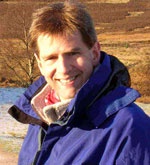
Christopher Soulsby is a Professor of Hydrology at the School of Geosciences, University of Aberdeen. He serves as Chair in Hydrology and leads research initiatives focused on catchment hydrology, groundwater-surface water interactions, and ecohydrology of salmonid rivers. As a Fellow of the American Geophysical Union and holder of a DSc from the University of Aberdeen, his work integrates isotopic tracers and modeling to address sustainable water management. Education: DSc (1999) and PhD (1987-1991) in Hydrology, University of Wales, Swansea Research Interests: His work examines runoff processes, streamflow generation, and catchment biogeochemistry using isotopic and geochemical tracers. Key areas include groundwater-surface water interactions in upland environments, hyporheic zone hydroecology, and hydrological management of wetlands in Scotland and Africa. Recent Article Trends: Current publications focus on drought impacts on water quality, ecohydrology of urban green spaces, and coupled modeling of water-carbon dynamics in agroforestry systems. Studies employ remote sensing, isotopic tracers, and environmental DNA to analyze hydrological connectivity and climate stress. Scientific Awards: Fellow, American Geophysical Union DSc, University of Aberdeen Key Collaborations: Works with institutions like Macaulay Institute, Freshwater Laboratory (Pitlochry), British Geological Survey, and Centre for Ecology and Hydrology. Leads projects in Scottish uplands (Feshie, Feugh, Girnock catchments) and African wetlands (Kasanka National Park, Zambia).
Professor Paul White is a distinguished academic at the University of the West of England (UWE Bristol), serving as Professor of Applied Statistics within the Faculty of Engineering and Technology's Department of Engineering, Design and Mathematics. His work focuses on applying statistical methods to benefit society (ASBOS), with particular emphasis on collaborative research across UWE's applied and life sciences departments and with the National Health Service (NHS). Dr. White holds a BSc, MSc, and PhD, though specific institutions are not mentioned in the provided text. His academic journey has established him as a leading figure in applied statistics education and research methodology. Professor White's research spans multiple domains of applied statistics, with particular expertise in quantitative research methods, research methodology, sample size determination, and the design and analysis of experiments. He maintains a strong ethical focus in quantitative research while applying his skills to medical statistics and multivariate statistics. His work often intersects with healthcare applications, as evidenced by his involvement in clinical trials and medical research collaborations. A notable initiative he co-founded is the DARK ARTS (Design And Research Knowledge for Analysis of Randomised Trials) group, which focuses on advancing methodologies for randomized trials. His extensive publication record shows a clear trend toward interdisciplinary collaboration, particularly in healthcare applications of statistics. The most recent articles demonstrate expertise in clinical trials methodology, medical statistics, and psychological interventions. Many publications involve randomized controlled trials across diverse areas including eating disorders, body image interventions, respiratory medicine, oncology, and obstetrics. This reflects his commitment to 'Applying Statistics for the Benefit of Society' (ASBOS) through rigorous quantitative methods. Professor White is actively involved in mentoring students and colleagues, describing himself as 'a willing coach or mentor.' His teaching portfolio is diverse, including courses on 'GANSTA's' (Good At Numbers and STAts) for mathematics students, quantitative methods for healthcare programs, and professional development courses through the UWE Graduate School. He expresses particular interest in developing new statistical techniques using stochastic simulation and welcomes potential PhD students to collaborate on these research programs. Among his collaborative efforts, the DARK ARTS initiative stands out as a significant research group focused on randomized trials methodology. This team, which includes Dr. Caterina Gentili, Dr. Jason Anquandah, and Dr. Deirdre Toher, represents a concentrated effort to advance statistical approaches to clinical research design and analysis.
Dilum Bandara is a Principal Research Scientist at CSIRO's Data61 in Australia and an Adjunct Senior Lecturer at the School of Computer Science and Engineering, Faculty of Engineering, University of New South Wales (UNSW). He has previously served as a Senior Lecturer at the University of Moratuwa, Sri Lanka, and has over two decades of experience in research, teaching, and consultancy in distributed systems, security, and software engineering. His academic qualifications include: PhD in Computer Science, Colorado State University, USA (2012) MS in Computer Science, Colorado State University, USA (2008) BSc Eng. (Hons) in Computer Science and Engineering, University of Moratuwa, Sri Lanka (2004) Dilum's research interests are centered on Distributed Systems (Blockchain, Cloud, P2P), Computer Security , Software Architecture , Data Engineering , Performance Engineering , and the Internet of Things (IoT) . He applies these technologies in multidisciplinary domains such as Supply Chains , Digital Finance , Environmental, Social, and Governance (ESG) , Fleet Management , and Weather Monitoring . His work emphasizes real-world impact through trusted data management in multi-party ecosystems. The analysis of his recent publications reveals a strong focus on blockchain for transparency and security, cloud-native performance engineering, IoT integration with edge and cloud, and data-driven solutions for smart cities and sustainability. His work consistently bridges theoretical innovation with practical deployment, particularly in national and international infrastructure projects. His scientific awards include: Best Paper Award at BPM 2024 Multiple CSIRO internal awards (Customer First, Engineering and Technology, Collaboration) from 2021–2023 Student Paper Award (Merit) at IEEE SOLI 2018 Award of Excellence for Outstanding Research at University of Moratuwa (2015–2018) Dilum has led and contributed to several research grants, particularly during his time at the University of Moratuwa, including projects on smart city integration, real-time data forecasting, and cloud platforms for scientific computing. He has also held leadership roles such as Director of the Engineering Research Unit and co-founder of VaticHub. He is actively involved in professional communities as a Senior Member of IEEE and a Chartered Engineer with IESL. At CSIRO, he serves as a Health and Safety Representative, reflecting his commitment to corporate citizenship. He has advised students and early-career researchers, though specific names are not listed in the provided text. His labs and research teams include the Architecture and Analytics Platforms (AAP) team at CSIRO Data61 and collaborations with academic institutions like UNSW and University of Moratuwa.
Chang-Hee Won is a Professor in the Department of Electrical and Computer Engineering at the College of Engineering, Temple University. He leads the Control, Sensor, Network, and Perception (CSNAP) Laboratory and is actively engaged in research funded by the National Science Foundation, Pennsylvania Department of Health, and the Department of Defense. His research interests span tactile sensing , optimal control theory , spectral imaging , and dynamic sensing systems . His work integrates sensor technologies with machine learning for biomedical applications, particularly in cancer detection and tissue characterization. He has published over 120 peer-reviewed articles and secured multi-million dollar grants as principal investigator. The recent publications highlight a strong trend in applying tactile and imaging sensors with deep learning for medical diagnostics , especially in breast cancer and malignant melanoma classification. His research bridges control theory, sensor design, and AI-driven health technologies. He serves as a frequent reviewer for the National Science Foundation and sits on the National Institute of Health Biomedical Imaging Study Section. Reviewer, National Science Foundation panels Member, NIH Biomedical Imaging Study Section He has advised multiple graduate students including N. Rahman, V. Oleksyuk, and H. Ahn, who have co-authored recent journal publications. His research is supported by significant grants from federal and state agencies, as well as industry partnerships. He directs the Control, Sensor, Network, and Perception (CSNAP) Laboratory , which focuses on developing advanced sensor systems, control algorithms, and perception technologies for biomedical and engineering applications.
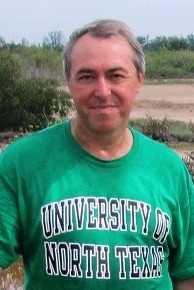
Dr. Harry Williams is a Professor in the Department of Geography and the Environment at the University of North Texas (UNT). He is an editorial board member of the Journal of Coastal Research and conducts research at the intersection of geomorphology, natural hazards, and human-environment interactions. Research Interests Dr. Williams specializes in coastal geomorphology, with a focus on hurricane storm surge sedimentation, paleotempestology (study of ancient storms), and the impacts of urbanization on physical environments. His fieldwork-driven research spans Texas, Louisiana, Thailand, South Korea, and Vietnam, using GIS, GPS, modeling, and remote sensing as key methodologies. Coastal Geomorphology : Fire Island, NY, before/after Hurricane Sandy Sedimentation Studies : Coastal marshes, floodplains, and historical storm records Climate-Hazard Interactions : Holocene climate changes and tropical cyclone variability Scientific Contributions Editorial board member of Journal of Coastal Research Published 17 peer-reviewed articles (2005-2019) on hurricane sedimentation, coastal evolution, and GIS applications Developed fieldwork-centered research frameworks for student thesis projects Academic Mentorship Dr. Williams actively mentors students through research opportunities, emphasizing professional development via conference presentations and co-authorship of journal articles. His courses include: Geology 1610: Physical Geology Geography 1710: Earth Science Geography 4350/5350: Geomorphology Foundations of Geographical Thought
Professor Javier Martin-Torres is a Personal Chair in the School of Geosciences at the University of Aberdeen, where he leads research in planetary science, atmospheric physics, and astrobiology. His work focuses on the study of planetary atmospheres, particularly Mars and the Moon, using remote sensing data, modeling, and space instrumentation. University: University of Aberdeen School: School of Geosciences Rank: Professor Email: javier.martin-torres@abdn.ac.uk His research interests include planetary atmospheres, non-LTE modeling, Mars exploration, lunar subsurface studies, astrobiology, and planetary protection. He has made significant contributions to understanding atmospheric chemistry and energy balance in planetary environments, especially through data from missions such as MIPAS, SABER, Chang’E-4, and Mars Science Laboratory. The most recent publications reflect a strong trend in interdisciplinary planetary science, combining remote sensing, geochemistry, machine learning, and mission design. Key themes include Mars surface and atmospheric processes, lunar subsurface structure, life detection technologies, and the development of cleanroom and sampling systems for space missions. His work bridges observational data with theoretical modeling to advance our understanding of planetary environments. Scientific Awards: Fellow of the Royal Society of Edinburgh Fellow of the Royal Astronomical Society Professor Martin-Torres has been involved in advising and leading research projects related to planetary exploration and instrumentation. He has contributed to major collaborative grants, particularly in the areas of Mars rover missions, lunar science, and planetary protection. His work often involves international consortia and space agencies, indicating significant grant funding and project leadership. He is actively involved in laboratory and team-based research, including the development of planetary instrumentation, cleanroom facilities, and data analysis pipelines for radar and atmospheric sensors. His team works on integrating machine learning with planetary data interpretation and advancing technologies for future space missions.
Rebecca K. Saari is an Assistant Professor in the Department of Civil and Environmental Engineering at the University of Waterloo , where she has worked since 2015. Her research focuses on sustainable engineering, atmospheric emissions, and the health impacts of climate policy. Educational Background: PhD in Engineering Systems, MIT (2015) MASc in Mechanical and Environmental Engineering, University of Toronto (2007) BASc in Engineering Science – Physics Option, University of Toronto (2005) Her work integrates air quality modeling , climate change policy analysis , and environmental equity , with a focus on tools like integrated assessment models to evaluate health and economic impacts of pollution. Her 11 refereed articles span climate policy co-benefits, air quality modeling, and combustion diagnostics. Scientific Awards & Funding: NSERC Discovery Grant (2016-2021) MTO Highway Infrastructure Innovation Funding Program (2016-2020) Roos Dissertation Award, MIT (2015) Martin Family Society of Sustainability Fellows (2012-2013) C3E Women in Clean Energy Poster Competition Finalist (2013) She supervises PhD candidate Ming Liu , MASc students Filzah Nasir and Wilson Yang , and has collaborated with institutions like MIT, Environment Canada, and AECOM.
David St-Jules is an Assistant Professor in the Department of Nutrition at the University of Nevada, Reno. His research focuses on dietary interventions for individuals with adiposity-based chronic diseases, particularly chronic kidney disease (CKD) and hemodialysis patients. He investigates potassium and phosphorus homeostasis, protein-energy wasting, and technology-supported dietary counseling for lifestyle modifications. BSc - University of British Columbia, 2008 PhD - University of Hawaii at Manoa, 2013 St-Jules' work delves into the intersection of nutrition and chronic disease management, with a specific emphasis on dietary recommendations for CKD patients. His studies address the challenges of phosphorus and potassium restrictions, the role of whole grains, and the impact of plant-based versus animal-based protein sources. He also explores the feasibility of mobile health (mHealth) interventions in improving dietary adherence among hemodialysis patients. Recent publications highlight his focus on hyperphosphatemia and hyperkalemia management, personalized nutrition , and technology-supported counseling for patients with dual chronic conditions like diabetes and CKD. His research bridges nutritional science with clinical practice , questioning traditional dietary frameworks and advocating for innovative approaches.
Rob Basten is an Associate Professor in the Department of Industrial Engineering and Innovation Sciences at Eindhoven University of Technology (TU/e). He has been with TU/e since October 2014, initially as an Assistant Professor before being promoted. His work focuses on operations management and behavioral operations management, with particular expertise in maintenance, spare parts supply, and after-sales services for high-tech equipment. Basten's research is highly applied, often conducted in collaboration with industry partners such as ASML, NXP, Canon Production Printing, Marel Poultry, and the Ministry of Defence. Dr. Basten's educational background includes: Master's in Industrial Engineering and Management (2004) from University of Twente Master's in Computer Science (2005) from University of Twente PhD in Operations Management (2010) from University of Twente Rob Basten's research centers on improving after-sales services for high-tech equipment, with a focus on incorporating new technologies such as 3D printing and IoT. His work spans both analytical and empirical approaches, with increasing emphasis on behavioral operations management as human decision-makers interact with AI-based decision support systems. Basten investigates how to design and control after-sales service supply chains when spare parts can be 3D printed, and how to optimize maintenance policies for complex systems. His interdisciplinary research bridges operations management, maintenance engineering, and human behavior. Analysis of Basten's recent publications reveals a strong focus on the application of new technologies in after-sales services. Key trends include the integration of additive manufacturing in spare parts supply chains, condition-based and predictive maintenance driven by Industry 4.0 technologies, and the behavioral aspects of human-AI collaboration in maintenance decision-making. His work frequently addresses challenges in high-tech manufacturing contexts, particularly semiconductor equipment, with a growing emphasis on Industry 5.0 concepts that integrate human-centered approaches with advanced technologies. Dr. Basten has received recognition for his work, including: Finalist for the 2020 Daniel H. Wagner Prize for Excellence in Operations Research Practice ISIR Best Student Paper Award 2018 Rob Basten actively supervises numerous PhD students and has led several major research projects. He currently supervises nine PhD students including Maryam Azani, Ragnar Eggertsson, Bibi de Jong, Zhao Kang, Niccolò Maccarini, Aran Nasiri, Bas van Oudenhoven, İpek Tanıl, and Alireza Yazdani. He has successfully guided six PhD students to completion. Basten has been project leader and work package leader in significant research initiatives including ProSeLoNext (funded by NWO with industry co-funding), PrimaVera, SINTAS, and OCPROM projects. His research is consistently supported by both public funding agencies and industry partnerships, reflecting the practical relevance of his work. Basten is an active member of the Operations, Planning, Accounting & Control group at TU/e and contributes to the EAISI High Tech Systems initiative. He has organized key academic events including the first two editions of the Maintenance Research Day and the Behavioral Operations Conference 2019. His work connects academic research with industry practice through ongoing collaborations with leading high-tech companies, creating a dynamic research environment focused on solving real-world challenges in maintenance and service logistics.
Sara White is a Clinical Senior Lecturer in Women's Health and Diabetes at the Faculty of Life Sciences & Medicine , King's College London. Her research focuses on gestational diabetes, maternal nutrition, and cardiometabolic health outcomes during pregnancy and postpartum periods. Active in UN Sustainable Development Goals (SDGs) related to health and well-being Specializes in systematic reviews and randomized controlled trials for maternal diabetes interventions Research interests include: Gestational diabetes subtypes and fetal adiposity Digital health tools for maternal care Personalized nutrition strategies during pregnancy Impact of physical activity on glucose metabolism Her recent publications analyze: Qualitative experiences of women in diabetes intervention trials Healthcare cost implications post-COVID-19 pandemic Nutritional interventions like almond consumption for nocturnal glycaemic control Scientific contributions recognized through grants from: Medical Research Council (MRC) National Institute for Health & Care Research (NIHR) Diabetes UK Almond Board of California
Sabrina Corpino is a Full Professor in the Department of Mechanical and Aerospace Engineering at the Polytechnic University of Turin. She serves as a Member of the PhotoNext Interdepartmental Center for Applied Photonics and holds scientific advisory roles with the Partnership Agreement with ALTEC, the International Astronautical Federation (IAF), and NEREUS. Research Interests: Aerospace design, systems engineering, CubeSat missions, and space propulsion. Key Projects: Scientific Manager for PNRR NODES Spoke 1, SINAV, Hera Mission Phase B/C/D/E1, and RAMSES CubeSat-1 Development. Teaching: Lecturer for 'Aerospace Systems' in multiple academic years and collaborator in interdisciplinary courses. Students: Supervises PhD candidates including Nicola Di Gruttola Giardino, Serena Campioli, and Antonio D'Ortona. Awards: Recipient of the 2018 ICAS Casimiro Montenegro Filho Award for Innovation in Aeronautics.
Lixia Zhang is a Professor at the Computer Science Department of University of California, Los Angeles (UCLA) . She leads the Internet Research Lab (IRL) and has been a key figure in the Named Data Networking (NDN) project since 2010, building on Van Jacobson's Content-Centric Networking (CCNx) vision. Education : PhD from MIT (TCP/IP research), advised by Dr. David Clark Experience : Xerox PARC (7 years), currently at UCLA since 1998 Labs : Director of Internet Research Lab (IRL) at UCLA Her research focuses on Internet architecture design , NDN protocol development , and network security . She has published extensively on topics like DDoS defense patterns , LEO satellite networking , and decentralization frameworks . Her work spans applications in mHealth data sharing , edge computing , and augmented reality . Recent publications show trends in NDN scalability , secure communication , and decentralized internet infrastructure , with 15 most recent articles covering LEO satellite networks , metaverse security , scientific data distribution , and stateful forwarding mechanisms . Scientific Awards : PAM 2010 Best Paper Award Best Poster Award at ACM ICN 2018 Grants & Leadership : Recipient of Cisco Systems grant (2022) for satellite networking research, co-chair of IRTF Decentralized Internet Infrastructure Research Group (2021), and organizer of multiple NDN Community Meetings and Hackathons . Her lab has produced notable alumni including Mohit Lad (co-founder of ThousandEyes) and Lucas Wang .
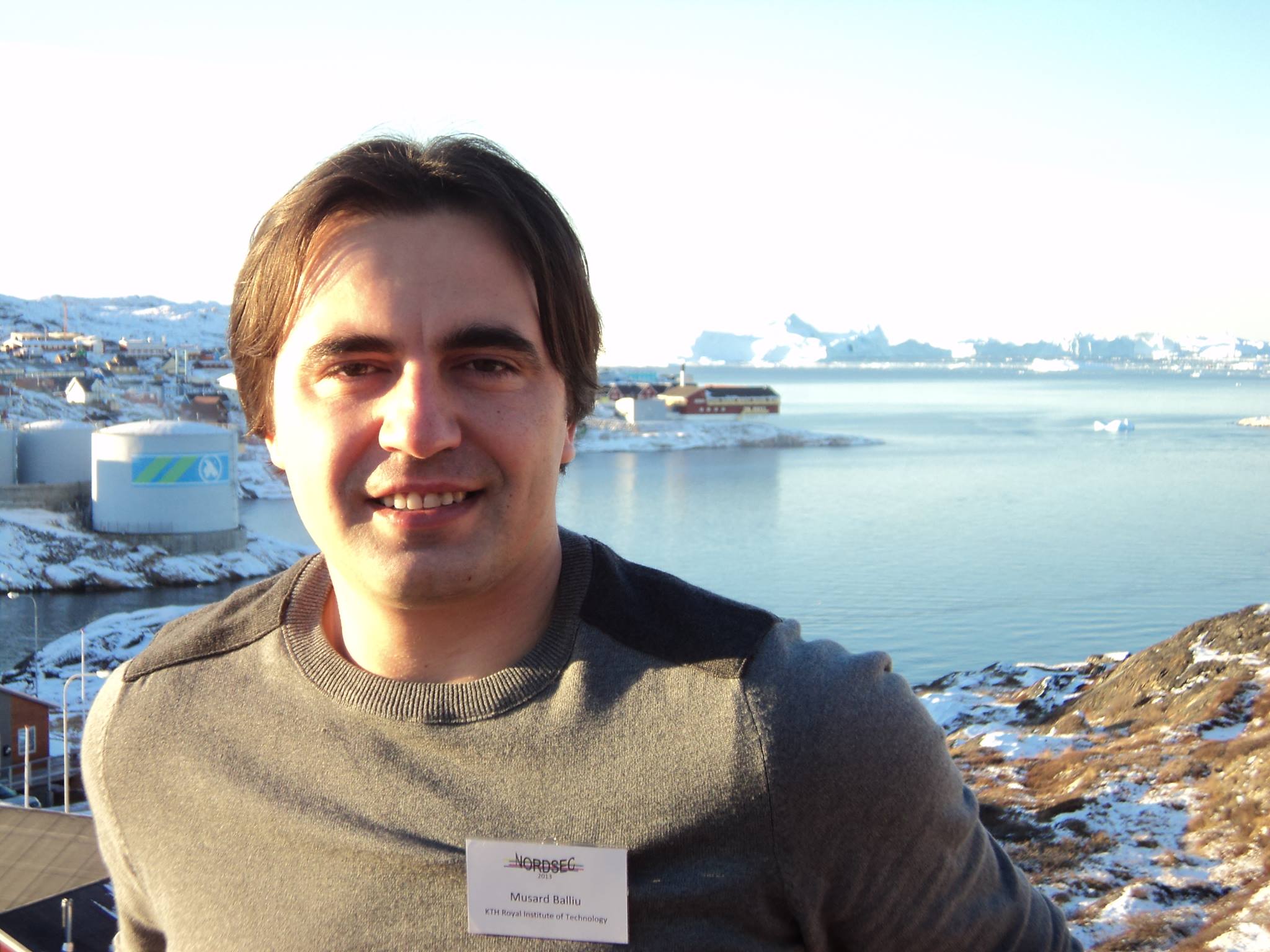
Musard Balliu is an Associate Professor at the School of Electrical Engineering and Computer Science at KTH Royal Institute of Technology in Stockholm, Sweden. He works in the Division of Theoretical Computer Science and leads the LangSec (Language-Based Security) research group. His research interests span multiple aspects of computer security, including: Information flow control Web and mobile application security IoT security Low-level security Program analysis and verification Logics in security contexts His recent publications focus on cutting-edge security challenges, with particular emphasis on JavaScript security (prototype pollution vulnerabilities), IoT platform security, database security, and formal methods for security verification. His work often bridges theoretical foundations with practical security solutions, addressing real-world security concerns in emerging technologies like IoT and modern web applications. His notable awards include: Best Reviewer Award at CCS 2022 Google Research Scholar Award in 2022 Facebook Award in Privacy-Enhancing Technologies in 2021 Dr. Balliu actively mentors students in the LangSec group, supervising both current students and recently graduated PhD candidates. He serves as Principal or Co-Principal Investigator on multiple research projects funded by prestigious organizations including Digital Futures, WASP, VR, and SSF, with a focus on next-generation security solutions for IoT, software supply chains, and cloud computing. He is also involved in various cybersecurity initiatives including the Swedish National Hacking Team (as co-founder and SC representative for Sweden), CDIS Cybercampus Sverige, and Digital Futures, demonstrating his commitment to advancing cybersecurity education and practice beyond academic research.
Weiyi Tang is an Assistant Professor at the University of South Florida College of Marine Science, specializing in biogeochemistry and climate change. His research integrates laboratory experiments, field observations, isotopic methods, remote sensing, machine learning, and numerical modeling to investigate ocean ecosystem responses to human activities and climate feedbacks. Research interests focus on: Global nitrogen cycle processes (N 2 fixation, nitrification, denitrification, N 2 O cycling) Marine carbon cycling and biological productivity Global biogeochemical data compilation and meta-analysis Development of biogeochemical observation methods and instruments His work combines nitrogen isotope analysis, microbial characterization, and statistical tools to understand environmental drivers of biogeochemical cycles. Recent publications (2022-2025) reveal strong emphasis on nitrogen transformation kinetics in estuarine and oceanic systems, particularly nitrous oxide dynamics under varying oxygen conditions. Key trends include machine learning applications for global nitrogen fixation modeling, dust-driven phytoplankton blooms, and anthropogenic impacts on greenhouse gas emissions. Studies frequently leverage high-resolution field data from the Chesapeake Bay and North Atlantic. Scientific Awards: No awards mentioned in source material Dr. Tang actively recruits undergraduate, graduate, and postdoctoral researchers for his Biogeochemistry Lab, with current openings for candidates specializing in geochemistry, microbial biology, or satellite remote sensing. His group collaborates on diverse biogeochemical processes using interdisciplinary approaches. The Biogeochemistry Lab develops innovative methodologies including cavity ring-down laser absorption for underway N 2 fixation measurements and molecular techniques for characterizing nitrogen-cycling microbes. Current projects examine climate change impacts on nitrogen-carbon-climate interactions in marine ecosystems worldwide.