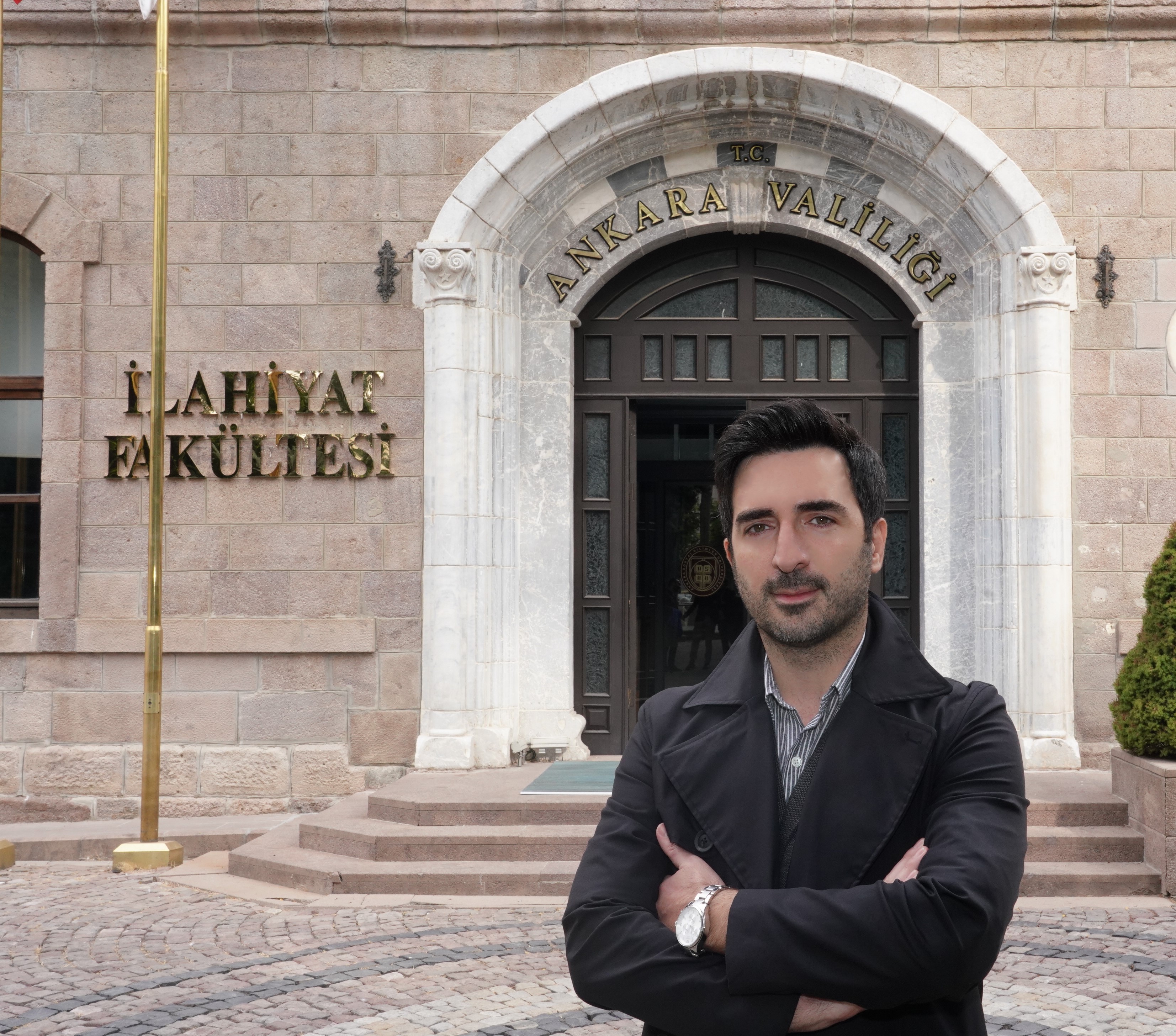
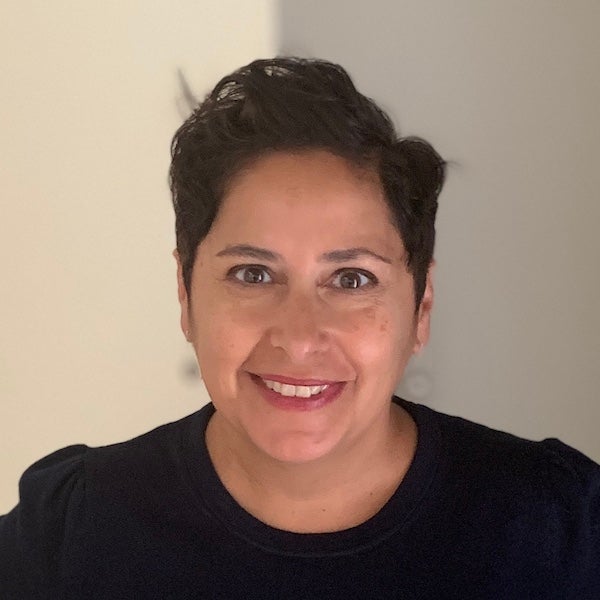
Hanna Kusterer serves as a Social Work Researcher in the collaborative Samverkan Gävleborg 2022 project while concurrently holding a lecturer position in organization and leadership at Stockholm University's Department of Pedagogy and Didactics. Her academic work bridges theoretical pedagogy with practical social interventions, focusing on vulnerable populations within the Swedish welfare system. She maintains active research collaborations across municipal agencies and academic institutions, particularly in eastern Sweden. Her research program critically examines how structural and relational dynamics shape social inclusion, with core expertise in migrant labor market integration, domestic violence systems, and organizational responses to gender-based violence. Kusterer employs qualitative methodologies to investigate how low-educated migrants navigate public employment services, revealing how contextual factors like health status and institutional encounters create barriers to employability. Her work consistently highlights intersectional vulnerabilities while proposing collaborative service models that integrate health, employment, and social support systems. Analysis of her publication trajectory since 2017 demonstrates deepening specialization in migration studies, with 80% of recent output addressing migrant integration challenges. The longitudinal nature of projects like 'Tre år senare' (2024) shows her commitment to tracking real-world outcomes, while organizational learning frameworks applied to female genital mutilation prevention (2023-2024) reveal methodological innovation. Her scholarship consistently connects micro-level migrant experiences to macro-level policy critiques, particularly regarding activation paradigms in Nordic welfare states. Kusterer's primary operational base is the Samverkan Gävleborg initiative, a multi-agency partnership in Gävleborg County where she leads research on collaborative violence prevention. This project involves municipal social services, healthcare providers, and NGOs developing coordinated protocols for detecting and responding to domestic violence and female genital mutilation. Her team employs action research methods to transform professional practices through shared learning cycles, directly influencing local service delivery models while generating transferable organizational insights.