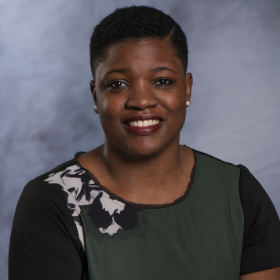
Dr. Martha Putallaz is a Professor of Psychology and Neuroscience at Duke University, bridging clinical and developmental psychology. Her research examines the mutual influence of parents and peers on children's social competency, relationships, and psychopathology, with special focus on peer rejection and aggression dynamics among girls. Her investigations span social knowledge transmission within families, peer group adaptation, and longitudinal outcomes of gifted children through the Duke Talent Identification Program. Recent work explores peer victimization contexts, academic giftedness in social hierarchies, and genetic associations with high intelligence. Her publication trends reveal methodological diversity including genome-wide studies, multi-informant assessments, and cross-cultural examinations of aggression patterns, consistently intersecting developmental psychology with educational exceptionality.
Eyal Amir is an Associate Professor at the University of Illinois at Urbana-Champaign, specializing in Artificial Intelligence with a focus on probabilistic reasoning, machine learning, and multi-agent systems. His work integrates formal logic, game theory, and cognitive science to address challenges in social dynamics, robotics, and educational technology. Research interests include deception detection in social games, bullying analysis through computer games, and scalable inference methods for complex systems. His contributions span theoretical advancements in relational Kalman filtering, lifted inference, and probabilistic modeling, alongside applied projects in environmental monitoring and behavioral interventions. Notable contributions include developing game-based methods for studying bullying and cyberbullying, real-time anomaly detection systems, and foundational work on logical filtering and knowledge representation. While no formal awards are listed here, his extensive publication record reflects impactful contributions to AI and interdisciplinary research. Eyal's advising and grant activities are not explicitly detailed in the provided text, but his research often involves collaborations across computer science, psychology, and engineering domains. No lab or team affiliations are specified in the current data.
Michelle Inness is an Associate Professor in the Department of Strategy, Entrepreneurship and Management and Associate Dean, Undergraduate Office at the Alberta School of Business, University of Alberta. Her research examines work and well-being, occupational health and safety, workplace aggression, employee resilience, meaningful work, workplace safety, and political psychology at work. Her influential publication on supervisor-targeted aggression employs innovative within-person methodologies to understand aggression dynamics. Current research investigates alcohol's role in workplace aggression, inclusion norms for women in STEM, and transformational leadership's impact on employee voice and safety. Teaching focuses on management, performance management, leadership, and ethics. Administrative responsibilities include oversight of undergraduate programs as Associate Dean. Publication trends demonstrate sustained examination of workplace psychological experiences, including aggression, justice, leadership influences, and identity dynamics, with methodological innovation in research designs capturing within-person variation.
Linda Wänström is an Associate Professor and Docent at Linköping University, affiliated with the Division of Statistics and Machine Learning (STIMA) within the Department of Computer and Information Science (IDA). Her work focuses on professional self-efficacy in educational and healthcare contexts, cognitive development trends, and bullying dynamics. She contributes to the STIMA division's research on data science and statistical methodologies, including the international master's program in Statistics and Machine Learning. Her research explores how educational and healthcare professionals develop resilience through training programs, with a particular interest in moral disengagement mechanisms and their impact on bullying behaviors. Recent studies address the Flynn Effect's implications for cognitive aging and intergenerational comparisons, as well as teacher efficacy and student well-being in Swedish education systems.
Dr. Patrick R. Harrison is a Teaching Associate Professor and Director of Instructional Development in the Department of Psychology and Neuroscience at the University of North Carolina at Chapel Hill . He holds a Ph.D. and M.A. in Social Psychology from Loyola University, and a B.S. in Psychology (summa cum laude) from Aquinas College. His research focuses on positive psychology , intergroup relations , well-being , and pedagogical methodologies , particularly in quantitative research training. He has been recognized with prestigious teaching awards including the Psi Chi Award for Teaching Excellence (2017-2019) and the Chapman Family Teaching Award (2023). Dr. Harrison teaches courses such as Statistical Principles of Psychological Research , Graduate Statistical Methods , and Prejudice, Stereotyping, and Discrimination . His research spans topics like community violence impacts, asthma interventions, and mental health in marginalized populations. He has published on neurotechnology in education, urban youth aggression, and the role of hope and optimism in psychological well-being. His teaching philosophy emphasizes making challenging subjects like statistics accessible and engaging, earning him acclaim for bridging academic rigor with student-centered learning. He has also contributed to programs addressing health disparities in diabetes and asthma management among underserved communities.
Dr. Marisa Smith is an Assistant Professor in the Department of Advertising + Public Relations at Michigan State University (MSU), with a courtesy appointment in the Department of Political Science. She is affiliated with the College of Communication Arts & Sciences and the Health and Risk Communication Center. Her research focuses on race, identity, and digital media ecosystems, examining how racialized topics are framed in media and their impact on political decision-making and civic engagement. She employs computational social science methodologies to study disinformation, polarization, and the intersection of race and political communication. Her work integrates critical perspectives on digital information environments, disinformation narratives, and the role of platforms in shaping racial discourse. Recent publications explore topics like the Black Right's digital influence, critical race theory in disinformation, and the #BlackLivesMatter movement's media framing. Smith’s research emphasizes the societal implications of media consumption, including health inequities, activism, and self-representation in social platforms. While no scientific awards are explicitly listed, her contributions to political communication and computational social science are evident through her prolific publications in journals like Political Communication and New Media & Society . She advises students in interdisciplinary areas but no named advisees are provided. Her lab affiliations and collaborative projects underscore her commitment to addressing contemporary challenges in media, race, and democracy.
Dr. Carol Pert is an Honorary Senior Lecturer in the School of Health and Wellbeing at the University of Glasgow, affiliated with the College of Medical Veterinary and Life Sciences. Her research focuses on mental health interventions, particularly cognitive behavioral therapy (CBT) and behavioral activation, tailored for individuals with intellectual disabilities. She has extensively studied aggression, well-being, and obesity management in this population. Pert has collaborated on projects addressing pandemic-related mental health support, weight management programs, and the social dynamics affecting individuals with intellectual disabilities. Her work emphasizes understanding therapeutic interactions, caregiver perceptions, and the design of effective interventions. Key contributions include evaluating self-help booklets during the pandemic, analyzing staff expectations of CBT efficacy, and investigating interpersonal conflict resolution strategies. Pert's research bridges clinical psychology with disability studies, advocating for contextually appropriate care. Publications span from 2001 to 2022, covering topics like aggression attribution, accelerometer validation for activity measurement, and caregiver knowledge gaps about healthy lifestyles. She has contributed to both qualitative and quantitative studies, often collaborating with interdisciplinary teams.
Tristen Ng is a Clinical Lecturer at the UWA Medical School, specializing in Internal Medicine at The University of Western Australia. His research focuses on dermatology, allergy and immunology, and emergency medicine. Education: BSc/MD from Western Australia Ng's work addresses acute dermatological reactions, including drug-induced eosinophilia and systemic symptoms (DRESS), kava toxicity, and pediatric dermatology in emergency settings. His recent publications highlight collaborations with dermatopathologists and emergency medicine specialists. His research output emphasizes cutaneous manifestations of systemic diseases, drug hypersensitivity, and epidemiological trends in dermatological emergencies, contributing to advancements in clinical diagnostics and patient care. Scientific collaborations and readership metrics indicate emerging influence in dermatopathology and allergy research, with citations centered on inflammatory skin disorders and drug reactions.
Matthew Salomon is an Assistant Professor of Clinical Cancer Biology and Director of the Master's in Translational Biomedical Informatics at the University of Southern California. His research focuses on cancer biology, immunology, and metabolic dysfunction, with a particular emphasis on liver diseases, epigenetic regulation, and translational biomedical informatics. He investigates mechanisms underlying metabolic disorders such as steatotic liver disease and metabolic dysfunction-associated steatohepatitis (MASH), leveraging cellular models and genomic approaches. His work also explores tumor microenvironments, immune responses in chronic infections (e.g., HCV), and therapeutic resistance in cancers like triple-negative breast cancer. Salomon directs a program training students in applying computational and systems biology methods to clinical problems. Key research areas include chromatin regulation in aggressive tumors, fibroblast subpopulation dynamics in eosinophilic esophagitis, and neutrophil-driven inflammation in SARS-CoV-2 pathogenesis. He has contributed to developing predictive biomarkers for immunotherapy responses and gene expression classifiers for cancer subtyping. His interdisciplinary approach bridges basic science and clinical translation, addressing challenges in precision medicine and disease progression modeling.
Prof. Dr. Hans Koot is a Visiting Professor at the Faculty of Behavioural and Movement Sciences at Vrije Universiteit Amsterdam, affiliated with the Department of Clinical Developmental Psychology and APH - Mental Health. His research focuses on adolescent psychology, autism spectrum disorder, child mental health, and intervention programs. Koot has published over 446 works, including studies on aggression moderation, anxiety/depression scales, and cultural influences on youth mental health. He has supervised 35 PhD theses and received an award for research on emotional competence in children with autism. His work contributes to UN Sustainable Development Goals related to mental health and well-being. Research Interests: Koot’s research emphasizes longitudinal studies on behavioral and emotional problems, intervention efficacy, and societal/cultural factors affecting child development. Key areas include normative influences on aggression, cross-cultural comparisons of mental health, and the impact of parental education on child outcomes. Articles Overview: Recent work includes studies on trauma screening in children, differential susceptibility to family risk in Kenyan youths, and cross-cultural assessments of youth mental health. His publications analyze the role of contextual factors like parenting styles and school environments in shaping child behavior. Awards: He received the Emotionele competentie van kinderen met autisme spectrum stoornissen award in 2008, recognizing his contributions to autism research. Advising & Grants: Koot has supervised 35 PhD students and collaborated on grants exploring mental health interventions for marginalized populations, such as young people living with HIV in Kenya. His research often bridges clinical practice and public health policy. Labs & Teams: Engaged in interdisciplinary collaborations, including studies on neonatal outcomes in Kilifi, Kenya, and the development of interactive assessments for autism spectrum disorder.
Daniella Louise Jones is a Postgraduate Research Student at the University of Surrey's School of Psychology, specializing in the Brain and Behaviour section. Her work focuses on hormonal influences on brain chemistry, particularly post-menopause, and the cognitive impacts of anxiety. She employs neuroimaging techniques like magnetic resonance spectroscopy (MRS) and electroencephalography (EEG) to explore these topics. Her research also extends to healthcare challenges faced by young adults with terminal cancer and predictive tools for aggression in secure psychiatric settings. Education: Pursuing a PhD at the University of Surrey. Key research interests include the role of oestrogen in mediating brain metabolites, feedback-based learning in anxiety disorders, and optimizing palliative care for young adults. Her studies often involve interdisciplinary collaboration, such as analyzing clinical data from multiple healthcare perspectives. Her publications highlight methodological rigor, combining quantitative approaches (e.g., MRS analysis) with qualitative insights (e.g., interviews with patients, families, and healthcare professionals). Notably, her 2023 work underscores the underrepresentation of women in neuroscience research and the potential of hormone replacement therapy (HRT) to address brain ageing. Though no explicit awards are listed, her contributions reflect engagement with pressing issues in mental health and oncology care. She has collaborated on projects addressing systemic challenges in healthcare delivery and professional burnout.
Professor Peter Cameron is a leading academic and clinician in emergency and trauma medicine at Monash University's School of Public Health and Preventive Medicine. He serves as Director of The Alfred Emergency Academic Centre and holds leadership roles in national registries such as the Victorian State Trauma Registry and the Burns Registry of Australia and New Zealand (BRANZ). His research focuses on trauma systems, resuscitation, and emergency care innovation, with over 700 peer-reviewed publications. Professor Cameron has led 80+ research projects, including NHMRC grants and collaborations on global health initiatives. Key areas of expertise include disaster preparedness, telemedicine, and translational research. He has contributed to international organizations like the Australasian College for Emergency Medicine and the International Federation for Emergency Medicine. Awards include the NHMRC Fiona Stanley Synergy Grant (2019) for blood transfusion research. Recent work emphasizes virtual emergency care models, trauma outcomes in elderly populations, and pandemic response strategies. His projects address clinical quality improvement, resource optimization, and global health equity through partnerships in the Asia-Pacific region.
Prof Danny Hills is an Adjunct Professor at Monash University's School of Nursing and Midwifery. He holds concurrent roles including Adjunct Professor at Federation University Australia and Honorary Associate Professor at Deakin University. With extensive clinical, managerial, and educational experience in mental health and clinical governance, his research focuses on aged care services, workforce development, workplace aggression, and interdisciplinary design for healthy ageing. He contributes to UN Sustainable Development Goals related to health and well-being. Education and Professional Background: Prof Hills has held academic roles across multiple institutions including University of Canberra (2016–2019), Federation University Australia (2018–2023), and Deakin University (2014–2020). His professional memberships include the Australian Association of Gerontology (Fellow/Distinguished Member), Australian College of Nursing, and Australian Primary Health Care Nurses Association. Research Interests: Prioritizes health workforce dynamics, aged care innovation, mental health promotion, and cross-cultural design solutions for ageing populations. Recent projects include studies on telehealth in palliative care and workplace incivility prevention. Key Collaborations: Active in multidisciplinary projects such as Singapore-inspired healthy ageing design initiatives and integrated care process improvements funded by the Australian Department of Health and Aged Care. Awards and Recognition: Recognized as a leader in gerontology through his AAG fellowships and professional contributions to nursing practice.
David Cheng is an Associate Professor in the Research School of Management at The Australian National University. Previously an accountant and systems analyst, his research focuses on leadership strategies to enhance employee performance and well-being. His work has garnered awards from the Australian and New Zealand Academy of Management and media coverage in outlets like the BBC and TIME. He is also a dedicated educator, recognized for teaching excellence across undergraduate, postgraduate, and executive programs. His research explores emotional expression in leadership, workplace humor, and boundary management in the digital age. Notable contributions include studies on how leaders' laughter influences team dynamics and the role of humor in mitigating work-life conflict. He has collaborated on projects addressing cyber-security workforce needs and human resource systems optimization. Key Research Themes: Leadership Emotional Expression Workplace Stress Management Humor as a Resilience Tool Work-Life Integration Awards: Australian and New Zealand Academy of Management Research Awards Teaching Excellence and Course Management Recognition Grants & Projects: Deliberately Differentiated Package Research Program (2022-2024) Human Resource Systems for Cyber-Security Workforce (2019) David’s work bridges theory and practice, with practical insights for organizations to foster healthier, more productive work environments.
Isobel Johnston is a Research Fellow in Criminology at the University of Manchester. She currently works as a Research Associate on the NIHR-funded ADVANCE programme, a digital perpetrator intervention project aimed at reducing domestic abuse by men who misuse substances. In this role, she collaborates with colleagues across the Universities of Manchester, Kings College London, Edinburgh, and Cardiff to collect and analyze data from men serving community sentences and their current or ex-partners. Her primary research interests focus on improving forensic mental health care and outcomes of offending behaviour interventions, with particular emphasis on therapeutic relationships between clinicians and service users. More broadly, she specializes in qualitative methodologies and innovative approaches to involving experts by experience in research design, analysis, and co-production. Her work contributes to UN Sustainable Development Goals related to health and well-being. Ms. Johnston has extensive experience leading process evaluations on complex multi-site intervention studies, including the NIHR-funded EDITION (enhancing de-escalation techniques in adult acute and forensic services) and TULIPS (Talk, understand, listen in inpatient settings) projects. Her research profile shows consistent publication output with articles appearing as recently as 2025. Graduate Member of the British Psychological Society (Division of Forensic Psychology) She completed her Master in Science in Forensic Psychology and Mental Health at the University of Manchester in July 2022. Prior to and during her academic studies, she gained practical experience across acute, PICU and forensic inpatient psychiatric settings and substance detoxification centres where she worked in support roles.