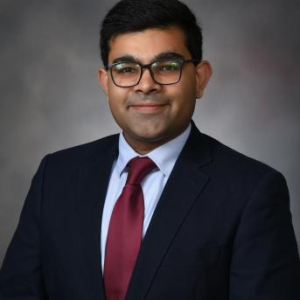
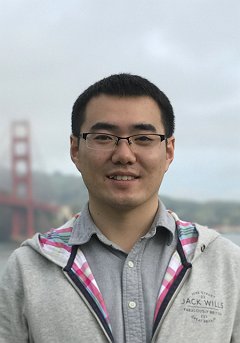
Dr. Xing Fang is a Lecturer in Marketing at the School of Business and Management, Royal Holloway, University of London. Prior to joining RHUL, he held a Visiting Assistant Professor role at Tulane University. His research focuses on data-driven approaches in recommendation systems, customer journey analysis, online retailing, and influencer marketing, with a particular emphasis on leveraging quantitative methods to understand consumer behavior in digital environments. Key research areas include: Recommendation Systems Customer Journey Online Retailing Influencer Marketing Marketing Analytics Consumer Behavior Recent publications explore speech act strategies in influencer marketing, information cues in recommender systems, and data-driven approaches to targeted referral programs. His work spans both theoretical and applied studies, addressing critical aspects of digital marketing and consumer analytics. Collaborators include researchers such as Shangkun Shin, Xingyu Huang, Soo Kim, and Puneet Chintagunta. Dr. Fang teaches courses on Marketing Management, Strategic Marketing, and Marketing Analytics, integrating his research into practical applications.
Dr. Joel Gelman is a Clinical Professor in the Department of Urology at the University of California, Irvine School of Medicine. He serves as the Director of the Center for Reconstructive Urology at UCI Medical Center, where he has been a faculty member since 1998. Dr. Gelman is a world-renowned expert specializing in male urethral and penile-genital reconstructive surgery with over 1,400 reconstructive procedures performed throughout his career. Dr. Gelman's educational background includes undergraduate studies at Indiana University, medical school at the Medical College of Ohio, residency training at Indiana University and UCLA, and fellowship training in reconstructive surgery at the Devine Center in Norfolk, Virginia. Prior to joining UCI, he served on the faculty at Albert Einstein College of Medicine in New York and Ohio State University. Dr. Gelman's research focuses on advanced urological reconstructive techniques, with particular expertise in urethral stricture disease, Peyronie's disease, hypospadias repair, and erectile dysfunction including penile implant surgery. His clinical practice is exclusively dedicated to male urethral and genital reconstructive procedures, making him one of the most specialized surgeons in this field. His publication record demonstrates consistent contributions to the advancement of reconstructive urological techniques, with particular emphasis on improving surgical outcomes and patient satisfaction. Dr. Gelman is a Diplomat of the American Board of Urology and has served on the Board of Directors of the Society of Genitourinary Reconstructive Surgeons. His editorial contributions to major urological journals reflect his standing as a thought leader in the field of reconstructive urology. As Director of the Center for Reconstructive Urology, Dr. Gelman leads a specialized clinical program focused on complex male genitourinary reconstruction. His work has established the center as a referral destination for challenging reconstructive cases, attracting patients from across the country seeking his expertise in procedures that few surgeons perform with similar frequency and success.
R. Lawrence Van Horn is an Associate Professor of Management, Law, and Health Policy at the Owen Graduate School of Management, Vanderbilt University. He directs the Center for Healthcare Market Innovation and holds courtesy appointments in the medical and law schools. His research focuses on consumer-driven healthcare markets, nonprofit governance, and price transparency. Van Horn has advised the White House on healthcare price transparency, co-directs the Nashville Healthcare Council Fellows Program with Senator Bill Frist, and serves on multiple healthcare company boards. Education includes a Ph.D. from the Wharton School (1997), an MBA and MPH from the University of Rochester (1992 and 1990). His work appears in journals like the Journal of Health Economics and New England Journal of Medicine. He has consulted with major hospitals and insurers on antitrust and data analysis, and his research influenced the 2019 Executive Order on healthcare price transparency. Professional roles include board memberships at Community Health Care Realty Trust (NYSE: CHCT), Savida, and Harrow Health. Beyond academia, he manages a cattle farm in Tennessee.
Kurt Hager is an Assistant Professor in the Division of Epidemiology, Department of Population and Quantitative Health Sciences at UMass Chan Medical School. He holds a BA in Sociology from St. Olaf College, an MS in Food Policy from Tufts University, and a PhD in Public Health. His research focuses on structural determinants of health, food insecurity, and government nutrition programs. He evaluates programs like the Flexible Services Program addressing food/housing insecurity under Medicaid's Section 1115 Waiver. His work includes quasi-experimental studies, policy modeling, and economic evaluations. Dr. Hager's policy engagement includes roles at Harvard Law School’s Center for Health Law and Policy Innovation, the Aspen Institute's Food is Medicine Research Action Plan, and the Task Force on Hunger, Nutrition and Health. He currently chairs the National Produce Prescription Collaborative and serves on the American Heart Association's Food Cost Effectiveness Task Force. His research highlights the impact of nutritional interventions on chronic diseases, with recent studies on produce prescriptions and medically tailored meals. Publications analyze Medicaid policy impacts, emergency department referrals, and legal barriers to food security programs. He collaborates with institutions like the American Heart Association and the National Produce Prescription Collaborative to translate science into evidence-based policy.
Armaghan-e-Rehman Mansoor, MBBS, serves as an Assistant Professor in the Department of Internal Medicine within the Infectious Disease division at the University of Kentucky College of Medicine. His academic appointment spans both the Department of Internal Medicine and the Infectious Disease specialty unit, where he contributes to clinical care, research, and likely teaching missions in complex infectious disease management. Dr. Mansoor's research program centers on antimicrobial stewardship with specialized expertise in cardiac device-related infections (particularly endocarditis), invasive fungal infections, antimicrobial resistance epidemiology, and outpatient parenteral antimicrobial therapy (OPAT) program optimization. His work emphasizes evidence-based interventions to improve antimicrobial use and patient outcomes through multidisciplinary collaboration across cardiology, transplant medicine, and critical care settings. Analysis of his 15 most recent publications (2024-2025) reveals consistent focus on outcomes research in device-associated infections (LVADs, transplants), antimicrobial stewardship implementation for urinary tract infections and neutropenic fever, and rigorous evaluation of OPAT program metrics. His studies frequently employ multicenter retrospective designs to address pressing clinical questions in immunocompromised and critically ill populations, with particular attention to translating findings into practical stewardship initiatives that combat antimicrobial resistance.
Bente Heggem Kojan is a Professor at the Norwegian University of Science and Technology (NTNU), affiliated with the Department of Social Work within the Faculty of Social and Educational Sciences. She serves as Coordinator for the PhD program in Social Science (specialization in Social Work) and as Chairperson of NORWEL, the Norwegian Research School in Social Work and Child Welfare. Her research focuses on social policy, inequality, and social justice, with a particular emphasis on the efficacy of child welfare systems in addressing the needs of marginalized families and children. Prior to academia, she practiced as a social worker in public services like habilitation, child welfare, and social security. Her key research projects include the Child & Family Welfare Lab (FAMWEL), studies on child welfare responses to violence and abuse, and the impact of socioeconomic status on family-child welfare system interactions. She leads or contributes to research groups such as the Centre of Child Protection Research and Innovation and the EU COST Action 18123 European Family Support Network. Her work often explores systemic inequities, policy reforms, and the intersection of social class with welfare system outcomes. Publications highlight her analysis of Nordic and international child welfare systems, including comparative studies with Australia and Norway. Her writing emphasizes structural barriers faced by low-income families and the role of mixed-methods approaches in understanding child welfare dynamics. She has authored influential texts like Beslutninger i barnevernet and contributed to policy discussions on reforming child welfare practices to better address socioeconomic disparities. Her advisory roles include managing projects funded by the Koronakommisjonen and overseeing grants exploring post-pandemic challenges for vulnerable children. Collaborations with international networks and her editorial work in journals like Nordisk tidsskrift for livskvalitet og bærekraftig velferdsutvikling underscore her global influence in shaping social work and child welfare discourse.
Dr. Naomi Norton serves as Lecturer in Music Education at the University of York's School of Arts and Creative Technologies, where she concurrently holds leadership positions as School Wellbeing Lead, Musicians' Health and Wellness Coordinator, and Chair of the Musicians' Health and Wellness Group. Her professional mission centers on eliminating barriers to musical proficiency related to health, socioeconomic status, and wellbeing, driving her multifaceted career in teaching, research, consultancy, and performance. Dr. Norton's academic foundation includes a BA in Music (2011) and MMus in Applied Psychology of Music (2012, Santander scholarship) from the University of Leeds, followed by AHRC-funded doctoral research at the Royal Northern College of Music (validated by Manchester Metropolitan University, 2016). Her dissertation examined health promotion in instrumental/vocal lessons from UK teachers' perspectives. BA in Music (2011), University of Leeds MMus in Applied Psychology of Music (2012), University of Leeds PhD in Music (2016), Royal Northern College of Music / Manchester Metropolitan University Her research program critically investigates intersections between music education, health psychology, and behavioral science, with particular emphasis on teacher perspectives in health promotion. She pioneers applications of frameworks like the Behaviour Change Wheel to develop evidence-based wellness strategies for musicians, addressing physical, mental, and occupational health dimensions across educational and professional contexts. This work consistently challenges systemic barriers to musical participation while advancing pedagogical approaches that integrate wellbeing into core music training. Analysis of her publication record (2014-2021) reveals evolving scholarship from foundational demographic studies of UK music teachers toward practical implementation of health promotion models. Key thematic threads include teacher health status, interdisciplinary collaboration models, and curriculum-integrated wellness education, with increasing focus on ensemble settings and behavioral change methodologies. This trajectory demonstrates growing influence in establishing health promotion as essential infrastructure within music education ecosystems. Dr. Norton has secured competitive research funding including an Arts and Humanities Research Council grant for doctoral studies and Santander scholarship support for her Master's degree. Her teaching portfolio spans undergraduate BA Music modules (Musicians' Health and Wellness, Creative and Professional Practice) and postgraduate instruction across MA Music Education, MA Community Music, and MA Vocal Studies pathways, where she specifically teaches Instrumental/Vocal Teaching and Group Teaching Leadership. Professionally, she contributes to the International Society for Music Education as committee member for the Music Health and Wellness Special Interest Group, while leading institutional change through York's Musicians' Health and Wellness Group to coordinate cross-departmental wellbeing initiatives for students and staff.
Professor Andrew Lymer holds the Chair in Taxation and Personal Finance at Aston University , where he also serves as Head of the Department of Accounting and Finance and Director of the Centre for Personal Financial Wellbeing (CPFW) . With visiting appointments at the University of South Africa and Massey University , he chairs the Tax Research Network and has led projects across 15 countries. Research Focus: Intersections of UK/international taxation policy, personal financial capability, poverty alleviation strategies, and health-finance linkages Key Collaborations: Aviva Foundation, Money and Pensions Service, Birmingham City Council, NEST Insight, CREME Recent Projects: EMPOWER (ethnic minority entrepreneurship), Real Accounts (long-term financial diaries), Harmful Gambling interventions Academic Contributions: Co-author of the UK's leading tax textbook Taxation: Policy & Practice and the 2023 Taxation and Social Policy primer. His work has influenced national policy frameworks through the UK Government's 2030 financial wellbeing strategy.
Leslie K. John is the James E. Burke Professor of Business Administration at Harvard Business School , where she conducts behavioral science research on decision-making, privacy, and health behaviors. Her work bridges psychology, marketing, and public policy. Harvard Business School Behavioral Scientist Consumer Psychology Health Policy Consultant Research Interests include: Privacy Decision-Making: Understanding motivations for personal data sharing with firms and employers. Health Behavior: Designing psychological interventions for weight loss and reduced sugary drink consumption. Marketplace Irrationality: Exploring cognitive biases in organizational and consumer contexts. Publication Trends show interdisciplinary work spanning behavioral economics, psychology, and health policy with repeated collaborations across institutions. Key themes include incentive design, disclosure mechanics, and cognitive bias exploitation. Scientific Awards : Wired Innovation Fellow Association for Psychological Science awards Marketing Science Institute recognition Professional Activities include corporate consulting (Goldman Sachs, J.P. Morgan, Commonwealth Bank), keynote speaking on behavioral economics, and teaching material development for Harvard Business School cases.
Jason Owen-Smith is a Professor of Sociology at the University of Michigan, with affiliations in the Organizational Studies Program. Since 2002, he has explored intersections between science, commerce, and law through research on high-technology industries, academic science commercialization, and stem cell research politics. Ph.D. in Sociology from the University of Arizona (2000) M.A. in Sociology from the University of Arizona B.A. in Sociology and Philosophy from New College of Florida His research investigates how organizations and networks drive innovation while maintaining institutional stability. Publications span American Journal of Sociology , Nature Biotechnology , and Research Policy , focusing on: Network dynamics and technological change Commercialization of academic research Science policy and intellectual property Regional economic development in biotech Healthcare delivery and physician collaboration STEM workforce economics Recent work emphasizes AI's economic impact, data infrastructure for science policy, and network analysis in healthcare. His publications reveal interdisciplinary engagement with computer science, economics, and clinical studies. National Science Foundation CAREER Award Henry Russel Award for mid-career scholarship and teaching Alfred P. Sloan Fellowship in Biotechnology Studies As Interim Director of the Organizational Studies Program (2010–present) and Barger Leadership Institute affiliate, he bridges sociological theory with practical leadership frameworks. Office: Weiser Hall, Suite 800 | Contact: jdos@umich.edu
Dr. Anna Sidis is a Senior Lecturer at the University of Wollongong's School of Psychology within the Faculty of the Arts, Social Sciences and Humanities. With over 20 years of clinical experience as a Clinical Psychologist specializing in youth mental health, she holds dual appointments as both Senior Lecturer and Deputy Director of Postgraduate Psychology Programs (since January 2024). She serves as Chair of the Social Sciences Human Research Ethics Committee, demonstrating significant institutional leadership. Her educational background includes a Doctorate of Clinical Psychology (2001-2004) and Bachelor of Arts (Hons) from the University of Sydney. Her teaching portfolio spans undergraduate and postgraduate programs covering Family Therapy, Narrative Therapy, Psychosis assessment, Suicide Prevention, Grief counseling, and Critical Psychology. Dr. Sidis' research focuses on dialogical and community approaches to mental health care, with particular expertise in co-production methodologies, qualitative research, and critical psychology. Her work addresses critical areas including youth mental health, early psychosis intervention, suicide prevention, bereavement support (especially cancer-related grief), and service user involvement in care design. Analysis of her 22 publications reveals consistent emphasis on qualitative methodologies, therapist-client interaction dynamics, and innovative service delivery models like Open Dialogue. Her funded research includes projects examining barriers to mental health access for youth with co-morbid substance use, dialogical therapy implementation ('Always opening and never closing' grant), and community-based suicide prevention initiatives. She actively supervises five higher degree research students working on topics ranging from virtual reality exposure therapy to sports-based suicide prevention. Barriers to access and engagement of young people with co-morbid substance use (2022-2024) 'Always opening and never closing' dialogical therapy study (2022) Innovation and Evaluation Grant for youth mental health access (2022) Dr. Sidis maintains active clinical research networks through her role as Deputy Director of Postgraduate Programs and Ethics Committee leadership, while her 15 most recent publications demonstrate growing international impact with citations across multiple platforms including Wikipedia references and social media engagement.
Martin Rainer Kolb is a Professor of Medicine at McMaster University's Faculty of Health Sciences, specializing in Interstitial Lung Diseases (ILD) and General Respirology at St. Joseph's Healthcare Hamilton. He serves as Section Editor for ILD in the European Respiratory Journal, one of the top journals in respiratory medicine with an impact factor of 24.9, having previously served as Chief Editor. Dr. Kolb's research focuses on mechanisms of lung injury, repair and fibrosis, particularly in Idiopathic Pulmonary Fibrosis (IPF). His work spans pre-clinical studies of disease mechanisms, efficacy of novel drugs, and biomarker development for lung fibrosis. He actively leads international and national ILD clinical trials as Principal Investigator and Steering Committee member. His scholarly output shows a strong focus on progressive pulmonary fibrosis, with recent publications examining CT patterns, biomarkers, macrophage polarization, drug treatments like nintedanib, and patient pathways in ILD. His work demonstrates a consistent trajectory from basic mechanisms to clinical applications in fibrotic lung diseases. Dr. Kolb has received significant recognition including election to the Canadian Academy of Health Sciences and awards from the Parker B. Francis Families Foundation, Canadian Institute for Health Research, and the National Institute for Health. Parker B. Francis Families Foundation Award Canadian Institute for Health Research Award National Institute for Health Award Fellow of the Canadian Academy of Health Sciences With over 300 peer-reviewed publications, Dr. Kolb maintains an active research program that bridges basic science and clinical applications in pulmonary fibrosis. His leadership extends to journal editorial roles and multicenter clinical trials, significantly influencing the field of interstitial lung disease research and treatment.
Larissa J Mooney is a Clinical Professor in the Department of Psychiatry and Biobehavioral Sciences at the University of California, Los Angeles (UCLA) School of Medicine. Her research and clinical work focuses on substance use disorders, with particular expertise in opioid use disorder, methamphetamine use disorder, and cannabis use disorder. She has received multiple NIH grants as a Co-Principal Investigator for studies related to addiction treatment and behavioral interventions. Dr. Mooney's research interests center on developing and evaluating interventions for substance use disorders, with a strong emphasis on medication-assisted treatment, telemedicine applications in rural settings, and understanding the impact of social determinants of health on treatment outcomes. Her work explores how exercise interventions might affect neural function in methamphetamine users, how decision aids can improve medication treatment for opioid use disorder, and how functional outcomes change with reductions in cannabis use. She has made significant contributions to understanding the relationship between co-occurring mental health conditions and substance use disorders, and how these comorbidities affect treatment outcomes. Analysis of Dr. Mooney's recent publications reveals a strong focus on rural healthcare disparities in substance use treatment, telemedicine applications during and after the pandemic, and the impact of social determinants of health on treatment outcomes. Her work increasingly examines how to expand access to medication for opioid use disorder in primary care settings, particularly in underserved rural communities. There's also a clear emphasis on understanding demographic disparities in treatment outcomes and developing tailored interventions for special populations including youth and those with co-occurring disorders. Dr. Mooney has served as Co-Principal Investigator on multiple NIH-funded research projects including: Greater Southern California Node of the Clinical Trials Network (NIH UG1DA049435) Exercise in Methamphetamine Use Disorder: Dopamine Receptor Upregulation and Neural Function (NIH R01DA045162) Patient Decision Aid for Medication-Assisted Treatment for Opioid Use Disorder (NIH R33DA045844 and R21DA045844) Assessing Functional Outcomes Associated with Reductions in Cannabis Use (NIH R33DA042280 and R21DA042280) Her work has been widely disseminated through numerous publications in high-impact journals, and she collaborates extensively with researchers across multiple institutions including USC, UC Davis, and other UC campuses. Dr. Mooney is particularly active in translating research findings into clinical practice, with a focus on improving access to evidence-based treatments for substance use disorders in community settings.
Yuhong Nan is an Associate Professor in the School of Software Engineering at Sun Yat-sen University, China, specializing in software security and privacy leakage analysis for emerging platforms including IoT, mobile systems, and blockchain. Previously a Post-doctoral Research Associate at Purdue University under Prof. Dongyan Xu, she builds practical security tools to detect and mitigate vulnerabilities in real-world systems. Dr. Nan earned her PhD from Fudan University in 2018 supervised by Prof. Min Yang. Her academic journey spans rigorous research in security engineering with emphasis on empirical validation and tool development for complex platform ecosystems. Her research program focuses on uncovering systemic security flaws through innovative analysis techniques. Key contributions include vulnerability detection in smart contracts (e.g., state dependencies, reentrancy), privacy leakage analysis in mobile/IoT ecosystems, and countermeasures against deceptive UI patterns. She employs hybrid approaches combining static/dynamic analysis, machine learning, and large-scale empirical studies to develop deployable security solutions. Analysis of her 15 most recent publications (2023-2025) reveals dominant themes in blockchain security (60%), particularly smart contract/DApp vulnerabilities, with significant work in mobile privacy (30%) and cross-platform threats (10%). Her methodology consistently leverages fine-grained static analysis, semantic enrichment, and feedback-driven fuzzing, yielding tools like SmartAxe and Midas that have influenced industry practices. Dr. Nan actively mentors graduate researchers with 17 advisees including Tencent-employed graduates, and serves as a trusted reviewer for premier journals (IEEE TDSC, TMC, TOPS) and conference committees (ASIACCS, ICICS). Her leadership in security communities bridges academic research with practical defense mechanisms. At Sun Yat-sen University, she directs a high-output research group that collaborates with industry partners to address evolving threats in decentralized systems, maintaining her position among top publishing authors in USENIX Security, CCS, and NDSS venues through rigorous technical innovation.
Prof. Dr. Michaela Noreik serves as Professor in the Department of Nutritional Science at Niederrhein University of Applied Sciences, Mönchengladbach, where she teaches Interdisciplinary Casework, Planetary Health Diet, and Special Seminar in Nutrition Research. She directs the Laboratory for Nutritional Status and maintains active consultation hours for student engagement. Her educational foundation includes a Dr. rer. medic. in nutritional therapy evaluation from Universität zu Köln (2009-2012) and dual degrees in Oecotrophology (Fachhochschule Münster) and Nutrition and Dietetics (Fachhochschule Nimwegen, NL) completed between 2004-2008. Noreik's research centers on obesity interventions, geriatric nutrition, and sustainable dietary systems. She leads projects including OWL (Online Weight Loss programmes), CReDDI (dietary intervention metabolism studies), and SwapSHOP (digital grocery interventions). Her work bridges clinical practice with academic rigor, emphasizing evidence-based approaches to nutritional assessment and therapy standardization. Recent publications (2013-2021) reveal strong focus on digital health interventions for weight management, dietary approaches to type 2 diabetes, and nutritional implications in neurodegenerative conditions. Her methodology frequently employs randomized controlled trials and systematic reviews, with growing emphasis on planetary health frameworks and sustainable food systems. Her scientific recognition includes: 2019 Award of Excellence for Consistent Outstanding Performance (Oxford University) Noreik has secured significant third-party funding for clinical studies in obesity and oncology during her Oxford tenure. Current student projects involve developing nutrition assessment databases and implementing mobee®360 digital platforms. She actively supervises interdisciplinary casework modules with healthcare disciplines. She established the Laboratory for Nutritional Status at Niederrhein University and previously built nutrition teams at St. Marien-Hospital Köln. Her international collaborations include Hogeschool van Arnhem en Nijmegen and Umeå University for planetary health initiatives, reflecting her commitment to transnational research networks.