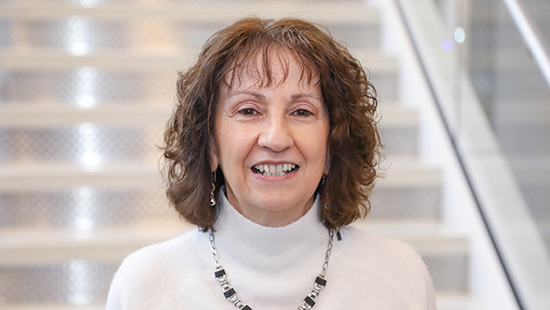
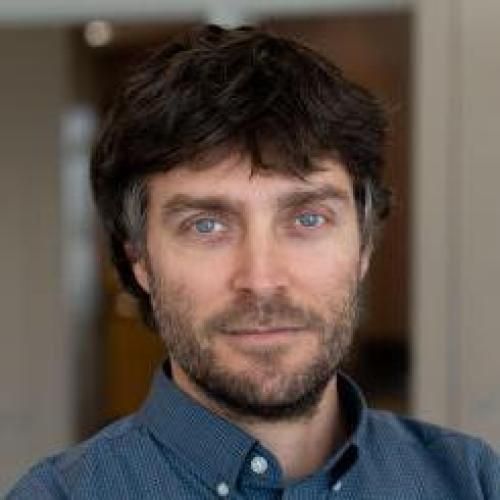
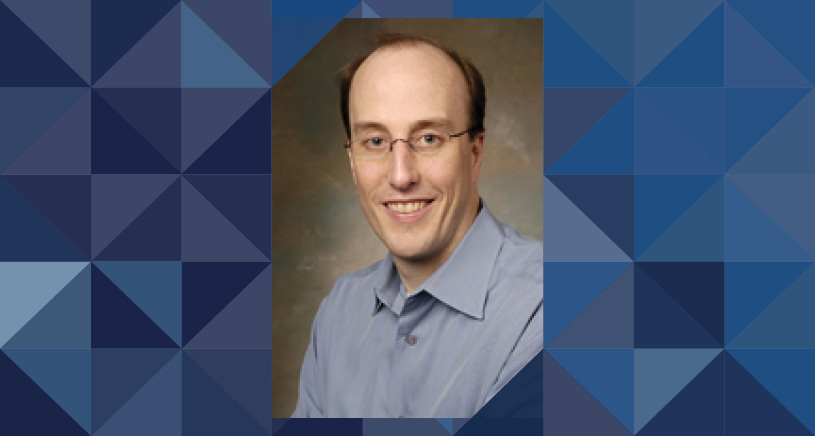
Professor Steven Lee is a leading figure in biophysical chemistry at the University of Cambridge , where he leads the TheLeeLab in the Yusuf Hamied Department of Chemistry . His research focuses on developing advanced single-molecule fluorescence and multidimensional super-resolution imaging techniques to probe fundamental biological processes at unprecedented spatial precision. Developed novel super-resolution microscopy approaches for 2D/3D visualization of T-cell membrane proteins and histone assembly in fission yeast nuclei Pioneer of 15-20nm resolution imaging strategies through fluorophore kinetics and image reconstruction algorithms Recipient of the 2017 Marlow Prize in Physical Chemistry , Lee's lab produces cutting-edge tools with applications in immunology , neurodegeneration , and cellular biophysics . His team maintains active collaborations with Prof Klenerman (FRS MedSci) and Prof Moerner (Nobel Chemistry 2014). Research Highlights : Molecular origins of immunity through T-cell membrane protein interactions 3D histone dynamics during DNA replication/repair Amyloid aggregate quantification for neurodegenerative disease diagnosis Volumetric imaging innovations via vLUME virtual reality platform
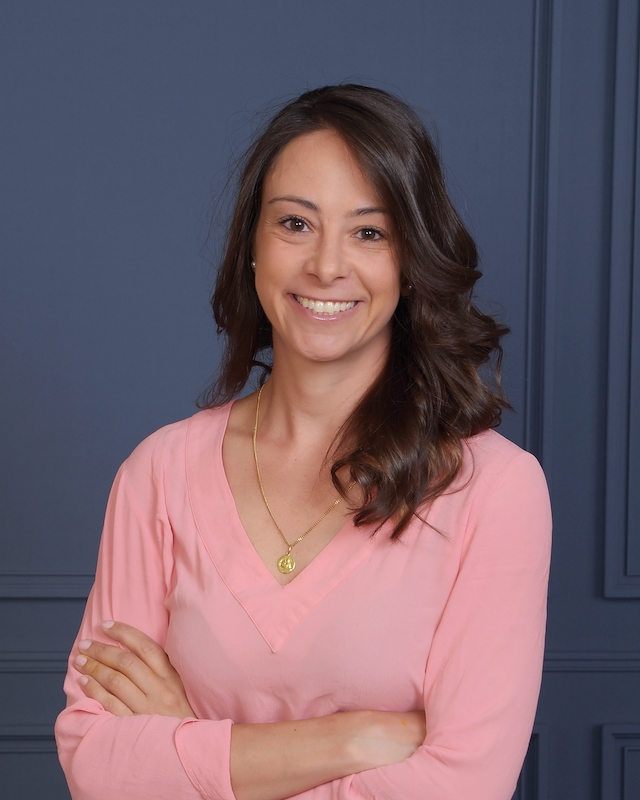
Julie Thornton is a Senior Lecturer in Biomedical Sciences at the School of Chemistry & Biosciences, University of Bradford. She is the Academic Director of the Centre for Skin Sciences and Academic Lead for the Plastic Surgery and Burns Research Unit (PSBRU), focusing on skin and hair biology, wound healing, and aging. Her research emphasizes epigenetic processes and 3D co-culture models. Education: Not explicitly detailed in the text. Her research spans cellular and molecular studies of skin and hair biology, particularly in post-menopausal women. She investigates wound healing, aging, epigenetic changes, and gene regulatory networks using primary human cells and 3D cultures. Her work also explores collaborations with industry partners like Aveda/Estee Lauder, Nutraceutical Wellness LLC, and Follicum AB. Recent publications highlight blue light therapy in wound healing, estrogen's role in skin aging, intracrine steroid synthesis, and hormonal effects on hair follicles. Scientific trends include hormone receptors (ERβ, AR), oxidative stress, and bioimaging for model validation. Students: Lucy Trevor (radiotherapy tissue), Rachael Sutherland-Sedman (hair follicle aging), Paul Norton (antimicrobial resistance), Aqib Ahmed (TET enzymes), Aaiad Al Rikabi (fibroblast inflammation). Industry collaborations span KTP Innovate UK with Labskin, Aveda/Estee Lauder (hair aging), Nutraceutical (hair thinning), and Follicum AB (hair loss and diabetes).
Adriana B Ferreira, MD, PhD is an Associate Professor in the Department of Cell and Developmental Biology at the Feinberg School of Medicine, Northwestern University. She leads the Adriana Ferreira Lab which focuses on understanding the mechanisms underlying neurite degeneration and synapse loss in neurodegenerative diseases, with particular emphasis on Alzheimer's disease. Dr. Ferreira is also affiliated with the Mesulam Center for Cognitive Neurology and Alzheimer's Disease and the Northwestern University Institute of Neuroscience (NUIN). Dr. Ferreira received her medical degree (MD) from the National University of Cordoba, Argentina in 1981, followed by a PhD in Neuroscience from the same institution in 1985. Her extensive postdoctoral training includes: Neuroscience at the School of Medicine, National University of Cordoba (1985) Neuroscience at the Insitituo de Investigacion Medica (1988) Biology at the University of Virginia (1991) Cell Biology at the Marine Biological Laboratory (1992) Neuroscience at Brigham and Women's Hospital Harvard Medical School (1993) Dr. Ferreira's research primarily investigates the relationship between beta-amyloid deposition and the progressive formation of dystrophic neurites and cell death in hippocampal neurons. Her current work assesses the role of tau in neuronal degeneration mechanisms, using culture and animal models of Alzheimer's disease along with various cell and molecular biology techniques. Her work has significant implications for understanding and potentially treating neurodegenerative disorders characterized by neurite degeneration and synapse loss. Analysis of Dr. Ferreira's recent publications reveals a consistent focus on tau protein fragmentation and its role in neurodegeneration. Her research has evolved from studying basic mechanisms of neurite outgrowth and cytoskeletal organization to investigating specific tau fragments (particularly tau45-230) and their contribution to Alzheimer's disease pathology. More recently, her work has expanded to examine RNA-mediated mechanisms of neurotoxicity, including Death Induced by Survival gene Elimination (DISE) pathways in Alzheimer's disease and aging. Dr. Ferreira has received numerous awards and honors throughout her career: Young Investigator Award, National Alliance for Research in Schizophrenia and Depression (2001) Young Investigator Award, National Alliance for Research in Schizophrenia and Depression (1999) Young Women Investigator, Signa Kappa Foundation (1998) International Fellowship, CONICET (1988) National Fellowship, CONICET (1983) Special Mention (Top of the Class), National University of Cordoba. School of Medicine (1982) Dr. Ferreira serves as a Review Editor for Frontiers in Neuroscience and has been an active member of the Argentinian Research Council (Biology and Medicine Areas) since 1996. She has also contributed to scientific review processes as a reviewer for the Ministry of Health and Consumer's Affairs in Spain (2006-2007). Her long-standing membership in professional societies, including the Society for Neuroscience since 1989, demonstrates her commitment to advancing the field. The Ferreira Lab operates within the Department of Cell and Developmental Biology at Northwestern's Feinberg School of Medicine, with strong connections to the Mesulam Center for Cognitive Neurology and Alzheimer's Disease. The lab employs a range of cellular and molecular approaches to investigate neurodegenerative mechanisms, with particular expertise in neuronal cell culture models and analysis of cytoskeletal changes in neurodegeneration.
Philip Romero, Ph.D., is an Associate Professor in the Department of Biomedical Engineering at Duke University. He earned his doctorate from the California Institute of Technology in 2012 and leads the Romero Lab, which relocated to Duke in 2023. His research focuses on developing computational and experimental methods for protein engineering, with applications spanning therapeutics, biocatalysis, and synthetic biology. Research Interests: Romero's work integrates machine learning, microfluidics, and high-throughput experimentation to study protein fitness landscapes. Key areas include: Self-driving laboratories for autonomous protein optimization Neural network models for predicting protein functions Therapeutic enzyme engineering (ACE2, caspases, lysins) Microfluidic platforms for deep mutational scanning His recent publications demonstrate a strong emphasis on machine learning-guided protein design, with 80% of post-2022 publications involving AI/ML methods. Therapeutic applications against infectious diseases (particularly SARS-CoV-2) and microbiome engineering represent emerging directions. Lab & Advising: The Romero Lab develops novel technologies for protein engineering, including custom gene library assembly platforms and droplet microfluidics systems. Romero mentors graduate students (e.g., Nishit, who recently defended a thesis on transcription factor engineering) and has collaborated with researchers across computational biology, metabolic engineering, and virology.
Dr. Suzanne Bartington is a Clinical Associate Professor in Environmental Health at the University of Birmingham's Department of Applied Health Sciences, where she leads interdisciplinary research at the intersection of air quality, climate change, and public health. As the UKRI Clean Air Champion for the Midlands to North of England, she translates £42.5 million UKRI Clean Air Programme research into actionable policy tools. Her educational background includes an MBBS from UCL (2012), PhD in Infectious Disease Epidemiology from UCL Institute of Child Health (2009), MSc in Modern Epidemiology from Imperial College London (2003), and BA in Medical and Veterinary Sciences from Cambridge (2002). She is also an Honorary Consultant in Public Health. Bartington's research focuses on developing clean air solutions with public health co-benefits, specializing in environmental epidemiology, transport studies, and policy evaluation. Her current portfolio includes NERC, NIHR, and EPSRC-funded projects examining air pollution exposure, sustainable transport, and climate-health linkages across global contexts including East Africa and Mongolia. Recent publications reveal strong trends in applying low-cost sensor networks for real-time air quality monitoring, evaluating policy interventions like Low Traffic Neighborhoods and Clean Air Zones, and analyzing health impacts of biomass fuels in low-income settings. Her work increasingly integrates machine learning techniques and whole-systems approaches to address complex environmental health challenges. As a doctoral supervisor, she mentors students in air pollution exposure assessment, transport intervention evaluation, and health equity impacts. Her leadership extends to major initiatives including the West Midlands Air Quality Improvement Programme (£5M NERC grant), OxAria Study, and TRANSITION Clean Air Network. Bartington directs the University of Birmingham Institute for Global Innovation Clean Air theme, supporting cross-disciplinary collaboration on global environmental challenges. Her team includes collaborators from nine UK universities and over 20 public and commercial sector partners, focusing on translating research into tangible health and policy outcomes.
Dr. Michael Landsberg is an Affiliate Associate Professor at the Institute for Molecular Bioscience and Associate Professor at the School of Chemistry and Molecular Biosciences , University of Queensland . He specializes in single-particle cryo-electron microscopy (cryo-EM) and structural biology , focusing on molecular machines involved in microbial pathogenesis and innate immunity . His research spans from studying bacterial pore-forming toxins to viral infection mechanisms and protein trafficking . Education: BSc (Chemistry), Central Queensland University PhD (Biochemistry), University of Queensland (2003) Research interests include revolutionizing structural biology through cryo-EM to study membrane proteins and multi-component complexes without crystallization. His work on ABC toxins has implications for biopesticides and targeted protein delivery . He also investigates immune signaling pathways (e.g., TIR domains ) and neurodegenerative mechanisms (e.g., SARM1 ). Scientific grants include >$13.5M in competitive funding from Australian Research Council (ARC) and National Health and Medical Research Council (NHMRC) . He supervises PhD students in projects spanning toxin specificity , immune signaling , and virus structures . Key article trends reveal expertise in macromolecular complexes , infectious disease mechanisms , and innovative biotechnological tools . His work bridges structural biology with practical applications in health and agriculture .
Magnus Carlquist is a Professor at the Division of Biotechnology and Applied Microbiology , Lund University, and a member of the LTH Profile Area: Food and Bio . His research focuses on biocatalysis, yeast engineering, and synthetic biology applications for sustainable biochemical production. Key Affiliations : Lund University, LTH (Faculty of Engineering), LU Microbial Flow Cytometry Labs. His work addresses UN Sustainable Development Goals like SDG 12 (Responsible Consumption and Production) and SDG 13 (Climate Action) , emphasizing bioprocess optimization and microbial engineering for bioactive compounds. Recent projects include yeast peroxisome engineering (Swedish Research Council) and sustainable alkylamine production (FORMAS). Notable research trends include CRISPR-Cas9 for reductive amination, heterologous protein expression in yeast, and flow cytometry for dynamic bioprocess control. His team investigates stress tolerance in yeast and compartmentalization strategies for capsaicinoid biosynthesis. He organizes interdisciplinary conferences on synthetic biology governance and mentors PhD students. Infrastructure managed: LU Microbial Flow Cytometry Labs.
John A. Dani, PhD is the David J. Mahoney Professor of Neurological Sciences and Chair of the Department of Neuroscience at the University of Pennsylvania's Perelman School of Medicine. He also serves as Scientific Director of the University of Pennsylvania Health System and Director of the Mahoney Institute for Neurosciences (MINS). With a distinguished career spanning Yale University, Baylor College of Medicine, and UPENN, Dr. Dani has made groundbreaking contributions to understanding addiction mechanisms, particularly nicotine's effects on neural learning and memory systems. His research focuses on Neurotransmitter signaling in addiction Neuroplasticity in mental disorders Systems neuroscience approaches Neural mechanisms of memory Dr. Dani's recent publications highlight his work on Genetic variations in nicotine addiction Serotonin-dopamine interactions Stress-related neural adaptations Developmental exposure effects His laboratory employs advanced techniques including In vivo electrophysiology Neurophysiological modeling Behavioral task design Brain slice recordings
Yashi Ahmed is a Professor of Molecular and Systems Biology at the Geisel School of Medicine at Dartmouth College, located at the Vermont-New Hampshire border. Dr. Ahmed leads the Ahmed Lab, which focuses on Wnt signal transduction pathways in animal development and disease. The research interests of Dr. Ahmed center on the Wnt signaling pathway, which is critical for animal development and stem cell maintenance in adult organs. The lab investigates how the Wnt receptor complex is assembled and activated, how negative regulators of the pathway are inhibited when Wnt is present, and what nuclear proteins control Wnt-dependent target gene activation. Their work has significant implications for understanding developmental disorders and cancers, including nearly all colorectal cancers. Analysis of Dr. Ahmed's publication record shows a consistent focus on Wnt signaling mechanisms across multiple model systems, particularly Drosophila . The research spans from fundamental molecular mechanisms like ADP-ribosylation of Axin (2016) to more recent work on deubiquitylases (USP46, USP47) and E3 ligases (TRIP12, Cereblon) that regulate Wnt signaling components. This body of work demonstrates an evolutionarily conserved approach to understanding Wnt pathway regulation across species including Drosophila , zebrafish, and mammalian systems. Wnt signaling pathway regulation Mechanisms of Wnt receptor activation Post-translational modifications in Wnt signaling Evolutionary conservation of Wnt pathway components Therapeutic targeting of Wnt-driven diseases Dr. Ahmed actively welcomes graduate student rotations and postdoctoral applications to continue advancing research on Wnt signaling mechanisms with therapeutic potential.
Kelly K. Lee is an Associate Professor in the Department of Microbiology at the University of Washington . Her research focuses on integrating structural biology techniques to study dynamic viral processes, particularly membrane fusion mechanisms across multiple pathogens. Specializes in structural biology with expertise in X-ray scattering, cryo-EM, and fluorescence microscopy Joint appointment in Medicinal Chemistry Active in graduate student recruitment and training Research combines solution X-ray scattering , cryo-electron tomography , and fluorescence microscopy to analyze structural hierarchies in viral systems. Recent work emphasizes pH-controlled membrane lysis and cross-neutralizing antibody responses across SARS-CoV-2, influenza, and HIV systems. Recent publications highlight interdisciplinary approaches to viral structural dynamics, including nanoparticle vaccine design and mechanistic analysis of antibody neutralization . Key collaborations span virology, immunology, and computational biology domains. Current projects include influenza hemagglutinin engineering , structural analysis of SARS-CoV-2 spike activation , and HIV-1 envelope protein dynamics . The research program appears focused on translational applications of structural biology to infectious disease interventions.
Petter Brodin is a dual-appointed academic with a Professor ship at Karolinska Institutet 's Department of Women's and Children's Health and a Senior Lecturer position at Imperial College London 's MRC London Institute of Medical Sciences. His work bridges clinical pediatrics and cutting-edge systems immunology , focusing on human immune system profiling through blood analysis. Education : MD/PhD from Karolinska Institutet, postdoc at Stanford University Research spans three major domains: Sex hormone immunomodulation - Revealing testosterone's role in suppressing autoimmune pathways while enhancing infection vulnerability through Nature studies of gender-affirming treatment Post-COVID pathophysiology - Developing antiviral treatment strategies for chronic SARS-CoV-2 reservoirs with Pfizer, focusing on severely affected patients Developmental immunology - Mapping immune-microbiome interactions in newborns and cancer immunotherapy applications in pediatric solid tumors Major awards include: 2023 Oscar Medin Prize 2024 Wallenberg Scholar 2022 VR and SSMF Consolidator Awards 2019 EMBO Young Investigator 2015 ERC Starting Grant Supervised 5 PhD/MSc students while leading a multidisciplinary team at BrodiN lab (brodinlab.com). Current clinical trials include: 15-day antiviral regimen for tissue reservoirs Immunomodulatory approaches for autoimmune profiles Active in science communication through BlueSky platform and Paris Kids Cancer Symposium leadership, emphasizing human-centric research over animal models.
Elizabeth Fixman is an Associate Professor in the Department of Medicine at McGill University's Faculty of Medicine and Health Sciences, and a Scientist at the Research Institute of the McGill University Health Centre (RI-MUHC), Glen site. She leads the Translational Research in Respiratory Diseases Program at the Centre for Translational Biology, conducting research at the Meakins-Christie Laboratories. Education BSc in Chemistry/Biochemistry from Colorado State University (1986) PhD in Pharmacology from Johns Hopkins University (1992) Research Focus Dr. Fixman's research employs murine models to investigate innate and adaptive immune coordination in type 2 inflammation within allergic airways disease. Key areas include: IL-33 and RSV activation of lung innate cells, STAT6 pathways in eosinophils, immunomodulatory peptide development (STAT6-IP), and sex hormone influences on inflammatory responses. Her work bridges immunology, respiratory pathophysiology, and therapeutic innovation. Publication Trends Her recent publications (2013-2024) demonstrate consistent focus on STAT6 signaling pathways, sex-based differences in immune responses, dendritic cell migration mechanisms, and novel peptide therapeutics. Research utilizes murine models to explore neonatal immunity, viral reinfection outcomes, and cellular metabolism in immune regulation, with translational applications for asthma and allergic diseases. Teaching and Laboratory She teaches 'Advanced Topics in Respiration' (EXMD 508) and leads a laboratory at the RI-MUHC Glen site investigating immunological mechanisms in respiratory diseases.
Randy J. Seeley is the Henry K. Ransom Endowed Professor of Surgery at the University of Michigan School of Medicine, with adjunct appointments in Internal Medicine and Nutritional Sciences. His research focuses on central nervous system regulation of energy balance, obesity, diabetes, and metabolic disease interventions. His scientific work explores how peripheral hormones interact with the CNS to control food intake, body weight, and fuel metabolism. Recent studies highlight innovative approaches including GLP-1 receptor agonists, bariatric surgery mechanisms, and gut-liver-brain axis interactions. Publications span top journals like Nature , Science , and Cell Metabolism , emphasizing translational research from animal models to human metabolic outcomes. Key themes include hormonal signaling, weight-loss maintenance, and metabolic inflammation. 2009 Outstanding Scientific Achievement Award (American Diabetes Association) 2022 AAAS Fellow Dr. Seeley has served on NIH review panels and the Science editorial board, advancing obesity and diabetes research through interdisciplinary collaborations.
Tamara Bidone serves as an Assistant Professor of Biomedical Engineering and Adjunct Assistant Professor of Biochemistry and Molecular Pharmaceutics at the University of Utah, conducting interdisciplinary research through the Bioscience Programs with emphasis on computational approaches to biological macromolecules and cellular mechanics. Her academic foundation includes: B.S. from Polytechnic University of Turin, Italy M.S. from Polytechnic University of Turin, Italy Ph.D. from Polytechnic University of Turin, Italy Dr. Bidone's research program centers on elucidating structure-function relationships in biological macromolecules, particularly adhesion proteins and their role in cellular dysfunction and disease. She develops and applies advanced computational methodologies including molecular dynamics simulations, coarse-graining techniques, Brownian dynamics, and agent-based mesoscale modeling to investigate molecular and macromolecular dynamics. Her work spans biophysics, computational biology, and cellular mechanics with specific focus on integrin-mediated adhesion, cytoskeletal dynamics (actin and microtubules), and mechanical regulation of cellular processes. Analysis of her 15 most recent publications (2023-2025) reveals a dominant trend in computational modeling of cellular adhesion mechanisms and cytoskeletal dynamics. Key thematic areas include integrin activation pathways (particularly αIIbβ3), microtubule tip mechanics, actin bundle formation, and data-driven approaches integrating machine learning with biophysical simulation. Her methodological innovations feature generative modeling, manifold learning, and equation-free dynamics applied to complex protein systems, providing critical insights into force-regulated conformational changes and disease mechanisms. While no specific laboratory name is provided in available materials, her research contributes significantly to computational biosciences at the University of Utah, advancing fundamental understanding of cellular mechanics through sophisticated simulation frameworks that bridge molecular and cellular scales.
Dr. David C. Poole is a University Distinguished Professor of Kinesiology and Physiology at Kansas State University, holding the Elizabeth Chapin Burke Chair in Health and Human Sciences and the Coffman Chair for University Distinguished Teaching Scholars. He serves as Director of the Clarenburg Cardiorespiratory Lab within the College of Veterinary Medicine. His work bridges the fields of kinesiology, physiology, and veterinary medicine, focusing on understanding the fundamental mechanisms of oxygen transport and utilization in health and disease. Dr. Poole earned his B.Sc. from Liverpool Polytechnic and his Ph.D. from UCLA in 1986, followed by a Scientiae Doctor from Liverpool John Moores University in 2000. His academic journey has established him as an internationally recognized researcher in exercise and respiratory physiology. Dr. Poole's research focuses on the critical relationship between oxygen transport and metabolic demands in tissues, particularly during exercise. His laboratory investigates how skeletal muscles can require up to 100-fold more oxygen during exercise compared to rest, and how conditions like heart failure, diabetes, and cancer impair this vital process. Using innovative approaches such as nitrate supplementation and dietary interventions, his work aims to enhance therapeutic strategies for improving exercise tolerance and quality of life in patients with chronic conditions. His research has significantly advanced understanding of capillary function, oxygen uptake kinetics, and Critical Power in exercise physiology. Dr. Poole's extensive publication record includes over 350 peer-reviewed papers in leading journals such as Circulation Research , Journal of Clinical Investigation , and Journal of Applied Physiology . His recent work (2023-2025) demonstrates continued leadership in understanding oxygen transport mechanisms across multiple physiological systems, with particular emphasis on skeletal muscle microcirculation, respiratory muscle function, and the impact of aging and disease on exercise capacity. His research spans fundamental physiological mechanisms to translational applications in clinical settings. Scientiae Doctor from Liverpool John Moores University (2000) Adolph Distinguished Lecturer from the American Physiological Society (2018) Joseph B. Wolffe Memorial Lecture from the American College of Sports Medicine (2021) Higuchi-Dolph Simons Statewide Award for Biomedical Research Excellence (2024) ACSM Citation Award (2019) Fellow of the American College of Sports Medicine Fellow of the American Physiological Society As Principal Investigator, Dr. Poole has secured over $6 million in research funding, with an additional $31 million as Co-Investigator, primarily from the National Institutes of Health and the K-State Johnson Cancer Research Center. His laboratory maintains a vibrant scientific atmosphere with productive collaborations among faculty and students. Key collaborators include Dr. Thomas J. Barstow, Dr. Timothy I. Musch, Dr. Howard H. Erickson, Dr. M. Roger Fedde, Dr. Casey A. Kindig, and Dr. Brad J. Behnke. Dr. Poole's work has achieved an impressive h-index of 84 with over 26,000 citations, reflecting his significant impact on the field. Dr. Poole directs the Clarenburg Cardiorespiratory Lab at Kansas State University, which provides a dynamic research environment focused on understanding oxygen transport limitations from lungs to mitochondria. The lab employs a range of novel and established strategies to investigate tissue oxygenation and metabolic control, with applications to both healthy function and disease states including emphysema, diabetes, chronic heart failure, and cancer.