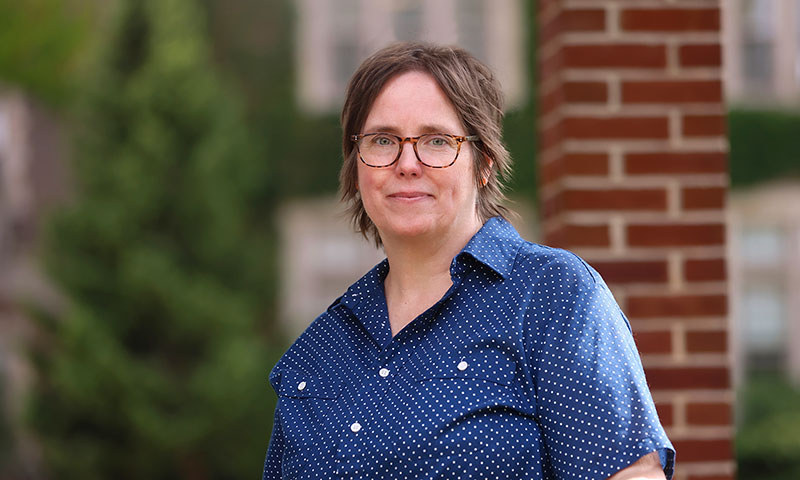
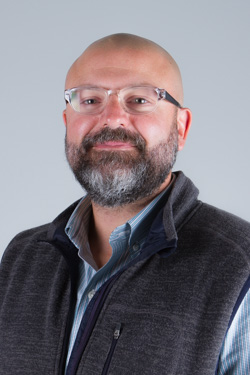
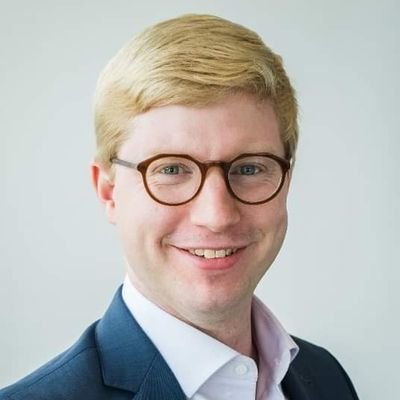
Leah Findlater is an Associate Professor in the Department of Human-Centered Design & Engineering at the University of Washington (College of Engineering). She also holds adjunct and affiliate appointments in Computer Science & Engineering and Disability Studies, respectively, and serves as Associate Director of UW CREATE (Center for Research and Education on Accessible Technology and Experiences). Since 2021, she has led a research team in AI and accessibility at Apple. Her research focuses on creating adaptive technologies that accommodate individual needs, particularly for people with disabilities. Key areas include touchscreen personalization, machine learning interfaces, and sound recognition systems for deaf and hard-of-hearing users. Funding sources include NSF, DoD, and major tech companies. Recent work explores AI-driven tactile graphics, visual privacy management for blind users, and sound recognition systems. Her research combines lab studies, field deployments, and qualitative methods. NSF CAREER Award (2014) She advises through the Inclusive Design Lab, emphasizing mixed-methods research and collaborations with disability communities.
Amber B. Ray, Ph.D. , is an Associate Professor of Special Education at the University of Illinois Urbana-Champaign , where she develops strategy and self-regulation approaches to literacy instruction for students with disabilities and diverse learning needs. Her work emphasizes professional development for educators in writing and reading instruction. Education : Ph.D. in Learning, Literacies, and Technologies with specialization in Special Education from Arizona State University Research Focus : Dr. Ray’s work centers on Self-Regulated Strategy Development (SRSD) for improving writing outcomes across educational levels (elementary to adult learners). She investigates technology integration, professional development models like Practice-Based Professional Development (PBPD) , and equity in teacher preparation programs, particularly for racially/ethnically diverse candidates. Publication Trends : Recent studies (2023-2025) highlight SRSD applications for argumentative/informative writing in K-12 settings, PBPD for teacher training, and addressing systemic barriers like Praxis Core: Writing exam requirements through evidence-based instruction. Instructional Leadership : Dr. Ray teaches advanced courses SPED 440: Instructional Strategies I and SPED 441: Instructional Strategies II , focusing on inclusive pedagogy, legal compliance, and data-driven instructional design.
Professor David Evans is an expert in special and inclusive education at the University of Sydney's Sydney School of Education and Social Work, where he coordinates the Special and Inclusive Education designation. His research examines curriculum design for students with special needs, evidence-based practices in special education, and teacher preparation for inclusive classrooms. Education includes a PhD from the University of Oregon, GDSE from Edith Cowan University, MA in Special Education from Macquarie University, and BEd from the University of South Australia. His practitioner background includes experience in Australian and New Zealand government and law firms. Current research investigates early numeracy development for students with learning difficulties, teacher attitudes toward inclusion across international contexts, literacy support interventions, and Universal Design for Learning applications. Projects include the Australia-Thailand Institute's 'Off to a Good Start' initiative enhancing early reading skills. Publication trends show focus on inclusive pedagogies, teacher competencies, and systemic approaches to disability inclusion. Recent work analyzes art education's role in inclusion and higher education pathways for students with intellectual disabilities. Professor Evans teaches courses in Torts and Contracts II, Environmental Law, and International Environmental Law. He leads international collaborations in Indonesia and Thailand and serves as Associate Editor for the Australasian Journal of Special Education.
Anna G. Creadick is a Professor of English and Creative Writing at Hobart and William Smith Colleges , holding the George E. Paulsen '49 Professor chair. She joined the faculty in 2001, with a Ph.D. in English/American Studies from the University of Massachusetts, Amherst (2002), an M.A. in American Studies from Boston College (1994), and a B.S. in English and Education from Appalachian State University (1991). Her research focuses on Twentieth-Century American Fiction , Southern and Appalachian Studies , Gender and Sexuality Studies , and Cultural Theory , particularly examining postwar America's social hierarchies and marginalized voices. Education : Ph.D. (UMass Amherst), M.A. (Boston College), B.S. (Appalachian State) Her scholarly work spans Appalachian cultural representation , gender roles in literature , and disability studies , with notable publications including the book Perfectly Average: The Pursuit of Normality in Postwar America (2010) and chapters in Phallacies (Oxford, 2017). She served as film advisor for the NEH-funded documentary Hillbilly (2018), highlighting her commitment to public scholarship. Her recent articles explore climate grief in Appalachia and literary intersections of race, gender, and class . Anna Creadick has contributed to journals like Southern Cultures , Post-45 Peer Reviewed , and Appalachian Journal . Her teaching philosophy emphasizes interdisciplinary analysis , challenging literary hierarchies , and collaborative knowledge production , often pairing canonical authors with marginalized voices. Scientific Awards : NEH-funded documentary film (2018), George E. Paulsen '49 Professor She actively engages in professional affiliations with the American Studies Association, Appalachian Studies Association, and Society for the Study of Southern Literature. Her work underscores the power dynamics in cultural narratives and the role of literature in social justice dialogues.
Thomas Schanding serves as Associate Professor and Department Head in the Department of Educational and Counselling Psychology, and Special Education at the University of British Columbia's Faculty of Education. He concurrently directs the Psychological Services and Counselling Training Centre. Previously, he held significant roles including core faculty in Special Education and Associate Director of Outreach and Leadership for the decade-long LoneStar LEND program at the University of Texas Health Science Center at Houston, alongside clinical supervision positions at Baylor College of Medicine/Texas Children’s Hospital. His educational foundation includes doctoral coursework at the University of Southern Mississippi (APA-accredited) and doctoral internship with Cypress-Fairbanks Independent School District (APA-accredited). Doctoral Coursework: University of Southern Mississippi Doctoral Internship: Cypress-Fairbanks Independent School District Dr. Schanding's research centers on social-emotional learning (SEL) and behavioral/mental health (B/MH) through three interconnected pillars: (1) assessment methodologies for SEL/B/MH, (2) evidence-based interventions to enhance youth well-being, and (3) cultural-linguistic considerations in school-community contexts. His clinical expertise spans Autism Spectrum Disorders and 2SLGBTQIA+ youth experiences, operating within Cognitive-Behavioral and Ecological theoretical frameworks. The SMART Lab ( https://blogs.ubc.ca/smartlab ) drives his applied research agenda focusing on inclusive practices and mental health promotion. Analysis of his recent publications reveals consistent emphasis on SEL assessment tools, helicopter parenting dynamics, and diversity-inclusive frameworks in school psychology. Key trends include validation studies of early literacy screeners, exploration of LGBTQ+ mental health predictors, and critical examinations of equity in educational literature, reflecting his commitment to evidence-based social justice. His scholarly contributions have been recognized through: President’s Distinguished Faculty Research Award, University of Houston – Clear Lake (2020) Group Teaching Excellence Award, University of Houston (2011) Early Career Scholar, Society for the Study of School Psychology (2009) As an educator, Dr. Schanding has supervised numerous practicum and intern students across settings including school districts and hospital systems. His leadership extends to directing the Psychological Services and Counselling Training Centre at UBC and previously leading outreach initiatives for neurodevelopmental disabilities through the LEND program. His teaching portfolio includes EPSE 506 (Applied Psychopathology), EPSE 555 (Academic & Social-Emotional Assessment), and specialized courses on Autism Spectrum Disorders. The SMART Lab (Social, Mental health, and Academic Research Team) operates as his primary research vehicle, conducting community-engaged projects on SEL implementation, mental health screening, and culturally responsive interventions for diverse youth populations, with particular attention to inclusive practices for 2SLGBTQIA+ students.
Steven Robert Swarbrick is an Associate Professor in the Department of English at the Weissman School of Arts and Sciences, Baruch College, City University of New York. He specializes in English Renaissance literature, critical theory, queer theory, psychoanalysis, and ecocriticism, with a focus on intersections between environmental thought and posthumanism. His research engages with Deleuzean philosophy, Shakespearean studies, and interdisciplinary methodologies. Ph.D. , English, Brown University, Providence, RI B.A. , English, San Francisco State University Professor Swarbrick's research explores the relationships between Renaissance ecological poetics, queer negativity, and the environmental unconscious. His work interrogates how early modern texts anticipate contemporary debates around extinction, asexuality, and object-oriented ontologies. Key projects include The Environmental Unconscious: Ecological Poetics from Spenser to Milton (2023) and The Earth Is Evil (2025), alongside collaborations on cinematic and posthumanist critiques. Recent publications demonstrate trends in ecocritical Shakespeare studies , queer posthumanism , and Deleuzean interpretations of Renaissance texts . His scholarship bridges literary analysis with philosophical inquiry, emphasizing destructive environmentalism and the prosthetic imagination. He teaches courses such as Shakespeare, Great Works of Literature, and Renaissance Poetry, with a pedagogical approach rooted in critical theory and interdisciplinary engagement.
Linda J. Graham is a Professor at Queensland University of Technology (QUT) and Director of the Centre for Inclusive Education (C4IE). Her research focuses on education policy, disruptive student behavior, and inclusive pedagogies. PhD, Master of Education, and Bachelor of Arts from QUT and Macquarie University Chaired the 2020 Inquiry into Suspension, Exclusion and Expulsion Processes in South Australia Her work explores the intersection of inclusive education , student voice , and teacher-student relationships . She advocates for systemic reform to address overrepresentation of Indigenous and disabled students in exclusionary discipline. Recent publications highlight accessible assessment redesign , equity in education , and student perspectives on discipline . Notable awards include the Spencer Foundation Mentorship Excellence Award (2021) and Macquarie University's Early Career Researcher of the Year (2011). Scientific Awards: Spencer Foundation Mentorship Excellence Award (2021) Macquarie University Early Career Researcher of the Year (2011) Paul Bourke Award (2011) She supervises PhD and professional doctorate students in projects related to language disorders , student voice , and curriculum adjustments . Her leadership extends to the AARE Inclusive Education Special Interest Group and collaborations with institutions like Speech Pathology Australia and the QCAA.
Jeffrey R. Gruen is Professor of Pediatrics (Neonatology) and of Genetics at Yale School of Medicine, and a faculty member in the Investigative Medicine Program at Yale Graduate School of Arts and Sciences. His research is affiliated with multiple centers including the Yale Center for Genomic Health, Wu Tsai Institute, and the Yale Child Health Research Center. Professor of Pediatrics (Neonatology), Yale School of Medicine Professor of Genetics, Yale School of Medicine Member, Investigative Medicine Program, Yale Graduate School Principal Investigator, Gruen Lab Education: MD, Tulane University, 1981 BS in Chemistry, Tulane University, 1977 Residency in Pediatrics, Yale-New Haven Hospital, 1984 Internship in Pediatrics, Yale-New Haven Hospital, 1982 Dr. Gruen's research centers on the genetic and molecular basis of dyslexia and language impairments. His lab pioneered the mapping of the DYX2 locus on chromosome 6 and discovered the DCDC2 gene, a major contributor to reading disability. His team identified READ1, a transcriptional control element that modulates risk for dyslexia, and demonstrated synergistic interactions between genetic variants in DCDC2 and KIAA0319 . His work integrates human genetics, molecular biology, and neuroimaging to understand the biological mechanisms underlying learning disabilities. He leads the Yale Genes, Reading and Dyslexia (GRaD) Study and the New Haven Lexinome Project, aiming to enable early diagnosis and personalized educational interventions. The recent publications reflect a strong trend in integrating genetic data with cognitive, behavioral, and educational assessments. Key themes include genome-wide association studies of dyslexia, gene-environment interactions (particularly involving phonological awareness and home environment), phenotype harmonization across cohorts, and the application of genetic findings to educational policy and practice. Imaging genetics and the study of comorbid conditions like Sluggish Cognitive Tempo are also prominent. Scientific Awards: Innovative Research Award, Kavli Institute, 2022 Dr. Gruen has served as Principal Investigator on numerous NIH-funded studies, including the GRaD Study, the Pediatric Imaging NeuroGenetics (PING) Study at Yale, and the New Haven Lexinome Project. He mentors a broad network of collaborators across institutions such as the University of Colorado, University of Bristol, and Johns Hopkins. His lab trains researchers in human genetics, molecular techniques, and cognitive phenotyping. He leads the Gruen Lab, which focuses on human genetic studies, molecular genetic mechanisms, imaging genetics, and longitudinal intervention studies. The lab collaborates extensively with national and international research centers and utilizes advanced techniques including GWAS, sequencing, chromatin immunoprecipitation, and MRI-based phenotyping.
Robert Peaslee is an Associate Professor in the Journalism & Creative Media Industries program of the College of Media & Communication at Texas Tech University , where he also serves as Associate Dean of the Honors College . His scholarship bridges media anthropology, fan studies, and adaptation theory, with particular attention to the cultural politics of superheroes, screen tourism, and global media flows. Education Ph.D., University of Colorado, Boulder, 2007 Research Interests Peaslee’s work interrogates how media texts and industries shape social power relations. Employing ethnographic and textual methods, he has examined: fan cultures and participatory audiences the spatial politics of screen tourism destinations such as Hobbiton and Game of Thrones filming sites the global circulation of superhero narratives and their moral economies representations of place, memory, and identity in film and television Across these strands he explores how media producers and consumers co-create meaning, often through transnational and digital contexts. Publication Trajectory His recent publications display a consistent focus on adaptation and transmedia storytelling, especially where comic-book superheroes and cult texts intersect with tourism and fan labor. The 2020 co-edited volume The Supervillain Reader and the 2016 collection Marvel Comics into Film exemplify his leadership in consolidating critical discourse around comic-to-screen adaptation. Parallel articles on screen tourism investigate how locations such as New Zealand’s Hobbiton or Northern Ireland’s Game of Thrones sites become contested spaces of authenticity and commodification. Awards & Honors Member, TTU Teaching Academy TTU President’s Excellence in Teaching Award Professing Excellence Award, Research Chair, Visual Communication Division, AEJMC (2011) 2nd Place, Top Faculty Papers Competition, AEJMC Visual Communications Division (2010) 2009–2010 Professing Excellence Award, Texas Tech University 2010 Nominee – Outstanding Faculty, Student Disability Services, Texas Tech University Teaching, Service & Leadership Peaslee teaches undergraduate and graduate courses that integrate critical theory with creative practice, including Visual Communication, Writing for Series Television, and Qualitative Research Methods. He has coordinated the TTU International Film Series and formerly served as Programming Chair for the Flatland Film Festival in Lubbock. His record of service includes editorial board membership for the American Communication Journal and leadership roles within AEJMC’s Visual Communication Division. Labs & Creative Spaces While no formal lab is listed, his ongoing longitudinal ethnographic projects on screen-tourism sites and his editorial collaborations function as de facto research collectives involving graduate students and international scholars.
Elizabeth Sauer is a Distinguished Professor at Brock University’s English Language & Literature department, part of the Faculty of Humanities. Her research focuses on early modern literature, particularly John Milton’s works, alongside topics like imperialism, women’s literary history, and the history of the book. She holds prestigious roles such as President of the Canadian Society for Renaissance Studies and has been honored with awards including the Killam Research Laureate and Fellow of the Royal Society of Canada. Her academic leadership includes past presidencies of the Milton Society of America and editorial roles for journals like *PMLA*. She has secured extensive SSHRC grants since 1991, supporting interdisciplinary research. Notable publications include *Milton, Toleration, and Nationhood* (2014) and *Emergent Nation: Early Modern British Literature in Transition* (2019). Her current projects explore English national consciousness and transatlantic literary connections. Key achievements include mentoring Brock’s first Banting Postdoctoral Fellow and supervising research in Milton studies and early modern transatlantic contexts. Her work bridges literary analysis with historical, cultural, and global frameworks, contributing to fields like nationalism studies and material print culture.
Joel Talcott is Professor of Developmental Cognitive Neuroscience at Aston University, specializing in dyslexia and language disorders. His research examines genetic, neural, and cognitive foundations of reading development using methods including neuroimaging, genetic analysis, and large-scale behavioral assessment. Leadership Roles: Vice President of the British Dyslexia Association (2010-present), Fellow of the Royal Society of Arts (2012), and IBRO-UNESCO Science of Learning Fellow (2020). Editorial responsibilities include service for Dyslexia and Annals of Dyslexia journals. Research: Leads the Aston Brain Centre's investigations into neurocognitive trajectories of reading skills. Current projects include the ECCaToN transdiagnostic protocol for neurodevelopmental characterization and analysis of literacy development datasets (LIBS Dataset). Awards: IBRO-UNESCO Science of Learning Fellow (2020) Fellow of the Royal Society of Arts (2012) Honorary Vice-President, British Dyslexia Association (2010)
Christopher J. Lemons, Ph.D., serves as Associate Professor of Special Education in Stanford University's Graduate School of Education, focusing on improving academic outcomes for children with intellectual, developmental, and learning disabilities through evidence-based reading interventions, particularly for individuals with Down syndrome. His educational background includes: Bachelor of Arts in Psychology, University of Texas at Austin (1996) Bachelor of Science in Applied Learning and Development (Special Education), University of Texas at Austin (1999) Master of Arts in Special Education, University of Texas at Austin (2000) Doctor of Philosophy in Education and Human Development (Special Education), Peabody College of Vanderbilt University (2008) Lemons' research spans 18 critical areas including Literacy and Language, Data-Based Individualization, Intervention-Related Assessment, and Professional Development. His recent work emphasizes complex reading instruction for learners with disabilities and training paraeducators for inclusive classrooms, with findings covered in Stanford News including January 2025 research on advanced reading techniques for disabled learners. His distinguished honors include: Presidential Early Career Award for Scientists and Engineers (PECASE) from President Obama (2016) Pueschel-Tjossem Research Award from National Down Syndrome Congress (2016) Distinguished Early Career Research Award from CEC Division for Research (2017) Article of the Year in Assessment for Effective Intervention (2014) Lemons secures major funding from the Institute of Education Sciences, Office of Elementary and Secondary Education (U.S. Department of Education), and National Institutes of Health. He serves as Senior Advisor for the National Center on Intensive Intervention and Progress Center at American Institutes of Research, chairs the Pacific Coast Research Conference Executive Committee, and is President-Elect of the Council for Exceptional Children's Division of Research. His doctoral advisees include Wanjing Anya Ma (Dissertation Reader) and Bonnie Hallman/Megumi Takada (Dissertation Advisors). Prior to academia, he taught in special education settings including preschool autism units, elementary inclusion programs, and middle school life skills classrooms. He currently teaches courses such as EDUC 285D: Dis/ability and Access in Elementary Classrooms and EDUC 152Q: Improving Inclusive Higher Education for Students with Down Syndrome.
Tyler Perrachione is an Associate Professor at the Department of Speech, Language & Hearing Sciences within Sargent College at Boston University. He holds affiliations with the Department of Biomedical Engineering. His research focuses on developmental disorders of language and reading, human voice recognition, and the neural mechanisms underlying auditory perception and plasticity. He leads the Communication Neuroscience Research Laboratory, exploring speech processing efficiency, talker adaptation, and atypical neurodevelopment in conditions like autism and dyslexia. Education: Ph.D. in Neuroscience (MIT), M.A. and B.A. in Linguistics and Cognitive Science (Northwestern University). His work bridges cognitive neuroscience, audiology, and clinical linguistics, with a strong emphasis on neuroimaging and behavioral experimental methods. Key interests include how listeners adapt to vocal identity, the role of auditory cortex plasticity in speech processing, and the neural correlates of phonological deficits in reading disabilities. Research highlights include studies on cerebro-cerebellar connectivity in autism, the impact of musical training on auditory coding, and the efficacy of noninvasive neurostimulation in speech motor learning. His interdisciplinary approach addresses both fundamental science and clinical applications, such as improving language interventions for neurodevelopmental disorders.
Victoria Rimell is Professor of Latin and Director of Research in the Department of Classics at the University of Warwick, Faculty of Arts. She previously served as Associate Professor at Sapienza University of Rome and held research fellowships at University College Oxford and Cambridge. She joined Warwick in 2016 and was promoted to Professor in 2018. She also holds administrative roles including Deputy Head of Department and Coordinator of the joint degrees in Classics and English. Education: MA, King's College Cambridge MPhil, King's College Cambridge PhD, King’s College London MSc, University of Warwick Her research bridges Latin literature and Roman culture with modern philosophical and political thought, focusing on authors such as Seneca, Ovid, Martial, Petronius, and Horace from the first century BCE to the second century CE. She explores themes of space, enclosure, vulnerability, mourning, and identity, often engaging with critical theory, gender studies, and classical receptions. Her work frequently draws interdisciplinary connections to modern art, literature, and philosophy. The recent publications highlight a strong trajectory in Senecan studies, particularly on consolation, grief, and ethical self-fashioning, alongside continued engagement with Ovid, Martial, and Horace. The works reflect a deep integration of classical texts with contemporary theoretical frameworks, including psychoanalysis, feminist theory, and spatial theory. Topics such as the ‘labour of empire,’ ‘creative self-reproach,’ and ‘care of the other’ underscore her focus on emotional and ethical dimensions in Roman literature. Scientific Awards and Recognition: Member, Academia Europaea (2020) Leverhulme Trust Research Grant for 'Care of the Other: Senecan Consolation and the Work of Mourning' Victoria Rimell actively supervises PhD students on topics ranging from humanitas to adulatio and the disabled body in Martial. She has secured external research funding and serves on editorial boards for Classical Philology , MD , and The Journal of Roman Studies . She also contributes to interdisciplinary research through the Centre for Research in Philosophy, Literature, and the Arts. She teaches undergraduate and postgraduate modules on Latin literary texts, Roman laughter, vulnerable bodies, and ancient literature and thought. She leads a research group and collaborative projects on imperial space, the ancient novel, and Vergil and the Feminine (co-edited with Dr Elena Giusti). Her current Leverhulme-funded project continues to expand the dialogue between classical texts and modern ethical theory.
Kathy Ferguson is a Professor in the Department of Political Science at the University of Hawaiʻi at Mānoa, within the College of Social Sciences. She is a leading scholar in political theory, with a focus on feminist and anarchist thought. PhD in Political Science, University of Minnesota (1976) BA in Political Science, Purdue University (1972) Her research explores the intersections of feminism and anarchism, particularly through the lives and ideas of radical women. She is the author of Emma Goldman: Political Thinking in the Streets (2011), and is currently working on a book about anarchist women in the U.S. and Britain from 1870–1940, as well as a study on the role of letterpress printers in anarchist movements. Her work emphasizes recovering marginalized voices and using historical insights for contemporary political engagement. Her recent publications reflect a dual commitment to radical political theory and community-based education. The two most recent works include a scholarly monograph on Emma Goldman and a community resource guide on dyslexia, illustrating her blend of academic rigor and public service. She has been recognized with several awards: Robert W. Clopton Award for Distinguished Community Service (2019) Excellence in Application Award (2010) BOR Excellence in Teaching Award (2003) Ferguson is also deeply involved in community engagement, particularly in supporting dyslexic learners. She is a certified Orton-Gillingham tutor and has tutored dozens of children and adults. She authored A Resource Guide on Dyslexia for People in Hawai'i (2018), published by the Hawaiʻi branch of the International Dyslexia Association (HIDA), which is distributed freely. She has taught courses such as: POLS 200: Reading and Writing Politics POLS 335: History of Political Thought POLS 384: Women and Politics POLS 610: Political Theory and Analysis POLS 615: Topics in Political Thought POLS 710: Seminar in Political Thought She maintains an active research presence through her companion website to the Emma Goldman book, which hosts extensive archival lists of anarchist women, journals, and labor struggles, aiming to recreate what she calls the 'archive effect'—an immersive encounter with radical history.