Julian J.-L. Chen is a Professor at Arizona State University's School of Molecular Sciences and a core faculty member at the Biodesign Center for Mechanisms of Evolution . His work bridges RNA biochemistry, telomere biology, and molecular evolution, with implications for cancer and aging. PhD in Molecular Biology/Biochemistry from Indiana University Postdoctoral training at Johns Hopkins University Faculty at ASU since 2004 Research focuses on telomerase ribonucleoprotein complexes , exploring their: Structural organization and functional domains Biogenesis pathways from protein-coding precursors Evolution across eukaryotes (insects, plants, fungi) Role in chromosome stability and disease Regulation in stem cells and tumors Molecular mechanisms of RNA-protein interactions Key publications cover telomerase RNA evolution (2025), structural studies (2023), and plant telomere biology (2022). Research is funded by NIH and NSF grants. Active projects include: Molecular Mechanism of Telomerase Action (NIH/NIGMS) Collaborative Research: Telomerase Structure in Photosynthetic Eukaryotes (NSF) Biogenesis of mRNA-Derived Telomerase lncRNA (NIH) He teaches Principles of Biochemistry (BCH 361) and mentors undergraduate/graduate research projects.
Professor Alexandra Lusser serves as Professor and Deputy Head in the Department of Molecular Biology at Innsbruck Medical University, where she leads the Chromatin and Epigenetics Laboratory. Her research focuses on understanding the molecular mechanisms of chromatin assembly, remodeling, and epigenetic regulation at both DNA and RNA levels. Professor Lusser completed her PhD at the University of Innsbruck in 1998, followed by postdoctoral training at the University of California, San Diego (2001-2004) in the laboratory of Professor JT Kadonaga. She joined Innsbruck Medical University as Assistant Professor in 2004, achieved her Habilitation for Molecular Biology in 2008, was promoted to Associate Professor, and became a full Professor in 2019. Her research program investigates how eukaryotic DNA is organized in chromatin and how this organization affects DNA metabolism processes including transcription, replication, repair, and recombination. A significant portion of her work examines ATP-dependent chromatin assembly and remodeling mechanisms, variant histone assembly, and epigenetic mechanisms at the mRNA level, particularly mRNA base modifications such as 5-methylcytosine and their roles in mRNA metabolism and translation. Her publications reveal a strong focus on developing and applying innovative biochemical and genomic techniques to study RNA modifications and chromatin dynamics. Professor Lusser's extensive publication record spanning from 1996 to the present demonstrates consistent contributions to the fields of chromatin biology and RNA epigenetics. Her recent work shows particular emphasis on developing novel sequencing methods for RNA modification analysis, exploring the functional consequences of RNA modifications, and investigating the relationship between chromatin remodeling factors and neurological functions. HOECHST Award (1998) APART 3-year postdoctoral fellowship from the Austrian Academy of Sciences (2001) START Prize from the Ministry of Science and Research (2005) Member of the Young Curia of the Austrian Academy of Sciences (2008-2016) Research Award from the State Capital Innsbruck (2009) As Deputy Head of the Department of Molecular Biology, Professor Lusser contributes to departmental leadership while maintaining an active research program. Her laboratory has developed several important methodologies including TUC-Seq for measuring mRNA transcription and degradation rates, bisulfite sequencing for detecting 5-methylcytosine in RNA, and other innovative approaches for studying RNA modifications. Her work bridges molecular biology, biochemistry, and genomics, with implications for understanding fundamental biological processes and potential applications in disease research.
Joseph N Paulson is an Adjunct Assistant Professor in the Department of Neurosurgery at the Yale School of Medicine. He holds a PhD in Applied Mathematics, Statistics, and Scientific Computation from the University of Maryland, College Park (2015). His research focuses on integrating computational methods with clinical and microbial genomic studies to address complex medical challenges. Key areas of investigation include microbial pathogenesis (e.g., Paenibacillus infections in pediatric hydrocephalus), cancer genomics (e.g., lymphoma prognosis and treatment response), and the development of bioinformatics tools for microbiome and transcriptomic analysis. Dr. Paulson’s work bridges disciplines such as computational biology, infectious diseases, and oncology. He leads collaborative projects analyzing microbial communities in clinical settings, including vaginal microbiome dynamics and bacterial virulence mechanisms. His computational tools, like mbQTL and the Network Zoo package, enable advanced microbiome QTL analysis and gene regulatory network modeling. He also contributes to clinical trials evaluating targeted therapies in breast and blood cancers, leveraging genomic signatures for personalized treatment strategies. Notable contributions include identifying Paenibacillus as a novel pathogen in Ugandan infants with post-infectious hydrocephalus and developing prognostic models for diffuse large B-cell lymphoma using imaging and genomic data. His research emphasizes global health applications, particularly in pediatric neurosurgery and infectious disease epidemiology.
Konstantin Khrapko is a Professor at Northeastern University with joint appointments in the College of Science and Bouvé College of Health Sciences. His primary affiliation is the Biology department, focusing on mitochondrial genetics, aging, and human evolution. His research explores somatic mtDNA mutations’ roles in aging and disease, mitochondrial population dynamics, and the use of mtDNA pseudogenes to study human ancestry. Expertise includes mitochondrial biology, including mutation mechanisms, epigenetic regulation (e.g., mtDNA methylation), and the interplay between mitochondrial dysfunction and aging. His lab develops advanced molecular tools like high-efficiency single-molecule PCR and next-generation sequencing for analyzing individual mtDNA molecules. Key research themes include mitochondrial population genetics, the origins of somatic mutations, and evolutionary studies using nuclear mtDNA pseudogenes (NUMTs). Recent work addresses mitochondrial heterogeneity in embryos, the impact of maternal age on mitochondrial inheritance, and mechanisms preserving mitochondrial integrity across generations. Publications span over two decades, emphasizing mitochondrial mutation spectra in aging, cancer, and neurodegenerative diseases. His work bridges basic science and translational research, with implications for understanding aging-related diseases and evolutionary biology.
Bluma Lesch is an Associate Professor of Genetics and of Obstetrics, Gynecology, and Reproductive Sciences at Yale University. She earned her B.S. from Yale (2003), Ph.D. from Rockefeller University (2010), and M.D. from Weill Cornell (2011). Her postdoctoral training at the Whitehead Institute (2011–2017) focused on epigenetic mechanisms in germ cells. She joined Yale faculty in 2017, receiving notable awards like the Pew Biomedical Scholar (2021) and Searle Scholar (2019) recognitions. Lesch’s research integrates genetics, epigenetics, and evolutionary biology to study transcriptional regulation in germ cells and its implications for development and disease. Key areas include gene regulatory evolution, transgenerational epigenetic inheritance, and chromatin dynamics in spermatogenesis. Her work bridges molecular mechanisms with organismal and evolutionary scales, leveraging both experimental and computational approaches. Recent publications highlight studies on mastitis hub genes, cattle DGAT gene families, and myelin-microbe interactions in multiple sclerosis. She collaborates with researchers like Gunter Wagner and Stephanie Halene, advancing interdisciplinary projects in reproductive and developmental genomics. Lesch holds grants including the Burroughs Wellcome Career Award (2015) and leads the Whisk Cup Streamline Lab at Yale, focusing on epigenetic and chromatin regulation in germ cell biology. Her lab explores evolutionary innovations in germline biology and human-specific epigenomic states, contributing to our understanding of transgenerational inheritance and disease mechanisms.
Dr. David Pitt is an Associate Professor of Neurology at Yale School of Medicine, specializing in multiple sclerosis (MS) and neurodegeneration. He leads the Pitt Lab, focusing on astrocyte and oligodendrocyte biology, neuroimaging biomarkers (e.g., QSM), and exosome-based diagnostics. His research integrates advanced techniques like single-nucleus RNA sequencing and multiplexed imaging to map cellular interactions in MS lesions. Key affiliations include the Center for Brain & Mind Health and the Yale Stem Cell Center. Education: MD, Philipps University (Germany) Postdoctoral Fellowship, Albert Einstein College of Medicine Neurology Residency, Albert Einstein College of Medicine Neuroimmunology Fellowship, Washington University/Barnes-Jewish Hospital Research Interests: MS neurodegeneration mechanisms, imaging of chronic active lesions, astrocyte-exosome biomarkers, and translational therapies. His lab develops novel techniques such as multiplexed antibody imaging and CRISPR-edited iPSC models. Publications: Focus on QSM as an inflammatory biomarker, exosome-based diagnostics, and genetic risk variant effects on glial cells. Recent work emphasizes precision phenotyping and imaging consensus for MS lesion characterization. Awards: Includes Postdoctoral Research Fellowship from the National MS Society (2005) and German Research Council scholarships (1998). Grants & Teams: Collaborates with David Hafler and Erin Longbrake on MS immunology and clinical trials. Active in the Program for Neuroinflammation and translational imaging consortia. Labs/Teams: Pitt Lab at Yale, specializing in neuroinflammation, imaging, and stem cell technologies. Key innovations include spatial mapping of lesional cells and exosome isolation protocols.
Dr. Chun Peng is a Full Professor and Tier 1 York Research Chair in Women's Reproductive Health in the Department of Biology at York University. He leads the Peng Lab, focusing on female reproduction, ovarian cancer, and placental development. His research employs molecular biology, biochemistry, and bioinformatics to explore growth factors, hormones, and miRNAs in reproductive health disorders like preeclampsia and ovarian cancer. Education: PhD from the University of Alberta, M.Sc. and B.Sc. from Zhongshan University, China. Research Interests: Molecular mechanisms of ovarian cancer, miRNA regulation in reproduction, and novel therapies targeting β-catenin inhibitors. Current projects include placental signaling networks, circular RNAs in cancer, and zebrafish ovarian development. Funding: Supported by Canadian Institutes of Health Research, NSERC, Cancer Research Society, and York University. The lab has produced over 100 publications and trained numerous graduate students and postdocs. Awards: Tier 1 York Research Chair (2022). Lab members have received scholarships like NSERC, OGS, and York Graduate Scholarships. Lab Infrastructure: Bioinformatics tools for miRNA analysis, ImageJ plugins for cell counting, and collaborations in plasmonic nanoparticle biosensors.
Professor Xin Lu is Director of Research and Full Member at the Ludwig Institute for Cancer Research, Oxford Branch, and Professor of Cancer Biology at the University of Oxford. She has held prominent academic positions since 2007 at Oxford, following professorial roles at University College London (2004-2007) and Imperial College London (2000-2004). As Director of the Oxford Centre for Early Cancer Detection and Cancer Theme co-Lead at the NIHR Oxford Biomedical Research Centre, Professor Lu leads significant research initiatives focused on tumor suppression and cellular plasticity. Professor Lu received her academic training in China and the UK: BSc in Biochemistry from Sichuan University, China (1982) MSc in Cell and Molecular Biology from Cancer Institute, Peking Union Medical College & Chinese Academy of Medical Sciences, Beijing (1985) PhD in Cell and Molecular Biology from Imperial Cancer Research Fund and University College London, London, UK (1991) Professor Lu's research program centers on understanding molecular mechanisms that control cellular plasticity and suppress tumor growth. With a long-standing interest in the tumor suppressor p53 and the ASPP family of proteins, her work has revealed how cells change characteristics in response to external signals - a process fundamental to cancer initiation, metastasis, and therapy resistance. Her laboratory investigates selective transcription mechanisms, regulators of cellular plasticity in gastrointestinal cancers (particularly esophageal and gastric), and the influence of infections like Helicobacter pylori and Epstein-Barr Virus on cell plasticity and cancer development. The discovery of ASPP proteins as key regulators of p53 function represents a major contribution to the field. Analysis of Professor Lu's recent publications shows a consistent focus on cellular plasticity mechanisms, p53 family regulation, and the role of ASPP proteins in cancer and developmental disorders. Her work spans molecular, cellular, and tissue-level investigations, increasingly incorporating advanced techniques like single-cell RNA sequencing and organoid models to study cancer initiation and progression. Professor Lu's significant contributions to science have been recognized with numerous prestigious awards: Fellow of the Royal Society (2020) CDD Award for her work on cell death (2016) Elected Fellow of Academy of Medical Sciences (FMedsci) (2013) Elected Supernumerary Fellow of Magdalen College, University of Oxford (2013) Elected Member of the European Molecular Biology Organisation (EMBO) (2011) Professor Lu has served on numerous scientific advisory boards, grant committees, and editorial boards. She has been a Medical Sciences Division Board Member at the University of Oxford since 2010, serves on the European Research Council (ERC) Consolidator Panel since 2012, and has been a Receiving Editor for Cell Death and Differentiation since 2014. Her leadership extends to organizing major international conferences, including multiple Sino-British Frontier Workshops of Cancer Biology and Ludwig-Nature Conferences on Nuclear Reprogramming of the Cancer Genome. Professor Lu leads a research group at the Ludwig Institute for Cancer Research, Oxford Branch, based at the Old Road Campus Research Building. Her team investigates tumor suppression mechanisms with particular focus on cellular plasticity and selective transcription. The laboratory has made significant contributions to understanding the ASPP family of proteins and their roles in cancer and developmental disorders. Professor Lu's group collaborates extensively with researchers across Oxford University and internationally, particularly with institutions in China.
Reinhard Lührmann is a leading scientist in cellular biochemistry and RNA splicing. Since 1999, he has served as Director of the Department of Cellular Biochemistry at the Max Planck Institute for Biophysical Chemistry in Göttingen, Germany. He holds Honorary Professorships at both Philipps University of Marburg (since 2007) and Georg August University of Göttingen (since 2000). His research focuses on the structure and function of the spliceosome, a critical complex in RNA processing. Education: Dr. rer. nat. (Ph.D.) in Biochemistry, University of Münster (1975) Research Interests: Lührmann’s work explores the molecular mechanisms of RNA splicing, emphasizing the dynamic architecture of spliceosomes. His team uses advanced structural biology techniques like cryo-EM to elucidate the 3D organization of spliceosomal components and their interactions. This research has profound implications for understanding gene regulation and related diseases. Scientific Awards: Max Planck Research Prize (1990) Gottfried Wilhelm Leibniz Prize of the DFG (1996) Feldberg Prize (2002) Ernst Jung Prize for Medicine (2003) Member of EMBO, Leopoldina, and Academia Europaea Contributions: His publications highlight groundbreaking work in reconstituting spliceosomal processes and mapping their structural dynamics, contributing significantly to the field of molecular biology and RNA research.
Stephen Mojzsis is an Emeritus Professor at the University of Colorado Boulder and currently holds visiting or honorary professorships at several leading European institutions, including the University of Oslo (2024–2025), Eötvös Loránd University (ELTE) Budapest, and the University of Jena. He is a 2024 Member of Academia Europaea and a Humboldt Research Professor, recognized for seminal work in planetary geochemistry, cosmochemistry and the origins of life. Education: Ph.D. Geochemistry & Solid-State Physics, Scripps Institution of Oceanography, UC San Diego, 1997 M.A. Geology & Mineralogy, Boston University, 1992 B.A. Geology & Paleobiology, Boston University, 1988 Research Interests: Stephen Mojzsis integrates geochemistry, cosmochemistry and planetary science to understand the origin and early evolution of planets and life. His work spans the chemistry of the earliest Earth and Moon, sulfur-isotope tracers of Archean subduction, the composition of late-accreted material, and the mineralogical diversity of rocky exoplanets. He also explores prebiotic chemistry on Hadean Earth and early Mars, investigating how silicate glasses and hydrothermal systems could have facilitated RNA polymerization and the emergence of life. More broadly, he pursues Geoastronomy —linking stellar abundances in the solar neighborhood to the bulk compositions and long-term geodynamic evolution of terrestrial exoplanets, thereby constraining habitable environments across the Galaxy. Scientific Awards & Distinctions: Member, Academia Europaea (2024) Humboldt Research Prize, Alexander von Humboldt Foundation (2021–2024) Ida Pfeiffer Professorship, University of Vienna (2021) Fellow, Royal Society of Chemistry (2021) Fellow, Royal Astronomical Society (2021) Fellow, Geological Society of London (2021) Honorary Professor, ELTE Budapest (2022) External Member, Hungarian Academy of Sciences (2016) Fulbright Faculty Scholar (2007) ASSETT Outstanding Teacher Award, CU Boulder (2014) Advising & Funding: Between 2001 and 2023 Mojzsis supervised 8 PhD students, 6 post-doctoral researchers, 6 MSc and 5 BSc students. He has served on numerous grant panels including ERC Synergy and Advanced Grants, DFG Schwerpunkt Programme, NASA Exobiology, and NSF Graduate Research Fellowships. His research has been supported by the U.S. National Science Foundation, NASA, the European Research Council, the Humboldt Foundation, and other international agencies. Service & Leadership: From 2020–2023 he served as President of the Division of Planetary and Solar System Sciences of the European Geosciences Union. He is (or has been) an editorial board member for Geobiology , Astrobiology , Earth and Planetary Science Letters , Annales Geophysicae , and several other journals, and reviews for Nature and Science among more than 20 journals.
Professor Frank Lovicu is a Professor of Ocular Cell and Developmental Biology at the University of Sydney, affiliated with the School of Medical Sciences and the Save Sight Institute. His research focuses on understanding molecular mechanisms governing lens cell behavior in health, aging, and disease, with a particular emphasis on growth factors and their roles in lens development and cataract formation. He has extensive expertise in teaching and supervision, covering topics like microscopy, histology, cell and developmental biology, experimental ophthalmology, and epithelial-to-mesenchymal transition. He supervises PhD, MPhil, Honours, and Dalyell Research students. Research interests include lens epithelial cell proliferation, fibrosis, and the regulation of epithelial-mesenchymal transition (EMT). His work aims to identify therapeutic targets to prevent cataracts, a prevalent age-related eye disease. Professor Lovicu holds leadership roles, including President of the International Society for Eye Research (ISER) and Board Member/Vice President of the Association for Research in Vision and Ophthalmology (ARVO). He has received prestigious awards, including a Fellowship from ARVO and the Cataract Research Award from the National Foundation for Eye Research. His publications span over three decades, with recent studies exploring lens fiber elongation, Spred protein regulation, and EMT pathways. Key themes include molecular signaling, ocular development, and translational research for cataract prevention.
Dr. Naisana Seyedasli is a Senior Lecturer in the School of Medical Sciences at the University of Sydney, affiliated with the Centre for Cancer Research at the Westmead Institute for Medical Research. Her research focuses on stem cell biology, cancer therapy resistance, and tumor heterogeneity. She holds a PhD in Molecular Biology from the International Max Planck Research School (2008) and has conducted postdoctoral work at the Victor Chang Cardiac Research Institute. Education : PhD in Molecular Biology (2008), International Max Planck Research School, University of Goettingen Max Planck Research Fellowship (2004–2008) DAAD Scholarship (2003–2004) Research Interests : Her work explores regulatory networks in embryonic/adult stem cells, mechanisms of therapy resistance in epithelial carcinomas, and 3D tumor modeling. She uses single-cell technologies to study tumor heterogeneity and employs approaches like CRISPR and bioinformatics. Grants & Awards : 2022: Dr. Poyner Award (Australian Dental Research Foundation) 2021: Makers and Shapers Award (University of Sydney) 2018: ASMR Research Excellence Award Over 10 prestigious fellowships/awards since 2003 Collaborations : International partnerships include the St. John's Research Institute (India) and the Center for Cellular & Molecular Biology (India). She leads projects on stem cell plasticity and drug resistance in cancers. Teaching : Supervises PhD/MPhil students in cancer biology and regenerative medicine. Current projects include developing 3D tumor models and understanding resistance mechanisms.
Siddharth Dey is an Associate Professor in both the Department of Bioengineering and the Department of Chemical Engineering at the University of California, Santa Barbara. His research focuses on developing novel single-cell sequencing technologies to study epigenetic regulation of gene expression and cell fate decisions. The Dey Lab investigates mechanisms underlying DNA methylation dynamics, cancer cell invasion, and HIV latency using advanced multiomics approaches and 3D organoid models. He leads the Dey Lab , which integrates synthetic biology, optogenetics, and computational modeling to understand cellular heterogeneity and disease processes. Key research areas include: (1) Single-cell multiomics integration, (2) Epigenetic regulation during human development, (3) Mechanotransduction in cancer progression, and (4) Engineering tools for bacterial transcriptomics. Recent work demonstrates breakthroughs in simultaneous profiling of 5mC/5hmC modifications with transcriptomes, enabling unprecedented insights into epigenetic maintenance fidelity and cellular decision-making. His research is supported by grants including the NSF CAREER award (2024) for spatial epigenetic studies in human development. The lab actively collaborates on projects involving photopatterning technologies, stress response signaling, and HIV latency therapies. Experimental approaches combine cutting-edge sequencing methods with microfluidics-based platforms to study cellular responses in physiologically relevant 3D environments. Publications highlight contributions to understanding: (1) DNA methylation erasure in germ cells, (2) YAP-driven cardiac hypertrophy mechanisms, (3) macrophage priming via Fc receptors, and (4) bacterial mRNA sequencing innovations. These studies bridge engineering principles with fundamental biological mechanisms to address critical questions in development, cancer biology, and infectious diseases.
Associate Professor Sonika Tyagi leads the Digital Health and Bioinformatics research lab at RMIT University's School of Computing Technologies. She is an affiliate Machine Learning scientist at Monash University and holds leadership roles in the Australasian Institute of Digital Health (AIDH) and Australian Research Council (ARC). Her research focuses on integrating machine learning with genomics and healthcare data to address clinical challenges, such as preterm birth prediction and antibiotic resistance. Research Interests: Multimodal data integration for personalized medicine AI-driven genomics and healthcare analytics Biomedical data standardization and infrastructure Natural language processing of unstructured medical data Key Projects: EHR-QC and EHR-ML pipelines for clinical outcome prediction GenomicBERT for genomic sequence analysis SuperbugAI flagship project on antibiotic resistance Awards: Healthcare Innovator Award 2024 (AI in Health) Women in AI (WAI) Awards Finalist 2022 Brilliant Women in Digital Health 2023 Grants & Funding: NHMRC grants (2017-2025) AISRF EMCR Fellowship (2020) Industry and university grants for equitable AI resources She advises diagnostic startups and collaborates with clinical institutions to translate research into practical solutions. Her lab trains over 30 students, focusing on interdisciplinary data science and computational biology.
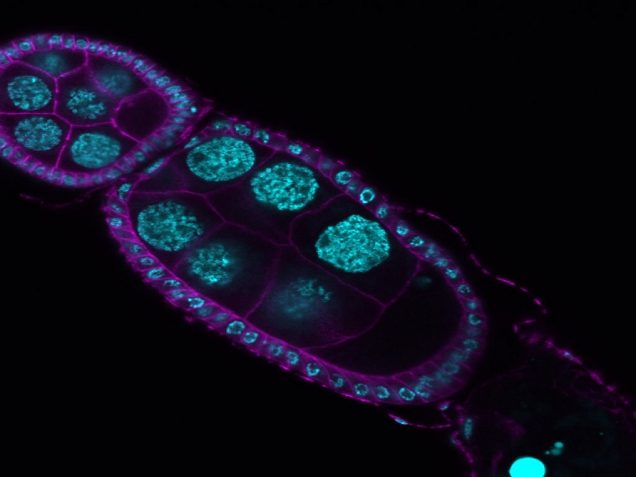
Kim McCall is a Professor of Biology at Boston University, where she leads research on Drosophila developmental biology, cell death mechanisms, and oogenesis. Her laboratory investigates molecular mechanisms of programmed cell death and cell clearance using Drosophila melanogaster as a model organism. Her research focuses on: Germline cell death during oogenesis Non-apoptotic cell death pathways Corpse clearance by epithelial follicle cells Neurodegenerative mechanisms linked to phagocytic defects Evolutionary conservation of cell death pathways Recent publications demonstrate McCall's focus on phagocytosis mechanisms, neurodegenerative pathways, and non-apoptotic cell death, consistently utilizing Drosophila models to uncover fundamental biological processes with human disease implications. McCall teaches advanced courses in genetics and carcinogenesis, including BI 572 Advanced Genetics and BI 576 Carcinogenesis.