Furqan M Fazal is an Assistant Professor and CPRIT Scholar in Cancer Research at Baylor College of Medicine in Houston, Texas. He leads the Fazal Lab within the Department of Biochemistry and Molecular Pharmacology , focusing on RNA subcellular localization mechanisms and their implications in disease. His work bridges biochemical, genomic, and computational approaches to decode RNA organization. Core member of the Therapeutic Innovation Center (THINC) Faculty member at Dan L Duncan Comprehensive Cancer Center Affiliated with Chemical, Physical & Structural Biology and Cancer & Cell Biology Graduate Programs Research Interests center on: Transcriptome-wide RNA subcellular localization Regulation of mitochondrial gene expression RNA localization in nuclear membrane-less organelles Local translation mechanisms and RNA modifications Key Publications reveal trends in: APEX-seq technology for spatial RNA mapping Mitochondrial RNA interactions in disease RNA structural dynamics across compartments Scientific Awards : CPRIT First-time Tenure-track Faculty Award ($2M) NIH K99/R00 Pathway to Independence Award Welch Research Grant Education : Postdoctoral Fellowship (2021-present), PhD (Stanford 2015), MS (Stanford 2010), BA (Amherst College 2008)
Meni Wanunu is a Professor of Physics and Bioengineering at Northeastern University, with an affiliation in the Department of Chemical Engineering. His research focuses on developing nanotechnology-based methods for studying biomolecules at the single-molecule level, including nanopore sensors for RNA sequencing and proteomics. His lab bridges fundamental research with translational tools using micro/nanolithography and microfluidic devices. Education: PhD in Chemistry/Materials and Interfaces from the Weizmann Institute of Science (2005). Research Interests: Single-molecule analysis, nanopore technology, electro-optical zero-mode waveguides, and engineered biomolecular sensors. His work integrates computational tools for big data analysis alongside experimental methods. Grants & Awards: NIH grants (e.g., $4.2M for RNA sequencing tools), Northeastern NAI Innovator of the Year Award (2024), and multiple patents (e.g., lipid-free nanopore anchoring). He has been cited in the top 2% of global scientists by Stanford University (2023-2024). Labs/Teams: Wanunu Lab, collaborating with Yale University and industry partners like Oxford Nanopore Technologies.
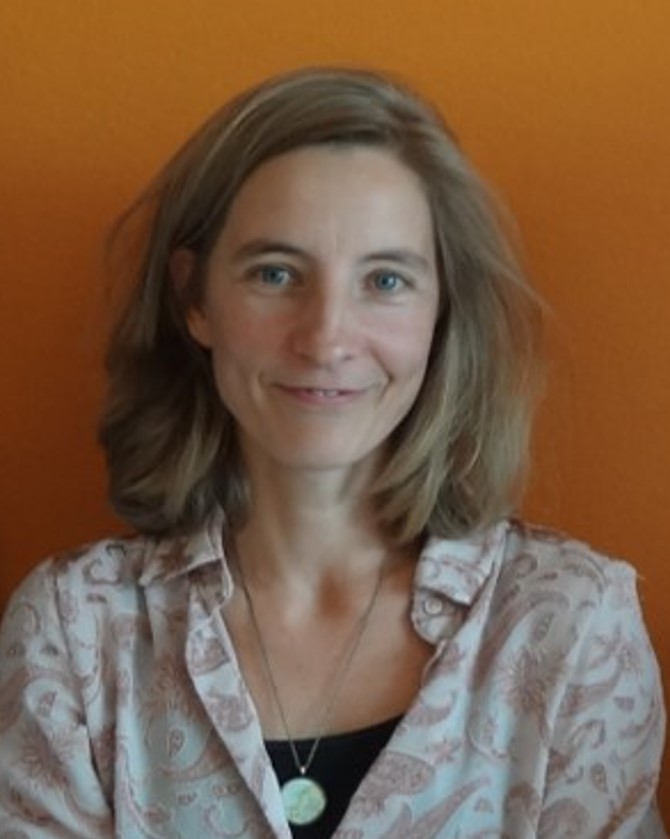
Yvonne Böttcher is a Professor and Head of the Department of Clinical Molecular Biology at the University of Oslo, Norway. She leads the "Functional Genetics of Obesity" research group, focusing on epigenetic mechanisms, RNA modifications, and genetic risk variants in obesity and metabolic disorders. Her academic roles include a 20% Research Professor position at Akershus University Hospital. Education & Background: PhD in Biology (2005), University of Leipzig, Germany Master of Science in Biology (2000), Germany Research Interests: Her work explores adipose tissue biology, chromatin accessibility, histone modifications, and RNA methylation in obesity and type 2 diabetes. She investigates the interplay between genetic variants and epigenetic marks, particularly in visceral vs. subcutaneous fat distribution. Awards & Fellowships: 2020 Ferdinand-Bertram-Prize (German Diabetes Society) EFSD/Lilly Research Fellowship (2013) Multiple competitive postdoctoral fellowships (Germany, UK, and Norway) Lab & Team: The group includes researchers like Akin Cayir, Sadia Saeed, and Stina Svensson, focusing on tools like EpiMapper for chromatin analysis. Collaborations span Norway, Germany, and international institutions. Grants & Initiatives: Finalist for the K.G. Jebsen Center for Obesity Research (2021, 2023). Active in precision medicine and obesity research networks (e.g., Nordic Society for Precision Medicine).
Shobbir Hussain is an Associate Professor and Senior Lecturer in the Department of Life Sciences at the University of Bath. He holds a PhD in Human Genetics from King’s College London and completed postdoctoral training at the University of Cambridge. His research focuses on understanding how mRNA transcriptome plasticity influences neurodevelopmental disorders and learning difficulties, employing next-generation sequencing and transgenic models for in vivo studies. Education: PhD in Human Genetics, King’s College London Postdoctoral training at the University of Cambridge Research Interests: Dr. Hussain’s work centers on molecular investigations of mRNA transcriptome dynamics, particularly in neurodevelopmental disorders. His laboratory develops and applies advanced sequencing techniques, such as Nanopore sequencing, and utilizes genome-edited models to study biological outcomes. Key areas include RNA methylation mechanisms, epitranscriptomics, and the functional implications of transcriptomic variations. His research has been supported by grants from the Biotechnology and Biological Sciences Research Council, The Wellcome Trust, and The Royal Society. Notable projects include studies on the functions of extra-nuclear splicing regulators, epitranscriptome characterization using catalysis-dependent RIPseq, and the development of FICC-Seq for methyl-5-uridine profiling. Advising and Grants: Dr. Hussain has supervised one documented research student. His grants span from 2015 to 2025, addressing topics such as neuronal connectivity and mRNA methylation patterns. Labs and Teams: His laboratory at the University of Bath specializes in cutting-edge sequencing technologies and in vivo model systems to explore transcriptomic and epigenetic mechanisms underlying neurological conditions.
Suhn Kyong Rhie is an Assistant Professor in the Department of Biochemistry and Molecular Medicine at the Keck School of Medicine, University of Southern California. Her research focuses on understanding gene regulation in cancer and neurodevelopmental diseases through integrative genomic and epigenomic approaches. She leads the Rhie Lab, which employs cutting-edge technologies like ChIP-seq, RNA-seq, and CRISPR/Cas9 to study 3D chromatin structure and transcriptional regulation. Education: She holds a B.S. in Biochemistry (magna cum laude) from UCLA (2007) and a Ph.D. in Genetic, Molecular and Cellular Biology from USC (2013). Her postdoctoral training was conducted under Drs. Peter Laird and Peggy Farnham, focusing on epigenetic mechanisms in cancer. Research Interests: Dr. Rhie investigates how transcription factors and regulatory elements drive disease progression in cancers (e.g., prostate, bladder, colon) and neurodevelopmental disorders. Her work integrates molecular biology, bioinformatics, and high-throughput sequencing to uncover epigenetic and genomic drivers of disease, with a goal of developing therapeutic strategies. Awards: NCCC Cancer Equity Scholar (2023) NCI EIAP Scholar (2022) NCI Career Development Award (2018-2021) Ethel Terry McCoy Award for Excellence in Chemistry and Biochemistry (2007) Key Contributions: Her lab has pioneered methods like Methyl-Micro-C to profile chromatin interactions and DNA methylation. She also leads initiatives in health equity, such as the Florida-California CaRE2 Center, addressing disparities in cancer care. Her research spans collaborative consortia including TCGA, ENCODE, and PsychENCODE.
Dr. Nikolay Shirokikh is a Research Fellow at the Australian National University's John Curtin School of Medical Research, where he leads the Shirokikh Group focusing on Protein Biosynthesis and Homeostatic Control. His research examines rapid cellular responses through gene-specific translation analysis using high-throughput RNA/protein methods and computational biology. Research interests include: RNA biology and translational control mechanisms Stress response pathways in cancer and neurological disorders Computational modeling of protein biosynthesis Recent publications (2022-2024) demonstrate a focus on RNA modifications, nanopore sequencing, and machine learning applications in transcriptome analysis. Major themes include RNA modification mapping, translational dynamics under stress, and evolutionary conservation of RNA machinery. Awards: The Gordon Ada Early Career Researcher Award (2016) Supervises PhD students including Shafi Mahmud, Mohammed Muntasir, Agin Ravindran, and Katrina Woodward. Collaborates with the Hannan Group on cancer therapeutics and contributes to the Shine-Dalgarno Centre for RNA Innovation.
Paul Christopher Boutros is a Professor of Human Genetics and Urology at the University of California, Los Angeles (UCLA), where he also serves as the Acting/Interim Associate Dean in the School of Medicine. He is affiliated with the UCLA Institute of Urologic Oncology and has made significant contributions to cancer genomics, particularly in prostate cancer research. Dr. Boutros holds a PhD in Medical Biophysics from the University of Toronto (2008) and a B.Sc. in Chemistry from the University of Waterloo (2004). He also completed an Executive MBA from the University of Toronto Rotman School of Management (2016). His educational background includes specialized training in mentorship, leadership, and sex and gender in biomedical research. His research focuses on applying computational approaches to cancer genomics, with particular emphasis on prostate cancer. His laboratory integrates machine learning, cloud computing, and advanced statistical methods to analyze genomic, transcriptomic, and proteomic data. Key research areas include cancer heterogeneity, epigenetics, DNA repair mechanisms, and sex differences in cancer biology. His work bridges computational biology with clinical applications, aiming to translate genomic discoveries into improved cancer diagnostics and therapies. Analysis of Dr. Boutros's recent publications reveals a strong focus on prostate cancer genomics, with particular attention to tumor heterogeneity, epigenetic modifications (including N6-methyladenosine), and sex differences in cancer biology. His research increasingly incorporates machine learning approaches to analyze complex genomic datasets and translate findings into clinical applications. The work often involves large-scale collaborative efforts with multiple institutions. Excellence in Postdoctoral Mentoring Award, UCLA, 2023 Outstanding Mentorship Award, BIG Summer Research Program, UCLA, 2023 Bernard and Francine Dorval Prize, Canadian Cancer Society, 2018 Top 25 Peer Reviewer, Journal of the National Cancer Institute, 2019-2020 Early Career Excellence in Graduate Teaching and Mentorship, University of Toronto, 2016 Dr. Boutros has been actively involved in mentoring and training the next generation of scientists, as evidenced by his multiple mentoring awards. His laboratory develops and applies computational pipelines for genomic analysis, including the Metapipeline-DNA framework. His collaborative approach is reflected in numerous multi-institutional projects focused on understanding cancer biology through integrated genomic analyses.
Dr Jungnam Cho is an Associate Professor in the Department of Biosciences at Durham University, UK. Prior to this role, he served as a Group Leader at the CAS-JIC Centre of Excellence for Plant and Microbial Sciences (2018–2023), jointly affiliated with the John Innes Centre and the Chinese Academy of Sciences. His academic background includes a BSc (2007) and PhD (2013) from Seoul National University, followed by post-doctoral research at the University of Cambridge (2013–2018). Education: Bachelor of Science in Biology, Seoul National University (2007) Doctor of Philosophy in Plant Molecular Biology, Seoul National University (2013) Post-doctoral training at University of Cambridge (2013–2018) Research Interests: Dr Cho’s lab focuses on understanding the biological functions of transposable elements (TEs) in plants, particularly their roles in genome plasticity, epigenetics, and epitranscriptomics. His work challenges the notion of TEs as 'junk DNA' by exploring their contributions to genetic diversity and genome evolution. Using Arabidopsis and rice as primary models, his lab employs a multidisciplinary approach combining genetics, biochemistry, molecular biology, and computational methods to dissect TE regulation mechanisms. Recent studies highlight the lab’s focus on m6A RNA methylation, transposon mobilization under environmental stresses, and leveraging TEs for crop improvement. Articles Trends: His recent publications emphasize the interplay between RNA modifications (e.g., m6A methylation/demethylation) and transposon activity, with a strong focus on plant-specific mechanisms. Collaborations with institutions like Zhejiang University and Fudan University underscore his work’s global impact. Key themes include TE-driven epigenetic reprogramming in bamboo, synthetic retroelement integration, and the role of transposon-derived non-coding RNAs in developmental processes. Scientific Awards: CAS PIFI visiting scholar award (2025) Advising & Grants: Dr Cho currently advises two PhD students: Ben Shone and Seunghui Mun. His lab has secured notable grants including a BBSRC standard research grant and The Great Britain Sasakawa Foundation Grant. Previous notable work includes identifying TEs as microRNA sponges in rice root development and elucidating light-induced histone demethylation in seed germination. Labs & Teams: As head of the Plant Genome Dynamics Lab , Dr Cho leads a team focused on unraveling transposon regulation through innovative techniques like ALE-seq and integrates computational biology with experimental genetics. Collaborators include Professors Chanhong Kim (epigenetic signaling) and Yijing Zhang (rice genomics).
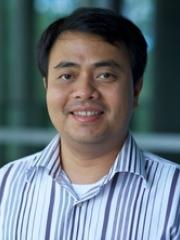
Dr Nyoman Kurniawan is a Senior Research Fellow at the Centre for Advanced Imaging and Facility Manager for the Preclinical 16.4T Microimaging 9.4T MRI scanners at the Queensland Brain Institute, University of Queensland. His research focuses on advanced MRI techniques, including diffusion MRI in neurological disease models, 3D brain atlases, and applications in nephron and agricultural imaging. He holds a PhD in structural biology from The University of Queensland (2002). His expertise spans neuroimaging, developmental neurobiology, and translational MRI methodologies. Key contributions include developing MRI protocols for small animal studies, investigating spinal cord pathologies, and applying imaging to study brain connectivity in mouse models. His work bridges clinical and basic science, with applications in neurodegenerative diseases, trauma, and marine biology. Dr Kurniawan collaborates internationally on spinal cord MRI standards and has pioneered studies on octopus brain structure and octopus mating behavior. He also explores the effects of vitamin D deficiency on neuroanatomy and leverages deep learning for motion correction in kidney imaging. His lab contributes to open-access neuroimaging data and collaborates with institutions globally to advance imaging reproducibility.
Dr. Jocelyn Widagdo is a Senior Research Fellow at the Queensland Brain Institute, University of Queensland, affiliated with the Clem Jones Centre for Ageing Dementia Research. She holds a PhD from the University of New South Wales (2011) and completed postdoctoral training at Johns Hopkins University, USA. Her research focuses on understanding synaptic plasticity, learning, and memory through the lens of dynamic DNA, RNA, and protein regulation, with implications for neurodegenerative and neuropsychiatric disorders. Key areas include epigenetic mechanisms (e.g., m6A RNA modifications), AMPA receptor trafficking, and neurodegenerative proteinopathies such as Alzheimer’s and ALS. Education: PhD in Neuroscience (UNSW, 2011) Affiliations: Queensland Brain Institute, Clem Jones Centre for Ageing Dementia Research Research interests span synaptic plasticity, RNA epitranscriptomics, and the molecular underpinnings of neurodegeneration. Her work bridges basic neuroscience with translational insights into cognitive decline and dementia. Publications highlight interdisciplinary approaches, with a focus on protein regulation, RNA modifications, and aging-related mechanisms. Her research has been funded by prestigious grants, including an ARC Discovery Early Career Fellowship (2017) and an ARC Discovery Project (2023). Awards: ARC Discovery Early Career Researcher Fellowship (2017), ARC Discovery Project grant (2023) Her studies often involve collaborations with leading institutions and employ advanced techniques like proteomics, transcriptomics, and cellular modeling to dissect disease mechanisms.
Associate Professor Victor Anggono is an ARC Future Fellow and Group Leader at the Queensland Brain Institute (QBI), University of Queensland, with an affiliation as an Associate Professor at the Clem Jones Centre for Ageing Dementia Research. His research focuses on synaptic neurobiology, particularly mechanisms regulating neuronal membrane trafficking and epitranscriptomic processes during learning, memory, and neurodegeneration. Anggono earned his PhD from the University of Sydney and completed postdoctoral training at Johns Hopkins University. He joined QBI in 2012 as an NHMRC CJ Martin Research Fellow and has since led studies on synaptic vesicle trafficking, AMPA receptor dynamics, and RNA modifications in neurons. His work combines molecular biology, mouse models, proteomics, and behavioral analyses. Key research areas include: synaptic plasticity, neuronal trafficking pathways, and RNA epigenetics. He has published in top journals like Nature Neuroscience and Neuron, with over 1,500 citations. Notable awards include the Young Investigator Award (Asian-Pacific Society for Neurochemistry, 2016) and Science to Art Award (NHMRC, 2015). His team investigates how dysregulated mechanisms contribute to Alzheimer’s disease and neuropsychiatric disorders. Current projects explore FTO’s role in DNA repair, AMPA receptor ubiquitination, and learning-induced synaptic remodeling. Students and postdocs in his group study molecular and cellular neuroscience using advanced imaging and genetic tools.
Anggono is a researcher at the University of Queensland's Queensland Brain Institute (QBI), focusing on synaptic plasticity and neurobiological mechanisms of learning, memory, and neurodegenerative diseases. His work explores inhibitory synapse remodeling, neurotransmitter receptor trafficking, and RNA modifications in aging brains. Key research areas: Synaptic Plasticity, Neurotransmitter Receptors, Epigenetics, and Neurodegeneration. Recent studies include DNA repair suppression via FTO, Tau protein dynamics in synaptic plasticity, and metabolic therapies for hereditary spastic paraplegia. Collaborative projects address Alzheimer's disease, epilepsy, and gynaecological cancer treatment through NHMRC-funded initiatives. His publications highlight AMPA/NMDA receptor regulation, biomolecular condensates, and calcium signaling pathways.
Helen Piontkivska is an Associate Professor at Kent State University , actively contributing to the fields of Comparative Genomics, Evolutionary Biology, and Bioinformatics. Her research focuses on RNA editing dynamics, host-pathogen interactions, and stress-induced transcriptomic changes across diverse biological systems. Key research themes include: ADAR editing mechanisms in neurodegenerative diseases Transcriptomic responses to hypoxia and viral infections Computational approaches to disease modeling and misinformation analysis Evolutionary patterns in mitochondrial DNA and xenobiotic enzymes Her recent publications highlight applications of machine learning in health research, molecular biomarkers in marine organisms, and hormonal regulation of Alzheimer's pathology. Affiliated with the Healthy Communities Research Institute, she integrates interdisciplinary approaches to genomic and proteomic challenges.
Prof. Tanja Schirmeister is a Professor of Medical/Pharmaceutical Chemistry and currently serves as Dean of the Department of Chemistry, Pharmacy, Geography, and Geosciences at Johannes Gutenberg University Mainz since 2011. Previously, she worked at the University of Würzburg for 11 years. Her academic journey includes studies, doctorate, and habilitation from the University of Freiburg. Education: 1982: Abitur 1987: University degree 1988: Approbation 1993: Doctorate 1999: Habilitation Research Interests: Her work focuses on protease inhibition , particularly targeting enzymes involved in diseases like African sleeping sickness, malaria, and SARS-CoV-2. She pioneered covalent inhibitors, now validated by the EMA’s approval of Pfizer’s Paxlovid®. Collaborations include Brazilian research groups and quantum chemists for atom-level reaction modeling. She emphasizes balancing career and family, advocating for mentorship and structured career planning in academia. Key Contributions: Her lab develops antiviral agents, covalent inhibitors for parasitic proteases, and immunomodulatory drugs. She co-authored over 150 publications, with recent breakthroughs in SARS-CoV-2 Mpro inhibition and cathepsin S targeting for cancer. Teaching & Mentoring: Enjoys teaching stereochemistry and organic chemistry, emphasizing holistic scientific perspectives. Actively supports mentoring programs to advance early-career researchers. Labs/Teams: Leads a dedicated research group focused on drug discovery and enzyme mechanisms. Collaborates with quantum chemists and industry partners (e.g., Pfizer). Personal Highlights: Collects model trains, garden gnomes, and prioritizes family time with grandchildren. Enjoys outdoor terraces overlooking mountains.
William Placzek is an Associate Professor at the University of Alabama at Birmingham in the Biochemistry & Molecular Genetics department. He also holds secondary appointments in the College of Arts and Sciences - Chemistry and School of Medicine institutions. His research focuses on biochemical mechanisms of chemoresistance, utilizing NMR spectroscopy and synthetic peptides to identify therapeutic targets. Degree: PhD in Molecular Biology from The Scripps Research Institute (2007) Postdoctoral Training: Sanford-Burnham Medical Research Institute (2007-2012) Key research areas involve: rBH3 motif regulation of anti-apoptotic Bcl-2 proteins Targeted inhibitors of SUMOylation enzyme Ubc9 Peptide-based high-throughput screening assays Development of first-in-class peptide inhibitors His recent publications examine metabolic vulnerabilities in renal cancer, glioblastoma sensitization through HDAC inhibition, and epigenetic mechanisms in mixed lineage leukemia. Notably, he serves as Director of Central Alabama High-Field NMR Facility and Co-Director of UAB Structural Biology Core Facility . Teaching activities include: Biochemical Principles Enzyme Kinetics Student Theme Meetings Journal Club facilitation