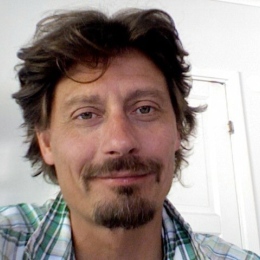
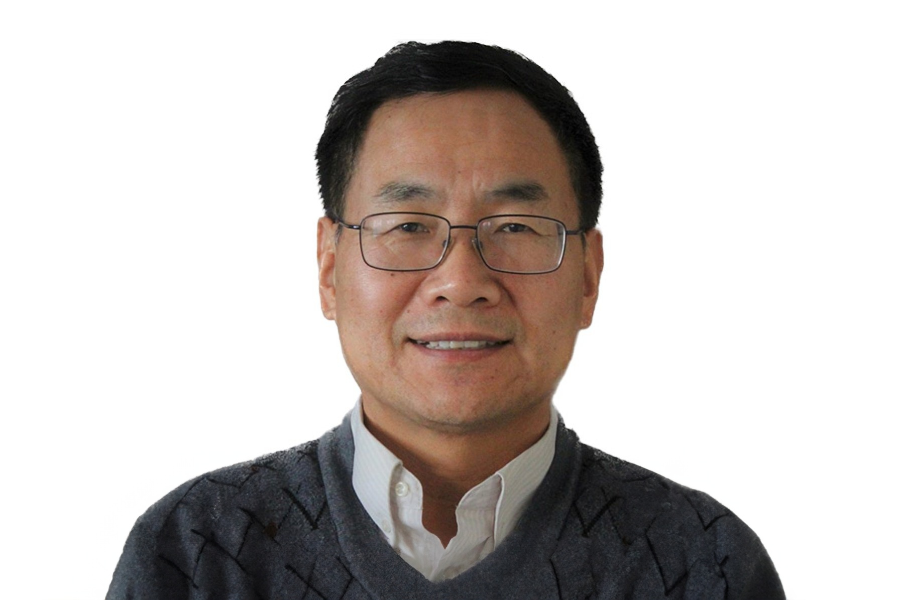
Dr. Sotirios Fragkostefanakis is the Head of the HeatStress-Lab at Goethe University Frankfurt's Faculty of Biological Sciences, Department of Molecular Cell Biology. His research focuses on plant stress biology, particularly heat stress responses and epigenetic regulation in crop resilience. As part of the RECROP COST Action, he leads efforts to enhance crop adaptation to climate change. His group investigates molecular mechanisms underlying cellular homeostasis and surveillance, leveraging plant models like tomato and Arabidopsis. Key topics include heat stress transcription factors, RNA splicing regulation, and epigenetic control of genome organization. Collaborations with international networks aim to translate fundamental discoveries into strategies for climate-smart agriculture. Dr. Fragkostefanakis chairs the RECROP initiative, fostering global research to improve crop resilience. His team's work has been recognized through awards, such as Zahide Aslan's Best Plant Science Master's Thesis prize for heat stress research. Labs under his leadership include the HeatStress-Lab and contributions to the RiboBio-Lab, DynaMem-Lab, and Cyano-Lab consortia.
Chris Smith is a Professor in the Department of Biochemistry at the University of Cambridge, leading research on the mechanisms of regulated alternative pre-mRNA splicing. His work combines molecular, biochemical, and computational approaches to study splicing regulators in vascular smooth muscle cells and lymphoid systems. Key research focuses include the master regulator RBPMS, phosphorylation-driven splicing activity, and PTBP1's role in B cell selection. Research Interests: Mechanisms of alternative splicing regulation RBPMS's role in smooth muscle cell differentiation PTBP proteins in immune cell function Global splicing networks and regulatory interactions Collaborations include Sanjay Sinha (Cambridge Stem Cell Institute), Helle Jørgensen (Department of Medicine), and Martin Turner (Babraham Institute). The group investigates splicing's role in cell-specific phenotypes and disease relevance. Lab activities include transcriptomic, proteomic, and structural studies. Contact: cwjs1@cam.ac.uk
Dr. Younbok Lee is a Senior Lecturer in Basic and Clinical Neuroscience at King's College London. He is also Vice President and Head of Discovery at AviadoBio, a university spin-out专注于基因治疗开发 for neurodegenerative disorders. His primary research focuses on gene therapy strategies for amyotrophic lateral sclerosis (ALS) and frontotemporal dementia (FTD), particularly targeting C9orf72 mutations and RNA-binding proteins like TDP-43. He collaborates closely with institutions like University College London and the Motor Neurone Disease Association. His work integrates molecular biology, gene therapy vectors, and preclinical studies to address challenges in neurodegenerative disease treatment. Key collaborations include projects with Professors Christopher Shaw and James Uney. Dr. Lee leads multiple funded initiatives, including AAV gene therapy trials and industry partnerships to advance therapies for debilitating neurological conditions. Notable projects include the development of AVB-101 (a gene therapy targeting frontotemporal dementia) and studies on ER-mitochondria interactions in neurodegeneration. His publications emphasize mechanisms of RNA misprocessing, dipeptide repeat proteins, and cellular stress responses in ALS/FTD progression.
Jacquin C. Niles is the Whitaker Professor in Biomedical Engineering at the Massachusetts Institute of Technology, where he holds a joint appointment in the Department of Biological Engineering. He serves as Director of the MIT Center for Environmental Health Sciences and is an Associate Member of the Broad Institute. As an HHMI-Gates Faculty Scholar, Dr. Niles leads a research program focused on developing molecular tools to combat infectious diseases, particularly malaria. Education: B.S. in Chemistry, Massachusetts Institute of Technology M.D., Harvard Medical School Ph.D. in Molecular Toxicology, Massachusetts Institute of Technology Postdoctoral training, Department of Chemistry, UC Berkeley (Michael Marletta's lab) Dr. Niles' research program centers on developing innovative molecular tools to address critical questions in infectious disease biology, with a specific focus on malaria and Plasmodium falciparum . His lab emphasizes creating a versatile molecular toolkit for controlling gene expression and protein function in malaria parasites, which enables the elucidation of parasite gene function. This work integrates expertise across biomolecular engineering, chemical biology, synthetic biology, analytical chemistry, biochemistry, and molecular and cell biology to develop solutions applicable across various pathogens and model organisms. Analysis of Dr. Niles' recent publications reveals a consistent focus on developing and applying novel molecular technologies to malaria research. His work spans CRISPR-based genome editing, RNA-protein interaction systems for gene regulation, biosensor development for heme and zinc metabolism, and microfluidic approaches for malaria diagnostics. These publications demonstrate a progression from fundamental tool development to increasingly sophisticated applications in parasite biology and host-pathogen interactions. Scientific Awards: HHMI-Gates Faculty Scholar Dr. Niles has mentored numerous graduate students, postdoctoral researchers, and undergraduates through the Niles Laboratory. His former students have gone on to successful careers in academia, industry, and medicine. His research program has been supported by various grants that enable the development of novel molecular approaches to studying and combating malaria. The lab consists of a multidisciplinary team of Biological Engineers, Chemists, and Microbiologists working collaboratively to address challenges in infectious disease research. The Niles Laboratory, located at MIT, serves as a hub for innovative research at the intersection of engineering and infectious disease biology. The lab's collaborative environment fosters the development of new technologies that have applications beyond malaria research, contributing to broader advances in molecular biology and biomedical engineering.
Andrew K. Godwin, Ph.D., is a Chancellor’s Distinguished Chair in Biomedical Sciences Endowed Professor, Division Director of Genomic Diagnostics, and Director of Molecular Oncology at the University of Kansas Medical Center (KUMC). He is Deputy Director of the NCI-Designated KU Comprehensive Cancer Center and Founding Director of the Kansas Institute for Precision Medicine, the Biospecimen Shared Resource, and the Center for Genomic Services and Health Equity. With over 550 peer-reviewed publications and an h-index of 144, his work bridges basic and clinical sciences to advance precision oncology. Chancellor’s Distinguished Chair in Biomedical Sciences Division Director, Genomic Diagnostics Deputy Director, KU Cancer Center Founding Director, Kansas Institute for Precision Medicine Director, Biospecimen Shared Resource Director, Center for Genomic Services and Health Equity Dr. Godwin's research focuses on early cancer detection , liquid biopsies , and molecular therapeutics . His laboratory investigates extracellular vesicle biology , biosample ascertainment , and companion diagnostics to improve patient outcomes in ovarian cancer , breast cancer , and Ewing sarcoma . Recent work emphasizes multi-omics approaches for biomarker validation and therapeutic development . His laboratory has produced groundbreaking studies on AKT2 activation in ovarian cancer , KRAS mutations in EGFR-targeted therapy , and circulating tumor cell diagnostics . Current research trends integrate spatial transcriptomics , mitochondrial DNA mutations , and immune microenvironment profiling across cancer types. Scientific honors include: Dolph C. Simons, Sr. Higuchi Award (2020) KU Mentoring Awards (2021, 2024) NIH/NIGMS COBRE Grant ($24M total) CELLSEARCH® Clinical Validation Leadership Dr. Godwin mentors over 150 trainees across career stages and leads KUMC's Clinical Molecular Oncology Laboratory (CMOL) and Biomarker Discovery Lab (BDL) , advancing team science and translational research infrastructure.
Sevinç AKÇAY is a Lecturer at the Department of Molecular Biology and Genetics in the Faculty of Arts and Sciences at Kırşehir Ahi Evran University , Turkey. She holds a PhD (2016) and MSc (2012) in Molecular Biology from the University of Pittsburgh , and a BSc (2008) in Biology from Ankara University . Research Focus: Genetics, Molecular Biology, and Bioinformatics, with emphasis on elastin gene mutations , cancer genomics , and computational disease modeling . Key Projects: Investigated Tiochlorosid and Malathion effects on cancer cell lines; led studies on epigenetic mechanisms and ferroptosis in cancer . Teaching: Offers courses in Genetic Engineering , Epigenetics , and CRISPR Technologies at both undergraduate and graduate levels. Collaborations: Works with international researchers like Zsolt Urban (University of Pittsburgh) and Emine Güven (Düzce University) on computational biology and genetic disorders.
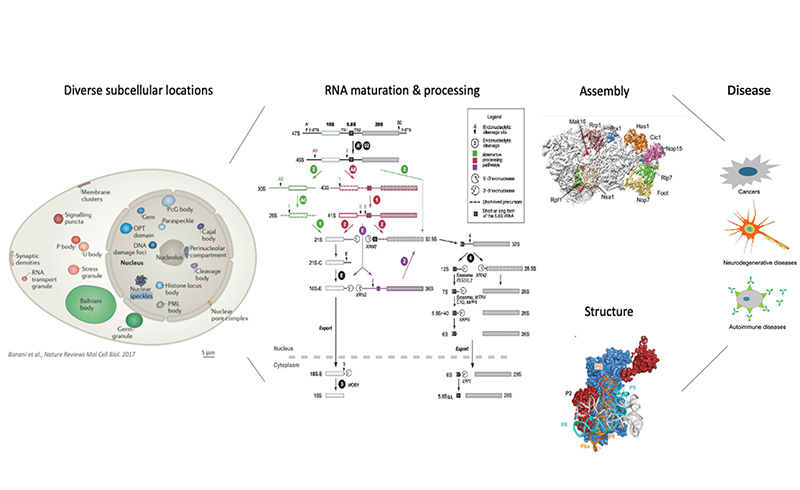
Marlene Oeffinger is an Associate Professor at the Faculty of Medicine, University of Montreal and holds a cross-appointment at the Division of Experimental Medicine, McGill University . She serves as Research Director of the Ribonucleoprotein Biochemistry Research Unit at the Montreal Clinical Research Institute (IRCM). Her research focuses on RNA maturation pathways, ribosome biogenesis, and their links to neurodegenerative diseases like Alzheimer's and ALS through RNA-protein complex dynamics. Education : Master's in Cell Biology (University of Vienna), PhD in Molecular Biology (University of Edinburgh). Training : Postdoctoral work in David Tollervey's lab (Edinburgh) and Mike Rout's lab (Rockefeller University). Her work combines proteomics , biochemical assays , and computational approaches to map RNA maturation networks and their connections to DNA damage repair. Recent articles highlight discoveries in archaeal ribosome evolution, mRNA export mechanisms, and RNA structure probing in yeast. She has received prestigious awards including the CIHR New Investigator Award , FRQ-S Junior Scholar Fellowships , and Revson Foundation Biomedical Fellowship . Marlene's lab trains students and researchers in RNA biology, with current members like Master's student Mauricio Hernandez Magana. Her affiliations span multiple platforms at the IRCM, including bioinformatics , proteomics , and molecular biology . She leads grants from CIHR , FRQNT , and Brain Canada , advancing understanding of RNA's role in disease etiology.
Carl Gotthard is Professor of Animal Ecology at the Department of Zoology, Stockholm University, and also active at the Bolin Center for Climate Research. His work focuses on the evolutionary ecology of developmental plasticity and life history in insects, primarily butterflies. Gotthard's research centers on how the diapause decision affects life cycle regulation and evolves due to variation in local selection pressures. He investigates how insect diapause and thermal adaptation affect spring phenology and interactions between butterflies and their host plants. His group explores the genetic background to adaptive variation in seasonal plasticity using a wide range of methods from field experiments to genomics. His recent publications reveal consistent themes across multiple disciplines including evolutionary ecology, climate change biology, and molecular entomology. His work demonstrates how seasonal specialization drives population dynamics, how urbanization affects phenology, and how local adaptation occurs along climate gradients. The research shows intricate connections between photoperiodic responses, diapause mechanisms, and climate adaptation in butterflies. Gotthard currently supervises three PhD students (Mats Ittonen, Anna Shoshan, and Isabelle Siemers) and has previously mentored numerous successful researchers who now lead their own groups at institutions worldwide. His research is funded by the Bolin Centre for Climate Research at Stockholm University and the Swedish Research Council (VR). He leads the Gotthard Group, which conducts research on the evolutionary ecology of developmental plasticity in insects. The group uses multiple approaches including field experiments, laboratory studies, and genomic analyses to understand how insects adapt to seasonal environments and respond to climate change.
Kangmin Duan, PhD, is a Professor at the Dr. Gerald Niznick College of Dentistry and cross-appointed to the Department of Medical Microbiology and Infectious Diseases at Max Rady College of Medicine, University of Manitoba. He serves as a scientist at the Children's Hospital Research Institute of Manitoba (CHRIM) and a principal investigator in the Manitoba Chemosensory Biology Research Group (MCSB). Education: Postdoctoral Fellowship, University of Calgary Doctor of Philosophy, University of New South Wales Master of Applied Science, University of New South Wales Master of Science, Northwest University (China) Doctor of Philosophy, Northwest University (China) Dr. Duan's research program focuses on bacterial pathogenicity, oral microbiome, antimicrobial drug resistance, and host-microbe interactions. His work explores how pathogens like Pseudomonas aeruginosa and Streptococcus mutans cause infectious diseases, interact within microbial communities, and develop resistance to antimicrobial agents. He integrates genetics, biochemistry, and multi-omics to investigate virulence systems like Type III and VI secretion, quorum sensing, and biofilm formation. Recent publications highlight trends in targeting Pseudomonas aeruginosa virulence through bitter taste receptor modulation, quorum sensing inhibition, and herbal compounds. His lab specializes in antimicrobial discovery, focusing on host-microbe interactions and cross-kingdom communication in polymicrobial environments. Teaching and Mentorship: Dr. Duan actively mentors graduate students, emphasizing rigorous, discovery-driven research. Ideal candidates possess motivation, logical thinking, and a background in biological sciences. Laboratory: Located at the Bannatyne Campus, Room D35B, the Duan Lab combines molecular microbiology and biotechnology to combat infectious diseases through novel chemical agents and therapeutic strategies.
Professor Graham Williams (BSc, MSc, PhD, SFHEA, FCSFS, FRSB) is a Professor of Forensic Science and Programme Director for Forensic Science at the University of Hull since May 2022. Previously served as Head of Department at Staffordshire University (2017-2019) and held academic roles at University of Huddersfield (2007-2017). Key affiliations include Centre for Biomedicine and Chartered Society of Forensic Sciences . Core Research Areas : Forensic Epigenetics, Body Fluid Identification, Bloodstain Pattern Analysis, AI in Forensic Science, Space Forensics Scientific Awards : Fellow of the Royal Society of Biology (2014) Senior Fellow of Advance HE (2017) Fellow of Chartered Society of Forensic Sciences (2018) UKCGE Recognised Research Supervisor (2021) Teaching Leadership : Directs BSc Forensic Science programs and teaches Crime Scene to Court Room modules. Supervises 8 PhD projects exploring: AI-based bloodstain analysis Forensic strategies for sexual assault cases DNA on counterfeit banknotes Microgravity bloodstain dynamics Epigenetic hearing loss research
Prof. Dr. Claude Becker is a faculty member at the Faculty of Biology, Ludwig Maximilian University of Munich , specializing in plant genetics and epigenetics. His research focuses on biochemical interactions in plant communities and the role of epigenetic marks in environmental adaptation. Specializations: Epigenetic regulation, allelopathy, plant-microbe interactions, DNA methylation dynamics Key Projects: Studying heritable phenotypic variation in clonal plants, analyzing stress-responsive epigenetic hotspots, and investigating gene cluster evolution in Oryza species. Recent publications highlight his work on transposable element dynamics, microbiome feedback mechanisms, and metabolic specialization in plant interactions. His research combines molecular biology with ecological perspectives to understand plant adaptation strategies. Contact: claude.becker@biologie.uni-muenchen.de
Prof. Korbinian Schneeberger is a full Professor of Computational Genetics and Genome Plasticity at the Ludwig Maximilian University of Munich , embedded within the Graduate School of Life Science Munich (LSM) . He leads a multidisciplinary team of bioinformaticians, biologists, and biotechnologists, all driven by a shared curiosity in genomic technologies and plant genome evolution. Contact: k.schneeberger@lmu.de . Research Focus: Genome plasticity and mutational dynamics across plant species Development and refinement of next-generation sequencing and assembly pipelines Comparative genomics, pan-genome construction, and structural variation Epigenetic regulation and transposon biology in plant genomes Meiotic recombination and crossover patterning in holocentric plants Application of single-cell and single-nucleus technologies to dissect gamete-level variation His laboratory develops widely-used bioinformatics tools—including SHOREmap , findGSE , SyRI , and plotsr —that enable the community to assemble, compare, and interpret plant genomes at unprecedented resolution. Recent work advances understanding of centromere evolution, adaptation to extreme soils, layer-specific somatic mutation patterns in fruit trees, and large-scale Arabidopsis population genomics. Scientific Output & Impact: Since 2015, Prof. Schneeberger has published more than 60 peer-reviewed articles, many appearing in top-tier journals such as Nature Genetics , Nature Plants , and Genome Biology . His 2025 studies already tackle the mutational landscape of Arabidopsis centromeres, scalable eQTL mapping in gametes, and the phased pan-genome of tetraploid potato, underscoring a trajectory at the forefront of plant genomic science. Funding & Collaborations: Research in the Schneeberger Lab is supported by multiple national and international grants, providing resources for high-throughput sequencing, computational infrastructure, and interdisciplinary training. The group actively collaborates with leading plant research centers worldwide, sharing data and tools to accelerate discoveries in crop improvement and evolutionary biology. Team & Environment: The lab operates as a vibrant, international environment with state-of-the-art wet-lab and computational facilities. Trainees and staff benefit from the rich ecosystem of LSM, including structured doctoral programs, career mentoring, and access to cutting-edge core facilities.
Ye Emily Wu, Ph.D., is an Assistant Professor jointly appointed in the Department of Neurobiology and Department of Biological Chemistry at the David Geffen School of Medicine, University of California, Los Angeles (UCLA). She leads an integrative research program combining molecular, circuit, and computational neuroscience to understand affiliative social behavior and its disruption in neurodevelopmental and neuropsychiatric disorders. Education: Ph.D. from Stanford University Postdoctoral training at University of California, Los Angeles Research Interests: Dr. Wu's research focuses on elucidating the molecular, cellular, and circuit mechanisms that govern social behavior. Her work spans genetics, bioinformatics, behavioral neuroscience, and computational modeling. She investigates how disruptions in these systems contribute to social deficits in autism and other neuropsychiatric conditions. Her recent work emphasizes the use of single-cell transcriptomics, calcium imaging, and behavioral paradigms to map brain activity to specific cell populations and understand prosocial behavior. Her research integrates cutting-edge techniques such as in vivo calcium imaging, optogenetics, and machine learning to dissect the neural circuits underlying empathy, parenting, and affiliative touch. This multidisciplinary approach allows her to bridge molecular insights with behavioral outcomes. Scientific Awards: No specific awards are listed in the provided text. Advising and Grants: While no specific students or grants are listed, her research program is clearly supported by active funding and includes mentoring roles within UCLA’s neuroscience community. Labs and Teams: Dr. Wu leads a research group at UCLA that collaborates across departments and uses advanced technologies to study neural circuits and social behavior. Her lab is affiliated with both the Department of Neurobiology and the Department of Biological Chemistry, reflecting her interdisciplinary expertise.
Kathleen E. Sullivan is a Professor of Pediatrics (Allergy/Immunology) at the Perelman School of Medicine, University of Pennsylvania , affiliated with the Children's Hospital of Philadelphia (CHOP) . Her research focuses on the epigenetics of inflammation and primary immune deficiencies , particularly examining enhancer-promoter interactions in systemic lupus erythematosus (SLE) using techniques like ChIP-seq and RNA expression analysis. Research Trends from her publications highlight: (1) epigenetic mechanisms in autoimmune diseases, (2) genetic basis of immune dysregulation, and (3) clinical-genomic correlations in 22q11.2 deletion syndrome. Her work bridges molecular immunology and pediatric clinical immunology . Contact: sullivank@email.chop.edu | Office: 267-426-2836
Chi-Lien Cheng is a Professor in the Department of Biology at the University of Iowa, where she investigates fundamental mechanisms of plant development with emphasis on alternation of generations in land plants and vegetative phase change in maize. Her research program leverages the model fern Ceratopteris richardii to dissect asexual life cycle transitions and identify evolutionarily conserved genetic pathways. Education: PhD, University of Connecticut Dr. Cheng's research integrates genetics, molecular biology, and evolutionary perspectives to understand how plants regulate developmental transitions across generations. Her laboratory focuses on molecular mechanisms controlling gametophyte-sporophyte switching in ferns and phase change in maize, utilizing genomic, transcriptomic, and functional approaches to elucidate conserved regulatory networks. This work provides critical insights into the evolution of developmental processes from non-seed to seed plants. Analysis of her 15 most recent publications (2018-2025) reveals three dominant research trajectories: (1) WOX gene family evolution and function in fern gametophyte development, (2) hormonal and epigenetic regulation of vegetative phase change in maize, and (3) molecular adaptation mechanisms in mangroves under environmental stress. Her publications consistently bridge model systems—from ferns to maize to mangroves—demonstrating how comparative approaches uncover universal principles in plant development. Dr. Cheng leads an active research laboratory that pioneered transformation techniques for Ceratopteris gametophytes, enabling genetic dissection of asexual reproduction pathways. Her team's identification of key genes in apogamy and apospory provides foundational knowledge for understanding apomixis in crop plants, with potential applications for agricultural innovation through clonal seed production.