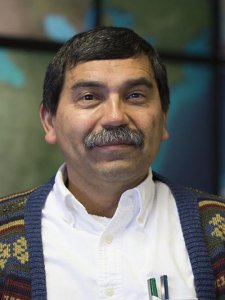
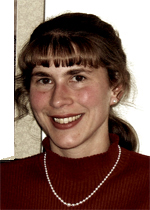
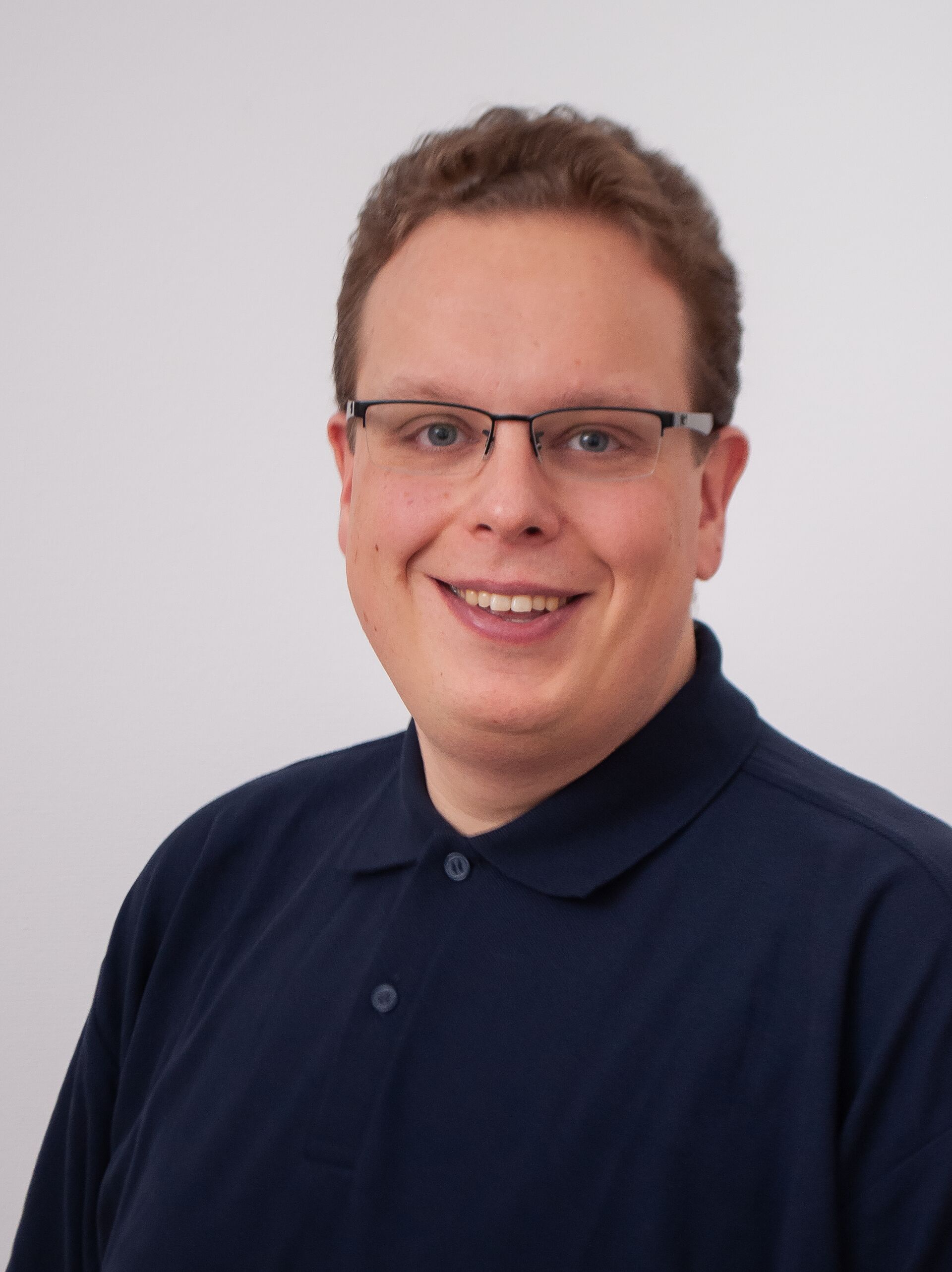
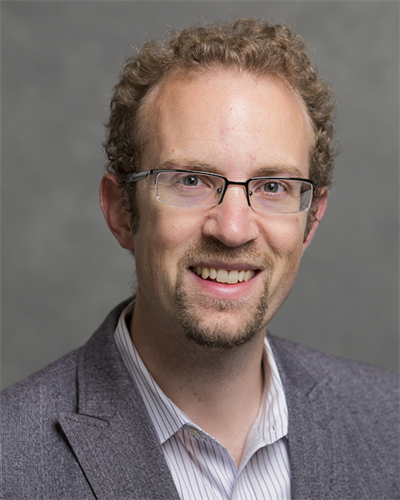
Dr. William Joseph Spring is a Senior Lecturer in the Department of Computer Science at the University of Hertfordshire, specializing in quantum and classical security systems. He contributes to research in cybersecurity, quantum AI, and stochastic theory while actively developing courses and supervising students in these fields. PhD, MSc, BSc(Hons), PGCE Member of STRI Research Centre and Algorithms, AI & Information Research Groups Active in AQPIDA, IACR, and International Quantum Structures Association Research Interests: Spring's work spans Classical and Quantum-Based Security for Distributed Systems, including intrusion detection, quantum voting protocols, and cybersecurity education. His theoretical research involves Martingale theory, C* algebras, and quantum state modeling in hyperbolic geometry. Recent Article Trends: His publications focus on quantum-driven security solutions, AI integration in education, and network resilience. Key areas include 5G cybersecurity, quantum probability, and pandemic-era pedagogical adaptations. Teaching & Collaborations: Spring has lectured in the UK, India, and the Middle East, covering quantum networks, cryptography, and cybersecurity. He has designed online modules and short courses globally.
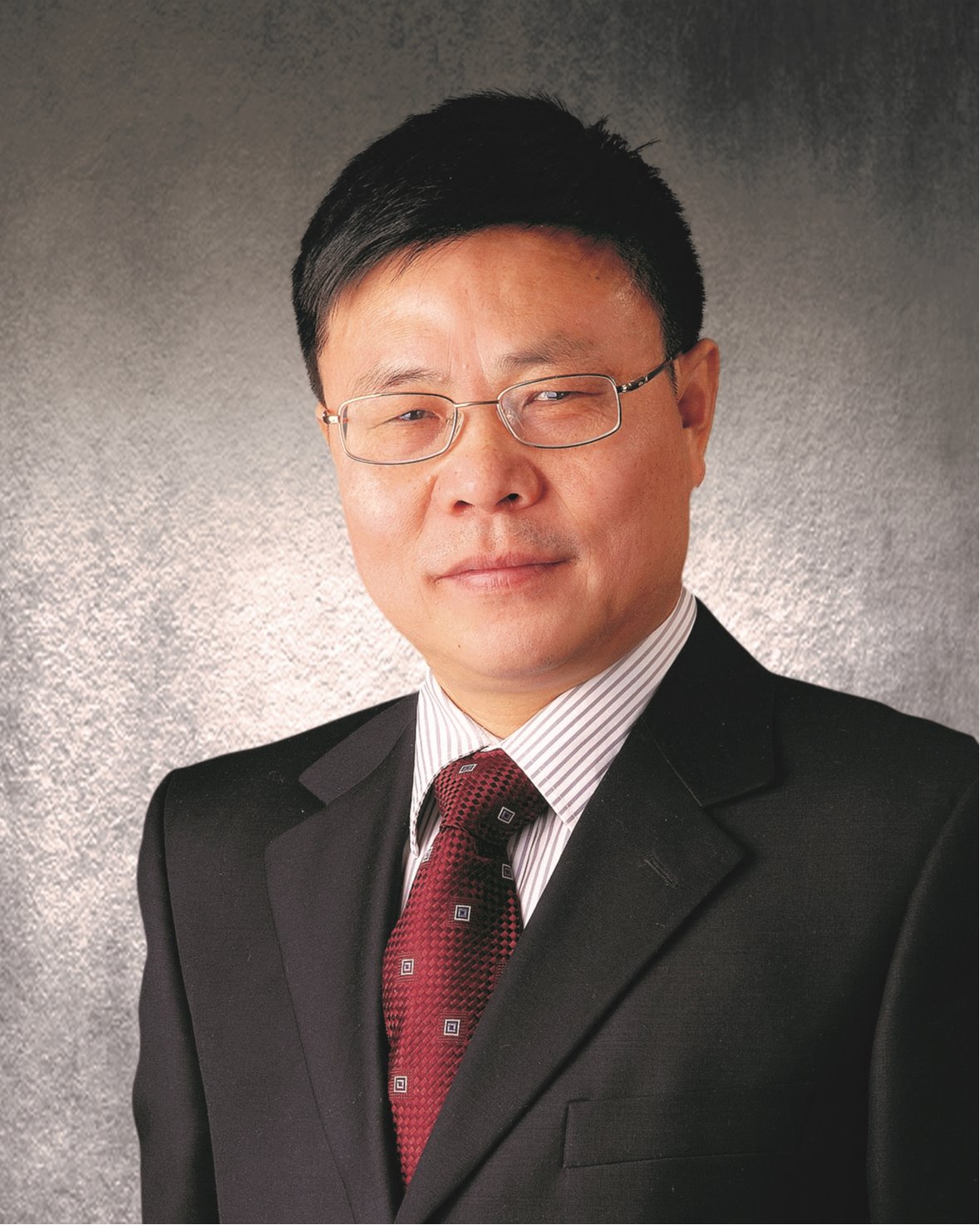
Yang Delin is a Professor in the Department of Innovation, Entrepreneurship and Strategy at Tsinghua University's School of Economics and Management, specializing in institutional innovation, technology entrepreneurship, and intellectual property systems within China's economic context. His work bridges academic research with practical applications in Zhongguancun Science Park and national innovation policy. Education: 1982: Bachelor of Physics, Central China Normal University 1991: Master of Quantum Electronics, Wuhan Institute of Physics, Chinese Academy of Sciences 1997: PhD in Business Administration, Graduate School of Chinese Academy of Social Sciences Professor Yang's research centers on institutional dynamics in innovation ecosystems, with emphasis on university spin-offs, technology commercialization barriers, and entrepreneurial behavior of technologists. His empirical studies reveal critical patterns in Chinese innovation systems, particularly how policy frameworks influence knowledge transfer and venture formation in science parks. Recent work examines motivation drivers for technical experts transitioning to management roles and cross-cultural innovation models. Analysis of his publication trajectory shows consistent focus on China's unique innovation challenges, evolving from early studies on university-enterprise interfaces to contemporary investigations of intellectual property strategy in SMEs. His work demonstrates methodological diversity, combining case studies from Zhongguancun with large-scale surveys of technology entrepreneurs. Scientific Awards: China Technology and Economy Outstanding Contribution Award (2018) Tsinghua University Teaching Achievement First Prize (2010) Beijing Educational Science Research Outstanding Achievement Award Second Prize (2008) Advanced Worker by Tsinghua SEM (2003, 2005) Yunnan Science and Technology Progress Award Second Prize (2000) Professor Yang maintains strong industry connections through MIT Sloan collaborations (2005, 2006-2007 Fulbright Scholar) and consults on national innovation policy. His teaching integrates theoretical frameworks with real-world case studies from China's technology sector.
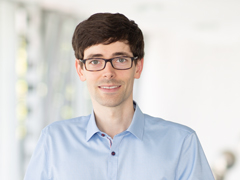
Dr. Simon Mages serves as Group Leader at the Gene Center and Department of Biochemistry, Ludwig Maximilians University Munich (LMU), within the Faculty of Medicine. His research bridges bioinformatics, high-performance computing, and theoretical physics to develop computational frameworks for spatial omics data analysis. Previously, he held positions as Scientist at LMU (2021-2022), Visiting Scientist at the Broad Institute of MIT and Harvard (2020-present), and Research Scientist at Siemens Corporation (2019). His research focuses on the physics of high-dimensional biological data , specifically developing methods to analyze cellular dynamics in joint position-internal state spaces using spatial omics. Key areas include spatial transcriptomics, single-cell data integration, and physics-inspired algorithm development. The Mages Lab collaborates extensively with clinical researchers to translate computational insights into biological understanding, particularly in cancer progression and tissue organization. Analysis of his publication record reveals a strong trajectory from theoretical physics ( 2015-2017 lattice QCD work ) to computational biology ( 2022-present spatial omics leadership ). His recent work demonstrates expertise in algorithm development (TACCO, SlideCNA), multi-omics integration, and clinical applications in oncology. The publications consistently emphasize scalable computational frameworks and physical modeling approaches. Selected scientific awards: German Research Foundation (DFG) Research Fellowship (2020-2022) Studienstiftung des Deutschen Volkes PhD Fellowship (2012-2015) Studienstiftung des Deutschen Volkes Scholarship (2008-2011) Mages advises doctoral researchers including Antonia Eicher and collaborates with major institutions like the Broad Institute. His lab develops open-source tools (BoReMi) and participates in high-impact consortia such as the Regev Lab collaborations. Current research integrates physics-based modeling with cutting-edge spatial technologies to decode multicellular functional units in cancer and tissue organization. The Mages Lab operates within LMU's BioSysM infrastructure at Butenandtstraße 1, leveraging high-performance computing resources for large-scale biological data analysis. The group maintains strong ties with both computational physics (through prior Jülich Supercomputing Centre work) and clinical research communities.
Peter Hore is Professor of Chemistry at the University of Oxford, where he has been affiliated since 1973. He received his education at Oxford (Chemistry student, 1973–1980) and completed postdoctoral research at the University of Groningen (1980–82). His career includes roles as a Junior Research Fellow (1982–83), Fellow of Corpus Christi College (1983–2023), and Professor of Chemistry (1983–present). His research focuses on Spin Chemistry and Magnetoreception , exploring magnetic effects on chemical reactivity, radical pair mechanisms in biological systems, and NMR techniques. Key areas include avian navigation via cryptochrome-based magnetic sensing, quantum effects in radical pairs, and magnetic field influences on biochemical reactions. His work bridges chemistry, biophysics, and ornithology. Recent publications emphasize cryptochrome dynamics , quantum magnetoreception , and spin-controlled nanomaterials . Trends show a shift toward in vivo validation of radical pair theories, interdisciplinary applications in oncology/nanotechnology, and high-precision spectroscopy. No scientific awards are listed in the provided text. He leads an active research group advising numerous PhD students (e.g., on spin dynamics, protein magnetosensitivity, and avian navigation). Labs utilize NMR, EPR, and computational tools to study magnetic field effects. Collaborative networks include the University of Oldenburg and the Timmel Group at Oxford.
Dr. Roberto Metere is a Lecturer in Cyber Security and Privacy within the Department of Computer Science at the University of York. His research focuses on formal verification of security properties for cryptographic constructions, with applications in cyber-physical systems and 5G/6G security . Expertise in formal verification via computational/symbolic models Current work on cybersecurity in active buildings and post-quantum threats Academic services: Program Committee member for SEC@SAC, ESORICS, and WISE-2024 Collaborator on multi-university projects including ABC and e4Future Developed ProVerif syntax highlight tools and educational resources Research Analysis: His publications emphasize security mechanization in protocols across multiple domains including vehicle-to-grid systems, smart buildings, and wireless network standards. While specific titles aren't always provided in the scraped content, his work consistently bridges cryptography with real-world cybersecurity implementation . Academic Contributions: Though no explicit scientific awards are listed, his role as Designated Expert for 802.11 security patches and Guest Editor for the Energies special issue on smart grid security demonstrate industry-standard technical authority.
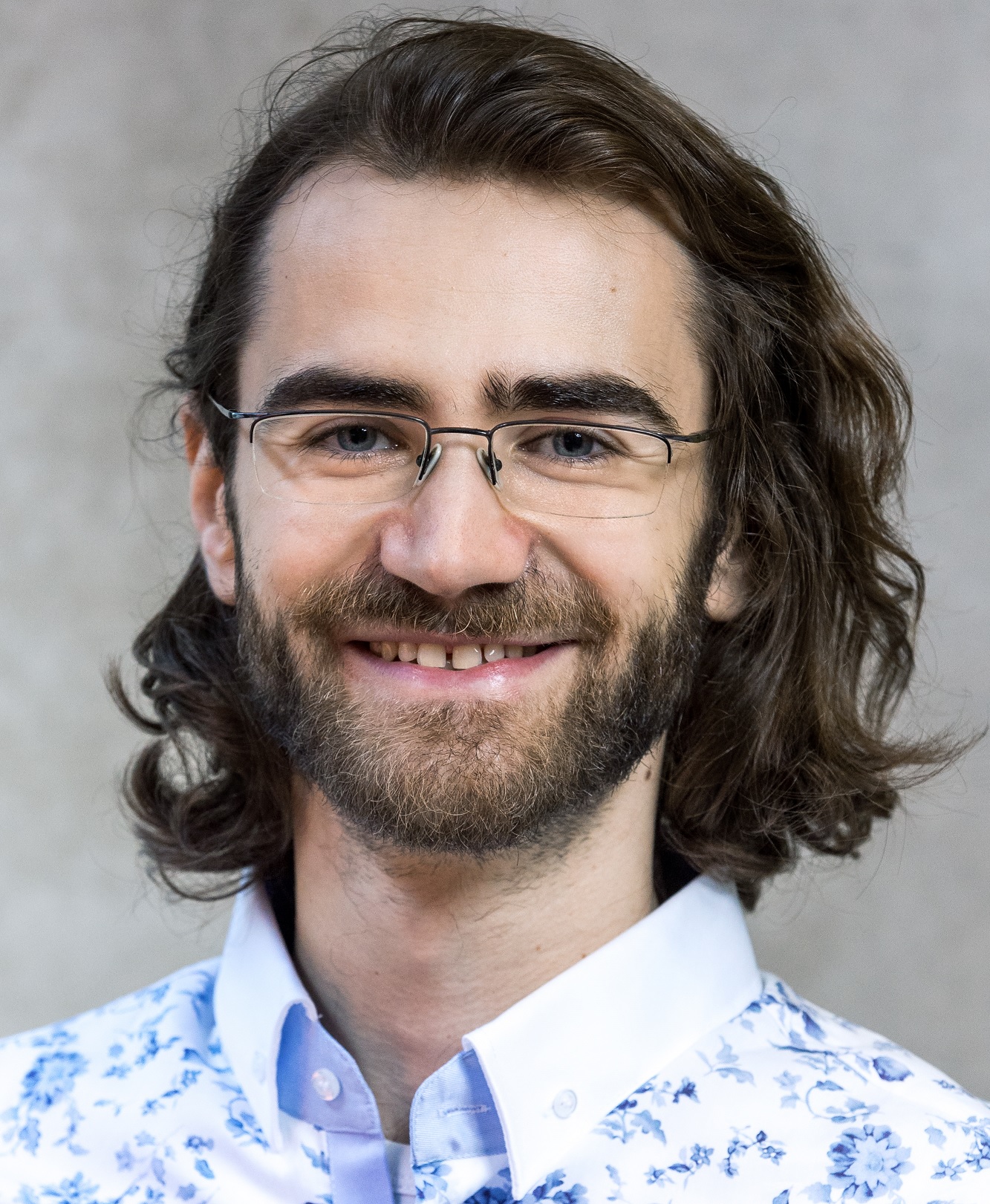
Dr. Emir Demirović is an Assistant Professor in the Department of Computer Science at Delft University of Technology (TU Delft), The Netherlands. He leads the Constraint Solving ("ConSol") research group and co-directs the Explainable AI in Transportation Lab ("XAIT") as part of Delft AI Labs. Prior roles: Postdoc at University of Melbourne (2017-2020), PhD at Vienna University of Technology (2017) Collaborations: Civil Engineering, QuTech, and industry partners Funding sources: Dutch national funding agency, TU Delft, VoestAlpine Research Focus: Constraint programming and combinatorial optimisation Explainable AI methods for decision-making systems Integration of optimisation with machine learning Robust/resilient optimisation for industrial applications Optimal decision trees with dynamic programming Quantum computing scheduling techniques Scientific Contributions: Pioneered "Pseudo-Boolean Reasoning" for algorithm certification Developed "Blossom" algorithm for optimal decision trees Advances in "Predict+Optimise" frameworks Created Pumpkin constraint programming solver Bridge between SAT/CP and Machine Learning Awards: First Place, MaxSAT Evaluation 2018+ First Place, ROADEF/EURO 2012 Adoption of methods in Google OR-Tools Collaborations: Research visits to EPFL, ANITI/CNRS, CUHK, Monash University, TU Wien Participated in Dagstuhl seminars, Lorentz workshops, and Simons-Berkeley programme
Dr. Bharatendra Rai is a Professor and Chairperson of the Decision & Information Sciences department at the University of Massachusetts Dartmouth's Charlton College of Business. His academic and research profile spans over two decades with contributions to business analytics, data mining, and reliability engineering. He teaches core business courses like MIS 101: The Business Organization and POM 212: Business Statistics , focusing on operations management and data-driven decision-making. PhD in Industrial Engineering (Wayne State University, 2004) MTech in Quality, Reliability & OR (Indian Statistical Institute, 1993) MSc in Statistics (Meerut University, 1991) His research interests include business analytics , deep learning , big data research , and reliability prediction , with applications in healthcare, manufacturing, and financial services. Recent publications cover topics from LSTM neural networks for sentiment classification to quantum computing in healthcare and energy efficiency optimization in renewable projects. Advising and grants: No formal advisees listed, but he has mentored students through University of Massachusetts Dartmouth's Big Data Club (winner of DataFest 2023's Best Data Visualization) and Data Challenge Kaggle initiatives. Collaborative projects include partnerships with NVIDIA and Dell on AI research.
Philip Grandinetti is a Professor in the Department of Chemistry and Biochemistry at The Ohio State University, part of the College of Arts and Sciences. His research focuses on developing Nuclear Magnetic Resonance (NMR) methodologies for materials science applications, including non-crystalline solids and energy storage materials. He holds a B.S. and M.S. from West Virginia University and a Ph.D. from the University of Illinois, Urbana-Champaign. He has held visiting professorships at Ecole Normale Superieure de Lyon and Stanford University. His work includes pioneering the 'symmetry pathways' framework for NMR experiment design, advancing understanding of glassy materials' structures, and investigating lithium-ion battery anode materials. He has been awarded the NSF CAREER Award (1995) and NSF Creativity Award (2004). His group collaborates internationally and has alumni in academia, national labs, and industry. Research grants primarily come from the National Science Foundation. His lab develops cutting-edge NMR techniques and software tools like MRSimulator, enhancing spectral simulation and analysis. Current projects explore in-situ NMR for dynamic material studies and statistical learning in NMR data interpretation.
Jose D. Fuentes is a Professor of Meteorology and Atmospheric Science at the Pennsylvania State University, affiliated with the Institute for Energy and the Environment (IEE). His research focuses on atmospheric chemistry, boundary layer dynamics, climate interactions, and pollutant deposition processes. He holds a position in the Department of Meteorology and Atmospheric Science and is based at the University Park campus. Key research themes include earth-atmosphere interactions, carbon cycling, and biogenic hydrocarbons. His work has been featured in prominent media outlets like The Atlantic and BBC, highlighting studies on air pollution impacts on pollinators and climate modeling in the Amazon Basin. Fuentes leads projects such as 'Facilitating Environmental Investigations' and 'Influences of Air Pollutants on Plant-Insect Interactions.' He is also involved in developing tools like the CCdownscaling Python package for climate model analysis. Research interests span environmental modeling, Arctic atmospheric chemistry, and sustainability frameworks. While no specific awards are listed, his contributions to atmospheric science are evident through his extensive publication record and media engagement. His advising and grants focus on interdisciplinary collaborations, including virtual research initiatives and regenerative landscape design frameworks.
Dr. Avishek Nag is an Assistant Professor in the School of Computer Science at University College Dublin, Ireland. His work focuses on network optimization, quantum communication, machine learning, and 6G technologies. He holds a PhD from the University of California, Davis, and has over 100 publications in journals, conferences, and book chapters. Education: B.E. (Honours) in Computer Science from Jadavpur University (2005) M.Tech. from Indian Institute of Technology Kharagpur (2007) Ph.D. in Computer Science from University of California, Davis (2012) Research Interests: Quantum Networks & Key Distribution (QKD) 6G Networks & Explainable AI IoT Security & Edge Computing Optical Network Optimization Machine Learning for Biometrics & Healthcare Recent Publications: Recent work includes hybrid noise modeling for quantum satellite communication, XAI-driven network slicing for 6G, and ECG-based biometric systems. His research bridges theoretical advancements with practical implementations in telecommunications and cybersecurity. Awards: 2008 IEEE Advanced Networks Best Paper Award Grants & Leadership: Outreach Lead for IEEE UK & Ireland Blockchain Group Coordinated Cross-Atlantic EU-US testbed experiments Teaching: Teaches Distributed Systems, Wireless Communications, and Software Engineering at UCD.
Christine Aikens is a University Distinguished Professor of Chemistry at Kansas State University (KSU), where she leads the Aikens Research Laboratory. Her work focuses on theoretical and computational studies of nanomaterials, particularly noble metal nanoparticles and their applications in catalysis, energy, and biorenewables. She holds a B.S. from the University of Oklahoma (2000) and a Ph.D. in Physical Chemistry from Iowa State University (2005), followed by postdoctoral research at Northwestern University (2005–2007). Her research emphasizes understanding structure-property relationships in nanomaterials, including optical properties, electron dynamics, and catalytic reactivity. Major areas include plasmon-enhanced photocatalysis, bioinspired water splitting catalysts, and ligand effects on nanoparticle stability. She collaborates with experimental groups globally, including the Di Sun and Ackerson groups for nanocluster characterization and synthesis. Dr. Aikens has received numerous awards, including the NSF CAREER (2010), Sloan Fellowship (2011), Camille Dreyfus Teacher-Scholar (2011), and 2020 ACS Rising Star Award. Her lab has pioneered computational methods like TDDFT+TB for nanoscale systems and contributed to software development for teaching nanoscience (NUITNS program). Grants: DOE, NSF, Air Force Office of Scientific Research Students: Advised 15+ graduate students and postdocs, including current researchers Sulalith Samarasinghe and Gayathri Habarakadage Active in professional service, she co-organized the 2024 International Symposium on Monolayer-Protected Clusters and frequently presents at Gordon Research Conferences. Her lab's work bridges theory and experiment, advancing sustainable materials and energy solutions.
Mario Wolter is a Researcher at the Institute of Physical and Theoretical Chemistry within the Faculty of Life Sciences at Braunschweig University of Technology. He has been working in Professor Christoph Jacob's research group since October 2014, contributing to various computational chemistry projects. He also serves on the Institute's Board since 2015. Bachelor of Science in Chemistry, TU Braunschweig (2005-2009) Master of Science in Chemistry, TU Braunschweig (2009-2010) PhD with thesis 'Charge Transfer in DNA - Insights from Simulations' (2013) Postdoctoral researcher at Karlsruhe Institute of Technology (2013-2014) Dr. Wolter's research focuses on computational and theoretical chemistry, particularly in quantum chemical methods, protein fragmentation schemes, vibrational spectroscopy, and DNA charge transfer phenomena. His work bridges theoretical approaches with practical applications in biochemistry and materials science. He has developed innovative computational methods for studying complex molecular systems, including specialized algorithms for protein partitioning and quantum-chemical calculations. His publication record shows a strong trajectory of research output with recent contributions spanning quantum chemical fragmentation methods, vibrational spectroscopy, biocatalysis, and energy transfer phenomena. His work demonstrates expertise in developing and applying computational techniques to solve complex problems in physical chemistry and biochemistry. LehrLeo-Award 2020 for the Computational Chemistry Research Lab Dr. Wolter has been actively involved in research projects related to quantum chemistry software development, molecular simulations, and theoretical approaches to understanding complex biochemical systems. His work often involves interdisciplinary collaboration across chemistry, physics, and biology domains. His research group focuses on developing computational methodologies for studying large biomolecular systems, with particular emphasis on making quantum chemical calculations feasible for proteins and other complex biological molecules through innovative fragmentation approaches.
Barry D. Dunietz is an Associate Professor of Chemistry at Kent State University, specializing in electronic structure modeling and quantum chemistry. His research focuses on excited state dynamics, charge transport, and optoelectronic devices such as solar cells and organic light-emitting diodes (OLEDs). He also explores energy transfer mechanisms in natural photosynthetic systems and nanotechnology applications like molecular conductance. Education: Ph.D. in Chemistry from Columbia University (2000). Dunietz's work is funded by agencies such as the Department of Energy (DOE) and the National Science Foundation (NSF). His group collaborates closely with experimentalists to bridge theoretical insights with practical applications in materials science. Research interests include developing advanced computational methods (e.g., time-dependent density functional theory) to study molecular systems under non-equilibrium conditions. Key areas of investigation are charge transfer dynamics at organic interfaces, molecular conductance predictions using hybrid functionals, and designing materials for improved optoelectronic performance. Publications span over 60 peer-reviewed articles, with recent work addressing triplet excitations in biological systems, computational modeling of photovoltaic interfaces, and novel approaches to enhance charge mobilities in semiconductors. His group's tools, such as the CTRAMER software package, enable correlating molecular structures with charge transfer rates in organic materials. Advising includes current graduate students Roshan Khatri, Aswathy Jayachandran, and Abhishek Bagale, along with former students now in academic and industrial roles. Dunietz’s lab is equipped to tackle interdisciplinary challenges at the molecular-scale, combining theory with experimental validation to advance energy conversion technologies and molecular-level understanding of complex systems.
Rassel Raihan is an Assistant Professor in Mechanical and Aerospace Engineering at the University of Texas at Arlington. He holds a Ph.D. from the University of South Carolina and directs research on composite materials performance prediction. Research expertise includes: Multi-physics modeling of damage progression Dielectric spectroscopy for material state assessment Machine learning for composite prognosis Recycling of composite materials He leads the $3.3M 'Modeling for Affordable, Sustainable Composites' project and received the SAMPE Young Professionals Emerging Leadership Award (2019). Advising and service: Supervises 16+ graduate students in mechanical engineering and materials science Faculty advisor for SAMPE student chapter Session chair for ASME and SAMPE conferences
Mark Hempstead is a Professor in the Department of Electrical and Computer Engineering and Computer Science at Tufts University's School of Engineering. He leads the Tufts Computer Architecture Lab (TCAL) and has made significant contributions to computer architecture, systems research, and interdisciplinary applications of engineering tools to human subject research. Dr. Hempstead received his BS in Computer Engineering from Tufts University (Summa Cum Laude), and his MS and Ph.D. in Engineering from Harvard University, where he worked with Professors David Brooks and Gu-Yeon Wei. Prior to joining Tufts University in 2015, he was an Assistant Professor at Drexel University. His research focuses on increasing energy efficiency across circuits, architecture, and systems boundaries. Current research areas include: Computer architecture and systems Power-aware computing and embedded systems Mobile computing and machine learning systems Workload characterization and quantum computing Learning sciences and computer systems for human subjects research His group has published in several research communities including high-performance computer architecture, workload characterization, design automation, mobile systems, embedded systems, quantum computing, and Internet-of-Things. Recent publications show a strong trend toward machine learning systems, quantum computing architecture, and thermal management in modern processors, with applications spanning from embedded systems to high-performance computing platforms. Dr. Hempstead has received numerous scientific awards and honors: NSF CAREER award (2014) Allen Rothwarf Award for Teaching Excellence from Drexel University (2014) Excellence in Research Award from Drexel College of Engineering (2014) Winner of industry-sponsored SRC student design contest (2006) Best Paper Nominee in HPCA 2012 He has secured significant research funding including NSF Engineering Resource Center for Engineering Tools for Innovation and Research in Education (EnTIRE), multiple NSF grants including a CAREER award, DARPA funding, and industry collaborations with Google, Honeywell, and Facebook. His current research grants focus on hardware/software error detection, STEM education understanding, next-generation memory systems, and PCB assurance using thermal side-channel analysis. Dr. Hempstead leads the Tufts Computer Architecture Lab (TCAL), which investigates methods to increase energy efficiency across circuits, architecture, and systems. The lab has explored applications ranging from embedded systems and IoT to chip multiprocessors and high-performance computing. Current projects include systems support for machine learning, non-volatile memory design, thermal hotspot management, security implications of thermal side channels, automatic hardware accelerator generation, privacy-aware databases, and quantum computer architecture for ion-trap systems.



/prod01/production-cdn-pxl/media/umassdartmouth/profiles/charlton/180406-rai-bharatendra-tjc-002.jpg)