- Nanotoxicology
- Nanogenotoxicology
- Biomedical Science
- +۱۲ مورد دیگر
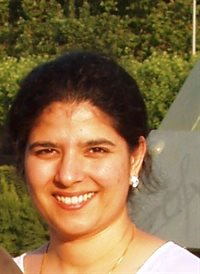
Dr. Neenu Singh is a Lecturer in Biomedical and Medical Science at De Montfort University, affiliated with the School of Allied Health Sciences within the Faculty of Health and Life Sciences. She holds a PhD in Biomedical Science from the University of Wales Institute, Cardiff, and has built a robust interdisciplinary research profile in nanotoxicology and nanogenotoxicology. BSc Hons. in Human Genetics MSc Hons. in Biomedical Science PhD in Biomedical Science (2007) Her research focuses on the biological impacts of engineered nanomaterials, particularly superparamagnetic iron oxide nanoparticles (SPIONs), assessing DNA damage, oxidative stress, inflammation, and cellular signaling disruptions. She employs advanced in vitro models, including 3D spheroid cultures, to evaluate nanomaterial safety for medical and environmental applications. Her work bridges biomedical science, toxicology, and nanotechnology, contributing significantly to the development of standardized testing protocols for nanomaterials. The 15 most recent publications highlight a consistent trajectory in nanotoxicology , with emphasis on genotoxicity mechanisms, assay development, and nanoparticle characterization. Key journals include Biomaterials , ACS Nano , Analytical Chemistry , and Mutagenesis . Her highly cited 2009 review on nanogenotoxicity has become a foundational reference in the field, reflecting her leadership and scholarly impact. Scientific awards and recognitions include: Young Scientist Best Poster Award, UKEMS 2010 Texas-UK Collaborative Grant ($5000, 2009) Multiple UKEMS bursaries and travel awards (2012–2014) Erasmus funding for research at University of Rome Tor Vergata (2013) EPSRC-funded training at NIST, USA (2013) Research grant from Institute of Biomedical Science (£3000, 2004) Dr. Singh has successfully supervised PhD students and secured significant external funding from UKEMS, EPSRC, Life Science Research Network Wales, and collaborative schemes. Her grants support innovative projects such as developing 3D liver models for drug safety testing and investigating SPION-drug conjugates. She actively contributes to the scientific community as a peer reviewer for top journals including Mutagenesis , Nanomedicine , ACS Nano , and Environmental Science & Technology . She is a member of the British Society of Nanomedicine and the United Kingdom Environmental and Mutagenesis Society (UKEMS), and has presented her work at major international conferences. She leads and collaborates on multiple research initiatives involving interdisciplinary teams and international partners, including institutions in the USA (Rice University, Texas A&M, NIST) and Europe (University of Rome, Universite Joseph Fourier, Grenoble). Her lab focuses on developing physiologically relevant models to improve the prediction of nanomaterial toxicity, with implications for regulatory science and nanomedicine development.