- Russian History
- European History
- World History
- +۷ مورد دیگر
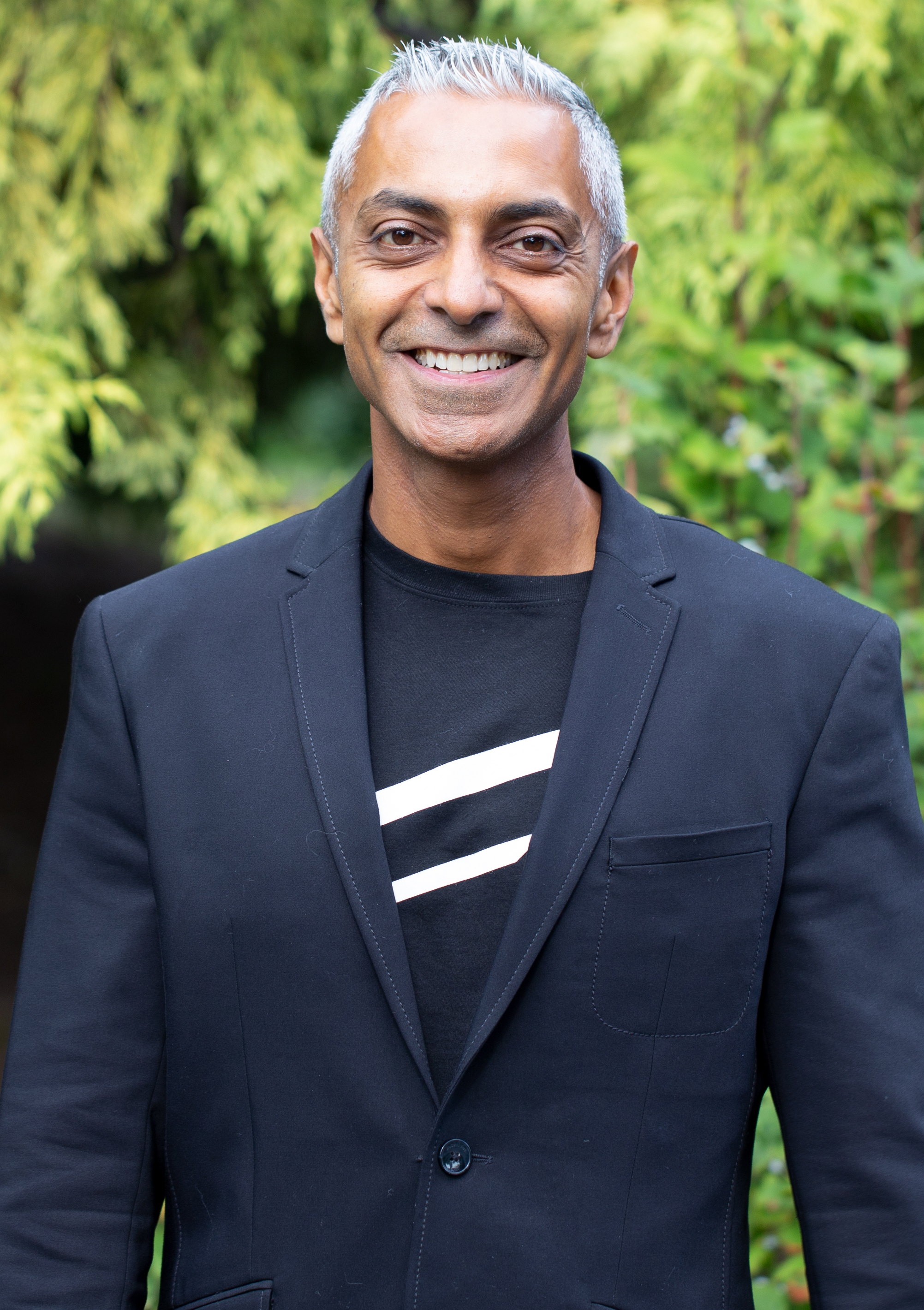
E. Thomas Ewing is a Professor of History and the Associate Dean for Graduate Studies and Research at the College of Liberal Arts and Human Sciences, Virginia Tech. He is based in the Department of History and plays a key role in advancing interdisciplinary research and graduate education at the university. His research spans Russian, European, and world history, with a distinctive focus on the history of education, medical history, and the digital humanities. He has authored and edited several influential books on Soviet education and pandemic history. His current research investigates the transmission of information during the 1889–1890 Russian Influenza, employing digital humanities methodologies to analyze historical medical data. Ewing leads the Data in Social Context program at Virginia Tech, which integrates data analytics, computational thinking, and critical humanities inquiry into undergraduate and graduate education. Funded by the National Endowment for the Humanities, this initiative includes workshops for graduate teaching assistants and supports interdisciplinary teaching across the humanities and social sciences. His recent work emphasizes ethical dimensions of data, the societal impact of algorithms, and historical perspectives on public health crises. His publications and media engagements reflect a strong commitment to public scholarship. Notable articles in The New York Times , The Washington Post , and Fortune connect historical insights to contemporary issues such as pandemic responses and media responsibility. His research program combines rigorous historical scholarship with innovative digital methods, making significant contributions to both academic and public understanding of history in the age of data. National Endowment for the Humanities (NEH) funding for workshops on the 1918 Spanish Influenza and Images and Texts in Medical History He advises graduate students through the Data in Social Context workshop and supports interdisciplinary research training. He also coordinates the Data & Decisions Minor and collaborates with library data consultants and research groups across campus. His leadership extends to curriculum development, particularly in integrating quantitative and computational thinking with critical humanities education.