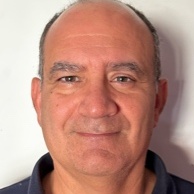
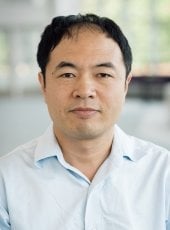
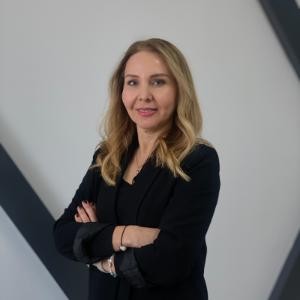
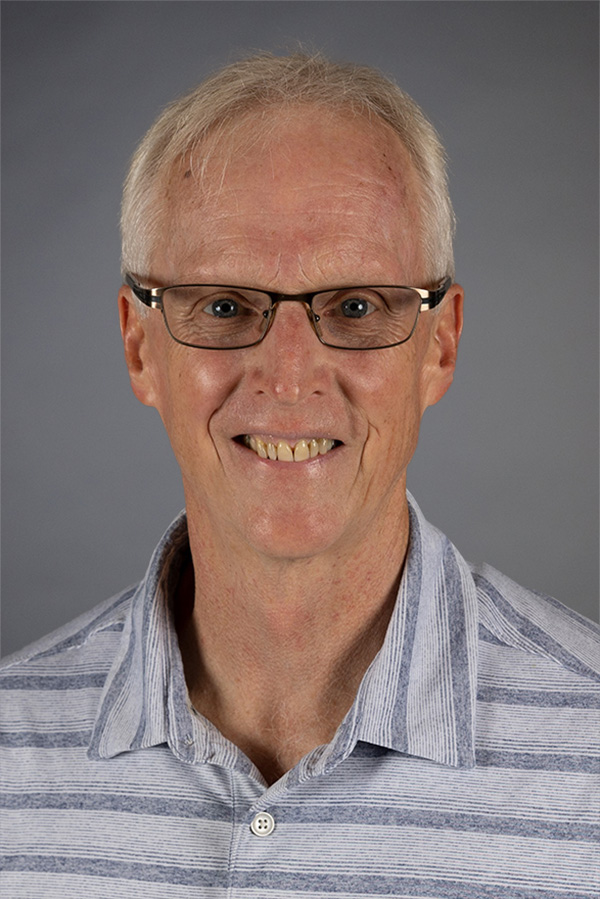
Mehar Singh Khatkar is a researcher affiliated with James Cook University , specializing in genetics and genomics with a focus on aquaculture species such as shrimp (Penaeus monodon and Litopenaeus vannamei), pearl oysters (Pinctada maxima), and cattle. His work spans bioeconomic modeling, genomic prediction, and genetic parameter estimation. He collaborates extensively with institutions like JCU’s College of Science and Engineering. Key research areas include: Quantitative trait loci (QTL) mapping in aquatic species Genome-wide selection and linkage disequilibrium studies Application of deep learning in aquaculture engineering Genetic improvement of aquaculture species Recent contributions highlight his expertise in: Estimating heritability using family-pooled data Developing tools like NETVIEW P for visualizing population structure Bioeconomic analysis of shrimp farming systems Publications demonstrate interdisciplinary approaches combining genetics, statistics, and bioinformatics to advance sustainable aquaculture practices.
William Osmond Charles Cookson is a Professor of Genomic Medicine at the National Heart and Lung Institute, Imperial College London. He has held leadership roles including Head of the Respiratory Division, Director of the Asmarley Centre for Genomic Medicine, and Head of the National Centre for Mesothelioma Research. Previously, he served as Professor of Human Genetics at the University of Oxford (1998-2004) and Wellcome Senior Clinical Research Fellow (1989-2004). Specializes in genetic epidemiology of respiratory diseases Genomic characterization of airway microbiota Thoracic malignancies genetics Large-scale asthma genetic studies His research has led to groundbreaking discoveries in asthma genetics, including identification of key chromosomal loci (11q, 2q14) and the ORMDL3 gene's role in childhood asthma. With over €40 million in research grants, he pioneered the GABRIEL project (€11M, 2005-2009), a pan-European collaboration addressing genetic and environmental determinants of asthma. Elected Fellow of Royal College of Physicians (2000) Elected Fellow of Academy of Medical Sciences (1999) First clinician-scientist to receive joint Wellcome Senior Investigator Award (with Miriam Moffatt) National Institute of Health Research Senior Investigator As a mentor, he has fostered international collaborations through the GABRIEL project, cultivating a network of young scientists who now lead their own research teams. His work continues to shape global understanding of respiratory disease genetics and microbial community interactions in asthma pathogenesis.
David Klenerman is a Professor of Molecular Medicine at the University of Cambridge, holding the Royal Society Chair since 2016. Previously, he was Professor of Biophysical Chemistry (2007–2016), Reader in Biophysical Chemistry (2004–2007), and Lecturer in the Department of Chemistry (1994–2004). His research focuses on biophysical methods applied to biomedical problems, including protein misfolding, neurodegenerative diseases, and high-speed DNA sequencing. He co-invented the Solexa (Illumina) sequencing technology and founded the biotech company Solexa. Research Interests: Protein folding/misfolding mechanisms Molecular basis of neurodegenerative diseases (Parkinson's, Alzheimer's) Single-molecule fluorescence microscopy Imaging adaptive immune responses Genomic technologies (DNA sequencing) Key Awards: 2022 Breakthrough Prize in Life Sciences 2021 Millennium Technology Prize 2018 Royal Medal (Royal Society) 2016 Royal Society Glaxo Wellcome Professorship 2012 Fellowship of the Royal Society Labs/Teams: Co-founder of Solexa (now Illumina), leading interdisciplinary research groups focused on biophysical techniques for biomedical applications. His work bridges chemistry, physics, and medicine, with applications in diagnostics and drug discovery.
Martin Uecker is a Professor at the Institute of Biomedical Imaging at TU Graz. His research focuses on advanced MRI reconstruction techniques, real-time imaging, and open-source software tools like the Berkeley Advanced Reconstruction Toolbox (BART). He specializes in developing methods for fast and accurate medical imaging, including applications in cardiac MRI, fetal brain imaging, and disease monitoring. His work emphasizes reproducibility, quantitative imaging, and clinical translation. Key research areas include generative models for MRI reconstruction, model-based inversion of the Bloch equations, and interactive real-time MRI systems. His team collaborates on projects involving hardware-software integration, such as portable MRI scanners and MRI-guided interventions. Notable contributions include advancements in multi-echo radial FLASH techniques, motion-resolved T1 mapping, and Bayesian uncertainty estimation in imaging. Uecker’s publications highlight innovations in accelerating MRI acquisition and reconstruction, with applications in pulmonary function assessment, neonatal imaging, and cardiovascular diagnostics. His work bridges theoretical physics, computational methods, and clinical practice, fostering open-source frameworks to democratize access to cutting-edge imaging tools.
Yan Cao is an Associate Professor in the Department of Mathematical Sciences at the School of Natural Sciences and Mathematics, The University of Texas at Dallas, where he has served since 2006 after joining as an Assistant Professor. His research bridges computer vision, pattern theory, and biomedical applications with a focus on mathematical foundations for shape analysis. His educational background includes: Ph.D. in Applied Mathematics from Brown University (2003) M.S. in Mathematics from The University of Iowa (1997) B.S. in Computational Mathematics from Peking University (1996) Dr. Cao's research centers on enabling computers to recognize shapes and understand structural variations through advanced mathematical frameworks. He investigates 2D/3D shape analysis using tools like diffeomorphic matching and geometric PDEs, addressing fundamental challenges in three-dimensional geometry where traditional methods like medial axis transforms are inadequate. His work spans medical image analysis, computational anatomy, and computer vision, with emphasis on translating theoretical advances into biomedical applications such as medical imaging and anatomy modeling. His publication record reveals a consistent focus on diffeomorphic deformation techniques applied to medical imaging and computer vision. Key trends include the development of spectral methods for mesh deformation, atlas-based segmentation for anatomical structures, and quantitative approaches for spinal cord and diffusion tensor imaging. These works demonstrate interdisciplinary integration of computer science, mathematics, and biomedical engineering with strong emphasis on practical medical applications. His scientific recognition includes: IEEE International Conference on Computer Vision Travel Award (2005) Brown University's Stella Dafermos Award for academic excellence (2003) Multiple graduate fellowships from Brown University, The University of Iowa, and Peking University Dr. Cao has secured significant research funding including a $273,650 NSF grant for diffeomorphic deformation of textured shapes (2009-2012) and a $63,891 NIH subcontract for spinal cord perfusion measurement (2009-2011). He teaches advanced mathematics courses including Mathematical Analysis, Real Analysis, and specialized topics in medical image analysis, while maintaining active collaborations evidenced by invited talks at Texas A&M University-Commerce, Peking University, and UT Southwestern Medical Center. His research operates within UT Dallas's interdisciplinary mathematical sciences environment, leveraging collaborations across medical imaging and computational fields without dedicated lab facilities specified in available records.
Dr. Bo Pei is an Assistant Professor in the Instructional Technology and Learning Design & Technology program at the University of South Florida's College of Education. He leads the VISTA Lab (Visualization, Intelligence, Systems, and Technology in Education) located on the Tampa campus, focusing on interdisciplinary research at the intersection of AI, data visualization, and educational technology. His research explores: AI-driven personalized learning tools and ethical teaching enhancements Educational data mining and learning analytics methodologies Development of trustworthy and explainable AI systems for education Data visualization techniques for actionable learning insights Equitable educational technology design for diverse learners Dr. Pei has secured significant research funding including: NSF ICorps award for AI-Driven Educational Platform Florida High Tech Corridor's Early-Stage Innovation Fund NEW RESEARCHER GRANT for Viz4Edu project Building Partnerships Across Campuses grant He currently advises seven graduate students across PhD and Master's programs in Instructional Technology, Educational Measurement, Computer Science, and related fields. The VISTA Lab team collaborates on projects involving AI tutors, educational dashboards, VR learning environments, and automated literature review systems.
Patrick Winter is a Senior Lecturer I in the Department of Bioengineering at the Erik Jonsson School of Engineering and Computer Science, University of Texas at Dallas. His research focuses on advanced MRI techniques, cardiovascular imaging, and nanotechnology applications in molecular imaging. He specializes in developing imaging methodologies for diagnosing vascular diseases like atherosclerosis and aneurysms, with particular emphasis on 4D flow MRI, deep learning algorithms, and nanoparticle-based theranostics. Educations: No formal education details provided in text. Research Interests: His work bridges bioengineering and clinical medicine, addressing challenges in non-invasive disease detection. Key areas include: Development of super-resolution MRI techniques Machine learning applications in medical imaging Targeted nanoparticle delivery systems Quantitative hemodynamic analysis Preclinical cardiovascular modeling Recent articles highlight innovations in: Deep learning-enhanced 4D flow MRI for stroke prediction Ensemble learning for cardiovascular system imaging Multi-modal imaging of aneurysm dynamics Awards: No scientific awards explicitly mentioned in provided texts. Grants/Advising: No grant details or student advisees listed. Collaborations likely focus on interdisciplinary cardiovascular research. Labs/Teams: Engaged in bioengineering labs specializing in MRI technology advancement and nanomedicine applications.
Dr. Kevin Jones is an Associate Professor in the Faculty of Agricultural, Life and Environmental Sciences at the University of Alberta, serving as Director of Student Experience and Learning. He holds a PhD, MA, and BSocSc in interdisciplinary social sciences. His research focuses on governance innovation, public engagement, and transformative adaptation to social and environmental challenges, particularly in urban sustainability, food security, and community development. Jones co-chairs the Environmental Studies program and has supervised graduate students in areas like participatory governance and urban agriculture. He teaches courses on policy engagement and urban sustainability, emphasizing experiential learning and critical analysis. Research interests span science policy, risk governance, and collaborative urban development. Notable projects include studies on craft-based community development, nanoscience innovation impacts, and environmental impact assessments. Jones advocates for reflexive governance approaches that integrate public expertise into decision-making processes. His work bridges sociology, geography, and policy studies, addressing complex challenges like climate change and social justice through interdisciplinary frameworks. Publications highlight themes of institutional adaptation, urban agriculture's societal role, and risk communication failures. Teaching responsibilities include MACE 551 and R SOC courses on engagement and urban sustainability. Jones actively contributes to scholarly networks through ResearchGate and Google Scholar, maintaining a focus on practical policy applications and community-driven solutions.
Juan Manuel Hernández-Campoy is a Full Professor in Sociolinguistics at the Department of English Philology, Faculty of Arts and Humanities, University of Murcia, Spain. He teaches courses on English Sociolinguistics, Varieties of English, and the History of the English Language, as well as research methods at the postgraduate level. He has held numerous academic leadership roles, including Head of Department (2005–2008) and currently serves as Director of the International Doctoral School of the University of Murcia (EIDUM). Education: PhD in English Philology, University of Murcia, 1996 (Extraordinary Doctorate Prize, 1997) Bachelor’s in Philosophy and Literature (Modern Philology, English), University of Murcia, 1991 Erasmus Studies, University of Essex, UK His research centers on sociolinguistics, dialectology, and the historical development of the English language. He explores stylistic variation, language change, and sociolinguistic methodology, with a strong emphasis on both synchronic and diachronic analysis. His work bridges theoretical and applied perspectives, often using corpus-based and geolinguistic approaches. The 15 most recent publications reflect a consistent trajectory in historical sociolinguistics, stylistic variation, and dialectology, with major reference works such as encyclopedias, handbooks, and dictionaries published by Wiley-Blackwell, John Benjamins, and Gredos. These works synthesize broad disciplinary knowledge and are widely used in academic settings. Scientific Awards: Extraordinary Doctorate Prize in Letters, University of Murcia, 1997 He has secured significant research funding as Principal Investigator on projects like Sociolinguistic Models of Stylistic Variation (FFI2014-56084-P) and Speaker Design as a Model of Stylistic Variation (Fundación Séneca). He has advised numerous postgraduate students and coordinated multiple master's and doctoral programs. He has also served as editor for major journals including International Journal of English Studies and Cuadernos de Filología Inglesa . He leads the research group Linguistic Variation: Phonetics, Lexicon and Styles and has been instrumental in organizing international conferences such as the Sociolinguistics Symposium 21 and HiSoN-2022. He maintains active Erasmus partnerships with the University of Essex and University of Bern, promoting academic exchange and collaboration.
Arthur Araujo is a Professor at Lusófona University, holding a PhD in Tourism Studies from the University of Aveiro. He teaches disciplines such as Crisis and Disaster Management in Tourism for Master's students, alongside courses in Research Methodology, Tourism and Sustainability, and Nautical Tourism for undergraduates. His research spans neurotourism, tourism sustainability, film tourism, destination imagery, and resilience, with publications in leading journals including Annals of Tourism Research , Journal of Travel & Tourism Marketing , and British Food Journal . PhD in Tourism Studies, University of Aveiro Master’s in Management Bachelor’s Degree in Tourism Training in Digital Marketing, Structural Equation Modeling, SPSS, NVivo, and WebQDA Arthur’s work explores the intersection of neuroscience and tourism, focusing on destination imagery, crisis management, and sustainable practices. His recent publications address Gen Z tourism behavior, neurotourism gaps, and age dynamics in post-pandemic recovery. He has industry experience in Brazil and Spain, particularly in tourism accessibility and educational tourism. Arthur is a member of the Centre for Transdisciplinary Development Studies (CETRAD) at UTAD and the ART&TUR International Film Tourism Festival Jury. His research trends include sustainable destination branding, neuroscientific methodologies in tourism, and crisis-induced behavioral shifts. Arthur has contributed to studies on film-induced tourism, slum tourism, and workplace skills in the hospitality sector.
Weihua Zhou is a Tenured Associate Professor at Michigan Technological University in the College of Computing, with affiliations in Applied Computing, Biomedical Engineering, Computer Science, Electrical and Computer Engineering, and Mathematical Sciences. He holds a PhD from Southern Illinois University Carbondale, an MS and B.Eng. from Wuhan University, and completed postdoctoral research at Emory University. Academic Positions : Tenured Associate Professor (2025–present), Tenure-Track Assistant Professor (2019–2025) at Michigan Tech; Nina Bell Suggs Endowed Professorship (2015–2019) at the University of Southern Mississippi. Research Interests : Focuses on medical imaging and health informatics , particularly machine learning applications in cardiovascular diagnosis , osteoporosis risk stratification , and senile dementia early detection . Additional work includes radiomics for COVID-19 severity assessment , federated learning in medical segmentation , and deep learning for proximal femur strength prediction . Scientific Awards : USM Nina Bell Suggs Endowed Professorship, USM College of Arts and Sciences Scholarly Research Award, American Heart Association Research Leaders Academy (2017, 2018), USM Butch Oustalet Distinguished Professorship Research Award. Lab & Tools : Leads the Medical Imaging & Informatics Lab (MIILab-MTU) and contributes to the NSF/MRI GPU Cluster. Open-sourced tools include KD4COVID19 for radiomics analysis and ECGTools for ECG classification.
Prof. Dr. Ayşegül KURTULGAN is an Assistant Professor at the Faculty of Economics and Administrative Sciences of Çağ University. Her research focuses on sustainable finance, cryptocurrency environmental impacts, cyber security, and marketing analysis. She has published extensively on bibliometric analyses of emerging topics like climate finance and crypto-mining sustainability. Her work often utilizes tools like VOSviewer for thematic mapping in academic literature. Key research areas include the intersection of finance and environmental policy, digital economy risks, and cryptocurrency's technical and regulatory challenges. Recent studies analyze sustainability index volatility effects on trade and credit derivative impacts on foreign investments in Turkey. She also contributes to marketing research through doctoral thesis evaluations in Turkey. No academic awards were explicitly mentioned in the provided materials. Her professional activities include conference participation and editorial work in digital business management. Current affiliations remain solely at Çağ University with no indication of part-time roles or retired status.
Dr. Alyssa Morse is a Research Fellow at the Centre for Mental Health Research within the National Centre for Epidemiology and Population Health at Australian National University . Holding a PhD in Psychology from ANU, her work focuses on lived experience integration across mental health research, services, and policy. Key affiliations: ANU Centre for Mental Health Research Research groups: Child, Youth and Family Mental Health and Suicide Prevention Unit; Lived Experience Research Unit Research Interests: Alyssa specializes in enhancing lived experience involvement in mental health systems, developing youth mental health prevention programs, and evaluating mental health service designs. Her work addresses emotional regulation, stigma reduction, and digital health innovations. Publication Trends: Her recent scholarship examines pandemic impacts on mental health, technology-based interventions, post-disaster recovery, and ethical frameworks for lived experience research. Collaborative projects often involve school-based programs, caregiver support, and peer worker integration. Scientific Contributions: ALIVE Next Generation Researcher Network 2022 Seed Funding RSPH Excellence in Population Health Research Award Advisory & Grants: Actively supervises projects like "We live in our own world" (young caregiver support) and co-creates mental health resources. Funded studies include "Lived Experience Mental Health Education" and disaster resilience programs. Labs & Teams: Works with multidisciplinary teams in the Child, Youth and Family Mental Health and Suicide Prevention Unit , collaborating with Mental Illness Education ACT (MIEACT), Health Care Consumers’ Association, and ACT Mental Health Consumer Network.
Dr. Lisa Adams is a Research Fellow at the Technical University of Munich (TUM) and an Attending Radiologist at TUM University Hospital Rechts der Isar, affiliated with the Diagnostic and Interventional Radiology department. She holds an Albrecht Struppler Clinician Scientist Fellowship (2024) and leads research in the Quantitative Imaging Biomarkers for Predictive Healthcare focus group. Adams earned her MD from Charité - Universitätsmedizin Berlin (2016), completed board certification in radiology (2021), and conducted postdoctoral research at Stanford University (2022-2023). She transferred her Habilitation in Experimental Radiology to TUM in 2024. Her research integrates AI with radiology diagnostics, specializing in: Developing machine learning methods for early disease detection and risk assessment Advancing quantitative imaging biomarkers across organ systems Body composition analysis and biological age estimation Multimodal analysis for personalized healthcare Ethical implementation of AI in clinical practice Adams' recent publications demonstrate strong focus on AI applications in radiology, spanning large language models for clinical reporting, deep learning for medical image interpretation, nanoparticle tracking in regenerative medicine, and radiomics for cancer diagnosis. Her work consistently bridges technical innovation with clinical translation. Awards & Recognition: Walter-Friedrich-Prize, Deutsche Röntgengesellschaft (2023) Alavi Mandell Award (2021) Invest in the Youth Stipend, ECR Vienna (2017) She actively mentors doctoral candidates, having supervised seven PhD students to completion since 2020 with two more nearing submission. Adams secures substantial research funding from DFG, EU, Wilhelm Sander Foundation, Bayern Innovativ, and Berlin Institute of Health. She serves as Scientific Editor for European Radiology and Trainee Editorial Board Member for Radiology: Artificial Intelligence , while also holding leadership positions in the German Radiological Society.
Don G. Wardell is a tenured Professor and Francis A. Madsen Scholar in the Department of Operations and Information Systems at the University of Utah's David Eccles School of Business. Holding the David Eccles Faculty Scholar designation, he serves as a key contributor to the school's academic mission through teaching, research, and service. His educational background includes: Ph.D. in Management Science from Purdue University (1990) MS in Metallurgical Engineering from University of Utah (1987) BS in Metallurgical Engineering from University of Utah (1985) Wardell's research centers on quality management and statistical process control (SPC), with significant contributions to understanding SPC under non-ideal conditions like autocorrelation. His recent work extends into service operations management, particularly examining service scripting and customer perception. He has pioneered methods for adapting SPC to educational contexts and service industries, challenging traditional assumptions through rigorous probability distribution analysis. His publication record shows a strong focus on operations management with recurring themes in SPC methodology, service quality measurement, and educational applications of statistics. Articles consistently address practical implementation challenges in both manufacturing and service environments, with increasing attention to customer experience metrics in service operations. His scientific recognition includes: Production and Operations Management Society’s Most Influential Paper Award (2015) Multiple university-level teaching honors including the Calvin S. Hatch Prize (2020) Brady Superior Teaching Award (awarded 2024, 2015, 1999) Distinguished University Teaching Award (2007) Purdue University Dissertation Competition Winner (1991) Wardell maintains active industry engagement through consulting with organizations including American Express, Utah Transit Authority, and the LDS Church Family History Department. His teaching philosophy emphasizes critical thinking development and student-centered learning, reflected in his receipt of the Center for Disability Services Teaching Award (2007). He has taught internationally in Costa Rica (in Spanish) and Spain, and serves on editorial boards for Production and Operations Management and IIE Transactions.