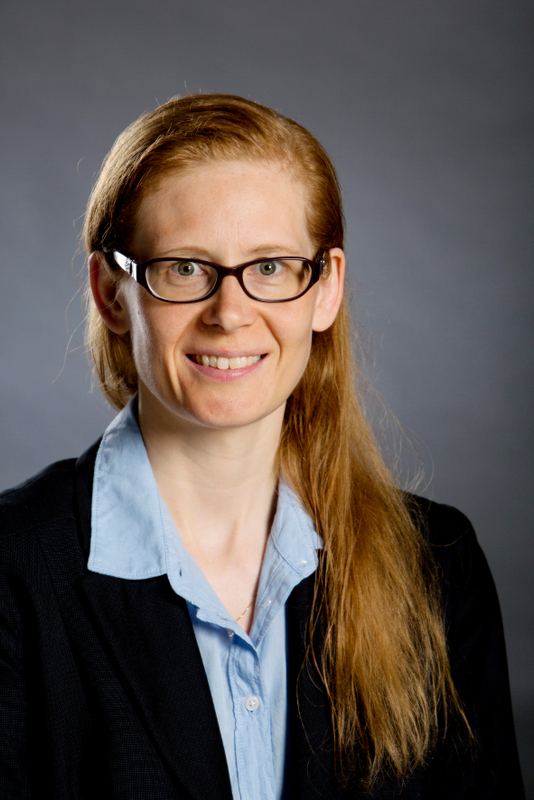
Senior Lecturer Outi Salo-Ahen is affiliated with Åbo Akademi University's Faculty of Natural Sciences and Engineering , Department of Pharmacy. Her research focuses on computational pharmacology, drug design, and pharmaceutical chemistry, particularly targeting chemokine receptors (CCR5/CXCR4) and transient receptor potential channels (TRPA1) for therapeutic applications. Doctor of Pharmacy (2006, University of Kuopio/UEF) MSc in Pharmaceutical Chemistry (2001, UEF) BSc in Pharmacy (1999, UEF) University Pedagogy Modules 1-5 (2012-2015) Her work contributes to UN Sustainable Development Goals through education and pharmaceutical innovation . Recent research trends include: Antimicrobial resistance solutions TRPA1 channel modulation Nanotechnology-enabled drug delivery Multi-target HIV-1 inhibitors 3D printing of biocompatible materials Computational analysis of nucleic acid frameworks She actively supervises doctoral projects, serves on assessment panels, and leads collaborations like Nordic Pharmaceutical Translation and Innovation. Her 60+ publications demonstrate expertise in molecular modeling and drug discovery.
Simon Dobson is a Professor of Computer Science and Deputy Head of the School of Computer Science at the University of St Andrews. His research focuses on complex systems, sensor analytics, computational tools for simulation, and data analytics. He leads grants exceeding EUR30M, including a £5M EPSRC-funded programme in Sensor Systems Software. He is a Fellow of the Royal Society of Edinburgh (2020) and advises the Scottish government. Education: BSc (University of Newcastle), DPhil (University of York), both in Computer Science. Professional: Chartered Engineer, Fellow of the British Computer Society. Research Interests: Complex systems, network science, higher-order networks, epidemiological modeling, and sensor data integration. Teaching: CS4203 (Computer Security), CS5728 (Complex Systems Modelling). Supervises PhD/MSc projects. Awards: Includes RSE Fellowship, BCS Fellowship, and multiple leadership roles in conferences and committees.
Olivia Di Matteo serves as an Assistant Professor in the Department of Electrical and Computer Engineering within UBC's Faculty of Applied Science, leading the Quantum Software and Algorithms Research (QSAR) group since her January 2022 appointment. Her academic foundation includes a BSc from Lakehead University and MSc/PhD in Physics (Quantum Information) from the University of Waterloo, completed in 2019. Dr. Di Matteo's research centers on quantum software engineering , with pioneering work in quantum compilation , circuit optimization , and debugging tools . She champions open-source quantum frameworks and develops accessible educational resources to democratize quantum computing. Analysis of her 15 most recent publications (2021-2025) reveals dominant trends in quantum programming infrastructure, particularly circuit analysis (33%), bug classification (20%), and qubit network optimization (15%), with strong emphasis on practical software tooling over theoretical physics. No scientific awards were documented in the source materials. She advises graduate students in the QSAR group while contributing to open-source quantum ecosystems through projects like PennyLane and The Ionizer transpiler, and teaches courses including CPEN 400Q (Gate-model quantum computing) and ELEC 221 (Signals and Systems). The QSAR group operates at the intersection of quantum software development and education, focusing on making quantum programming accessible through visual tools, real-time debugging environments, and hardware-agnostic compilation techniques.
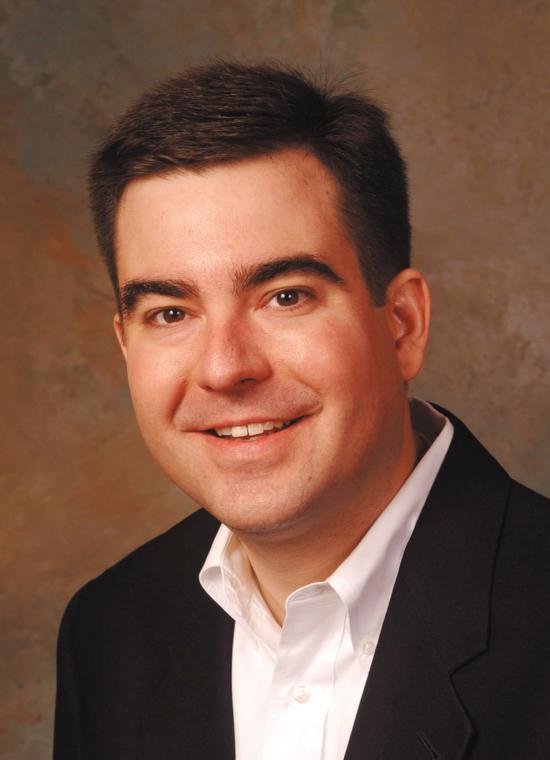
Charles J. Taylor is Professor of Chemistry and Chair of the Chemistry Department at Pomona College, where he has served since 2002. An analytical chemist specializing in instrumental techniques for volatile organic compound (VOC) analysis, his work bridges medical diagnostics, environmental monitoring, and chemical sensing applications. His educational background includes: Ph.D. from University of Minnesota Bachelor of Arts from Macalester College Taylor's research focuses on developing rapid diagnostic methods through VOC analysis, leveraging microhotplate arrays, Raman spectroscopy, and polymer-carbon composites. His work spans biological systems (nematode chemotaxis, wine fermentation flavor compounds) and environmental applications (trace element profiling in coffee beans). Students in his lab gain hands-on experience with advanced analytical instrumentation and multivariate data analysis. Analysis of his publications reveals consistent themes in chemical sensing materials development, with strong emphasis on microsensor arrays, NASA-collaborative electronic nose projects, and applications in medical/environmental diagnostics. His work demonstrates interdisciplinary integration of materials science, analytical chemistry, and data analysis. His scientific achievements have been recognized with: NASA Board Award for Copolymers for Sensors (2013) NASA Board Award for SO 2 Detection (2012) Provisional U.S. Patent #60/861-617 (2007) Multiple NASA Tech Brief Awards (2007) Taylor actively mentors undergraduate researchers, with students co-authoring publications on diverse projects from medical diagnostics to environmental trace analysis. His teaching includes Advanced Analytical Chemistry, Environmental Chemistry, and General Chemistry, emphasizing practical laboratory experience. Research funding has supported instrumentation development and NASA-collaborative sensor projects. His laboratory focuses on chemical sensing materials development, particularly microhotplate-based sensor arrays and VOC analysis systems, with ongoing collaborations with NASA's Jet Propulsion Laboratory for electronic nose applications and environmental monitoring solutions.
Francesca Grisoni serves as an Assistant Professor in the Department of Biomedical Engineering at Eindhoven University of Technology (TU/e), where she currently leads the Molecular Machine Learning team. She additionally holds appointments as an ICMS Core member and Associate Professor at EAISI (Eindhoven Artificial Intelligence Systems Institute), reflecting her cross-disciplinary role at the intersection of computational science and biomedical applications. Academic Background : Grisoni completed her Environmental Sciences degree and earned a Ph.D. in 2016 from the University of Milano-Bicocca, where her dissertation focused on interpretable machine learning for molecular property prediction. During doctoral studies, she conducted research at ETH Zurich's Department of Chemistry and Applied Biosciences and the U.S. EPA's National Center for Computational Toxicology. Ph.D., University of Milano-Bicocca, 2016 (Dissertation: Interpretable machine learning for molecular property prediction) Environmental Sciences, University of Milano-Bicocca Her research integrates artificial intelligence, chemistry, and biology to develop computational methods for drug discovery, emphasizing wet-lab experimental validation alongside algorithmic innovation. Key focus areas include overcoming activity cliffs in molecular machine learning, generative modeling for scaffold hopping, and AI-augmented decision-making in therapeutic development, with the ultimate goal of achieving 'better decisions faster' in drug discovery pipelines. Analysis of her recent 2025 publications reveals a concentrated trend toward chemical language models and generative deep learning frameworks, specifically addressing low-data drug discovery challenges through active learning and neural network architectures. These works bridge computer science with pharmacology, targeting bioactivity prediction, molecular representation, and enzyme design while maintaining strong ties to experimental validation. Scientific Awards : Lush Young Researcher Prize Early Career Award 2022 from the Dutch Royal Netherlands Academy of Arts and Sciences (KNAW) ERC Starting Grant (2022) Grants and Supervision : Dr. Grisoni secured the prestigious ERC Starting Grant in 2022 to advance her molecular machine learning research. Institutional records indicate she has supervised 7 students (as shown in TU/e's 'Supervised Work (7)' repository section), though specific names aren't provided in the source material. Her group maintains active industry collaborations, including past engagement with Bracco Pharmaceuticals. Laboratory and Team : The Molecular Machine Learning team operates under the ICMS and EAISI frameworks, merging computational AI development with experimental wet-lab validation. This collaborative unit focuses on fragment-based molecular design, chirality representation (evidenced by fragSMILES work), and high-throughput nanoparticle identification using machine learning, as highlighted in recent press coverage and datasets.
Antti Poso is a Professor of Drug Design at the University of Eastern Finland (Kuopio), affiliated with the School of Pharmacy under the Faculty of Health Sciences. His research focuses on computer-aided molecular design, particularly targeting anti-cancer drugs and anti-microbials. Key projects include the EDCMET project (2019–2024) and the GeneCellNano Flagship (2020–2028). He leads the Molecular Modeling and Drug Design Research Group, specializing in QSAR analysis, kinase inhibition profiling, and systems-level drug response modeling. Recent work includes studies on SARS-CoV-2 inhibitors, endocrine disruptors, and bacterial pathogenesis. His findings bridge chemical structure with biological outcomes, leveraging computational tools like CCA and molecular dynamics simulations. Collaborations span medicinal chemistry, pharmacology, and systems biology, contributing to both academic and applied drug discovery efforts. Education: Not explicitly stated in texts; assumed to hold advanced degrees in pharmacy or chemistry. Research Themes: Drug design, molecular modeling, QSAR, computational biology, and anti-infective agents. Key Contributions: Over 150+ publications, including influential works on chemoinformatics-driven drug response analysis and structure-based inhibitor design. Publications highlight advancements in kinase inhibitors, anti-microbial strategies, and viral hijacking mechanisms. His work emphasizes translating computational insights into therapeutic solutions for cancer, infectious diseases, and metabolic disorders.
Horst A. von Recum, PhD, is the Executive Vice Chair of the Case School of Engineering and a Professor in the Department of Biomedical Engineering at Case Western Reserve University. He is also a member of the Cancer Imaging Program at the Case Comprehensive Cancer Center. His research focuses on developing novel platforms for molecular and cellular delivery, including affinity-based systems for controlled drug release and directed stem cell differentiation. Key applications include HIV therapies, wound healing, ocular disease treatments, and tissue engineering. His work emphasizes improving drug delivery precision through molecular interactions and enhancing stem cell viability for therapeutic use. Dr. von Recum’s research interests span drug delivery systems, biomaterials science, and regenerative medicine. His lab explores cyclodextrin polymers for sustained antibiotic release, affinity-driven drug refilling mechanisms, and engineering biocompatible materials to combat implant-related infections. Recently, his team has investigated microbiome interactions with neural implants and developed polymer-based solutions for localized chemotherapy. Notable contributions include advancements in PMMA bone cement composites for drug refillable depots, cyclodextrin hydrogels for controlled release, and affinity-based systems for anti-fibrotic treatments. His work bridges materials science with clinical applications, addressing challenges in orthopedic infections, neural interfaces, and cardiovascular regeneration. Scientific achievements include over 100 peer-reviewed publications. Research funding has supported projects on antimicrobial coatings, drug delivery mechanics, and stem cell differentiation. Dr. von Recum collaborates across disciplines to translate biomaterial innovations into clinical solutions.
Professor Thierry Langer is a Full Professor of Pharmaceutical Chemistry at the University of Vienna’s Faculty of Life Sciences (Department of Pharmaceutical Sciences). He leads research in computational drug design, with a focus on pharmacophore modeling, 3D-QSAR analysis, and AI-driven molecular design. His work bridges theoretical and experimental chemistry, addressing targets like viral proteases (e.g., SARS-CoV-2), GABA receptors, and dopamine transporters. Research interests include: Pharmacophore-guided drug discovery for anti-viral and CNS therapies Development of next-generation computational tools (e.g., PharmacoMatch, QPhAR) Protein-ligand interaction modeling using neural networks and graph-based algorithms Recent studies focus on: Inhibitors for herpesvirus nuclear egress complexes, AI-optimized antivirals, and dopamine transporter inhibitors for cognitive enhancement. His lab collaborates on projects like the NeuroDeRisk initiative to de-risk neurotoxic compounds. Publications emphasize drug repurposing, metabolic pathway analysis, and scalable synthesis methods for promising drug candidates.
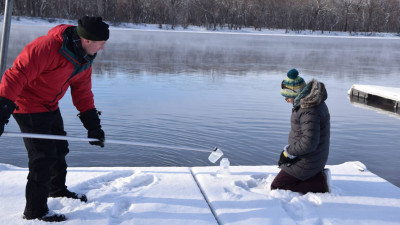
Dr. Onur G. Apul is an Associate Professor of Civil and Environmental Engineering at the University of Maine and an incoming faculty member at Penn State. He holds a Ph.D. from Clemson University (2014) and bachelor's/master's degrees from Middle East Technical University (Turkey). His research focuses on nanotechnology-driven solutions for water treatment challenges, particularly PFAS and microplastics pollution. He leads the Apul Research Group, which explores advanced oxidation processes, nanomaterials, and nanobubble technologies. Key achievements include developing predictive models for PFAS adsorption, thermal regeneration of activated carbon, and microwave-enhanced remediation. Education: Ph.D. in Environmental Engineering and Science, Clemson University (2014) M.S. in Environmental Engineering, Middle East Technical University (2009) B.S. in Environmental Engineering, Middle East Technical University (2006) Research Interests: Nanomaterials for water treatment (graphene, CNTs) PFAS remediation and thermal regeneration of adsorbents Microplastic pollution dynamics and mitigation Nanobubble-enhanced oxygen transfer in aquaculture Sustainable engineering solutions for emerging contaminants Awards: 2023 Early Career Research Recognition, Maine College of Engineering and Computing Lab & Team: The Apul Research Group includes postdocs, graduate students, and undergraduates working on projects like PFAS lifecycle analysis, nanobubble applications, and space-based water treatment. Notable collaborations include Yale University, Arizona State University, and Penn State.
Summary Bina Bhattarai is an Assistant Professor at the National Food Institute within the Technical University of Denmark (DTU) , specializing in the Research Group for Analytical Food Chemistry . Her research focuses on evaluating the chemical safety of food contact materials, particularly recycled plastics, using advanced mass spectrometry techniques (HR-GCMS/LCMS) and QSAR modeling to assess toxicity. Education: Ph.D. in Analytical Chemistry (2017-2020), Aarhus University M.Sc. in Organic Agriculture and Food Systems (2016), University of Hohenheim Research Interests: Non-target screening of plastic additives, recycled material compliance, and environmental impacts of microplastics. Key Projects: InPlasTwin (2024-2027), enhancing micro/nanoplastics analysis through international collaboration. Professional Activities: Active in conference presentations (e.g., 2022-2023) and committee work with the European Food Safety Authority.
Lee Ferguson is a Professor of Civil and Environmental Engineering at Duke University, with additional appointments as Associate Professor in the Division of Marine Science and Policy. His research focuses on environmental analytical chemistry, particularly using high-resolution mass spectrometry to study per- and polyfluoroalkyl substances (PFAS) , microplastics , and endocrine disruptors . Ferguson Lab develops methods for contaminant detection in water systems and investigates chemical leaching from polymers. Ph.D. in Chemistry from Stony Brook University (2002) Former Assistant Professor at University of South Carolina (2003-2009) Recent work includes PFAS analysis in lithium-ion batteries, glyphosate detection in hard waters, and microplastic dye toxicity studies. Key publications explore urban watershed contamination, Sri Lankan drinking water CKDu links, and novel analytical methods for environmental pollutants. Applied Research Fellowship (2022), Kavli Frontiers of Science Fellow (2011) Testified before U.S. Senate on nanotechnology risks Co-founder of NC PFAS Testing Network As an advisor, he mentors Doctoral Candidates Patrick Faught and Anna Lewis , who investigate microplastic dyes and polymer additives. Lab research spans environmental fate of nanomaterials, contaminant bioavailability, and exposomics for health outcomes.
Dr Vincenzo Abbate is a Senior Lecturer in Bioanalysis at King's College London , affiliated with the Faculty of Life Sciences & Medicine and serving as Programme Director for the MSc in Analytical Toxicology . He holds a Pharm.D. (2004, Federico II University of Naples) and a PhD in Chemistry and Analytical Sciences (2008, The Open University) . Prominent research themes include: Metal Chelators for Medical/Diagnostic Applications New Psychoactive Substances (NPS) Toxicology Forensic Drug Analysis Nuclear Medicine Radiotracers Recent publications highlight advancements in nanoneedles for lipidomics , thallium-based radiopharmaceuticals , and stability studies of synthetic cathinones , with a focus on interdisciplinary collaborations across bioanalysis, synthetic chemistry, and clinical translational research . Scientific Recognition : Maplethorpe Fellowship (2008) Chartered Chemist (CChem) and Chartered Scientist (CSci) President of IUPAC Subcommittee on Toxicology and Risk Assessment His grants and projects include BBSRC , MRC , and Parkinson’s UK funding, with industrial partnerships like Theragnostics Ltd and TicTac Communications . He leads a team of 10 researchers and is actively involved in Spatial Biology Network and Multiscale Biofilm Research Hub initiatives.
Dr. Vibhu Jha is an Assistant Professor at the Institute of Cancer Therapeutics , part of the School of Pharmacy & Medical Sciences at the University of Bradford . He holds a PhD from the University of Pisa (Italy) with a focus on computational drug discovery, followed by postdoctoral research at the University of Gothenburg (Sweden) and the University of Dundee (UK). His expertise lies in computational modeling techniques (e.g., molecular docking, machine learning) for anticancer drug design, targeting pathways like 1C metabolism and EGFR-driven resistance. Education: B.Pharm, Chhattisgarh Swami Vivekananda Technical University (2008–2012) M.S. Pharm (Medicinal Chemistry), National Institute of Pharmaceutical Education and Research (2013–2015) PhD, University of Pisa (2017–2021) Research Focus: Dr. Jha’s work integrates AI/ML with conventional computational methods to study protein interactions (e.g., protein-ligand, protein-DNA) and develop inhibitors against cancer targets. Key projects include: Targeting MTHFD2/SHMT2 in breast/colorectal cancers Designing dual EGFR/ACK1 inhibitors for lung cancer Developing topoisomerase-HDAC dual inhibitors His research also explores drug repurposing and collaborative projects with institutions in Italy, Sweden, Germany, and India. Awards: 8 awards (specific names not listed in available texts). Advising & Collaboration: Supervised master’s projects at the University of Gothenburg. Collaborates with Prof. Raj Kumar (Central University of Punjab), Prof. Leif Eriksson (University of Gothenburg), and Prof. Tiziano Tuccinardi (University of Pisa). Active in computational drug design, AI-driven predictive models, and structure-based drug design. Labs & Teams: Based at the Institute of Cancer Therapeutics, Bradford. Engaged in cross-disciplinary teams focused on computational oncology and translational drug discovery.
Leonard P. Wesley is an Associate Professor at the Computer Science Department, College Of Science, San Jose State University. With a Ph.D. and M.S. in Computer Science from University of Massachusetts and a B.A. in Physics and Math from Northeastern University, his work spans bioinformatics, pharmaceutical discovery, machine learning, robotics, and evidential reasoning. He has published extensively on SVM/QSAR-based drug prediction, autonomous systems, and uncertainty management. Ph.D., University of Massachusetts - Computer Science M.S., University of Massachusetts - Computer Science B.A., Northeastern University - Physics and Math His research focuses on developing predictive models for drug discovery, autonomous robotics, and data analytics. Recent publications emphasize SVM applications in medical diagnostics and pharmaceutical modeling. He has contributed to conferences in aerospace, robotics, and biotechnology, with invited talks at NASA and Los Alamos National Laboratory. 3D-QSAR & SVM prediction of drug inhibitors Evidential decision analytics Autonomous robotic control PCA/SVM-based sepsis diagnostics Hybrid network congestion management Professor Wesley teaches courses in artificial intelligence, bioinformatics, and advanced programming. His lab investigates applications of machine learning in biotechnology and aerospace, including biomarker identification and CFD expert systems. He has served as session chair at international conferences and collaborated with institutions like NASA and Advanced Decision Systems.
Dr. Satrya Fajri Pratama is a Senior Lecturer in Computer Science at the University of Hertfordshire , affiliated with the School of Physics, Engineering & Computer Science and the Department of Computer Science . With professional certifications from Oracle, Microsoft, Google, AWS, Cisco, and other industry leaders, he combines academic expertise with practical industry recognition. His research focuses on software development, internet of things (IoT), cloud computing, and computational approaches to drug classification. Doctor of Philosophy (ICT) – Universiti Teknikal Malaysia Melaka Master of Science in ICT – Universiti Teknikal Malaysia Melaka Bachelor of Computer Science (Software Development) – Universiti Teknikal Malaysia Melaka His research involves descriptor selection for drug classification using advanced algorithms like the Whale Optimization Algorithm and Particle Swarm Optimization , particularly in combating Amphetamine-Type Stimulants (ATS) . Collaborative work includes ncRNA identification and QSAR modeling for biodegradation studies. Key scientific awards include certification as a Professional Technologist with the Malaysia Board of Technologists (MBOT) and recognition as an Apple Teacher with Swift Playgrounds Recognition . He holds numerous industry certifications and is a certified educator/trainer for Microsoft, Google, AWS, Oracle, and other major tech companies.