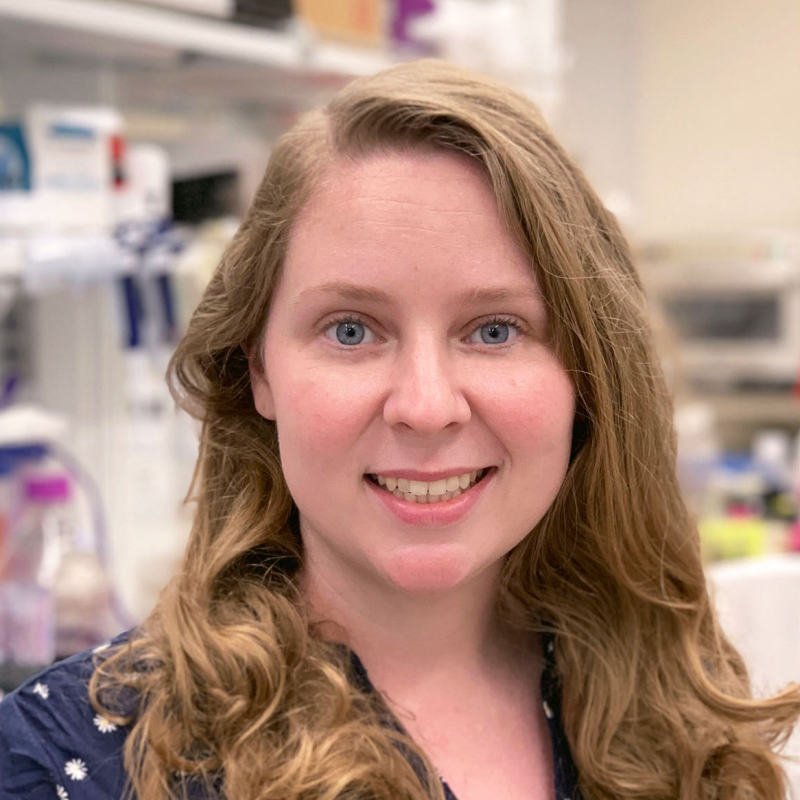
Melanie Campbell is a Professor at the University of Waterloo, cross-appointed to the School of Optometry and Department of Systems Design Engineering. Her research focuses on the optical properties of the eye, developing imaging systems for diagnosing Alzheimer's disease and diabetic retinopathy through polarization techniques and adaptive optics. PhD in Physics from Australian National University (1982) MSc in Physics from University of Waterloo (1977) BSc in Chemical Physics from University of Toronto (1975) Research interests include: Retinal amyloid detection for Alzheimer's diagnosis Adaptive optics for high-resolution imaging Polarimetry in ocular pathology Presbyopia and ophthalmic corrections Her publications (2012-2019) demonstrate interdisciplinary applications of optics in neuroscience and diabetes research, with key contributions to: Retinal polarization imaging Two-photon therapy systems Cone photoreceptor analysis Animal models of neurodegeneration Scientific honors include: 2019 Laird Lecturer 2014 CAP-INO Medal 2004 Rank Prize in Optoelectronics Fellow of Optical Society of America As director of Campbell Labs, she leads research on retinal imaging techniques and their applications in neurological disease diagnosis.
Ramses Martinez is an Assistant Professor in the Department of Industrial Engineering and Biomedical Engineering at Purdue University . He holds a B.A. in Applied Physics from Universidad Autonoma de Madrid (2004) and a Ph.D. in Physics and Materials Science from the Spanish National Research Council (CSIC) in 2009. Prior to joining Purdue, he conducted postdoctoral research in the lab of Prof. George M. Whitesides at Harvard University, focusing on nanofabrication, microfluidics, and soft robotics. Education B.A. in Applied Physics, Universidad Autonoma de Madrid (2004) Ph.D. in Physics and Materials Science, Spanish National Research Council (CSIC) (2009) His research bridges soft robotics , flexible electronics , and nanofabrication , with a focus on creating self-powered e-textiles , omniphobic paper-based devices , and programmable mechanical metamaterials . His work has led to over 25 publications and 9 patents, emphasizing practical applications in health monitoring and industrial automation . Notable projects include waterproof electronic decals for biofluid monitoring, smart bandages for chronic wound detection, and laser nanoforming methods for scalable metallic structures. His research has been recognized through the Fulbright Fellowship and the Marie Curie IOF Grant .
Kathleen Mulvaney is an Assistant Professor at the Fralin Biomedical Research Institute at Virginia Tech and in the Department of Biomedical Sciences and Pathobiology at the Virginia-Maryland College of Veterinary Medicine. Her laboratory is located at the Children's National Research & Innovation Campus in Washington, D.C., where she leads research efforts focused on cancer biology and therapeutic development. Dr. Mulvaney's educational background includes: Ph.D. in Cell Biology from the University of North Carolina, Chapel Hill B.S. in Biology from the University of Rochester Dr. Mulvaney's research program centers on understanding and disrupting protein-protein interactions and protein modifications in cancer, with particular focus on pancreatic cancer and pediatric and adult brain cancers. Her laboratory investigates tumor dependencies - the specific enzymes and pathways that cancers rely on for survival - with the goal of translating these findings into meaningful clinical improvements for patient care. A significant portion of her recent work has focused on PRMT5, an enzyme found in approximately 15% of human cancers, exploring how to target this enzyme for therapeutic benefit. Her research employs CRISPR gene editing, molecular biology techniques, and biochemical approaches to identify vulnerabilities in cancer cells. Her laboratory has made significant contributions to understanding the molecular basis of substrate recruitment to the PRMT5 methylosome and has discovered first-in-class inhibitors of the PRMT5-substrate adaptor interaction. Recent work published in Cancer Research demonstrates a promising combination therapy approach for hard-to-treat cancers that lack specific tumor suppressor genes. These cancers, which include certain lung, brain, and pancreatic tumors, become dependent on PRMT5 for survival, making it a potential therapeutic target. Dr. Mulvaney has received numerous scientific awards and honors, including: National Institutes of Health F32 Ruth L. Kirschstein Postdoctoral Individual National Research Service Award (2018-2021) National Institutes of Health LRP Award (2019-2021) Sigma Xi Research Society Graduate Student Travel Award (2015) National Science Foundation Graduate Research Fellowship Honorable Mention (2011, 2012) Dr. Mulvaney actively mentors graduate students and postdoctoral researchers in her laboratory at the Children's National Research & Innovation Campus. Her research is supported by grants from the National Institutes of Health, including an R35 grant to examine cancer-related enzymes. She collaborates extensively with researchers across Virginia Tech and Children's National Hospital to advance cancer research and therapeutic development, participating in the Virginia Tech Cancer Research Alliance which brings together scientists and physicians to develop innovative approaches to cancer treatment. The Mulvaney Lab is part of the Cancer Research Center - D.C. at the Children's National Research & Innovation Campus, where they work alongside other researchers in the Children's Cancer and Immunobiology Center. This collaborative environment allows for interdisciplinary approaches to understanding cancer biology and developing novel therapeutic strategies, with particular emphasis on translating basic science discoveries into clinical applications for hard-to-treat cancers.
Prof. Friedrich Götz is a Senior Professor and Head of the Department of Microbial Genetics at the University of Tübingen, Germany. He has held this position since 2015, following his tenure as a full professor from 1987 to 2015. He is also a Visiting Professor at the Shiraz University of Medical Sciences (SUMS, 2020–present) and a member of the Cluster of Excellence - CMFI (2018–present). His academic journey includes a Ph.D. in Microbiology from Ludwig Maximilians University (LMU) Munich (1974–1978) and Habilitation at TU Munich (1985). His research focuses on microbial genetics, particularly the physiology of staphylococci, lipoprotein roles in immune responses, and bacterial-host interactions. Recent studies highlight microbiota-derived neurotransmitters influencing host cells and the development of novel antimicrobial compounds. His work has led to groundbreaking insights into skin microbiota's role in wound healing and neurochemical signaling. Prof. Götz has been awarded the DECHEMA Award (1989), DGHM Award (1991), and DGHM Lecturer Award (2009). He has served as President and Vice President of the VAAM (2003–2009), and has held leadership roles in major initiatives, including the DFG Graduate College 685 (2010–2011) and the Transregio SFB (2006–2013). He actively contributes to scientific publishing as an editor for journals like Molecular Microbiology and Medical Microbiology and Immunology, and advises international research institutions. His research spans over 380 peer-reviewed publications, with an h-index of 99, and has mentored over 120 PhD students and postdocs, many of whom have become professors. His lab, part of the Interfaculty Institute for Microbiology and Infection Medicine (IMIT), collaborates globally on microbial genetics and infection biology.
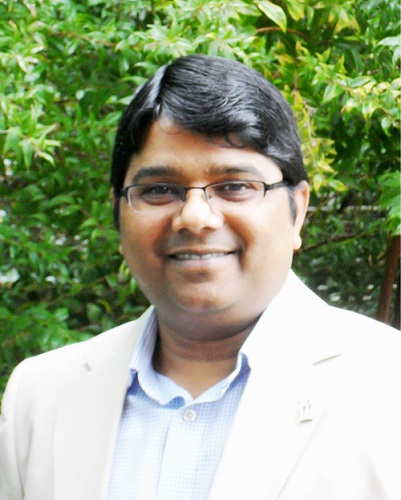
Ahmed Bin Zaman serves as an Assistant Professor in the Department of Computer Science at George Mason University, where his research bridges computational methods with biological discovery. His academic profile emphasizes innovative approaches to protein structure prediction and optimization challenges. His educational foundation includes: PhD in Computer Science, George Mason University (2021) Master of Science in Computer Science, George Mason University (2020) Zaman's research program centers on computational biology, with specialized expertise in evolutionary computation and artificial intelligence applied to protein conformation analysis. He develops stochastic optimization frameworks to enhance protein structure prediction accuracy, focusing on conformational space mapping and decoy ensemble generation. His methodology integrates evolutionary algorithms with multi-objective optimization to navigate complex molecular landscapes, contributing significantly to template-free protein structure determination. His publication trajectory from 2017-2022 reveals distinct research phases: initial work in cybersecurity threat detection evolved into a concentrated focus on computational structural biology. Thirteen protein-related publications demonstrate consistent innovation in conformational sampling techniques, while maintaining methodological rigor through evolutionary computation and machine learning integration. Key contributions include conformation space mapping frameworks and adaptive stochastic optimization systems that address decoy diversity challenges. Professional development shows progression from industry experience at Technext Limited (as team leader/researcher) and lecturing at Metropolitan University to his current academic role. His teaching philosophy emphasizes cultivating independent problem-solving capabilities in students through cognitive tool development.
P. Murali Doraiswamy, MBBS, FRCP , is Professor of Psychiatry and Professor in Medicine at Duke University School of Medicine, Director of the Neurocognitive Disorders Program, Senior Fellow at the Duke Center for the Study of Aging and Human Development, and holds affiliate faculty appointments with the Duke Center for Applied Genomics & Precision Medicine, the Duke Microbiome Center, and the Duke Initiative for Science & Society. He is a Faculty Network Member of the Duke Institute for Brain Sciences and has advised major agencies including NIH, FDA, WHO, and the World Economic Forum. Research Focus Dr. Doraiswamy leads a multidisciplinary program that integrates advanced neuroimaging, multi-omics, digital therapeutics, and artificial intelligence to understand, predict, and prevent Alzheimer’s disease and related neurodegenerative disorders. His work spans: Development and validation of blood, CSF, imaging, and digital biomarkers for early detection and staging. Clinical trials of novel pharmacological, lifestyle, and digital interventions in mild cognitive impairment (MCI) and Alzheimer’s dementia. Systems-biology approaches combining genomics, metabolomics, lipidomics, and microbiome data to uncover mechanisms of resilience and risk. Policy translation and global mental health initiatives aimed at reducing disparities and improving brain health worldwide. Publications & Impact With more than 400 peer-reviewed publications and continuous federal and industry funding, his research has shaped current diagnostic algorithms and therapeutic pipelines. Recent work (2023-2025) demonstrates accelerated adoption of deep-learning MRI models for amyloid/tau staging, AI-guided companion robots to combat loneliness, and precision nutrition trials leveraging microbiome signatures. Scientific Leadership & Recognition He has chaired the World Economic Forum’s Global Agenda Council on Brain Research and co-chaired innovation advisory councils for large social-impact funds. His findings have been featured by BBC, The New York Times, Scientific American, TIME, NPR, CBS Evening News, Oprah, The Dr Oz Show , and acclaimed documentaries such as (Dis)Honesty: The Truth about Lies and Mysteries of the Brain . Advocacy & Societal Engagement Beyond the laboratory, Dr. Doraiswamy is a leading advocate for increased public and private investment in brain and behavioral research. He serves on multiple charitable boards and co-authored the popular book The Alzheimer’s Action Plan , translating cutting-edge science into practical guidance for patients and families.
Young-Hee Lee is a Ph.D. candidate and Lecturer at the Technical University of Munich (TUM), affiliated with the TUM School of Engineering and Design and the Institute for Communications and Navigation. Her research focuses on proteomics, with emphasis on protein citrullination dynamics, phosphoproteomics in cancer diagnostics, and advanced mass spectrometry techniques. Her recent work includes the development of high-throughput proteomic workflows for ischemic stroke biomarker discovery and the application of deep learning to enhance citrullination identification. She contributes to methodological innovations in peptide extraction and single-cell proteomics sensitivity. Lee is part of the Chair of Communication and Navigation led by Prof. Christoph Günther, located at Theresienstraße 90, Munich. Her research bridges computational biology and biochemical analysis, with applications in cancer, neuroscience, and viral proteomics.
Anand Mohan is an Associate Professor at the University of Georgia , affiliated with the College of Agricultural & Environmental Sciences and the Department of Food Science and Technology . He can be contacted at anandmohan@uga.edu or via mail at 0129 Food Science Building, Athens, GA 30602. Research focuses on food ingredient innovation and meat product safety Teaches courses in food science and meat product development Developed the Food Product & Ingredient Innovation Lab Active in food chemistry and oxidation stability studies His research interests include food product development , physicochemical characterization , and meat safety . He explores oxidation reactions in muscle foods, antimicrobial interventions , and valorization of food byproducts . Recent work emphasizes plant-based meat analogs , edible flowers , and starch-based fortification . Recent publications highlight trends in food chemistry (e.g., lipid aldehyde detection), plant-based food innovation (culinary techniques and packaging), and starch modification . He also investigates meat preservation and enzymatic stabilization of food ingredients.
Professor Paul M. O'Neill is a distinguished academic at the University of Liverpool with appointments spanning the Department of Chemistry and Pharmacology. With over 30 years of experience in medicinal chemistry and drug discovery, he has established himself as a leading researcher in anti-infective drug development, particularly for neglected tropical diseases. His research interests focus on synthetic organic chemistry, pharmacology, drug-design, chemical biology, and medicinal chemistry of anti-infectives. Professor O'Neill's work spans the entire drug discovery pipeline from hit identification through to clinical candidate selection. His group has developed several drug candidates that have progressed to clinical trials, including Isoquine for malaria and AWZ1066S for filariasis. Analysis of his recent publications reveals a strong focus on malaria drug discovery, tuberculosis research, and filariasis treatment. His work combines medicinal chemistry with chemical biology approaches to understand mechanisms of action and validate drug targets. A significant portion of his research involves collaborations with the Liverpool School of Tropical Medicine (LSTM). Royal Society of Chemistry Malcolm Campbell Award (2011) RSC Chemistry Biology Interface Horizon Prize: Rita and John Cornforth Award (2024) Queens Anniversary Prize in Pharmacology (2018) Professor O'Neill has supervised 52 PhD students to completion and authored 191 publications with impressive citation metrics (WOS h-index = 55, Google Scholar h-index = 70). His research has been supported by major grants including funding from GSK, MMV, Wellcome Trust, MRC, and Eisai Ltd. His laboratory operates at the interface of chemistry and biology, with active programs targeting malaria, tuberculosis, and filarial diseases, making significant contributions to anti-infective drug discovery for neglected tropical diseases.
Attila Gursoy is a Professor at the Department of Computer Engineering, College of Engineering, Koç University. He serves as the Dean of the College of Engineering and leads research in computational biology, bioinformatics, and high-performance computing. Education : PhD in Computer Science from University of Illinois (1994), MSc from Bilkent University (1988), BSc from Middle East Technical University (1986) His research focuses on protein-protein interactions , computational structural biology , and systems pharmacology , with applications in drug repurposing and inflammatory disease mechanisms . He has pioneered structural analysis of Ras signaling and developed tools like COSBI for computational systems biology. Recent publications highlight his work on viral protein mimicry , neurodegenerative pathways , and microbiome dynamics . His team maintains datasets like PPInterface and DiPPI for structural drug discovery. 2005 : Werner-von-Siemens Excellence Award
Michelle Krogsgaard is an Associate Professor in the Department of Pathology at NYU Grossman School of Medicine, where she leads the Krogsgaard Lab at the Smilow Research Center in New York. Her research focuses on the molecular mechanisms of T-cell receptor (TCR) signaling in the context of cancer immunology, autoimmunity, and immunotherapy development. Research Interests: Dr. Krogsgaard's work lies at the intersection of immunology, biophysics, and structural biology. Her lab investigates how T cells recognize antigens, with a particular emphasis on TCR sensitivity, receptor signaling dynamics, and the structural basis of immune recognition. This includes studying neoantigens, TCR-CD3 complex assembly, and strategies to enhance immunotherapy while minimizing autoimmune side effects. Publication Trends: Her recent publications, appearing in high-impact journals such as Nature , Cell Reports , and PNAS , reflect a strong trajectory in structural immunology and translational cancer research. Themes include TCR engineering, phosphopeptide immunogenicity, mitochondrial influences on immune response, and the balance between antitumor efficacy and autoimmunity. The work combines molecular, structural, and clinical approaches to advance precision immunotherapy. Scientific Awards: No specific awards are listed in the provided text. Advising and Grants: Dr. Krogsgaard leads an active research laboratory and mentors trainees in immunology and cancer research. Her lab has received support from programs such as the Blood Cancer Pilot Grants, which fund translational research in novel immunotherapies. While specific grant amounts and student names are not provided, her extensive publication record and lab leadership indicate a robust program of funded research and academic mentorship. Labs and Teams: The Krogsgaard Lab is based at the Smilow Research Center and employs a multidisciplinary approach, including structural biology, animal models, and human tissue analysis. The team investigates fundamental TCR signaling mechanisms to inform the development of safer and more effective cancer immunotherapies.
Yoselin Benitez-Alfonso is a Professor of Interdisciplinary Plant Sciences at the School of Biology, Faculty of Biological Sciences, University of Leeds. She leads the Benitez-Alfonso Lab (PD Wall Structural Mechanics) and holds a prestigious UKRI Future Leaders Fellowship. Her research integrates plant biology, biophysics, and materials science to study plasmodesmata and cell wall polymers. Research Interests: Regulation of intercellular communication via plasmodesmata Role of callose and cellulose in cell wall mechanics Plant development and environmental resilience Sustainable biomaterials from plant polymers Diagnostic applications of β-1,3-glucans in fungal infections Her recent work shows strong interdisciplinary trends, combining genetic, molecular, and physical approaches to understand how plant microchannels regulate development and stress responses. Publications reveal a focus on callose metabolism, plasmodesmata proteomics, and innovative applications in biotechnology and materials science. Scientific Awards: UKRI Future Leaders Fellow HEA Fellow She is actively involved in advising postgraduate researchers and securing competitive grants from EPSRC, The Royal Society, Leverhulme Trust, and UKRI. She collaborates with the Department of Physics, Astbury Centre, Braggs Centre, and clinical teams at Leeds Teaching Hospitals. She also founded the ‘Black in Plant Science’ network to promote equity and inclusion. Labs and Teams: The Benitez-Alfonso Lab focuses on cross-disciplinary research in plasmodesmata structural mechanics, with active projects in plant biotech, biomaterials, and diagnostics. The team uses advanced tools including NMR, rheology, and AFM nanoindentation.
Jonathan Klassen is an Associate Professor in the Department of Molecular and Cell Biology / Microbiology at the University of Connecticut . His research focuses on microbial community ecology, particularly using the fungus-growing ant symbiosis as a model system to study the evolution of microbial interaction networks. He couples genomics and chemical biology to understand molecular mechanisms in symbiosis and explore drug discovery opportunities. PhD : Microbiology and Biotechnology, University of Alberta Postdoctoral Study : Bacteriology, University of Wisconsin-Madison His work spans microbial ecology, symbiosis, secondary metabolite discovery, and comparative genomics. Recent publications highlight studies on microbial exclusion dynamics in ant symbiosis, ITS2 metabarcode biases, and chemical defense mechanisms in insect-associated microbes. Scientific Awards : “Highly Accessed” article in BMC Genomics (2012) Contact : Email: jonathan.klassen@uconn.edu Phone: 860-486-6890 Lab: @klassenlab
Maria M. Viveiros is an Associate Professor and Assistant Department Head in the Department of Physiology and Pharmacology at the University of Georgia’s College of Veterinary Medicine. Her research integrates experimental approaches like live cell imaging, molecular biology, and genetic mouse models to study meiotic division accuracy in oocytes, genomic stability, and the effects of environmental toxicants on embryonic development. She co-leads the Dr. Viveiros’s Lab and participates in interdisciplinary programs such as the Interdisciplinary Toxicology and Regenerative Biosciences Programs. Dr. Viveiros holds a PhD in Physiology and Pharmacology from the University of Guelph (Canada), an MSc from the same institution, and a BSc from McMaster University (Canada). She coordinates multiple graduate courses, including Integrative Systems Physiology I and II (VPHY 8210 and VPHY 8250), and leads the Endocrine and Reproductive Systems I course (VETM 5194). Her research interests focus on cell and developmental biology, regenerative medicine, reproductive physiology, and toxicology. Key projects address mechanisms regulating meiotic spindle assembly, monitoring chromosome attachment, and assessing how aging and environmental factors disrupt these processes. She explores epigenetic control of oocyte maturation, centromere function, and the impact of chemicals like bisphenol on gamete and embryo health. Publications highlight her work on pericentric satellite transcription, bisphenol toxicity, and epigenetic modifiers in oogenesis. Her contributions bridge molecular and cellular mechanisms with broader implications for human health, such as Down Syndrome and pregnancy loss linked to meiotic errors. She also investigates the role of proteins like ATRX, NEDD1, and Aurora Kinase A in spindle stability and chromosome segregation.
Wei Shi is an Associate Professor of Chemistry (Organic) at Ball State University’s College of Sciences and Humanities, Department of Chemistry. He joined the institution in 2019, specializing in teaching Organic Chemistry and conducting research in Medicinal Chemistry, Chemical Biology, and Organic Synthesis. His research focuses on designing chemical probes derived from natural products to understand small molecule regulation of macro-biomolecules for disease treatment. Education: B.Sc. in Electrochemistry from Shanghai Jiao Tong University (China), M.Sc. in Bioorganic Chemistry from East China University of Science & Technology (China), Ph.D. in Chemistry from the University of Alberta (Canada), and postdoctoral training at Johns Hopkins School of Medicine (USA). Research Interests: Explores the pharmaceutical potential of bioactive natural products, particularly glycoconjugates, aiming to design novel drug candidates with enhanced therapeutic profiles. Key projects include studying ipomoeassin F’s mechanism of action as an ER translocon inhibitor and developing itraconazole analogs for antiangiogenic and anticancer applications. Selected Publications: Over 20 peer-reviewed articles, including landmark studies on ipomoeassin F’s Sec61α binding, itraconazole’s dual targeting of NPC1/VDAC1, and structural analog design. Recent work highlights Sec61 translocon inhibition mechanisms in Mycobacterium ulcerans pathogenesis and ER stress response modulation in cancer cells. Labs/Teams: Director of the Shi Research Group , focusing on natural product-inspired drug discovery and chemical biology.