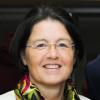
Dr. Katalin Ősz serves as Associate Professor and Vice Dean at the Department of Physical Chemistry and Materials Science, Institute of Chemistry, Faculty of Science, University of Pécs. Her dual role combines academic leadership with active research in experimental physical chemistry, focusing on energy-relevant photochemical processes. Her research program centers on: Photochemical water splitting catalyzed by Ce(III) complexes Redox chemistry of substituted quinone derivatives Kinetic studies of photochemical reactions in aqueous media Spectrophotometric method development for reaction monitoring Analysis of her publication record reveals sustained contributions across fundamental and applied physical chemistry. Recent work bridges historical perspectives (Bohr model, ideal gas law) with contemporary challenges in solar energy conversion and environmental chemistry, demonstrating consistent expertise in kinetic analysis and photochemical reactor design. Her scholarly output shows particular strength in quinone-based redox systems and water oxidation catalysis over the past decade.
Giuseppe Muratore is an Associate Professor of Food Science and Technology at the University of Catania , specifically in the Department of Agricultural Engineering (Di3A) - Section of Food Technologies . His career spans over three decades, with a focus on sustainable packaging solutions and food quality optimization. His research interests include: Food packaging systems for shelf life extension Interaction between food and packaging materials Minimal processing technologies Nutritional and physicochemical characterization Reduction of packaging material usage Aroma compound sorption mechanisms Scientific contributions include over 180 publications (Scopus H-index: 22), editorial work for MDPI Food , and 6 competitive research grants. Notable awards : GSICA Scientific Productivity Award (2005) National Scientific Qualification as Full Professor (2017) He supervises PhD and Master's students , coordinates international academic collaborations, and serves as scientific referee for agri-food companies. His teaching covers Food Packaging and Technology at both graduate and undergraduate levels.
Mauro Carcelli serves as a tenured Associate Professor in the Department of Chemical, Life and Environmental Sustainability Sciences at the University of Parma, teaching General and Inorganic Chemistry across multiple programs including the 5-year Master's in Pharmaceutical Chemistry and Technology and Bachelor's in Chemistry. His academic appointments span from 2013/2014 through current 2025/2026 cohort assignments with consistent course delivery in core chemistry curricula. Research interests focus on bioinorganic chemistry with particular emphasis on metal complexes exhibiting biological activity. His work bridges coordination chemistry and medicinal applications, targeting antiviral and anticancer mechanisms through metal-based compounds. Key areas include enzyme inhibition (particularly carbonic anhydrases and viral endonucleases), structural characterization of metal-ligand systems, and development of water-soluble therapeutic complexes. Publication trends reveal sustained research momentum through 2025, with recent work concentrating on carbonic anhydrase IX inhibitors for cancer therapy, Bunyavirales endonuclease targeting for antiviral applications, and advanced characterization of copper/zinc complexes. The portfolio demonstrates strong integration of synthetic chemistry, computational modeling, and biological evaluation across 100+ journal articles, 3 book chapters, and 2 patents. As an active member of the Italian Chemical Society since 1993, Carcelli contributes to the scientific community through peer review for leading journals including Journal of Medicinal Chemistry and Inorganic Chemistry. His laboratory maintains collaborations evident in multi-institutional publications, though specific team structures aren't detailed in source materials. Office hours are held Fridays 3-6pm at the Chemical Complex Science Park Area in Parma.
Sabina Passamonti is a University Researcher in Biochemistry (BIO/10) at the Department of Life Sciences, University of Trieste. She has been a university researcher since 1992 and serves as a member of the Departmental Council and Doctoral Colleges for Neuroscience and Cognitive Science. Her research spans nutritional biochemistry, molecular nutrition, and bilirubin transport mechanisms, with significant contributions to understanding the interactions between dietary compounds and human physiology. Dr. Passamonti's research focuses on the membrane transport of bilirubin and flavonoids, particularly anthocyanins. She has made groundbreaking discoveries regarding the gastric absorption of anthocyanins, their pharmacokinetics, brain distribution, and cardiovascular effects. Her work has identified anthocyanins as molecular probes for hepatic bilirubin transport. She developed the HUG protein kit for fluorimetric analysis of bile pigments, which has applications across experimental models and clinical analyses. Her research portfolio includes 119 publications with an H-index of 32 and a total personal impact factor of 589. Current projects center on precision diagnostics of bile pigments, new blood biomarkers for fish welfare assessment, screening bile pigments in human plasma biobanks, heme catabolism in cell cultures, development of HELP polypeptides and conjugates, and antimicrobial components resistant to antibiotic resistance. National Scientific Qualification for full professor (2012) National Scientific Qualification for full professor (2016) European funding for Trans2Care and Innov-H2O projects (€4 million) Expert for European Food Safety Authority (since 2020) Dr. Passamonti has trained 12 doctoral students and 30 international researchers over 12 years, and hired 25 researchers on various contracts totaling 52 years. She coordinates large Research & Innovation network projects involving 21 institutional partners funded by European structural funds. Her current projects include Trans2Care, Innov-H2O, Agrotur II, AdriAquaNet, and iNEST (Interconnected Nord-East Innovation project). She leads the Molecular Nutrition and Regenerative Medicine research group, which has expertise spanning medicine, biology, biochemistry, molecular biology, and biotechnology. The group collaborates with Antonella Bandiera, Federica Tramer, and other researchers on developing biomimetic materials, drug delivery systems, and innovative biological assays. Their work bridges basic research with practical applications in health, nutrition, and biotechnology.
Dr. Carrie Kim Vance is an Associate Professor at Mississippi State University, specializing in reproductive physiology and conservation technologies for endangered species. She holds a PhD in Biophysics from Johns Hopkins University, an MS in Chemistry from the California Institute of Technology, and a BS in Chemistry from The Ohio State University. Her research focuses on hormonal stimulation, cryopreservation, and near-infrared spectroscopy (NIRS) applications in wildlife conservation. Education: PhD, Biophysics, Johns Hopkins University MS, Chemistry, California Institute of Technology BS, Chemistry, The Ohio State University Vance has pioneered techniques in amphibian spermiation, biobanking, and non-invasive sex identification using NIRS. Her work spans species like tiger salamanders, Houston toads, and giant pandas, addressing challenges in fertility, hormonal response, and environmental stressors. Recent publications emphasize multi-model spectroscopic approaches and mitochondrial sperm function analysis. Her laboratory collaborates extensively with the Mississippi Agricultural and Forestry Experiment Station (MAFES) and has received recognition such as the MAFES Grantsmanship Award and Mid-Career Research Scholar Award (Finalist). She actively applies her findings to conservation breeding programs and wildlife health assessments. Key Scientific Awards: Mid-Career Research Scholar Award - Finalist Mississippi State University Excellence in Research MAFES Grantsmanship Award Vance has advised graduate students including Mariana Santos-Rivera, Li-Dunn Chen, and Qingyu Sheng. Her research integrates field spectroscopy, metabolomics, and reproductive endocrinology to advance conservation science and veterinary diagnostics.
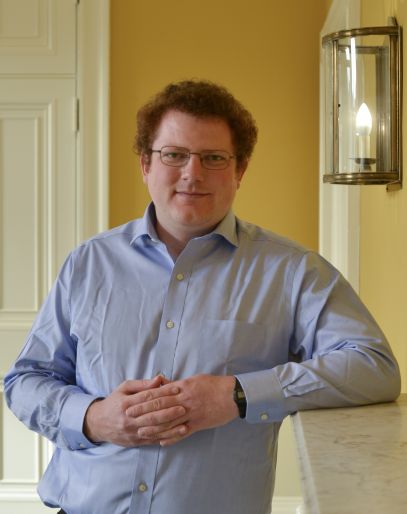
John Morgan is a College Associate Professor and Fellow in Chemistry at Downing College, University of Cambridge, serving as a Theory Teaching Officer in the Yusuf Hamied Department of Chemistry. He additionally holds critical institutional roles including Praelector and Undergraduate Tutor, demonstrating deep integration within Cambridge's academic structure. Morgan's educational background comprises an MSci, MA, and PhD, though specific institutions granting these degrees are not documented in the source material. His academic journey established the foundation for his specialized research trajectory. His research centers on the energy landscapes framework, applying it to investigate nanoparticle structures, self-assembly phenomena, and machine learning solutions for chemical and medical challenges. This work bridges computational chemistry, theoretical physics, and biomedical applications through sophisticated modeling of molecular and material systems. His methodology emphasizes geometric analysis of high-dimensional energy surfaces to predict structural stability and dynamic behavior. Analysis of Morgan's publication record reveals consistent interdisciplinary innovation across 15 recent articles. His work spans biomolecular systems (hexapeptides, proteins), nanomaterials (fullerenes, colloidal clusters), solid-state physics, and machine learning theory. A unifying thread is the application of energy landscape theory to diverse physical systems, with increasing integration of computational and data-driven approaches evident in post-2020 publications. No scientific awards or honors were documented in the provided materials. Morgan actively shapes academic development as Director of Studies in Chemistry for Downing College students, providing comprehensive supervision across all three years of the Natural Sciences Tripos. His pedagogical contributions include lecturing on symmetry and quantum mechanics while designing computational chemistry practicals that translate theoretical concepts into hands-on learning experiences.
Alex Routh is Professor of Colloid Science in the Department of Chemical Engineering and Biotechnology at the University of Cambridge. He leads the Colloidal Dispersions research group, focusing on fundamental and applied aspects of colloidal systems. His work bridges theoretical understanding of particle behavior with practical applications in consumer products, coatings, and drug delivery systems. Professor Routh's research centers on four interconnected areas: film formation from colloidal dispersions, particle aggregation phenomena, microencapsulation technologies, and responsive microgel systems. His work on film formation investigates how particles pack and deform during drying to create continuous films, with applications in coatings technology. His aggregation research examines clumping mechanisms in systems ranging from engine oil additives to biological environments. In microencapsulation, he develops novel systems with responsive shells for controlled release, while his microgel work explores temperature-responsive particle behavior for drug delivery applications. Analysis of Professor Routh's recent publications reveals a strong trend toward practical applications of fundamental colloid science, particularly in fast-moving consumer goods. His work demonstrates consistent progression from theoretical investigations to engineered solutions for real-world problems, with growing emphasis on environmentally friendly materials and sustainable encapsulation technologies in his most recent research. Professor Routh actively collaborates across disciplines, notably with Dr. Bill Clegg in Materials Science on crack formation in drying films. His research group employs diverse experimental techniques including light scattering, rheology, neutron scattering, and advanced imaging methods to probe colloidal behavior at multiple scales. His laboratory maintains strong industry connections, particularly with consumer goods manufacturers seeking advanced encapsulation solutions.
Dr. Martin A. Schroer is a researcher at the University of Duisburg-Essen's Department of Engineering Sciences, with a habilitation in Materials Science (submitted 2024). He works in the Nanoparticle Process Technology (NPPT) group and is affiliated with the Center for Nanointegration Duisburg-Essen (CENIDE) since 2023. His research focuses on: Structure and dynamics of biological/soft matter systems under in situ conditions Development of X-ray scattering techniques at synchrotrons Biomedical applications of nanomaterials Additive manufacturing of metallic glasses Scientific achievements include: 2012 Promotionspreis from TU Dortmund 95+ publications with >2,245 citations Key contributions to: X-ray scattering methodology Nanoparticle self-assembly mRNA delivery systems Pressure-induced phase transitions Teaching activities since 2021 include: Lectures on Nanotechnology for mechanical engineers Tutorials in Measurement Technology Lab course organization Collaboration network spans institutions in Germany, Italy, UK, Czech Republic, and France, focusing on: European Molecular Biology Laboratory (EMBL) Deutsches Elektronen-Synchrotron (DESY) Palacky University Westlake University
Dr. Grant Edwards is a Teaching Professor at the School of Civil Engineering within the Faculty of Engineering, Architecture and Information Technology at the University of Queensland. He is an affiliate of the Centre for Advanced Materials Processing and Manufacturing (AMPAM) and has contributed to research in polymer nanocomposites, biomaterials, and industrial material processing. Bachelor of Business (Administration), University of Queensland Bachelor of Engineering, University of Queensland Bachelor of Small Business Management, University of Queensland Doctor of Philosophy, University of Queensland His research focuses on materials engineering , particularly in polymer nanocomposites , biodegradable materials , and mechanical property optimization . Projects include graphene-enhanced coatings, nanocellulose-reinforced polymers, and synthetic clay processing for industrial applications. Funding has been received from the CRC for Polymers , Innovation Connections , and UniQuest Pty Ltd . Dr. Edwards has served as an associate advisor for PhD projects related to crosslinked polyester coatings and biomedical nanocomposites, collaborating with professors such as Darren Martin and Lisbeth Grøndahl. He is affiliated with the Australian Research Council Training Centre for Bioplastics and Biocomposites and has published extensively in journals like Materials Chemistry and Physics and Acta Biomaterialia .
Gleb Yakubov is an Honorary Research Fellow at the School of Chemical Engineering, University of Queensland. His research focuses on interdisciplinary applications spanning biomedical engineering, food science, and materials science. He has contributed extensively to understanding biotribology, mucin interactions, and hydrogel mechanics. University of Queensland faculty member Specializes in biotribology and biopolymer rheology Collaborates across food science and biomedical engineering His work explores: Mechanisms of oral lubrication by salivary proteins Structure-property relationships in plant-derived hydrogels Mucoadhesive interactions for drug delivery systems Biophysical characterization of food textures Key trends in his publications include: Biopolymer rheology (arabinoxylans, mucins) Food-oral processing interactions Advanced surface force measurements Mechanical properties of biological interfaces His technical expertise spans: Atomic force microscopy (AFM) Rheological analysis Interfacial shear rheology Small-angle scattering techniques
Dr Davor Daniloski is a Postdoctoral Research Fellow at the School of Chemical Engineering , University of Queensland . His research bridges food science, bioprocess engineering, and materials engineering, focusing on dairy protein functionality and sustainable food technologies. Current research themes include β-casein polymorphism, edible packaging development, and milk digestion mechanisms Collaborates with interdisciplinary teams across biomedical and materials engineering Davor's publication record (23 journal articles and 3 book chapters) demonstrates expertise in dairy processing, functional foods, and sustainable packaging solutions. His work explores both fundamental milk protein behavior and applied food technology innovations. Email: d.daniloski@uq.edu.au
Robert E. Collins is an Associate Professor in the Department of Chemistry and Physical Sciences at Quinnipiac University. With expertise in structural biology and biochemistry, he focuses on metal-dependent enzymes, particularly those with applications in biofuels and sustainable industrial processes. Education: PhD in Biochemistry, Cell and Developmental Biology, Emory University Jane Coffin Childs Postdoctoral Fellow, Yale University Dr. Collins' research centers on the discovery, purification, and atomic-level characterization of enzymes utilizing transition metals like copper. His lab employs bioinformatics, recombinant DNA technology, and X-ray crystallography to study novel metal-containing enzymes, especially those capable of degrading lignin—a key barrier in biofuel production—and enabling greener industrial solutions. His scholarly work spans structural analysis of laccase enzymes, metalloprotein engineering, and enzymatic remediation. Key subfields include lignin degradation, redox catalysis, and biotechnological applications of bacterial enzymes. Scientific Awards: Jane Coffin Childs Postdoctoral Fellowship Dr. Collins teaches Biochemistry I and II (CHE 315 & CHE 316) and mentors students in projects involving enzyme discovery, protein expression, and spectrophotometric assays. His lab fosters interdisciplinary research at the intersection of biochemistry and sustainability.
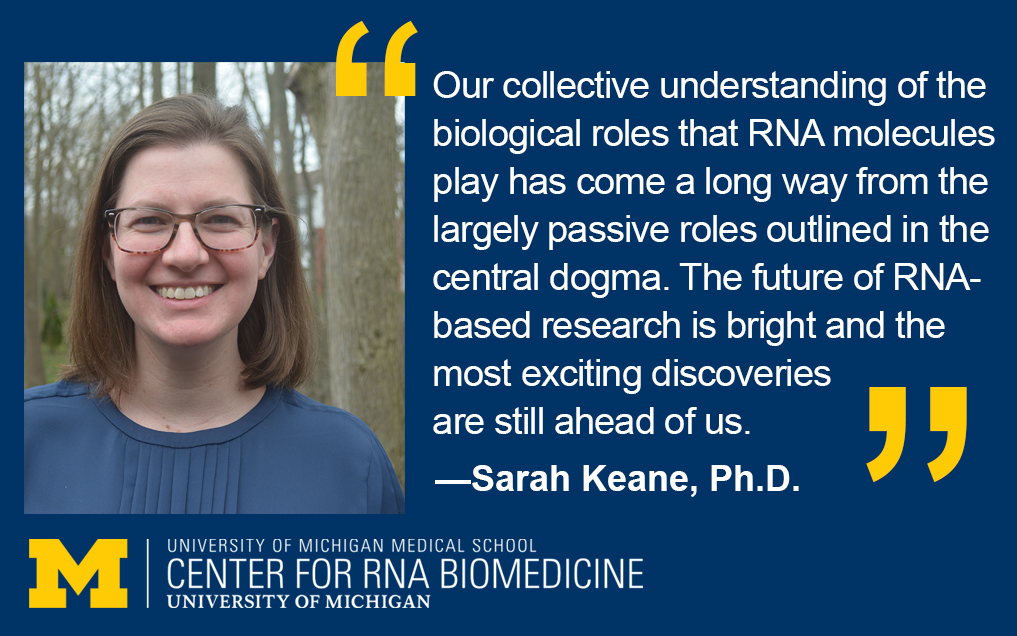
Sarah Keane, Ph.D., serves as Assistant Professor of Biophysics and the William R. Roush Assistant Professor of Chemistry at the University of Michigan's College of Literature, Science, and the Arts (LSA). She leads the Keane Lab, which operates at the intersection of biophysics and chemistry with a focus on RNA structural biology and its implications in health and disease. Her research centers on deciphering how RNA molecules fold into three-dimensional structures and how these conformations dictate biological function. Using nuclear magnetic resonance (NMR) spectroscopy as a primary tool—complemented by small-angle scattering, computational modeling, and chemical probing techniques—her lab tackles historically challenging RNA targets including microRNAs, riboswitches, and viral RNA elements. Current investigations span microRNA processing mechanisms, RNA-small molecule interactions for therapeutic targeting, and the structural basis of RNA-protein complexes in gene regulation. Analysis of her 15 most recent publications reveals a dominant focus on microRNA structural dynamics (particularly miR-20a, miR-31, and oncomiR-1), riboswitch functionality in bacterial pathogens like Listeria monocytogenes , and methodological innovations in RNA structural analysis. Her work consistently bridges biophysical characterization with biomedical relevance, especially in cancer and infectious disease contexts. Pew Scholar in the Biomedical Sciences (2020) NSF CAREER Award: Mechanisms of RNA-mediated control of gene expression in bacteria (2020) Dr. Keane actively recruits undergraduate students, graduate students, and postdoctoral researchers for her lab, emphasizing passion for learning over prior technical expertise. Her NSF CAREER grant supports both cutting-edge RNA research and educational initiatives training the next generation of structural biologists. She is an integral member of the University of Michigan's vibrant RNA community, collaborating across departments through the Center for RNA Biomedicine. The Keane Lab maintains strong ties with the Center for RNA Biomedicine and leverages university core facilities including the Bru-Seq Lab and SMART Center for single-molecule analysis. Her research program combines wet-lab structural biology with computational approaches to tackle RNA targets previously considered 'undruggable,' positioning her team at the forefront of RNA therapeutics development.
Maria Franca Brigatti is a Professor at the Department of Chemical and Geological Sciences, University of Modena and Reggio Emilia. Her work focuses on clay mineral functionalization for environmental applications, particularly gas-phase pollutant capture using Cu(II) and Fe(III) intercalated montmorillonite systems. Research Highlights: Ammonia and hydrogen sulfide trapping, crystal chemical analysis of micas, computational modeling of interlayer complexes, and sustainable soil conditioning with zeolites. Methodologies: X-ray diffraction, UV-Vis and IR spectroscopy, thermal analysis, XPS, DFT simulations, and Mössbauer techniques. Projects: Involved in the European LIFE+ ZeoLIFE project for water-saving soil conditioners and mercury pollution control studies.
Shennan Wang is a Postdoctoral Researcher in the Wood Material Science research group at Aalto University, Espoo, Finland, specializing in advanced wood-derived materials. His work bridges fundamental material science with sustainable applications, focusing on nanocellulose, biocomposites, and wood-based polymers for next-generation green technologies. His primary research domains include: Wood Material Science (core expertise) Nanocellulose processing and characterization Biocomposite development for structural applications Materials Engineering for sustainable solutions Wood and Paper Materials innovation Dr. Wang's recent publications (2021-2025) demonstrate a strategic evolution toward high-value applications: early work established foundational knowledge in wood nanostructure modification and enzymatic processing, while current research targets cutting-edge applications including 5G-compatible dielectric materials, transparent wood composites for construction, and seaweed-based bioplastics supply chains. Key trends reveal increasing industrial relevance through enzyme-enhanced material performance, multi-functional composites (e.g., UV-shielding sensors), and scalability studies addressing real-world production bottlenecks. As an active member of Aalto University's Wood Material Science group, he collaborates extensively with leading researchers including Qi Zhou and Lars A. Berglund across international projects focused on sustainable material solutions for electronics, packaging, and construction industries.