- Molecular Biology
- Cell Biology
- Ubiquitin Signaling
- +۴ مورد دیگر
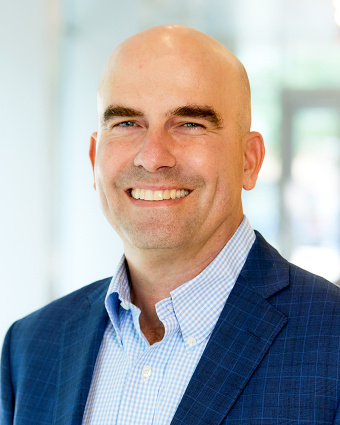
Gustavo M. Silva is the Jack H. Neely Associate Professor of Biology at Duke University's Trinity College of Arts & Sciences, a position he has held since 2025. Previously, he served as Associate Professor of Biology (2024-present) and Assistant Professor of Cell Biology (2022-present) at Duke. His research is conducted through the Silva Lab (sites.duke.edu/silvalab), which focuses on molecular mechanisms of cellular stress response. Education: Ph.D. from University of Sao Paulo (Brazil), 2010 B.Sc. from University of Sao Paulo (Brazil), 2004 Dr. Silva's research centers on understanding how gene expression is regulated at transcriptional and translational levels during cellular stress. His lab specifically investigates how the ubiquitin system controls protein synthesis and degradation dynamics under stress conditions, which are critical for cellular physiology. His work has significant implications for understanding disease mechanisms where protein homeostasis is disrupted. The research combines biochemical, genetic, and proteomic approaches to dissect these complex regulatory networks. His publication record demonstrates a clear evolution from fundamental studies on redox regulation and proteasome function to more complex investigations of ubiquitin signaling in translation control and stress response. Recent work increasingly focuses on K63-linked ubiquitination's role in ribosome function and translation regulation, with growing emphasis on the clinical implications of these mechanisms in disease contexts including cancer. Scientific Awards & Recognition: Paul T. Englund Emerging Scholar Award (Johns Hopkins School of Medicine, 2024) Dean's Award for Excellence in Mentoring (Duke Graduate School, 2023) Science Diversity Leadership Award (Chan Zuckerberg Initiative, 2022) Best Professor Award (Vanderbilt Basic Sciences Juneteenth Committee, 2022) 100 inspiring Black scientists in America (CellPress, 2020) Dr. Silva actively mentors students at multiple levels, as evidenced by his Dean's Award for Excellence in Mentoring. His research is supported by substantial funding including NIH grants such as the Tri-Institutional Molecular Mycology and Pathogenesis Training Program (2024-2029) and 'Stalling cancer at the ribosome' from the V Foundation for Cancer Research (2025-2028). He also serves as Principal Investigator on multiple R01 grants focused on ubiquitin's role in translation control and stress response. The Silva Lab maintains strong collaborative relationships with institutions including the Chan Zuckerberg Initiative and ETH Zurich, and participates in several interdisciplinary training programs at Duke that support underrepresented students in biomedical sciences.