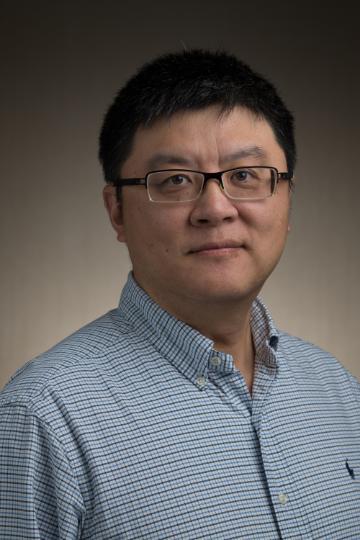
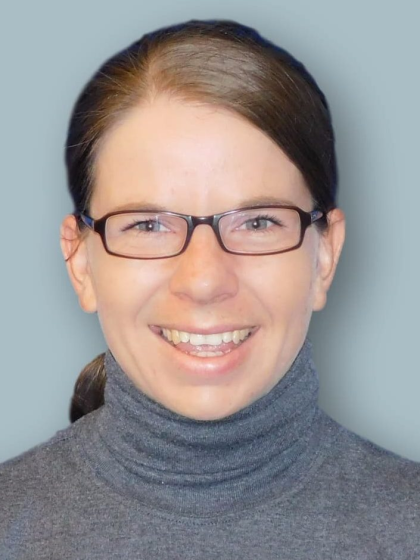
Konstantinos Kalogeropoulos is an Assistant Professor at the Department of Biotechnology and Biomedicine, Technical University of Denmark (DTU), leading research at the Cell Diversity Lab. His work bridges proteomics, computational biology, and snake venom research. Current projects: "The Proteomic Landscape during Influenza Infection" (2022-2025) Supervisor for PhD projects on protease network rewiring in psoriasis and wound exudate degradomics Research interests include: Proteomic analysis of inflammatory diseases Snake venom toxin structure prediction Extracellular matrix biomechanics De novo peptide sequencing algorithms Computational modeling of protease networks Recent article trends demonstrate his work in • Database-free proteomics (InstaNovo/InstaNexus) • Snake venom pathophysiology (V-ToCs clustering) • Inflammatory disease biomarkers (psoriasis, impaired healing) • Extracellular matrix mechanics (fibronectin tension, gut inflammation) Advising: Supervises PhD students Polhaus, C. J. M. and Haack, A. M., focusing on protease networks and wound healing.
Jeff Schorey is the George B. Craig Jr. Professor and a full Professor in the Department of Biological Sciences at the University of Notre Dame, where he has been a faculty member since 2004. He currently serves as Director of the Integrated Biomedical Sciences (IBMS) graduate program and previously held leadership roles including Chair of the Institutional Animal Care and Use Committee (IACUC) and Associate Director of the Eck Institute for Global Health. His research focuses on the pathobiology of mycobacterial diseases, particularly Mycobacterium tuberculosis and M. avium . His work investigates the molecular interactions between mycobacteria and host macrophages, with a special emphasis on the role of exosomes in immune modulation, diagnostics, and vaccine development. He also explores novel antibiotic development in collaboration with chemists at Notre Dame and global partners. His recent publications reveal a strong trend in extracellular vesicle biology, host-pathogen signaling, and translational applications in TB diagnostics and treatment. The articles span immunology, microbiology, and molecular biology, with recurring themes in exosome function, RNA sensing, and antimicrobial development. George B. Craig Jr. Collegiate Professor Dr. Schorey has advised graduate students and leads an active research lab focused on mycobacterial pathogenesis. His work is supported by collaborations across disciplines and institutions, particularly in drug development and clinical translation. He has contributed significantly to understanding how exosomes can serve as both biomarkers and therapeutic tools. His lab employs cellular immunology, animal models, and clinical sample analysis to study mycobacterial infections. He leads the IBMS program, shaping graduate education in biomedical sciences at Notre Dame.
Matthias Barz is a Professor of Biotherapeutic Delivery at the Leiden Academic Centre for Drug Research (LACDR) , Faculty of Science , Leiden University . He leads the Barz Lab , focusing on polymer science and biomedical applications of functional nanoparticles. Professor of Biotherapeutic Delivery (Leiden University) Head of the Division of BioTherapeutics Researcher in reactive polymer systems and nanocarrier design His research bridges polymer chemistry with biomedical applications, emphasizing polypept(o)ide-based nanocarriers for targeted drug delivery in cancer, inflammation, and neurodegenerative diseases. Key areas include: Stimuli-responsive polymer architectures Secondary structure-driven self-assembly Core-crosslinked micelles for controlled cargo release Redox-sensitive disulfide bonds for intracellular delivery Protein-repellent nanoparticle shells Riboflavin-functionalized nanocarriers for tumor targeting The lab's publications highlight advancements in polysarcosine-containing copolymers , orthogonal functional group utilization , and modular nanoparticle platforms with precise control over morphology and function. Current projects explore the clinical translation of these systems for immunotherapy and diagnostics. Scientific recognition includes: Dozentenpreis des Fonds der Chemischen Industrie (2018) PMSE Young Investigator Award (2018) Nachwuchswissenschaftlerstipendium der GDCh (2017) His team trains graduate students in polymer synthesis, nanoparticle characterization, and biomedical application testing. Collaborations span institutions like the University of Tokyo and Johannes Gutenberg University Mainz , with ongoing projects under the SFB 1066 initiative for malignant melanoma immunotherapy.
Kathrin Lang is a Full Professor at the Department of Chemistry and Applied Biosciences, ETH Zurich, and Head of the Organic Chemistry Laboratory. Her research focuses on chemical biology, particularly the development of tools for genetic code expansion to incorporate non-canonical amino acids into proteins and advance bioorthogonal chemistries for studying biological processes. Keywords: Genetic Code Expansion, Bioorthogonal Chemistry, Protein Engineering, Ubiquitylation Networks, Post-Translational Modifications. Lang’s work emphasizes proximity-triggered crosslinking reactions, bioorthogonal labeling, and in vivo chemistries to address challenges in protein interaction mapping and structural elucidation. Her group’s recent publications highlight methodologies for dual protein labeling, deciphering ubiquitin code, and enhancing cycloaddition reactivity. Current projects include exploring cyclopropene-fused dibenzocyclooctynes for improved labeling and investigating methylated lysine as a conformational regulator in Hsp90. Funding sources include the ERC (Ubl-tool), DFG (SFB1035, SPP1926), and ETH Zurich. She contributes to education through courses like Genetic Code Expansion for Studying Posttranslational Modifications and Chemical Biology and Synthetic Biochemistry . Collaborative efforts span structural biology, microbiology, and synthetic biochemistry, with applications in ubiquitin research and cellular imaging.
Dr. Jacques Archambault is a Professor in the Department of Microbiology and Immunology at McGill University , and an associate member of the Division of Experimental Medicine since 2016. His research focuses on the molecular biology and pathogenesis of human papillomaviruses (HPVs) and polyomaviruses (HPyVs), with an emphasis on their replication mechanisms as episomes in host cells. The Archambault laboratory employs functional genomics, proteomics, and chemical biology approaches to identify cellular pathways exploited by these viruses and develop high-throughput assays for screening small molecule inhibitors of viral replication. Analysis of his recent publications reveals a strong focus on HPV and HPyV replication machinery, including studies on the E1 helicase, UAF1-USP1 interactions, and structural characterization of viral proteins involved in DNA replication. His work bridges virology, oncology, and drug discovery, particularly targeting oncogenic HPV types implicated in anogenital and oropharyngeal cancers, as well as HPyVs like BKPyV and JCPyV that cause pathologies in immunosuppressed patients. Current efforts in the lab aim to elucidate the molecular mechanisms by which HPVs and HPyVs replicate their genomes and to develop antiviral therapies targeting these processes. Techniques such as fluorescence anisotropy, NMR spectroscopy, and crystallography are frequently employed to study protein-DNA and protein-protein interactions critical to viral replication.
James Shorter is a Professor of Biochemistry and Biophysics at the Perelman School of Medicine, University of Pennsylvania. He is affiliated with multiple prestigious institutes, including the Institute on Aging (IOA), the Institute for Translational Medicine and Therapeutics (ITMAT), the Penn Center for AIDS Research (CFAR), the Chemistry-Biology Interface (CBI), and the Penn Institute for RNA Innovation. He mentors several training programs such as the Penn Summer Undergraduate Internship Program (SUIP), PennPREP, and the Translational Research Immersion Program (TRIP), and serves as a Primary Trainer at the Center for Neurodegenerative Research (CNDR). Ph.D. in Cell Biology, University of London, 2000 M.A. in Biology, University of Oxford, 1995 Dr. Shorter’s research focuses on protein homeostasis, particularly the mechanisms of protein disaggregation and the role of prion-like domains in neurodegenerative diseases such as ALS, Alzheimer’s, Parkinson’s, and frontotemporal lobar degeneration. His lab investigates the Hsp104 disaggregase from yeast and has engineered variants to combat human proteinopathies. They also identified the mammalian disaggregase system (Hsp110/Hsp70/Hsp40) and explore how small molecules and nuclear import receptors can reverse pathological phase transitions of RNA-binding proteins like TDP-43 and FUS. His work bridges structural biology, genetics, and translational neuroscience. His recent publications highlight trends in targeting TDP-43 and FUS proteinopathies, engineering Hsp104 for selective detoxification, understanding mitochondrial disaggregases like Skd3, and modulating phase transitions with nuclear import receptors. His research spans from fundamental mechanisms of protein folding to therapeutic development for neurodegenerative diseases. Faculty Member, Institute on Aging (IOA) Faculty Member, Institute for Translational Medicine and Therapeutics (ITMAT) Mentor, Penn Summer Undergraduate Internship Program (SUIP) Primary Trainer, Center for Neurodegenerative Research (CNDR) Faculty Member, Penn Center for AIDS Research (CFAR) Member, Penn Institute for RNA Innovation Mentor, Translational Research Immersion Program (TRIP) Dr. Shorter advises numerous graduate students and postdoctoral researchers through the Biochemistry and Molecular Biophysics, Pharmacology, Neuroscience, and Cell and Molecular Biology graduate groups. His lab receives funding from NIH and other sources to support research on protein disaggregation, phase separation, and neurodegenerative disease mechanisms. He has trained many scientists now active in academia and biotech. His lab, located in Stellar-Chance Laboratories, operates at the intersection of biochemistry, cell biology, and translational medicine, with active projects on Hsp104 engineering, mitochondrial proteostasis, and the role of RNA-binding proteins in disease. The lab collaborates widely across Penn and with international partners to advance understanding and treatment of protein misfolding disorders.
Dr. Xi Chen is a Professor in the Department of Chemistry at the University of California, Davis, where he has been a faculty member since 2003. His research spans carbohydrate chemistry, glycobiology, and cancer biology, with notable contributions to chemoenzymatic methods for glycoconjugate synthesis. Dr. Chen's work focuses on developing hybrid chemical-enzymatic approaches to synthesize complex carbohydrates and glycoconjugates, characterizing glycosyltransferase mechanisms, and designing enzyme mutants for improved catalysis. He also investigates carbohydrate-based diagnostics and therapeutics, particularly in cancer and inflammatory diseases. His recent publications highlight interdisciplinary studies linking carbohydrate metabolism to p53 tumor suppression pathways and RNA-binding protein regulation in cancer. Awards include AAAS Fellow (2015), ACS Isbell Award (2012), and NSF CAREER Award (2006). He earned his Ph.D. at Wayne State University (2000) and B.S. at Xiamen University (1994). Scientific Awards American Association for the Advancement of Science Fellow (2015) Dean's Team Award for Excellence (2013) Carbohydrate Research Award for Creativity (2013) ACS CARB Horace S. Isbell Award (2012)
Rafael Brüschweiler is a Professor and Ohio Research Scholar at The Ohio State University, holding joint appointments in the Department of Chemistry and Biochemistry and the Department of Biological Chemistry and Pharmacology. He serves as the NMR Executive Director for the Ohio State Campus Chemical Instrument Center and the NSF-funded National Gateway Ultrahigh Field NMR Center. His research focuses on biophysical chemistry, analytical chemistry, and computational modeling, emphasizing protein dynamics, metabolomics, and NMR method development. He received his Ph.D. from ETH Zurich and completed a postdoc at the Scripps Research Institute. His research integrates experimental NMR, molecular dynamics simulations, and machine learning to study protein structure-function relationships, metabolic pathways, and biomolecular interactions. Key areas include the dynamics of oncogenic K-Ras, glucokinase glucose sensing, and nanoparticle-assisted NMR techniques. His work is funded by the NIH and NSF, with applications in biomedical diagnostics and drug discovery. Dr. Brüschweiler leads a multidisciplinary lab training students and postdocs in NMR spectroscopy, computational methods, and metabolomics. His lab developed tools like DEEP picker and COLMAR for automated NMR data analysis, contributing to the SECIM metabolomics center. He actively recruits students interested in protein dynamics, computational modeling, or metabolomics.
Dr. Christina Leslie is a Research Professor and Member of the Computational & Systems Biology Program at Memorial Sloan Kettering Cancer Center (MSK). She leads an active research laboratory focused on developing computational approaches to understand complex biological systems. Dr. Leslie earned her PhD from the University of California, Berkeley and has established herself as a leading computational biologist in cancer research and immunology. Computational & Systems Biology Program, Memorial Sloan Kettering Cancer Center Gerstner Sloan Kettering Graduate School of Biomedical Sciences Dr. Leslie's research focuses on developing novel computational methods to study cellular biological systems from a global and data-driven perspective. Her lab exploits diverse high-throughput functional and genomic data to understand molecular networks underlying fundamental cellular processes, including transcription regulation, pre-mRNA processing, signaling, and post-transcriptional gene silencing. Her algorithmic methods draw heavily on machine learning to build accurate predictive models from noisy and high-dimensional biological data. Key areas of interest include modeling cell-type specific transcriptional programs and dissecting co- and post-transcriptional regulation, particularly microRNA-mediated gene regulation. Analysis of Dr. Leslie's publication record over the last five years reveals a strong focus on computational approaches to cancer genomics, immunology, and epigenetics. Her work bridges multiple disciplines, with a particular emphasis on developing machine learning methods to interpret complex biological data. The publications demonstrate increasing sophistication in integrating multiple data types (genomic, transcriptomic, epigenomic) to understand cancer biology and immune responses. Recent work shows a growing emphasis on single-cell technologies and spatial analysis of tumor microenvironments. Introduction of string kernel methodology for SVM classification of biological sequences Development of algorithms for predictive modeling of gene regulation First systems-level analyses of competition between microRNAs and between target transcripts Dr. Leslie actively mentors numerous graduate students and research associates, with current lab members including Vianne Gao, Alireza Karbalaghareh, Erik Ladewig, and several others. Her lab has received significant research funding to support their work on computational approaches to cancer biology and immunology. The Leslie Lab maintains close collaborations with multiple experimental groups at MSK, facilitating the translation of computational insights into biological understanding. The Leslie Lab operates within the Computational & Systems Biology Program at MSK, with strong ties to both the research and clinical missions of the institution. The lab maintains state-of-the-art computational infrastructure for analyzing large-scale genomic and proteomic datasets and collaborates extensively with wet-lab researchers to validate computational predictions experimentally.
Kristina Schoonjans is an Associate Professor at EPFL’s School of Life Sciences, where she leads the Laboratory of Metabolic Signaling (UPSCHOONJANS). Her research focuses on the molecular mechanisms of bile acid signaling, nutrient sensing, and intermediary metabolism, particularly in the context of metabolic disorders such as obesity, fatty liver disease, and cancer. She investigates how the liver-gut-brain axis integrates metabolic signals through nuclear receptors and mitochondrial dynamics. Her research interests include: Bile acid signaling and its role as a hormonal regulator Nutrient and metabolite sensing in energy homeostasis Intermediary metabolism and metabolic disorders Role of nuclear receptors (e.g., TGR5, LRH-1) in liver, gut, and adipose tissue Mitochondrial dynamics and fission in metabolic regulation Organoid models for studying liver and intestinal metabolism Systems genetics using BXD mouse populations The most recent articles highlight a strong focus on bile acid signaling, particularly through TGR5 and LRH-1, in regulating metabolic health. Themes include the conversion of white fat to beige fat (beiging), hepatic tumorigenesis, mitochondrial fission, and the use of organoid and genetically engineered mouse models. There is a consistent emphasis on translational applications for obesity, fatty liver disease, and cancer. Scientific honors include: Windaus Prize from the Dr. Falk Foundation (2010, shared with Johan Auwerx) for the discovery of the signaling/endocrine function of bile acids Prof. Schoonjans actively supervises PhD students and has advised numerous doctoral candidates who have since completed their theses. Her lab is supported by multiple grants from Swiss and international funding agencies, including the Swiss National Science Foundation, EPFL, CONACYT, and the Foundation for Health and Education. She teaches in several doctoral programs at EPFL, including Life Sciences Engineering, and contributes to education through the SSV and EDBB/EDCB/EDMS-ENS programs. The Schoonjans Lab brings together scientists, doctoral assistants, and technicians working on projects related to metabolic signaling. The team uses advanced techniques such as genetically modified mouse models, organoid cultures, and multi-omics (metabolomics, proteomics, transcriptomics) to study the liver-gut and brain-liver axes. The lab has a strong track record of high-impact publications and collaborations with institutions worldwide.
Ying Ge is a Professor at the University of Wisconsin–Madison, jointly appointed in the Department of Cell and Regenerative Biology and the Department of Chemistry. Her research integrates chemistry, biology, and medicine, focusing on advanced mass spectrometry-based proteomic and metabolomic technologies to address cardiovascular diseases. Education: B.S., Peking University (1997) Ph.D., Cornell University (2002) Ying Ge's work centers on developing ultra high-resolution mass spectrometry platforms for top-down proteomics and metabolomics, applied to systems biology studies of heart failure and regenerative medicine. Key projects include myofilament protein modification mapping, stem cell therapy evaluation, and biomarker discovery for cardiac conditions. The 15 most recent articles highlight her lab's methodological innovations (e.g., photocleavable surfactants, native mass spectrometry) and biological discoveries in AMPK structural heterogeneity, RBM20-mediated cardiotoxicity, and sarcomere-metabolism cross-talk during regeneration. These publications span proteomics, metabolomics, structural biology, and clinical applications.
Ramesh Shanmughom Pillai is a Full Professor at the Department of Molecular Biology, University of Geneva, Switzerland. He holds additional roles as a Visiting Professor at the University of Kumamoto, Japan, and has been a Group Leader at EMBL Grenoble and a postdoctoral fellow at the Friedrich Miescher Institute. His research focuses on RNA modifications, epigenetics, and piRNA pathways in germline biology. Pillai has received prestigious awards including the ERC Consolidator Grant and The RNA Society Scaringe Award. Education: BSc Botany (University of Kerala, India) MSc Biotechnology (IIT Roorkee, India) PhD in Cell Biology (University of Bern, Switzerland) Research Interests: Pillai’s work centers on RNA biology, particularly the role of RNA modifications (e.g., m6A, m6Am) in development and fertility. He investigates piRNA biogenesis, transposon silencing, and the molecular mechanisms of RNA-protein interactions. His studies bridge biochemistry, genetics, and structural biology to elucidate how RNA molecules regulate critical biological processes. Teaching & Service: At the University of Geneva, he teaches Molecular Biology courses (BSc/MSc levels) and advises 5 PhD students and 4 postdocs. He chairs the ERC Consolidator Grant Review Panel and organizes major conferences like the PIWI/piRNAs Meeting and Swiss RNA Workshop. Pillai also serves on editorial boards for Nucleic Acids Research and RNA . Awards: ERC Consolidator Grant (2015) Best PhD Thesis Award (2003) RNA Society Scaringe Award (2005) Grants & Labs: Funded by ERC Starting and Consolidator Grants, his lab explores RNA modification networks in germ cells. Former trainees include Professors Simon Conn (Flinders University) and Hao Wu (CAS, China).
Tobias Dick serves as Professor and Head of the Division of Redox Regulation at the German Cancer Research Center (DKFZ) in Heidelberg, maintaining a primary affiliation with Heidelberg University's Faculty of Biosciences. His leadership spans molecular switch research within the SFB/TRR186 consortium focusing on spatio-temporal control of cellular signal transmission. Academic Background: PhD in Biochemistry, Freie Universität Berlin (1997, summa cum laude) Habilitation in Biochemistry, Heidelberg University (2009) Diploma thesis at German Cancer Research Center (1994) Study program in Biochemistry, Freie Universität Berlin (1989-1994) Research Focus: Dick pioneers investigations into thiol-based redox switches governing cellular signal transduction. His work establishes fundamental mechanisms of peroxiredoxin-mediated hydrogen peroxide signaling, protein persulfidation dynamics, and sulfur-based radical scavenging systems. Key contributions include developing real-time imaging probes for redox species and elucidating redox relays connecting peroxiredoxins to transcription factors like STAT3. Current research explores hydropersulfide protection against ferroptosis and metabolic adaptation through redox-sensitive enzymes. Publication Trends: Over 15 years of high-impact publications reveal an evolutionary trajectory from foundational redox imaging techniques (2008-2011) to sophisticated molecular mechanism studies (2013-2020), culminating in recent breakthroughs on sulfur signaling in cell death pathways (2023). His work consistently appears in premier journals like Nature Chemical Biology , demonstrating sustained innovation in redox biology methodology and conceptual frameworks. Scientific Recognition: ERC Advanced Grant (2017) Society for Free Radical Research Europe Basic Science Award (2017) Chica- and Heinz-Schaller-Award for young scientists (2009) Marie Curie Excellence Grant (2004) DFG Postdoctoral Fellowship (1998-2000) Studienstiftung des Deutschen Volkes Scholarship (1989-1994) Leadership & Mentorship: As founding vice-coordinator of DFG priority program SPP1710 (2014-present) and GBM Redox Biology Study Group (2011-2017), Dick shapes national research agendas. His division at DKFZ mentors next-generation scientists through ERC and DFG-funded projects, with trainees contributing to landmark publications on redox switches and cellular physiology. Research Infrastructure: The Division of Redox Regulation operates within DKFZ's state-of-the-art facilities, collaborating extensively through the SFB/TRR186 consortium. This environment enables cutting-edge investigations into redox-controlled cellular processes using advanced biochemical, imaging, and computational approaches.
Dr. Zhiwen Jonathan Zhang serves as Associate Professor in the Department of Bioengineering at Santa Clara University's School of Engineering since 2011, with research spanning biomolecular engineering, drug discovery, and BIOAI to combat super-bacterial infections and advance precision protein technologies. Education: Ph.D. in Chemistry and Biochemistry, University of Texas at Austin (2001) Postdoctoral Research, The Scripps Research Institute (2001-2004) His interdisciplinary research pioneers unnatural genetic codes, trM2H systems, site-specific protein cross-linking, and synthetic antibodies. Current focus includes mitochondrial peptide transport, BIOAI design, subcellular protein synthesis, and engineering bacteria for micro-plastics degradation. His lab unraveled molecular dialogues between mammalian and Gram-positive bacterial cells, enabling groundbreaking anti-infective therapies. Publication trends reveal consistent innovation in protein engineering and translational bioengineering, with recent work emphasizing sortase A applications, fluorescent peptide development, and unnatural amino acid incorporation in mammalian systems—demonstrating a trajectory from fundamental biochemistry to industry-ready biotech platforms. Dr. Zhang has mentored 7 post-doctoral researchers, 2 visiting professors, and 5 Ph.D. students while securing grants from NIH NCI R01, NSF SBIR, American Heart Association, Welch Foundation, JOINN Foundation, IBM, and SCU Internal Research. His patented "Biotech+Techbio" platform has co-founded multiple biotech ventures, including two publicly traded companies and a 2024 acquisition. His laboratory maintains active collaborations with Bay Area biotech firms and academic institutions, driving translational research through the patented Biotech+Techbio platform while advancing BIOAI-assisted enzyme discovery for micro-plastics degradation and next-generation antibacterial therapies.
Dr. Julia Kamenz is an Assistant Professor (Rosalind Franklin fellow) at the University of Groningen's Faculty of Science and Engineering, where she leads research in the Molecular Systems Biology group within the Groningen Biomolecular Sciences and Biotechnology Institute (GBB). Her work focuses on understanding the molecular mechanisms that regulate cell cycle progression and cell division. Dr. Kamenz received her undergraduate training in Biochemistry at the University of Tuebingen, completed her PhD at the Friedrich Miescher Laboratory of the Max Planck Society under Dr. Silke Hauf (defended February 2015 with highest honors), and conducted postdoctoral research at Stanford University with Prof. James E. Ferrell. Her PhD work was supported by a Boehringer Ingelheim Fonds fellowship, and her postdoc was funded by a German Research Foundation (DFG) Postdoctoral Fellowship. Her research expertise spans cell cycle regulation and dynamics, post-translational modifications, Xenopus laevis model systems, and live cell microscopy. Dr. Kamenz investigates how kinases and phosphatases intricately regulate cell proliferation and division, with particular interest in the molecular mechanisms that ensure faithful chromosome segregation during mitosis. Her recent work has revealed novel insights into mitotic checkpoint signaling, particularly in early embryonic development where these checkpoints appear to function differently than in somatic cells. Dr. Kamenz's publication record demonstrates a strong focus on the dynamics of cell cycle transitions, with recent papers appearing in high-impact journals including Nature, The Journal of Biological Chemistry, and The Journal of Cell Biology. Her research integrates experimental biochemistry, live-cell imaging, and computational modeling approaches to understand complex regulatory networks. ERC Starting Grant (November 2022) NWO Vidi Grant (July 2021) Mansour Postdoctoral Travel Award (2019) Dr. Kamenz has secured significant research funding including an ERC Starting Grant (€1.5 million) and an NWO XS grant (€50,000) for her project "What limits mitotic checkpoint signaling in the early embryo?" Her research contributes to understanding fundamental biological processes with implications for developmental biology and cancer research. She collaborates extensively within the University of Groningen and with international partners, particularly in the areas of cell cycle research and biophysical approaches to biological problems. Dr. Kamenz leads a research group focused on cell cycle regulation within the Molecular Systems Biology division of the Groningen Biomolecular Sciences and Biotechnology Institute. Her lab combines biochemical approaches using Xenopus egg extracts with live-cell imaging and computational modeling to dissect the molecular mechanisms controlling cell division.