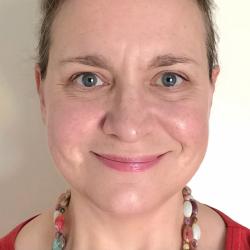
Professor Margaret Ashcroft is a Principal Investigator at the University of Cambridge, Department of Medicine, and affiliated with the Cambridge Immunology Network. Her research focuses on hypoxia signaling, mitochondrial biology, and their roles in cancer, angiogenesis, ischemia, and metabolism. Institution: University of Cambridge Department: Department of Medicine Research Trends: Her recent work explores mitochondrial gene regulation (e.g., CHCHD4) in tumour growth, hypoxia-induced metabolic adaptations, and HIF signaling in both cancer and viral contexts. Studies include ischemic tolerance mechanisms and mitochondrial disulfide relay systems. Scientific Focus: Key subfields include tumour cell viability under hypoxia, epithelial-mesenchymal transition, and hypoxia's role in viral replication (e.g., HIV). Her publications emphasize translational immunology and metabolic homeostasis.
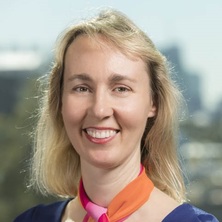
Dr Christine Staatz is an Associate Professor at the University of Queensland 's School of Pharmacy and Pharmaceutical Sciences , specializing in Quality Use of Medicine and Pharmacometrics . Her career spans both clinical pharmacy practice and academic research, with international experience at the University of Glasgow and Uppsala University. B.Pharm (Hons I), University of Queensland (1996) PhD, University of Queensland (2002) Pharmacist registration: Australia (1997), UK (2003) Her research focuses on individualized drug therapy for transplant recipients and critically ill patients, particularly optimizing immunosuppressants (tacrolimus, mycophenolate) and antibiotics (beta-lactams, gentamicin). Recent publications examine age-related pharmacokinetics and microsampling techniques to reduce patient burden. Key contributions include 15+ peer-reviewed articles in 2024-2025 addressing: Bayesian forecasting of drug exposure Free vs total plasma drug concentrations Time-dependent clearance in pediatric chemotherapy Immune-related adverse effects in transplant recipients NHMRC Neil Hamilton Fairley Fellowship (2004) Lions Medical Research Fellowship National grants exceeding AUD$2 million With 14+ completed PhD/MPhil supervisees and ongoing projects in autoimmune diseases and hematopoietic transplantation , she actively mentors students in clinical pharmacology and drug monitoring research.
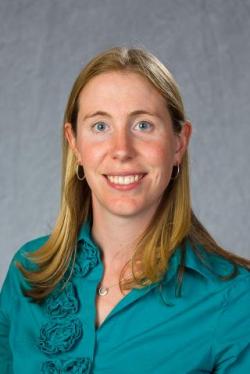
Paula Goforth is an Assistant Professor at the University of Michigan Medical School , affiliated with the Department of Pharmacology and the Caswell Diabetes Institute . Her research focuses on the intersection of neuropharmacology and metabolic disease, particularly leptin signaling, orexin regulation, and hypothalamic circuits controlling glucose homeostasis and energy balance. Education: Postdoctoral training at Virginia Commonwealth University School of Medicine (2000-2004), specializing in Pharmacology under Dr. Satin LS. Her work explores neuron-specific metabolic regulation , including calcium channel modulation in obesity, orexin-glucose axis dynamics, and GABA-independent hypothalamic signaling. She employs techniques such as cell-type-specific circuit dissection and synaptic physiology to study these mechanisms. Recent publications highlight her expertise in leptin-regulated pathways , area postrema neuron function , and traumatic brain injury-related receptor changes , with implications for diabetes, obesity, and neurodegenerative diseases. Scientific Awards: NIH grants spanning 2013-2029, including dual awards for leptin action and gut-brain axis research Industry collaborations with Eli Lilly, Pfizer, and MedImmune LLC University of Michigan institutional support for diabetes/metabolic research Dr. Goforth's laboratory investigates metabolically coupled ion channels and neuronal population dynamics in metabolic disease models, with a strong emphasis on translational neuroscience applications.
Emily Bayer is appointed as Assistant Professor of Neural Science and Biology at New York University, commencing January 2026. Her research program investigates neural mechanisms of visceral sensation and behavioral outputs, with emphasis on fertility status and sex differences using C. elegans and D. cerebrum (zebrafish) models. Her educational background includes: Ph.D. in Biological Sciences, Columbia University (2019) B.S. in Biology/German, Muhlenberg College (2014) Dr. Bayer's research explores how internal bodily sensations (visceral sensation) modulate behavior and environmental interaction, focusing on molecular and anatomical sex differences in neural circuits. Her lab examines how fertility status influences behavior through genetic and neural mechanisms, revealing conserved principles of neural circuit organization. Key approaches include C. elegans genetics, zebrafish neuroimaging, and behavioral analysis to dissect how reproductive state and sex converge in brain function. Analysis of her recent publications (2025-2016) demonstrates a cohesive focus on sexual dimorphism in neural development and behavior, with increasing integration of genomic and connectomic methodologies. Her work spans molecular genetics, neural circuit mapping, and behavioral phenotyping, consistently highlighting sex-specific differences in neural wiring and function across model organisms. Her scientific recognition includes: Research Fund for Excellent Junior Researchers (University of Basel, 2025) Jane Coffin Childs Memorial Fund for Medical Research Fellowship (2021-2023) Dr. Bayer has secured competitive fellowships supporting her independent research program. Her lab establishes innovative frameworks for studying visceral sensation-behavior relationships, with current work emphasizing monoaminergic signaling in experience-dependent neural plasticity and the role of conserved transcription factors in sexually dimorphic development. Future directions include expanding to vertebrate models to investigate evolutionary conservation of these mechanisms. She leads a research team utilizing C. elegans and zebrafish to dissect neural circuits underlying internal sensation, with particular focus on how fertility signals modulate social and mating behaviors through sex-specific neural pathways.
Marta Lipinski is an Associate Professor in the Department of Anesthesiology at the University of Maryland School of Medicine . She is also affiliated with the Shock, Trauma and Anesthesiology Research (STAR) Center , the Center for Stem Cell Biology and Regenerative Medicine , and the Center for Biomolecular Therapeutics . Her research focuses on the role of autophagy and lysosomal function in neurotrauma and neurodegenerative diseases . PhD in Cancer Biology, MIT Postdoctoral training at Harvard Medical School Her research keywords include Autophagy , Lysosomes , Neuroinflammation , Lipid Metabolism , Traumatic Brain Injury , Spinal Cord Injury , and Brain Aging . She investigates how autophagy disruption after CNS injury contributes to neuroinflammation and neuronal death , with recent work exploring the link between TBI and late-onset neurodegeneration as well as autophagy-lipid metabolism interactions . Her collaborative network spans departments and institutions, including Junfang Wu (Anesthesiology), Eugene Koh (Orthopaedics), Maureen Kane (School of Pharmacy), and Michael Cummings (UMD College Park). Active grants include NIH R33 AG076858 and R01 NS115876 , focusing on multi-omics platforms for brain aging and autophagy modulation in TBI.
Verena Siewers is a Research Professor at the Department of Biology and Biological Engineering, Chalmers University of Technology. Her work focuses on synthetic biology and metabolic engineering of yeast cell factories for producing biofuels, pharmaceuticals, nutraceuticals, and bioplastics, with particular emphasis on developing biosensor tools for pathway optimization. Key research themes: yeast-based biosensors, lipid metabolism engineering, CRISPRi/a applications, and dynamic gene regulation Notable projects include: Development of acetic acid tolerance mechanisms Optimization of fatty acid ethyl esters production Engineering phosphoketolase pathways for acetyl-CoA overproduction Her recent articles reveal trends in: CRISPR-mediated pathway engineering Stress response transcriptional profiling Heterologous plant gene expression in yeast Promoter and transcription factor engineering Funding sources: VINNOVA Novo Nordisk Foundation Carl Tryggers Stiftelse EU Horizon grants Swedish Research Council (VR) Formas
Edward Jenkins is a Postdoctoral Researcher at the University of Oxford, affiliated with Balliol College. He is a member of the Davis Group, focusing on T-cell Biology and its intersections with proteomics, immunology, and cell signaling. His research spans diverse areas such as: T-cell activation mechanisms and membrane dynamics Vaccine adjuvant responses in lymph nodes CAR-T cell engineering for therapeutic specificity Proximity proteomics in inflammatory pathways Computational methods for 3D cell segmentation Recent publications highlight his work in immune receptor signaling, deubiquitinase substrate discovery, and nanoscale imaging of T-cell interactions. His studies often bridge molecular and cellular immunology with advanced imaging and computational tools, aiming to enhance cancer immunotherapy and vaccine design. Edward contributes to collaborative research within the Davis Group, utilizing techniques such as localisation microscopy and free-standing membrane platforms to investigate immune cell dynamics.
Kristine Urschel serves as Assistant Dean for Instruction and Professor in the Department of Animal and Food Science at the University of Kentucky's Martin-Gatton College of Agriculture, Food and Environment. Since joining the faculty in 2008 with a 60% research and 40% teaching appointment, she has established a prominent research program focused on equine nutrition and physiology, particularly protein and amino acid metabolism across the equine lifespan. Her educational background includes a Post-doctoral Fellowship at Virginia Polytechnic Institute and State University (2008), a Ph.D. in Philosophy from the University of Alberta (2007) with thesis research on arginine metabolism in neonatal piglets, and a B.S. in Animal Science from the University of Alberta (2002) where she received the Dean's Medal in Agriculture as the top graduate in the Faculty of Agriculture, Forestry and Home Economics. Dr. Urschel's research investigates protein and amino acid requirements in horses of all ages, with particular emphasis on muscle protein synthesis regulation and aging effects. She employs advanced methodologies including isotopic tracer techniques, HPLC, Western blot, ELISA, RT-PCR, and physiological assays such as hyperinsulinemic euglycemic clamps to study metabolic responses to diet, disease, and physiological states. Her work bridges comparative animal nutrition with clinical equine applications. Analysis of her publication record (2005-2014) reveals consistent focus on metabolic regulation in equines and comparative models, with recent work examining insulin dynamics, amino acid utilization, and aging impacts on protein synthesis. Key thematic areas include metabolic disorders like equine Cushing's disease, dietary protein optimization across life stages, and interspecies differences in amino acid metabolism. Her significant scientific recognition includes: Multiple American Society of Nutrition awards (2005-2007) including Procter & Gamble Graduate Student Competition wins Banff Pork Seminar Graduate Student Competition victory (2007) Canadian Society of Animal Science Graduate Student Oral Presentation First Place (2005) Dean's Medal in Agriculture as undergraduate top student While specific grant details aren't provided, her research program involves extensive collaboration with veterinary scientists and nutrition researchers. She mentors graduate students through research projects and teaches core courses including Animal Physiology, Equine Science, and Macronutrient Metabolism, integrating her laboratory findings into pedagogy. Her research environment features specialized capabilities for conducting metabolic studies including isotopic tracer techniques, physiological clamp procedures, and advanced biochemical analyses on equine subjects, supporting investigations into nutrient requirements throughout the horse's lifespan from weanlings to geriatric animals.
Alessio Accardi, Ph.D., is a Professor of Physiology and Biophysics in Anesthesiology at Cornell University. He also holds secondary appointments in the Department of Physiology and Biophysics and Department of Biochemistry. His research focuses on understanding the structural and functional mechanisms of ion channels and transporters, particularly the CLC protein family, which is implicated in human diseases like Bartter’s syndrome. Primary Appointment: Department of Anesthesiology Secondary Appointments: Department of Physiology and Biophysics, Department of Biochemistry Techniques: Cryo-Electron Microscopy, X-ray Crystallography, Electrophysiology His lab uncovers biophysical mechanisms of ion movement across cellular membranes, bridging active and passive transport proteins. Recent work highlights the dual nature of CLC proteins as both ion channels and transporters, challenging previous assumptions. The lab employs a multidisciplinary approach, combining structural biology with functional assays in synthetic lipid bilayers. Their research has direct implications for understanding ion channelopathies and developing targeted therapies. Recent publications explore lipid scrambling mechanisms in TMEM16 proteins, pH-dependent activation in CLC transporters, and voltage-gated channel modulation by anesthetics. These studies utilize Cryo-EM and crystallography to reveal molecular insights. Contacts: ala2022@med.cornell.edu | Accardi Lab Website
Dr. Christoph Diehl is a researcher at the Faculty of Chemistry , affiliated with the Organic Chemistry and Biocatalysis Group at the University of Bielefeld . His work focuses on synthetic biology and biocatalysis, particularly in developing biochemical systems for CO 2 fixation and complex molecule synthesis. Current Affiliation: University of Bielefeld, Faculty of Chemistry Research Group: Organic Chemistry and Biocatalysis / Center for Biotechnology (CeBiTec) Research Interests Dr. Diehl specializes in: Designing synthetic CO 2 fixation cycles (THETA, HOPAC) Developing in vitro biochemical networks Engineering biocatalytic enzyme cascades Optimizing carbon utilization for chemical production Integrating machine learning with metabolic engineering Creating cell-free systems for biomanufacturing Publication Trends His recent work emphasizes synthetic CO 2 fixation pathways, biocatalytic cascade design, and machine learning-guided optimization of metabolic systems. He has pioneered modular approaches for terpene/polyketide synthesis from CO 2 and developed novel carboxylation modules.
Anastassia N. Alexandrova is a Professor of Chemistry and Biochemistry and Materials Science and Engineering at the University of California, Los Angeles (UCLA). She holds the Charles W. Clifford Jr. Endowed Chair and leads a research group focused on computational and theoretical design of functional materials, with applications in heterogeneous catalysis, quantum information science, and enzyme reactivity. Her work integrates quantum mechanics, machine learning, and multi-scale modeling to address environmental and energy challenges. Education: B.S./M.S. in Chemistry, Saratov State University (2000, Summa cum laude) Ph.D. in Theoretical Physical Chemistry, Utah State University (2005) Postdoctoral Associate, Yale University (2005-2009) Research interests span heterogeneous catalysis (CO2 reduction, methanol synthesis), quantum information science (qubit design, nuclear clocks), and enzyme reactivity (electric field effects, artificial metalloenzymes). Recent publications highlight her focus on dynamic catalytic interfaces, quantum functional groups, and AI-driven material discovery. Scientific Awards: Royal Society of Chemistry Fellow (2024) Max Planck-Humboldt Medal (2021) NSF CAREER Award (2014) Sloan Research Fellowship (2013) DARPA Young Investigator (2011) Her lab collaborates with experimental teams in catalysis, surface science, and quantum physics, emphasizing method development and applied projects. Students and postdocs in her group work on diverse topics from CO2 hydrogenation to topological insulators, reflecting her interdisciplinary approach.
Adam Frost, MD, PhD is an Assistant Professor in the Department of Biochemistry at the University of Utah School of Medicine and a member of the Cell Response and Regulation Program at the Huntsman Cancer Institute. His research employs structural biology approaches to investigate fundamental cellular processes with implications for understanding cancer and other diseases. Education: Postdoctoral Fellowship: University of California, San Francisco MD: Yale University School of Medicine PhD: Yale University BS: Brigham Young University Dr. Frost specializes in the molecular and structural biology of membrane trafficking, with a particular emphasis on mechanisms that determine membrane shape and topology. His laboratory utilizes electron cryo-microscopy to obtain molecular-scale views of cellular machinery as it engages with and reshapes cellular membranes. This work has direct relevance to understanding cancer, as several components of the cell division machinery have been genetically implicated in tumor formation. His research bridges structural biology, membrane biology, and cell division mechanisms, providing critical insights into how cellular membranes are dynamically remodeled during essential biological processes. Analysis of Dr. Frost's publications from 2011-2015 reveals a consistent focus on membrane remodeling proteins and their roles in cellular processes. His work spans multiple model systems and employs diverse structural biology techniques, with a particular emphasis on cryo-EM. The research demonstrates how membrane-binding proteins influence membrane topology during critical cellular events, especially cell division. These studies have provided direct molecular insights into cellular machinery that was previously difficult to visualize, opening new avenues for understanding disease mechanisms related to membrane dynamics.
Robert Charles Brewster is an Associate Professor in the Department of Systems Biology at UMass Chan Medical School, with additional appointments in the Department of Microbiology and multiple graduate programs at the T.H. Chan School of Medicine and Morningside Graduate School of Biomedical Sciences. T.H. Chan School of Medicine, Department of Microbiology T.H. Chan School of Medicine, Department of Systems Biology Morningside Graduate School of Biomedical Sciences, Biophysical Chemical and Computational Biology Morningside Graduate School of Biomedical Sciences, Interdisciplinary Graduate Program Morningside Graduate School of Biomedical Sciences, Postbaccalaureate Research Education Program Morningside Graduate School of Biomedical Sciences, Systems Computational and Quantitative Biology Brewster holds a BS in Physics from the University of Massachusetts Amherst and a PhD in Physical Chemistry from the University of California, Los Angeles. His research focuses on the quantitative aspects of gene expression regulation, particularly in bacterial systems. His work primarily investigates transcription factors, promoter architecture, and the mechanisms of gene regulation in Escherichia coli, with a strong emphasis on quantitative and systems biology approaches. Brewster's research combines experimental and computational methods to understand how transcription factors control gene expression at the molecular level, with recent work focusing on transcription factor function, promoter activity regulation, and the quantification of regulatory properties in bacterial systems. Analysis of his recent publications reveals a strong trend toward quantitative systems biology approaches to understand transcriptional regulation, with a particular emphasis on Escherichia coli as a model system. His work spans multiple subfields including transcription factor mechanics, promoter architecture effects, gene expression timing, and the quantification of regulatory properties through synthetic biology approaches. Brewster has collaborated extensively with researchers including Phillips R, Garcia HG, Weinert FM, and others, indicating strong interdisciplinary connections between physics, chemistry, and biology in his research program. His laboratory appears to focus on the quantitative aspects of gene regulation, using both experimental and theoretical approaches to understand the fundamental principles governing transcriptional control in living systems.
Thomas Brunold is a Professor of Chemistry at the University of Wisconsin–Madison, focusing on the geometric and electronic properties of metal centers in proteins and cofactors . His work integrates spectroscopic techniques (electronic absorption, circular dichroism, magnetic circular dichroism, resonance Raman, electron paramagnetic resonance) with density functional theory (DFT) and quantum mechanics/molecular mechanics (QM/MM) calculations to validate bonding descriptions and explore catalytic intermediates. Bio-organometallic cofactors (adenosylcobalamin, methylcobalamin, NiF430) Metal-dependent superoxide dismutases (Ni-, Fe-, Mn-SODs) Polynuclear NiFeS enzymes (ACS, CODH) His research spans vitamin B12 chemistry , metalloenzyme specificity , and redox-active clusters , with a focus on resolving substrate-bound intermediates and mechanistic debates in catalytic cycles. Recent publications emphasize ligand dynamics , second-sphere residue effects , and metal-cofactor interactions . Scientific awards include the Taylor Teaching Award (2024) , Kellett Mid-Career Award (2020) , and NSF-CAREER Award (2003) . He mentors students in the Brunold Lab, including Ryan Hall , Laura Elmendorf , and Maddy Rodemeier (co-advised with Andrew Buller), with multiple Outstanding TA Awards to lab members.
Dr. Charles Madden is a Professor and Associate Chair for Academic Affairs at George Mason University's Biology Department. He focuses on undergraduate education, teaching core courses like BIOL 213 Cell Structure and Function, BIOL 305 Biology of Microorganisms, and advanced Biotechnology topics. PhD in Biochemistry from Louisiana State University BS in Biochemistry from Kansas State University His research integrates molecular biology and virology to explore viral proteins' role in oncogenesis, DNA damage, and cellular regulation. Key areas include: Molecular mechanisms of hepatitis B virus pathogenesis Transgenic models for cancer research Biotechnology applications in virology Cellular proliferation signaling Recent publications examine aflatoxin-B1 interactions with viral proteins, SV40's lymphoma associations, and tumor promotion pathways. His work bridges virology, genetics, and biotechnological innovation. Scientific Recognition: American Gastroenterology Association Research Scholar Award In his academic role, Dr. Madden coordinates multi-section courses, advises undergraduates, and contributes to curriculum development in biochemistry and molecular biology education.