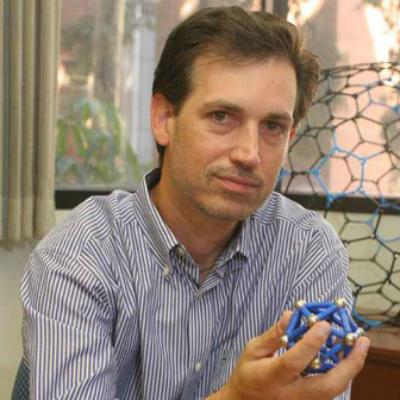
Sethu Pitchiaya is an Assistant Professor in the Department of Urology at the University of Michigan . His research bridges molecular biology, urologic oncology, and computational biology, focusing on prostate cancer mechanisms and biomolecular condensate dynamics. Department: Urology University: University of Michigan Academic Rank: Assistant Professor Research Interests Pitchiaya's work explores prostate cancer heterogeneity , ERG gene fusion in tumorigenesis, and biomolecular condensates in kidney disease. His studies integrate spatial transcriptomics , single-molecule imaging , and ribonucleoprotein (RNP) biology to uncover novel therapeutic targets. Recent articles highlight trends in phase separation in renal physiology, stress-induced granule formation in male infertility, and zone-specific gene expression in prostate cancer. His collaborations with Arul Chinnaiyan, Nils Walter, and Marcin Cieslik reflect interdisciplinary approaches to understanding cancer biology and cellular stress responses. Labs & Collaborations Active in the Nils Walter Lab and the Arul Chinnaiyan Lab , Pitchiaya contributes to projects involving RNA biology , prostate cancer genomics , and biomolecular condensate research . His work with digital spatial profiling and cell-free systems exemplifies cutting-edge methodologies in molecular diagnostics.
Matthew R. Parsek is a Professor in the Department of Microbiology at the University of Washington's College of Arts & Sciences, where he leads an active research laboratory focused on bacterial community behavior. His work bridges fundamental microbiology with clinical applications, particularly in understanding how bacterial communication systems influence pathogenesis and treatment resistance. The Parsek Lab employs cutting-edge multidisciplinary approaches including scanning confocal laser microscopy, molecular biology, and biochemical techniques to investigate these complex microbial systems. Dr. Parsek's primary research interests center on bacterial biofilms and quorum sensing mechanisms. His laboratory investigates the molecular basis of bacterial communication through acyl-homoserine lactones (acyl-HSLs), which allow bacteria to coordinate behavior at the community level. A major focus is the structure and function of biofilm matrices, particularly in Pseudomonas aeruginosa , with emphasis on exopolysaccharides like Psl and Pel. His research explores how these matrices contribute to antimicrobial resistance and how biofilms form in clinical settings, especially in cystic fibrosis patients. Analysis of Dr. Parsek's recent publications reveals a consistent focus on P. aeruginosa biofilm mechanics, matrix composition, and host-pathogen interactions. His work spans from fundamental molecular mechanisms of surface sensing and cyclic-di-GMP signaling to clinical implications of biofilm formation in chronic infections. The research demonstrates how biofilm matrix components like Psl and Pel contribute to structural integrity, antimicrobial tolerance, and evasion of host immune responses. Dr. Parsek has received significant recognition for his contributions to microbiology, most notably being named an AAAS Fellow in 2024. AAAS Fellow (2024) Dr. Parsek actively mentors the next generation of microbiologists, currently accepting graduate students and supervising postdoctoral researchers, undergraduate students, and laboratory staff. His laboratory maintains strong collaborative relationships with researchers at Ohio State University, University of Toronto, UCLA, University of Calgary, and UNLV. These collaborations enhance the lab's capacity to address complex questions in biofilm biology from multiple disciplinary perspectives. The Parsek Lab has secured significant research funding that supports investigations into biofilm matrix composition, surface sensing mechanisms, and the clinical relevance of bacterial communities in chronic infections. The Parsek Lab operates from the South Lake Union campus of the University of Washington (Building F, 8th Floor), equipped with advanced microscopy and molecular biology facilities. The laboratory maintains active collaborations with multiple research groups studying P. aeruginosa pathogenesis, including those led by Dan Wozniak, Lynne Howell, Gerard Wong, Joe Harrison, and Boo Shan Tseng. These partnerships facilitate comprehensive investigations spanning from basic molecular mechanisms to clinical applications in infectious disease treatment.
Rita de Sousa Dias is a Professor in the Department of Physics at the Norwegian University of Science and Technology (NTNU), where she has been faculty since 2012. Her research focuses on the physical chemistry of biomacromolecules, particularly DNA condensation and interactions with various agents. Dr. Dias received her academic training in Portugal: B.Sc. in Chemistry from the Faculty of Science and Technology of the University of Coimbra (1999) Ph.D. in Macromolecular Chemistry from the University of Coimbra (2004), with thesis on "DNA-Surfactant Interactions" Her research interests center on the control of DNA condensation using cationic surfactants and polyelectrolytes , adsorption and compaction of macromolecules onto model lipid membranes , and nanoparticle-poly-acid interactions . She extensively employs Monte Carlo simulations to study these phenomena at the molecular level. Her work bridges experimental and computational approaches to understand complex biomolecular systems. An analysis of her recent publications reveals a consistent focus on DNA condensation mechanisms, particularly how various agents (surfactants, polyelectrolytes, proteins) influence this process. Her research increasingly incorporates the effects of macromolecular crowding to better mimic cellular environments. She also investigates polyelectrolyte-nanoparticle interactions, with applications in drug delivery and nanomaterials science. Dr. Dias has received research funding through prestigious programs including a Marie Curie Fellowship. At NTNU, she teaches courses in bionanoscience, physics, and polymers, contributing to both undergraduate and graduate education in the physical sciences.
Yang Sun is a Professor of Ophthalmology at Stanford University School of Medicine , with clinical expertise in glaucoma management and cataract surgery . He practices at the Byers Eye Institute and Palo Alto VA Medical Center , and serves as the Laurie Kraus Lacob Faculty Scholar at the Stanford Child Health Research Institute . Education : BA in Biophysics, Johns Hopkins University MD/PhD in Molecular Cell Biology, Washington University School of Medicine Ophthalmology Residency, Stanford University Glaucoma Fellowship, University of Michigan Research Focus : Dr. Sun investigates pediatric eye diseases such as congenital glaucoma and retinal degeneration using patient-derived iPS cells, CRISPR gene editing, and optogenetics. His work explores molecular mechanisms like primary cilia signaling , inositol phosphatase function , and mitochondrial transport in neurodegenerative conditions including Lowe syndrome and Joubert syndrome . Recent studies highlight his development of gene therapies for glaucoma and retinal dystrophies using CRISPR systems. Awards & Grants : Laurie Kraus Lacob Faculty Scholar (2018-2023) American Glaucoma Society MAPS Award (2012) National Eye Institute Funding Veterans Administration Grants Knights Templar Eye Foundation Support Training & Leadership : He mentors postdoctoral researchers and leads clinical trials in glaucoma treatment. His patents on regulators of eye pressure underscore his translational impact, and he co-developed consensus guidelines for ex vivo intraocular pressure research .
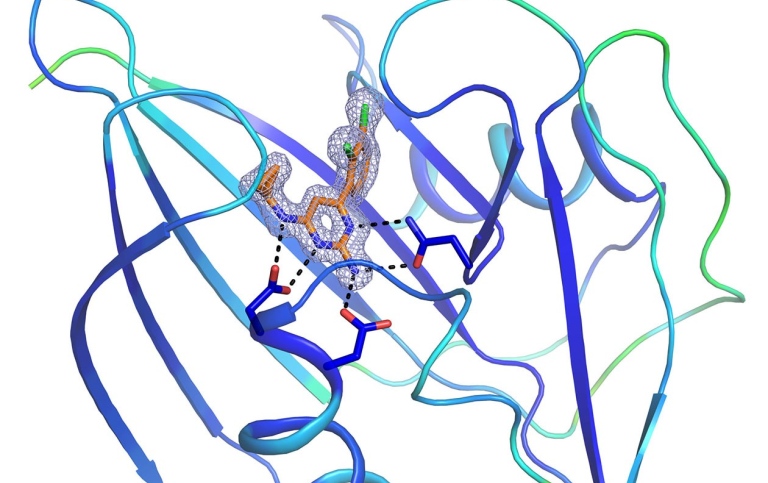
Pål Stenmark is a Professor of Biochemistry at the Department of Biochemistry and Biophysics , Stockholm University. His research focuses on botulinum neurotoxins and structure-based drug design , particularly targeting enzymes in nucleotide metabolism for cancer therapy. Research Interests Elucidating the molecular mechanisms of botulinum neurotoxins using X-ray crystallography and cryo-EM . Developing novel cancer drugs through structural insights into proteins like MTH1 and OGG1 , which are critical for managing oxidative DNA damage. Applying interdisciplinary collaborations to refine inhibitors for therapeutic applications. Scientific Awards Awarded a grant from the Swedish Brain Foundation (Hjärnfonden) in 2023 for research on ALS, Epilepsy, and Alzheimer's. Students and Collaborators Supervises a team including PhD students and postdocs such as Chloe Leveque , Maria Nowakowska , and Ellen Walse . Laboratory members engage in projects spanning protein structure , neurotoxin interactions , and nanobody tools for synaptic imaging. Publications His recent work explores trends in botulinum toxin engineering , OGG1 activation , and endolysin structures for food safety applications.
Stacie S. Nakamoto is a Lecturer in the Department of Chemistry and Biochemistry at the University of California, Los Angeles (UCLA), where she serves as academic coordinator for the Chemistry 154 laboratory course and teaches summer sessions of Chemistry 153A on central metabolic pathways. As a member of the Undergraduate Laboratory Coordinating Committee (ULCC), she actively shapes curriculum standards and educational techniques while volunteering laboratory space for CARE programs including Bridge and BISEP to support minority student transitions into scientific careers. Dr. Nakamoto earned her Ph.D. from UCLA in 2001, establishing her foundational expertise in biochemical systems. Her dual research focus integrates pedagogical innovation with fundamental biochemical inquiry, specifically modernizing undergraduate laboratory curricula to incorporate contemporary methodologies like site-directed mutagenesis and affinity chromatography while maintaining active investigation into chloroplast biogenesis and metal ion regulation. Her publication record demonstrates sustained scholarly engagement in molecular mechanisms of c-type cytochrome assembly and copper-dependent iron assimilation pathways in photosynthetic eukaryotes, with recurring emphasis on transcriptional regulation under nutrient stress. This work bridges educational practice with cutting-edge biochemical research, reflecting her commitment to both student development and scientific advancement. No scientific awards are documented in the provided materials. While formal graduate students are not listed, Dr. Nakamoto's mentorship extends through CARE program initiatives where she provides direct research opportunities and academic support for underrepresented students, significantly impacting their career trajectories in science. Collaborating through the ULCC and CARE frameworks, she maintains active laboratory spaces for curriculum development and student enrichment programs, fostering inclusive scientific communities that connect classroom learning with authentic research experiences.
Prof. Dr. Andreas Heuer is a leading theoretical physical chemist at the University of Münster , holding the W3 Professorship for "Theory of Complex Systems" since 2012. As a full member of the Helmholtz Institute Münster (HIMS) and former Dean of Chemistry and Pharmacy (2014-2016), he bridges fundamental research and applied energy storage solutions. Key research areas include polymer electrolytes, glass-forming liquids, lipid membranes, and ion transport in batteries Develops multiscale simulation frameworks connecting molecular dynamics to macroscopic behavior Active in science communication and teaching excellence (2014 Goldener Brendel award) Research Themes: His work on polymer electrolytes reveals lithium ion transport mechanisms through segmental dynamics (τ2 reduction with ionic liquid additives). In lipid membrane studies , he demonstrates cholesterol's structural role in raft formation using coarse-grained models. His glass transition analysis via potential energy landscapes explains dynamic heterogeneities and fragility-to-strong crossovers. Scientific Leadership: • Coordinates BATTERY 2030+ European roadmap for next-gen battery research • Chairs multiple supervisory boards and commissions • Develops reactive molecular dynamics methodology ( rs@md ) Awards & Collaborations: Feodor-Lynen Stipend (post-PhD international phase) Stiftung des Deutschen Volkes member (early career recognition) Collaborates with experimental groups on SEI formation, membrane proteins, and organic electronics
Danielle L. Schmitt serves as an Assistant Professor in the Department of Chemistry and Biochemistry at the University of California, Los Angeles (UCLA), where she leads the Schmitt Lab focused on cellular metabolism organization and signaling coordination. Her research integrates structural biology, computational modeling, and live-cell imaging to investigate spatiotemporal regulation of metabolic processes. The lab specializes in developing genetically encoded fluorescent biosensors for real-time monitoring of kinase networks and metabolite dynamics in single cells, with particular emphasis on diseases like cancer and inborn metabolic errors. Recent publications demonstrate a consistent trajectory in biosensor innovation for metabolites (malonyl-CoA, glutamine, ATP) and kinases (AMPK, PINK1), revealing compartmentalized signaling mechanisms and metabolic enzyme assemblies during cell cycle progression. This work heavily employs fluorescence microscopy and high-throughput screening methodologies. Funding from undisclosed sources supports the lab's interdisciplinary approach combining biochemistry, cell biology, and engineering principles to advance metabolic imaging technologies.
Yi Tang is a Professor at the University of California, Los Angeles specializing in organic chemistry and natural product biosynthesis. His research integrates enzymology, synthetic biology, and structural techniques to investigate the chemical logic of natural product formation, with a focus on pericyclic reactions, C-H functionalization, and fungal metabolite discovery. His primary research interests include enzymatic mechanisms in natural product assembly, genome mining for novel biosynthetic pathways, and engineering of biocatalytic systems. Recent work emphasizes copper-dependent enzymes, Diels-Alderase catalysis, and structural characterization of enzyme complexes using MicroED and mass spectrometry. Analysis of his 2025 publications reveals a dominant trend in structural biology-driven discovery of enzymatic mechanisms, particularly for unactivated C-H bond functionalization and fungal natural product biosynthesis. His work spans peptide macrocyclization, glycosylation, and combinatorial synthesis of protease inhibitors, demonstrating interdisciplinary approaches across chemistry and biology. Dr. Tang actively mentors graduate students and postdoctoral researchers, recently acknowledging the contributions of Moriel, Kyle, Zuodong, and Brandon (2025). His laboratory receives support from multiple funding sources focused on natural product discovery and enzymology. The Tang Lab maintains a dynamic research environment centered on elucidating enzymatic machinery for complex molecule synthesis, with strong emphasis on translating mechanistic insights into biocatalytic applications and drug discovery pipelines.
Todd O. Yeates serves as a Research Professor in the Department of Chemistry and Biochemistry at the University of California, Los Angeles (UCLA), where he leads an active laboratory at the UCLA-DOE Institute for Genomics and Proteomics. His research program integrates molecular, structural, and computational biology to address fundamental questions in protein architecture and function, with significant implications for nanotechnology and bioenergy applications. Professor Yeates' primary research interests include: Bacterial Microcompartments : Pioneering structural studies of protein-based metabolic organelles in bacteria, providing the first 3D views of shell proteins and mechanistic insights into substrate transport across microcompartments Synthetic Protein Design : Developing innovative strategies for engineering self-assembling protein cages, arrays, and nanomaterials with applications in nanotechnology and biomaterials Computational Genomics : Creating genomic context methods to infer protein function, including the discovery of disulfide bonding as a key stability mechanism in thermophilic archaea Protein Crystallography : Solving theoretical challenges in macromolecular crystallization, including space group preferences and racemic crystallography approaches Analysis of recent publications (2023-2025) reveals a dominant research trajectory toward engineered protein scaffolds for cryo-EM applications, with significant focus on overcoming resolution barriers for small proteins. Concurrently, his group continues advancing bacterial microcompartment research while integrating computational tools like AlphaFold for hybrid structure determination. The work demonstrates a consistent theme of bridging fundamental structural biology with practical nanotechnology applications through rational protein design. No scientific awards were documented in the available source materials. The Yeates laboratory maintains an active research program supported by institutional resources at UCLA, though specific grant details and advisee information are not provided in the source text. The laboratory's extensive publication record and methodological innovations suggest robust research infrastructure and mentorship activities within the department. Based at the UCLA-DOE Institute, the laboratory employs interdisciplinary approaches combining X-ray crystallography, cryo-EM, computational modeling, and synthetic biology. Current priorities include refining imaging scaffolds for structural biology, exploring fundamental principles of protein self-assembly, and applying genomic context methods to discover novel biological mechanisms, with ongoing emphasis on translating basic research into nanotechnology applications.
Jack J. Skalicky, PhD is a Research Professor in the Department of Biochemistry at the University of Utah and serves as Director of the University of Utah Health Sciences Nuclear Magnetic Resonance (NMR) core facility. His research focuses on two primary areas: the structural biology of human MIT proteins and their interactions with ESCRT complexes, and the analysis of protein dynamics in enzyme systems, particularly regarding conformational changes linked to catalytic function. Key Research Areas: Nuclear Magnetic Resonance (NMR) spectroscopy Biomolecular structural biology Protein dynamics and enzyme catalysis ESCRT protein interactions in cellular trafficking Affiliation: University of Utah Department of Biochemistry Director, Health Sciences NMR Core His recent publications highlight studies on arginine kinase dynamics, ESCRT-III phosphorylation, and toxin-protein interactions, with a focus on NMR and crystallographic methodologies. Dr. Skalicky has collaborated extensively on projects spanning molecular biology, enzymology, and marine natural product characterization. Dr. Skalicky's career spans postdoctoral training at The State University of New York at Buffalo and the University of British Columbia, academic appointments at the University of Colorado, and advanced training at the University of Northern Colorado and the University of Wisconsin. He utilizes interdisciplinary approaches to investigate fundamental biochemical mechanisms.
David Blair is a Professor of Biological Sciences at the University of Utah, with primary affiliations in the Molecular Biology Program and Biological Chemistry Program. His research focuses on the molecular mechanisms of bacterial flagellar motility and protein secretion systems, particularly investigating how rotary motors convert ion gradients into mechanical rotation for bacterial navigation. Education: B.A. from Princeton University Ph.D. from California Institute of Technology Dr. Blair's research centers on the structure-function relationships of bacterial flagellar motors, which rotate at over 100,000 rpm using membrane ion gradients. His work examines direction-switching mechanisms for chemotaxis, protein export during flagellar assembly, and connections to pathogenic injectisomes. Using structural biology, biochemistry, and genetics, his lab investigates how rotor-stator interactions generate torque and how signaling proteins control motor behavior. Analysis of his 2004-2011 publications reveals consistent focus on flagellar motor architecture, with key contributions in determining rotor protein structures (FliG, FliN), elucidating switching mechanisms, and demonstrating proton-gradient dependence in protein export. His work integrates electron microscopy, cross-linking, mutational analysis, and structural studies to dissect energy transduction and motility control across diverse bacterial species. Scientific Awards: No awards mentioned in source material Dr. Blair has mentored numerous graduate students and postdoctoral researchers as evidenced by his collaborative publications. His research has been supported by federal grants enabling structural and biochemical studies of bacterial motility systems, though specific funding details are not provided in the source text. He maintains active collaborations with structural biologists and microbiologists both within and beyond the University of Utah. He leads a research laboratory specializing in bacterial motility mechanisms, employing techniques including electron microscopy, protein crystallography, and molecular genetics. His team investigates fundamental questions about biological energy conversion at membranes, with implications for understanding bacterial pathogenesis and engineering nanoscale mechanical systems.
Kevin L Childs is a Fixed Term Associate Professor in the Department of Plant Biology at Michigan State University. His research focuses on plant genomics, bioinformatics, and stress tolerance mechanisms through computational approaches. Education: Ph.D. in Plant Physiology from Texas A&M University M.S. in Computer Science from Texas A&M University B.S. in Botany from the University of Michigan Dr. Childs specializes in integrating computational biology with plant stress responses and pathogen interactions. His work includes genome assembly, effector protein identification, and regulatory network analysis across diverse species such as sweetpotato, sour cherry, and Arabidopsis. Recent research highlights include: whole genome duplication in Teucrium chamaedrys, NLR gene characterization in hexaploid sweetpotato, ZCT transcription factor analysis in Catharanthus roseus, and molecular diagnostics development for Ceratocystis fimbriata. His publications demonstrate expertise in long-read sequencing, transcriptomics, and comparative genomics. Dr. Childs maintains affiliations with plant biology laboratories at MSU and collaborates on projects involving biofuel crops, food security, and environmental stress adaptation.
Chad Rienstra is the Evelyn M. Mercer Professor of Biochemistry and Co-Director of the National Magnetic Resonance Facility at Madison, University of Wisconsin–Madison. His research focuses on advancing solid-state NMR methods for high-resolution structural biology, particularly in Membrane protein architecture Amyloid fibrillogenesis in neurodegenerative disorders Antifungal drug-sterol interactions Lipid-protein dynamics in blood coagulation Recent publications highlight his group's innovations in Automated NMR optimization (2025, JACS ) Alpha-synuclein fibril classification (2024, Nature Communications ) Amphotericin B sterol sponge mechanisms (2021, Nature Structural & Molecular Biology ) with applications to Parkinson’s disease, drug development, and coagulation biophysics.
Prof. Dr. Arash Nikoubashman is the Head of the Department 'Theory of Biologically Inspired Polymers' at the Leibniz Institute of Polymer Research Dresden (IPF). His research focuses on the physics of (bio)polymers, directed assembly of soft matter, soft matter in confinement, and the development of multiscale methods and machine learning techniques. He holds a dual background in Physics and Computer Science. Education: BSc in Physics, Heinrich Heine University Düsseldorf (2007) MSc in Physics, Heinrich Heine University Düsseldorf (2009) BSc in Computer Science, Heinrich Heine University Düsseldorf (2010) PhD in Physics, Vienna University of Technology (2012) Research Interests: Nikoubashman's work bridges theoretical modeling and computational approaches to study complex polymer systems. Key areas include biomolecular condensates, nanoparticle self-assembly under flow, polymer phase behavior in confinement, and machine learning applications for predicting material properties. His group develops advanced simulation techniques to understand fundamental principles governing soft matter organization. Publications: Recent articles (2024-2025) predominantly explore biomolecular condensates, nanoparticle-polymer composites, and anisotropic soft matter systems. Computational methods like coarse-grained simulations and machine learning are consistently applied to investigate phase transitions, interfacial phenomena, and dynamic processes in confined geometries. Awards and Honors: Emmy Noether Research Group Leader Fellowship (2015-2022) Heisenberg Research Group Leader Fellowship (2022-2023) Editor's Choice award of The Journal of Chemical Physics (2018, 2019) Soft Matter Hot Paper (2015) Leadership: Leads the 'Theory of Biologically Inspired Polymers' department, coordinating fundamental research on polymer physics and mentoring early-career researchers. Maintains collaborations with Princeton University, Keio University, and other global institutions.