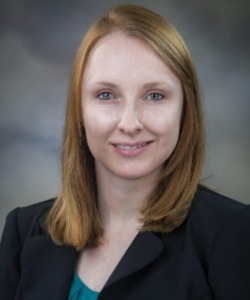
Lindsey Barron is a Visiting Assistant Professor of Biology at the University of the Incarnate Word, where she leads research on novel cancer therapeutics using biochemical and molecular biology approaches. Her lab focuses on two primary projects: 1) isolating cytotoxic compounds from fungal extracts targeting Ewing's sarcoma and ovarian cancer; and 2) investigating protein-protein interactions between JNK kinases and p53 family transcription factors in cancer pathways. Dr. Barron's technical expertise includes quantitative phosphoproteomics, protein engineering, and cancer cell signaling analysis. She teaches courses in research methods, anatomy, and physiology, emphasizing hands-on laboratory techniques and scientific methodology.
Dr. Mark Baillie is an Assistant Professor in the Department of Chemistry at the University of Arkansas at Little Rock. He also serves as Director of the STRIVE Program and the Mobile Institute on Scientific Teaching (MoSI) Workshop. His research focuses on Chemistry Education Research and Institutional Change Research, exploring how faculty training, teaching strategies, and student backgrounds impact STEM success. He holds a PhD in Organic/Medicinal Chemistry from Emory University and a BS from Bucknell University. Education highlights include a Post-Doctoral Fellowship in Chemical Biology at EPFL (Switzerland), an Emory University NSF Fellowship, and a Six Sigma Green Belt from General Electric. His work bridges educational innovation with organic chemistry expertise, addressing barriers to equitable STEM participation through programs like Learning Assistant initiatives and evidence-based teaching workshops. Research trends show a transition from medicinal chemistry (e.g., Enigmol anti-cancer agents) to STEM education analytics, using machine learning for classroom monitoring. Awards include multiple Student Faculty Appreciation Awards and recognition as a Rising Star in STEM education. His Baillie Research Group collaborates on institutional reforms and active learning frameworks, emphasizing student mindset and belongingness in STEM retention. Key Awards: Student Faculty Appreciation Award 2023 NSF Graduate Fellowship (2007–2008) Outstanding Teaching Assistant Award (2006) Advising/Grants: Leads workshops and programs without explicit grant mentions in provided texts. Labs/Teams: Directs the Baillie Research Group, focusing on education research and institutional change.
Dr. Zeyad Nassar is a Research Fellow at the University of Adelaide's South Australian Immunogenomics Cancer Institute and SAHMRI Prostate Cancer Research Group. His research focuses on prostate cancer, lipid metabolism, and drug discovery, with a particular emphasis on synthetic lethality and precision medicine. He has contributed to over 50 publications and secured grants from NHMRC, Cancer Australia, and the US Department of Defense. Dr. Nassar explores how lipid metabolism influences cancer progression and treatment resistance, aiming to identify novel therapeutic targets. His current projects include advancing synthetic lethality approaches for precision medicine and investigating diet interventions for mutation-specific prostate cancer therapies. Education: PhD in cancer research, with MSc and BSc backgrounds in related fields (details not explicitly provided). Supervision: Eligible to supervise Masters and PhD students in prostate cancer and lipid metabolism research. Research Contributions: Identified vulnerabilities in prostate cancer via synthetic lethality screens, studied fatty acid oxidation's role in treatment resistance, and developed patient-derived models for clinical trials. His work bridges laboratory discoveries with clinical applications, particularly in prostate cancer. Awards/Grants: Competitive grants from NHMRC, Cancer Australia, and US DoD. Promoted to Academic Level (C) at the University of Adelaide in 2022. Labs/Teams: Part of the SAHMRI Prostate Cancer Research Group, collaborating nationally and internationally on precision medicine initiatives.
Dr. Zoi Diamantopoulou is a Beatson Research Fellow at the Cancer Research UK Scotland Institute (School of Cancer Sciences), Glasgow. Previously, she held Senior Postdoctoral Marie Curie Fellowships at ETH Zürich and University of Basel. Her research focuses on the interplay between circadian rhythms and cancer metastasis, particularly through circadian regulation of Circulating Tumour Cells (CTCs). Education: PhD in Cellular Biology (2010), University of Patras, Greece BSc in Biology (2005), University of Patras, Greece Her work employs in vivo mouse models, microfluidics, genetic engineering, and next-generation sequencing to explore how circadian disruptions influence metastatic progression. She also investigates chronotherapy for optimized drug administration and analyzes patient blood samples to identify circadian-related molecular vulnerabilities. Scientific Awards: 2021 Marie Skłodowska-Curie Postdoctoral Fellowship 2018 The BACR Chris Marshall Prize for Cell Signalling Lab Members: Senior Scientific Officer Gurman Pall, PhD Student Sara Ortega.
Hani Goodarzi, PhD , is an Associate Professor in the Department of Biochemistry and Biophysics at the University of California, San Francisco (UCSF), with dual affiliation to the Arc Institute and Helen Diller Cancer Center. His laboratory employs a systems biological framework integrating computational and experimental approaches to investigate metastatic progression in cancer and neurodegenerative diseases. Princeton University PhD in Quantitative & Computational Biology Postdoctoral Fellow, Rockefeller University (Cancer Systems Biology) NIH R01 Grants (2016–2026) Research Themes : Machine learning for in silico functional genomics Evolutionary dynamics of oncRNA regulatory modules in cancer Post-transcriptional control via tiRNA fragments and RNA methylation RNA structural element discovery using pyPAGE algorithms Scientific Recognition : Vilcek Prize for Creative Promise (2022) NIH K99/R00 Award (2015) Tri-Institutional Breakout Prize (2014) Blavatnik Regional Award (2015) Laboratory Impact : Developed Deep Generative AI for early-stage lung cancer detection Identified ENPP1 as innate immune checkpoint in breast cancer Created pyPAGE framework for gene-set enrichment analysis
Assoc. Prof. Dr. Gülsüm Seda Güleç Yılmaz is an Associate Professor at Yeditepe University Faculty of Medicine, Department of Medical Biology. With a PhD in Molecular Medicine from Yeditepe University (2016), she specializes in genetic polymorphisms, oxidative stress, and biomarker discovery in cardiovascular and oncological contexts. Education : PhD in Molecular Medicine (2016), MSc in Histology & Embryology (2005), BSc in Biology (2002) Research Focus : DNA repair mechanisms, microRNA profiling, genetic susceptibility in atherosclerosis, prostate/glioma/ovarian cancers, and vitamin D receptor polymorphisms Her 15 most recent publications (2013-2024) center on genetic polymorphisms in diseases like ovarian cancer, atherosclerosis, and neurodegenerative disorders. Key methodologies include next-generation sequencing , PCR-RFLP , and microRNA analysis . Collaborative work spans cardiovascular research , oncology , and neurogenetics . Scientific Awards : Bilime Katkı Ödülü (Istanbul University) Best Oral Presentation Award - First Place (Heart and Health Foundation of Turkey) Best Oral Presentation Award - Second Place (Turkish Neurosurgery Association) As a supervisor, she has guided 15+ thesis students (Master's and Doctoral levels) in genetic studies related to cancers and metabolic disorders. Her work on lipoprotein subfractions and oxidative stress markers continues to advance precision medicine applications.
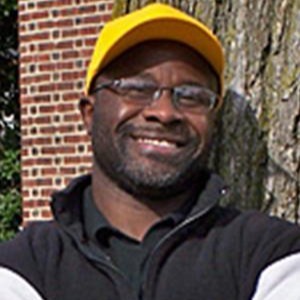
Carlton R. Cooper is an Associate Professor in the Department of Biological Sciences at the University of Delaware. His research focuses on prostate cancer metastasis to bone, specifically investigating molecular mechanisms involving cell adhesion molecules (CAMs) and angiogenesis. He holds a B.S. from Morehouse College, M.S. from Clark Atlanta University, Ph.D. from Mississippi State University, and postdoctoral training at the University of Michigan. Education: B.S., Morehouse College M.S., Clark Atlanta University Ph.D., Mississippi State University Postdoctoral, University of Michigan His research explores how prostate cancer cells adhere to bone marrow endothelial cells and examines novel compounds to inhibit tumor-associated angiogenesis. Key areas include CAM-ligand interactions, Akt signaling pathways, and therapeutic resistance mechanisms. Collaborators include John Connolly (High School Volunteer) and David Matera (McNair Summer Intern). No scientific awards or grants are explicitly listed in the provided text. Teaching responsibilities include courses such as Introduction to Microbiology (BISC 300) and Cancer Biology (BISC 625).
Iman Azimi is a Senior Lecturer and Research Group Head in the Pharmacology Department at Monash Biomedicine Discovery Institute, Monash University. His academic journey includes a PhD from the University of New South Wales (2011), postdoctoral research at The University of Queensland (2011–2017), and a Lecturer role at the University of Tasmania (2018–2023). He leads research focused on brain cancer, cellular aging, calcium signaling, and drug discovery. His work is supported by grants from Cancer Council Tasmania, Brain Foundation, and others. Education: PhD in Pharmacology, University of New South Wales, 2011 Postdoctoral Fellowship, The University of Queensland, 2011–2017 Research Interests: Identifying therapeutic targets for brain cancers (e.g., medulloblastoma) Unraveling cellular aging mechanisms Calcium signaling in cancer and senescence High-throughput drug screening assay development Publications: Recent articles focus on LIN28 proteins in medulloblastoma, T-type calcium channel inhibitors, and calcium signaling pathways. His work bridges basic science and translational applications in cancer therapy. Awards: Includes the ASCEPT New Investigator Award (2016), Oxygen Club of California Award (2015), and multiple grants and scholarships. Leadership & Service: Chair of Institutional Biosafety Committees, Guest Editor for Cancers and Frontiers in Pharmacology , and grant reviewer for NHMRC and international agencies. Labs/Teams: Leads a research group at Monash focused on cancer and aging biology, with expertise in cell culture, fluorescence microscopy, and high-content imaging.
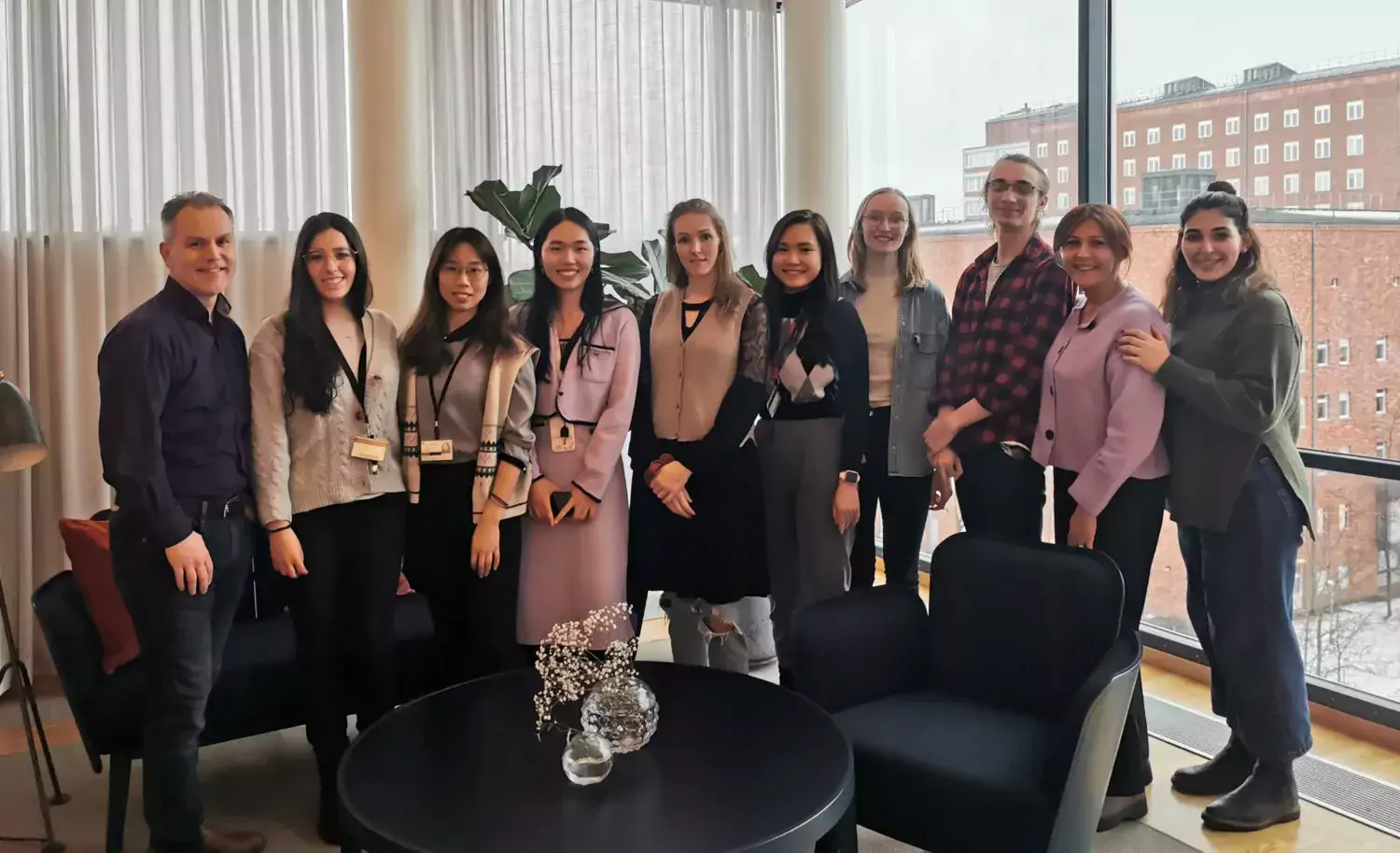
Andreas Lundqvist is a Professor at the Department of Oncology-Pathology, Karolinska Institutet. His research focuses on understanding mechanisms of immune escape in solid tumors, particularly investigating NK and T cell regulation. He leads the Cell-based Immune Therapy for Cancer group, aiming to develop novel immunotherapies. Education & Roles: PhD in Immunology, Karolinska Institutet (2003) Professor since 2023; Associate Professor (2012–2023); Assistant Professor (2009–2012) Prior roles include Staff Scientist and Research Fellow at the National Institutes of Health (NIH) (2003–2008) Research Interests: Lundqvist's work targets immune evasion in cancer, with emphasis on NK and T cell dynamics. His group explores tumor microenvironment interactions, immune checkpoint modulation, and biomarker discovery. Recent studies focus on renal cell carcinoma, melanoma, and Hodgkin lymphoma. Grants & Funding: Swedish Childhood Cancer Fund (2024–2025) Swedish Research Council (2023–2026) Swedish Cancer Society (2022–2024) Advising & Labs: Lundqvist supervises a research group including PhD students and postdoctoral fellows. Notable alumni include Dhifaf Sarhan (Karolinska Institutet) and Erik Wennerberg (The Institute of Cancer Research).
Barry Taylor, PhD is an Assistant Professor in the Department of Epidemiology & Biostatistics at the University of California, San Francisco (UCSF) School of Medicine. His research focuses on understanding the genetic and molecular mechanisms underlying cancer progression, particularly in oncogene-driven cancers such as melanoma and lung cancer. Key areas of interest include the impact of mutant oncogene zygosity, therapeutic resistance mechanisms, and the role of germline variants in cancer pathogenesis. Principal Investigator on multiple NIH grants (R01CA245069, R01CA204749, R01CA207244) studying driver mutations and targeted therapies. Published over 100 articles in high-impact journals like Nature , Nature Genetics , and Cancer Cell . Research highlights include defining BRCA2 reversion mutations under therapy, identifying lineage-specific oncogenic mechanisms, and uncovering evolutionary drivers of drug resistance. His work bridges genomics, epidemiology, and clinical oncology to advance precision medicine strategies. Grants and collaborations emphasize translational research, with studies on genomic instability, tumor evolution, and targeted drug development. Active in collaborative networks such as the PCF/SU2C International Prostate Cancer Dream Team.
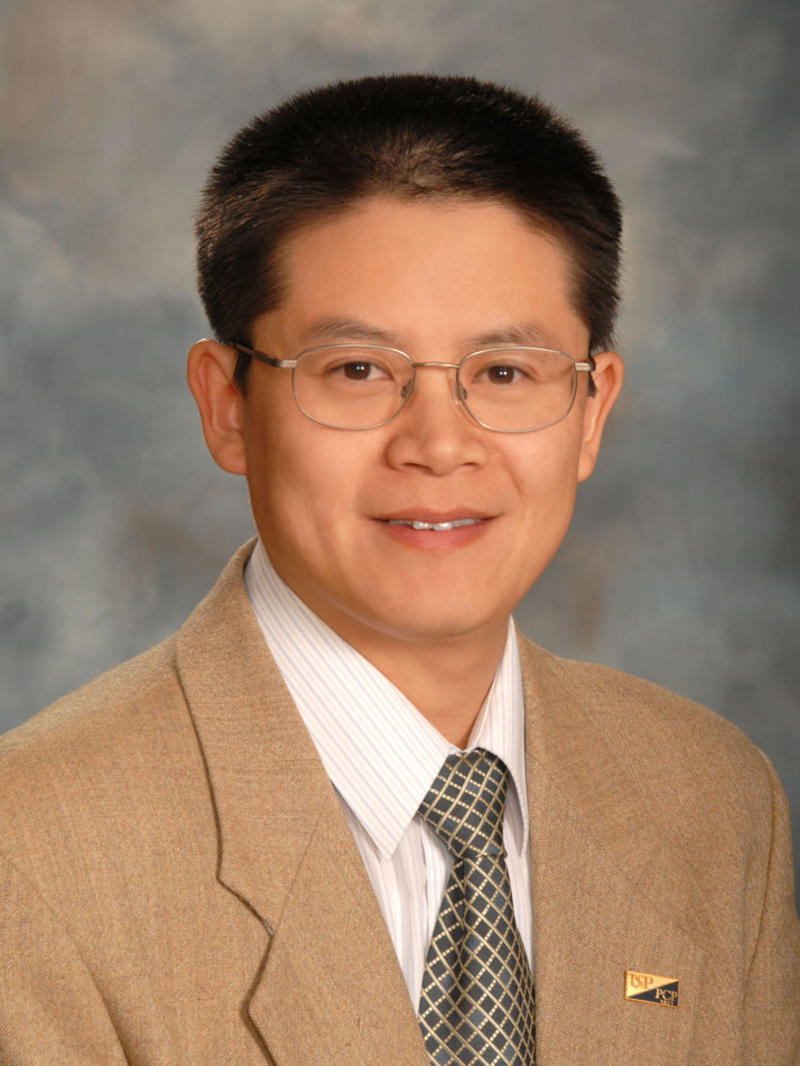
Bin Chen is the McNeil Research Professor and Director of the Graduate Program in Pharmacology/Toxicology in the Department of Pharmaceutical Sciences. His research focuses on photodynamic therapy (PDT) mechanisms, tumor porphyrin metabolism, and enhancing PDT efficacy through molecular targeting. He holds a PhD from the University of Leuven, Belgium, and has contributed to over a dozen influential studies in cancer therapy and PDT. Education: Bachelor of Science (BS), Nanjing University of Chinese Medicine Master of Science (MS), Nanjing University of Chinese Medicine Doctor of Philosophy (PhD), University of Leuven, Belgium Research Interests: Mechanisms of anticancer agents, particularly photosensitizing agents. Photodynamic therapy (PDT) enhancement via molecular pathways like PI3K and ABCG2 transporters. Role of porphyrin metabolism (e.g., protoporphyrin IX) in tumor detection and treatment. Fluorescence-guided resection and PDT applications in oncology. Article Trends: Focus on ALA-mediated protoporphyrin IX fluorescence and PDT efficacy. Investigation of ABCG2 transporters, PI3K signaling, and enzyme deficiencies affecting PDT response. Analysis of vascular vs. tumor cell responses to PDT agents like verteporfin. Awards and Grants: No awards or grants explicitly mentioned in the text. Advising and Labs: Leads a research lab focusing on PDT mechanisms and tumor metabolism. Advises students in pharmacology/toxicology programs but no explicit student names are listed.
Klaus Pantel is a Professor at the Institute of Tumor Biology within the University Medical Center Hamburg-Eppendorf , a leading institution in biomedical research. His work focuses on liquid biopsy technologies, particularly the detection and characterization of circulating tumor cells (CTCs) and cell-free DNA for cancer diagnosis, treatment monitoring, and resistance mechanisms. Key research projects include European Liquid Biopsy Society (ELBS) initiatives, RAI2 protein function in castration-resistant prostate cancer, and brain metastasis prevention strategies . His recent publications highlight advances in machine learning-based CTC detection , immune checkpoint inhibition biomarkers , and metastasis biology . He contributes to clinical translation through PREDICT Global Pooled Analysis and collaborations with EFPIA partners for postdoctoral funding.
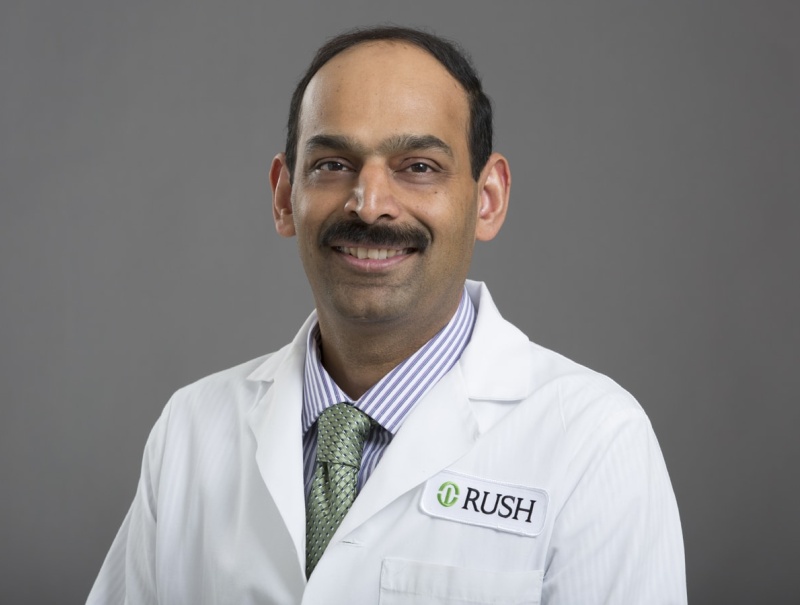
Jitesh Pratap is an Associate Professor in the Department of Anatomy & Cell Biology at Rush Medical College, Rush University. He earned his PhD from Panjab University in India and conducts research on bone metastasis in advanced cancers, focusing on cellular and molecular interactions between cancer and bone cells. Research Focus: Growth factor signaling (e.g., IGF-1R) and cancer cell metabolism in bone metastasis Grants: Metavivor Foundation and American Society of Bone and Mineral Research Laboratory: https://www.rushu.rush.edu/research/departmental-research/cell-molecular-medicine-research/laboratory-jitesh-pratap-phd Pratap's work explores how transcription factors like Runx2 regulate metastatic cancer cell survival in the bone microenvironment. His studies integrate genetics, molecular biology, and bio-imaging to analyze paracrine signaling networks and metabolic stress responses. His research has been cited in publications related to bone neoplasms, autophagy, and cell movement. Collaborators include researchers such as Carl Maki, Lei Duan, and Jeffrey Borgia in Rush University's Anatomy & Cell Biology Department.
Chung-Tsen Hsueh, MD, PhD is a Professor in the Hematology and Oncology Division at . With a dual background in clinical medicine and research, his work bridges medical oncology, radiation oncology, and molecular biology. Education: MD from Taipei Medical University (1986), PhD from SUNY University at Buffalo (1993) Research Focus: Specializing in targeted therapy , immunotherapy , and biomarker-driven treatments , Hsueh has led or participated in 69 peer-reviewed publications. His research spans gastrointestinal cancers (gastric, pancreatic, colorectal), non-small cell lung cancer , and rare tumors like desmoid tumors and angiosarcomas. Key Trends: Recent publications emphasize immunotherapy combinations (anti-CTLA-4 + anti-PD-1), proton therapy applications in metastatic settings, and genomic biomarker integration for precision oncology. His work addresses drug resistance mechanisms (e.g., KRAS/BRAF mutations) and novel toxicity management (e.g., nivolumab-induced pericardial effusion). Grants & Leadership: Hsueh has served as Principal Investigator (PI) or Co-Investigator in over 20 clinical trials sponsored by entities like National Cancer Institute , Amgen , and SWOG . Notable trials include CodeBreak 101 (KRAS inhibition) and DART S1609 (immunotherapy for rare tumors).
Wen Lu, PhD is a Research Assistant Professor in the Department of Cell and Developmental Biology at Northwestern University's Feinberg School of Medicine. Her primary research focuses on cytoskeletal regulation and molecular motor coordination in super-large cells including oocytes and neurons, utilizing Drosophila melanogaster as a model organism. She employs high-resolution live microscopy, genetic engineering, optogenetics, and pharmacological manipulations to investigate microtubule and F-actin dynamics in cellular development and regeneration. Her educational background includes a BS from Peking University (2004) and a PhD from The University of Chicago (2010), followed by postdoctoral training at Northwestern University Feinberg School of Medicine. Dr. Lu maintains active affiliations with the American Society for Cell Biology (2019-2024) and the Genetics Society of America (2022-2023), and serves on the FlyBase Community Advisory Group since 2014. Research interests center on cytoskeletal dynamics in cellular polarization, with particular emphasis on oocyte specification, growth mechanisms, and neuronal regeneration after injury. Her work bridges developmental biology and neurobiology through innovative imaging techniques that reveal molecular transport mechanisms in cellular systems. Current investigations explore microtubule movement regulation and the interplay between cytoskeletal elements during critical developmental processes. Publication trends demonstrate strong interdisciplinary focus spanning cell biology, neurobiology, and imaging sciences, with recent work increasingly incorporating translational elements in ophthalmology and oncology. Her articles reveal consistent methodological innovation in live-cell imaging and genetic manipulation techniques applied to fundamental biological questions. Winner 2025 Drosophila Art Contest, The FlyStuff / Genesee Scientific Team Winner of CDB Graphic Design Contest, CDB Special Events Committee (2024) Winner in Category 2, Microscopy Image Competition 2024, ProteinTech Group 2nd Prize in Published Category, Microscopy Today Micrograph Awards (2024) BINA 2022 Image Contest- People's Choice Award, BioImaging North America Dr. Lu serves on the FlyBase Community Advisory Group and maintains industry relationships including ownership in Quantum Music LLC. Her laboratory work integrates advanced microscopy with genetic models to address fundamental questions in cellular organization, with potential implications for understanding developmental disorders and neurodegenerative conditions.