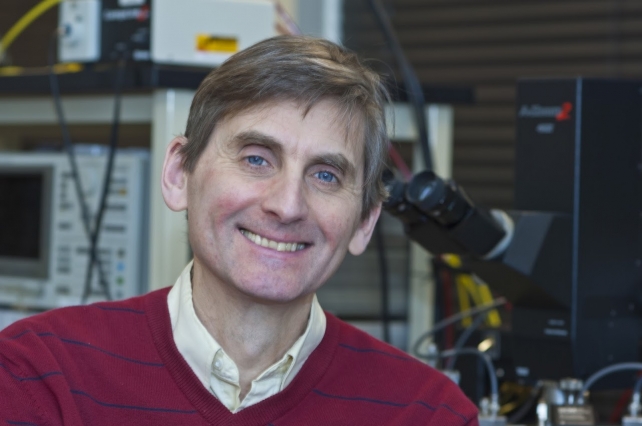
Assoc Prof Yaozhong Wu is an Associate Professor in the Department of Analytics and Operations at the NUS Business School, National University of Singapore. His research focuses on Behavioral Operations Management, Supply Chain Management, Innovation, and Project Management. He has contributed extensively to understanding decision-making biases in operations, strategic customer behavior, and supply chain coordination mechanisms. Key research interests include behavioral aspects of inventory management, project abandonment decisions, and cross-project collaboration. His work integrates experimental methods with theoretical models to uncover how cognitive biases and social preferences impact operational performance. Prof. Wu has published in top journals such as Management Science , Production and Operations Management , and Operations Research . His recent studies explore endogenous biases in competitive newsvendor games, co-opetition strategies in supply chains, and the role of reference points in project management. Teaching interests include managerial problem-solving and business analytics at both undergraduate and executive levels.
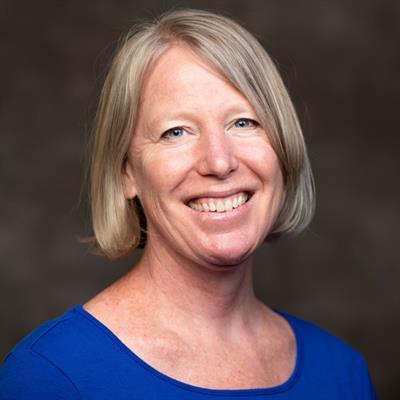
Vanessa Bowden is a Senior Lecturer in the School of Psychological Science at The University of Western Australia. She serves as Graduate Research Coordinator for the School, Deputy Director of the Master of Industrial and Organisational Psychology program, and Co-Director of the Human Factors and Applied Cognition Laboratory. Her academic credentials include a PhD from The University of Western Australia and a Graduate Diploma in Human Factors and Safety Management Systems from the University of South Australia. Dr. Bowden's research expertise spans multiple domains within human factors and cognitive psychology. Her primary research interests include: Human interaction with technological systems Automation design and human-automation interaction Driver distraction and transportation safety Cognitive processes in complex work settings Situation awareness and workload management Prospective memory in applied contexts Her recent research has focused on understanding how humans interact with automated systems across various domains, from driving to air traffic control. Dr. Bowden has developed computational models of human decision-making with automated advice and has investigated the impact of automation transparency on operator performance. Her work has important implications for designing safer technological systems that optimize human performance. Dr. Bowden has received significant research funding, including an Australian Research Council Discovery grant (2024) for $924,198 for "A Unified Computational Model of How Humans Use Automated Advice" and multiple Department of Defence grants. Her research has been published extensively in top-tier journals in human factors and cognitive psychology. She has supervised numerous research students and currently accepts PhD and other Higher Degree by Research students. Dr. Bowden teaches several courses including Psychology of Training (PSYC5573), Industrial and Organisational Psychology (PSYC3309), and Perception and Sensory Neuropsychology (PSYC3318).
Justin Kruger is an Associate Professor of Marketing at the Leonard N. Stern School of Business, New York University, where he joined in 2005. His academic journey began with a B.S. in Psychology from Santa Clara University in 1993, followed by a Ph.D. in Social Psychology from Cornell University in 1999. Professor Kruger's research focuses on everyday judgment and decision making, with specific emphasis on: Overconfidence in planning and self-assessment Myopia in comparative judgment Egocentrism in perspective taking Everyday heuristics Consumer Psychology and Behavior His work has been featured in numerous scholarly journals including the Journal of Consumer Psychology, Journal of Consumer Research, Journal of Experimental Social Psychology, Journal of Personality and Social Psychology, and Psychological Science. His research has also gained significant media attention, appearing in Newsweek, US News & World Report, The New York Times, The Harvard Business Review, as well as NPR and the BBC, with his work cited over 2,500 times (Google Scholar, March 2011). Professor Kruger has received several prestigious awards and grants: National Science Foundation Research Grant (2004) Department of Psychology, University of Illinois Hohenboken Teaching Award (2003) University of Illinois Research Board Research Grant (2000) Department of Psychology, Cornell University Graduate Teaching Award (1998) Incomplete List of Teachers Rated "Excellent" by their Students, University of Illinois (2000) At NYU Stern, Professor Kruger teaches Judgment and Decision Making in undergraduate, MBA, and PhD programs. His research reveals patterns in how people make judgments about themselves and others, with particular focus on the cognitive biases that lead to overconfidence, miscommunication, and poor decision making. His most influential work includes studies on the Dunning-Kruger effect (where incompetent people fail to recognize their incompetence) and egocentrism in communication (particularly in digital contexts like email).
Adam T. Smith is Distinguished Professor of Arts and Sciences in Anthropology at Cornell University, where he holds appointments in the Department of Anthropology, the Archaeology Program, and the Milstein Program in Technology & Humanity. He is a leading scholar in Eurasian archaeology, specializing in the South Caucasus, with a focus on the emergence of complex societies and the materiality of political authority. Smith is a co-founder of Project ArAGATS and leads Caucasus Heritage Watch, a pioneering initiative using satellite technology to monitor cultural heritage at risk. His educational background includes a Ph.D. and M.A. in Anthropology from the University of Arizona, an M.Phil. from the University of Cambridge, and a B.A. in Anthropology & Political Science from Brown University. Smith's research interests span archaeology, material culture, political and legal anthropology, heritage and museums, and the archaeology of sovereignty. His work combines theoretical inquiry with empirical fieldwork, exploring how objects, landscapes, and built environments shape political life from the Bronze Age to the present. He is particularly known for his work on the Urartian state, Bronze Age metaphysics, and the long-term political dynamics of the Armenian Highland. His recent publications reveal a strong trend in using archaeology to address contemporary issues of heritage destruction, collective memory, and cultural erasure, especially in conflict zones like Nagorno-Karabakh. The articles show a deep engagement with remote sensing, geophysical survey, and interdisciplinary methods to reconstruct past societies and protect endangered heritage. Fellow, Milstein Program in Technology and Humanity, Cornell University (2023–2025) Finalist, Falling Walls Science Breakthrough of the Year, Social Sciences and Humanities (2023) Certificate of Communal Partnership, St. James AME Zion Church, Ithaca NY (2023) John Simon Guggenheim Memorial Foundation Fellow (2010–2011) Fellow, Cornell University Society for the Humanities (2010–2011) Fellow, Howard Foundation (2006–2007) Fellow, Franke Institute for the Humanities, University of Chicago (2003–2004) National Endowment for the Humanities/American Councils for International Education Collaborative Research Fellow (2003) Fellow, Michigan Society of Fellows, University of Michigan, Ann Arbor (1997–1999) Smith advises graduate students, leads the Landscapes and Objects Laboratory, and directs major research initiatives including Project ArAGATS and the St. James AME Zion Community Excavations. His work has been supported by grants from the National Science Foundation, Wenner-Gren Foundation, National Geographic Society, and other leading institutions. He is actively engaged in public archaeology, policy advocacy, and community-based research, bridging academic scholarship with real-world impact.
Professor Michael J. Beran is a faculty member at Georgia State University, specializing in Psychology and co-Director of the Language Research Center. His research explores numerical cognition, delay of gratification, metacognition, and cognitive control in humans, great apes, and monkeys. Department of Psychology, Georgia State University Co-Director, Language Research Center His work bridges comparative psychology and cognitive science, focusing on evolutionary aspects of quantitative sensitivity, self-control, and perceptual illusions across species. Recent studies address face pareidolia, reverse-reward contingency tasks, and individual differences in primate cognition. Publications from 2015 to 2025 highlight trends in animal cognition, mathematical operations by primates, and confidence assessment in memory tasks. Despite no listed awards, his editorial roles include Associate Editor for Comparative Psychology at Frontiers in Psychology .
ERIKA BORELLA is a Full Professor at the University of Padua, specializing in cognitive aging, working memory, and interventions for dementia. Her research focuses on understanding cognitive changes across the lifespan, including the effects of music, sleep, personality, and environmental design on mental health and cognition. She leads studies on cognitive stimulation therapy, therapeutic gardens for dementia care, and the development of assessment tools like the Padua PM task. Her work emphasizes practical applications, such as memory training programs and strategies to enhance quality of life in older adults. Research Interests: Cognitive Aging and Lifespan Development Executive Functioning and Attention Emotion Regulation and Mental Health Neuropsychological Assessment and Intervention Therapeutic Environments for Dementia Cognitive Reserve and Lifelong Learning Key Contributions: Dr. Borella has pioneered studies on cognitive stimulation therapy efficacy, music-based interventions, and the role of soft skills in aging populations. Her work bridges theoretical research and practical solutions, such as designing dementia-friendly spaces and evaluating the impact of outdoor activities on cognitive function in older adults. Recent Trends in Publications: Her recent work explores how emotions influence sleep quality, the psychological impacts of the pandemic on older adults, and the development of questionnaires for injury prevention. She emphasizes interdisciplinary approaches, integrating neuroscience, psychology, and environmental design to address complex aging-related challenges. Labs and Teams: Dr. Borella collaborates on initiatives like Cognitive Stimulation Therapy and Therapeutic Garden Programs , promoting active aging through evidence-based interventions. These projects involve interdisciplinary teams focused on improving mental health, cognitive function, and quality of life for older adults.
Yanliu Huang is a Professor and Department Head of Marketing at LeBow College of Business, Drexel University. She holds a PhD in Marketing from the Wharton School, University of Pennsylvania, and combines field and lab studies to address critical marketing and consumer behavior questions. Education: PhD in Marketing (Wharton School, University of Pennsylvania) Her research focuses on new technology in marketing , in-store decision making , consumer planning , and consumer welfare . She explores how digital interfaces influence planning, the psychology of indulgent choices, and the impact of store layouts on unplanned purchases. Recent publications examine voice-based shopping interactions , emoji usage in communication , and technology’s role in financial decision making . Her work bridges marketing science , neuroscience , and behavioral economics . Scientific Awards: MSI/H. Paul Root Award, Dean’s Excellence in Research Award, ExCITe Research Funding Award, Best Retail Proposal Award (Society for Marketing Advances) Editorial Roles: Associate Editor at Service Science; Editorial Review Board member at Journal of the Academy of Marketing Science, Journal of Consumer Psychology, and Journal of Retailing Dr. Huang’s research has been featured in Harvard Business Review , Wall Street Journal , and The Economist , with grants supporting studies on digital interfaces and consumer welfare.
Jesús del Alamo serves as the Donner Professor of Science within MIT’s Department of Electrical Engineering and Computer Science, leading cutting-edge research in semiconductor device physics with applications spanning logic, high-frequency, and power electronics. His work bridges fundamental materials science with practical device engineering to address next-generation computing challenges. Academic Credentials: PhD, Stanford University MS, Stanford University Research Focus: Professor del Alamo’s expertise centers on transistor physics and semiconductor device innovation, particularly III-V compound semiconductors (InGaAs, GaN) and diamond MOSFETs. Current investigations target reliability mechanisms in GaN transistors for RF/power applications, novel analog computing architectures, and electrochemical ionic synapses for neuromorphic hardware. His group pioneers atomic-scale fabrication techniques like thermal atomic layer etching for sub-5nm devices while exploring quantum confinement effects in vertical nanowires. Publication Evolution: Recent work (2023-2025) demonstrates a strategic shift toward neuromorphic computing, with 60% of publications focusing on electrochemical synapses and ferroelectric memories for AI acceleration. This builds upon decades of transistor scaling research, now converging with materials innovations in HfZrO 2 ferroelectrics and protonic conductors to enable energy-efficient analog deep learning hardware. Award Recognition: Louis D. Smullin Award for Excellence in Teaching Amar Bose Award for Excellence in Teaching Intel Outstanding Researcher Award Semiconductor Research Corporation Technical Excellence Award Semiconductor Industry Association-Semiconductor Research Corporation University Researcher Award Collaborative Leadership: He directs research within MIT’s Microsystems Technology Laboratories (MTL), collaborating with faculty including Bilge Yildiz (electrochemical systems) and Ju Li (computational materials). Current projects integrate device physics with neuromorphic algorithms, supported by semiconductor industry partnerships focused on translating fundamental discoveries into practical AI hardware solutions. Research Infrastructure: His group operates within MIT’s MTL cleanroom facilities, utilizing advanced characterization tools for in-situ device analysis and leveraging partnerships with industry leaders in semiconductor manufacturing to prototype novel transistor architectures.
Professor Graham Ogg is a leading academic at the University of Oxford, where he serves as Professor of Dermatology and leads the Skin Immunology Group. His research focuses on cutaneous immunity, particularly the role of CD1a-restricted T cells in inflammatory skin diseases. He is affiliated with the MRC Human Immunology Unit and MRC Weatherall Institute of Molecular Medicine, driving translational research on lipid antigen presentation and skin immune responses. Professor Ogg's investigations center on molecular mechanisms of skin inflammation, with emphasis on CD1a-mediated T cell activation and its implications for atopic dermatitis, psoriasis, and vaccine development. His work bridges fundamental immunology with clinical applications, exploring how lipid metabolism influences immune pathways in barrier tissues. Research themes include: CD1a-lipid interactions in cutaneous inflammation Therapeutic modulation of skin-specific T cell responses Translational models for dermatological drug delivery Immune mechanisms in allergic skin disorders Analysis of his recent publications (2024-2025) reveals dominant research streams: 1) Clinical dermatology focusing on systemic therapies for atopic eczema, 2) Immunological studies of dengue pathogenesis and metabolic interactions, 3) COVID-19 sequelae and immunity dynamics, and 4) Fundamental T cell biology in autoimmune/inflammatory contexts. This corpus demonstrates interdisciplinary integration of dermatology, virology, and immunometabolism. His scientific recognition includes: Fellowship of the Academy of Medical Sciences (FMedSci) Professor Ogg directs the Skin Immunology Group at the MRC Weatherall Institute, coordinating translational projects that investigate cutaneous immune circuits. The team employs single-cell analysis, spatial transcriptomics, and immunological profiling to dissect skin-specific immune responses, with ongoing work exploring CD1a-targeted therapeutic strategies.
Heather L. Urry is a Professor of Psychology at Tufts University's School of Arts and Sciences. She earned her PhD in Clinical Psychology from the University of Arizona (2001) and completed postdoctoral training in affective neuroscience at the University of Wisconsin-Madison. Since 2005, she has directed the Emotion, Brain, & Behavior Laboratory (EBBL), focusing on how people experience, express, and regulate emotions using behavioral and psychophysiological methods. Her research examines emotion regulation dynamics, stress impacts on cognitive-motor performance, and individual differences in affective processing. Recent work explores time pressure effects on behavior, cognitive reappraisal efficacy, and large-scale replications in psychological science. She champions open science practices, including data sharing and study preregistration. Recent publications (2021-2025) demonstrate a strong focus on stress, emotion regulation techniques, and methodological rigor. Major themes include: cognitive reappraisal applications in exercise/stress contexts; anxiety reduction interventions; sociopolitical perceptions of discrimination; and pandemic-related mental health messaging. Cross-cultural collaborations feature prominently in her global health studies. Awards include the Outstanding Faculty Contribution to Graduate Education (2019). Grant support includes NIH funding for therapy dog intervention mechanisms and U.S. Army contracts for applied cognitive science (2017-2029). At Tufts, she teaches 30+ psychology courses including Doctoral Dissertation supervision and research methodology. As EBBL director, she oversees investigations into stress responses and emotion regulation, mentoring students in experimental protocols involving physiological measures.
Ryan Fitzgerald is an Associate Professor (on leave) in the Department of Psychology at Simon Fraser University. His research focuses on law and forensic psychology, particularly eyewitness identification, face recognition, memory, and meta-analysis. He directs the EyeWitnessLab (www.eyewitnesslab.com/) and has contributed to advancing understanding of how social media, lineup procedures, and stress affect eyewitness accuracy. His work bridges psychological science with legal practice through police training initiatives and evidence-based policy reforms. Research Interests: Psychology and Law Eyewitness Identification Mechanisms Face Recognition Technologies Memory Distortion Factors Cross-Cultural Forensic Practices Meta-Analytic Methodology Recent work highlights innovations like the Eyewitness Lineup Identity (ELI) database and augmented reality lineup applications. Fitzgerald emphasizes practical implications of his research, aiming to reduce wrongful convictions through evidence-based practices.
Jennifer Gandhi is the Howard Wang ’95 Professor of Global Affairs and Political Science at Yale University, and Deputy Dean of the Jackson School of Global Affairs. Her research focuses on authoritarian regimes, political institutions under dictatorship, and transitions to democracy. She holds a B.A. from Columbia University and a Ph.D. in Political Science from New York University. Her work includes the award-winning book Political Institutions under Dictatorship (Cambridge University Press, 2008) and key articles in leading journals like the American Journal of Political Science and Journal of Politics. Her current projects explore electoral autocracies, data manipulation in authoritarian states, and institutional effects on democratization. Dr. Gandhi has advised numerous students and has been recognized for her contributions to comparative politics. She collaborates widely, with co-authors such as Ora John Reuter, Milan Svolik, and Jane Lawrence Sumner. Her research bridges theory and empirical analysis, examining how authoritarian institutions stabilize or destabilize regimes.
Sylvia H. Ley, PhD, RD, serves as a tenure-track Assistant Professor in the Department of Epidemiology at Tulane University's Celia Scott Weatherhead School of Public Health and Tropical Medicine. She teaches Epidemiologic Methods I and III while mentoring PhD and MS students in chronic disease research. Her educational background includes: Postdoctoral training at Harvard T.H. Chan School of Public Health focusing on large-scale cohort studies Doctoral studies in maternal and infant nutrition and clinical epidemiology at University of Toronto Registered Dietitian certification from Sunnybrook Health Sciences Centre Dr. Ley's research centers on life-course strategies for chronic disease prevention , with emphasis on nutrition , diabetes progression , and cardiovascular risk in women. Her work investigates how reproductive factors (menarche timing, lactation, gestational diabetes), sleep patterns , and dietary behaviors influence long-term metabolic outcomes across the lifespan. She employs advanced epidemiological methods in major cohort studies including NHANES and the Bogalusa Heart Study. Analysis of her recent publications reveals consistent focus on sex-specific disease pathways and developmental origins of health , particularly examining how early-life exposures manifest as cardiometabolic disorders decades later. Her work bridges clinical epidemiology with nutritional science to identify modifiable risk factors. Dr. Ley actively mentors graduate students including Santos MP, Mullen AJ, and Siebach MK. Her research receives continuous funding from major agencies including NIH, NSF, and CIHR, supporting her 80+ peer-reviewed publications that have accumulated over 14,000 citations. She serves in leadership roles as Past-Chair of Nutritional Epidemiology for the American Society for Nutrition, Associate Editor for the American Journal of Clinical Nutrition, and co-Chair of the Women's Interprofessional Network for the American Diabetes Association.
Jovan Stojkovic is an incoming Assistant Professor at the Department of Computer Science at the University of Texas at Austin, set to join in Fall 2026. Prior to his appointment at UT Austin, he will spend a year at Meta working with the AI and Systems Co-design group. His research focuses on cloud computing and datacenters, with particular emphasis on cloud-native workloads and machine learning inference. Education: PhD in Computer Science from the University of Illinois at Urbana-Champaign, advised by Professor Josep Torrellas Undergraduate studies at the School of Electrical Engineering, University of Belgrade, Serbia, where he was recognized as the best student of the Computer Engineering and Information Theory Department every year from 2017-2020 Research Interests: Jovan's research focuses on cloud computing and datacenters , with two primary domains: Cloud-native workloads , such as microservices and serverless computing. He investigates how to co-design novel hardware platforms and software systems that deliver orders-of-magnitude improvements in performance, energy efficiency, and resource utilization for these emerging workloads. Machine Learning (ML) inference , particularly large language models (LLMs). His work addresses the challenges of ML inference through smart scheduling, workload placement, and system-level configuration tuning to reduce energy, power, and thermal overheads while maintaining performance and accuracy guarantees. Publication Trends: Jovan's publications demonstrate a strong focus on optimizing cloud infrastructure for emerging workloads. His research spans across serverless computing, microservices, and large language model inference. A clear trend emerges in his work: addressing the performance, energy efficiency, and resource utilization challenges of modern cloud workloads through innovative hardware-software co-design approaches. His most recent work shows increasing focus on LLM inference optimization, particularly in the areas of thermal management, power efficiency, and scheduling for many-adapter environments. Awards and Honors: HPCA Best Paper Award (2025) IEEE MICRO Top Picks Honorable Mention (2024) 6 patents with IBM and Microsoft on: Serverless systems, Processor overclocking in the cloud, and Energy-efficient LLM inference W. J. Poppelbaum Memorial Award (2025) for hardware and architecture innovation Mavis Future Faculty Fellowship (2024–2025) Invited to present at 11th Heidelberg Laureate Forum (2024) Kenichi Miura Award (2022) for excellence in High Performance Computing Multiple student travel grants to ISCA, MICRO, ASPLOS, and HPCA Advising and Grants: Jovan is actively seeking prospective PhD students for his research group at UT Austin. His research has been supported through collaborations with major tech companies including IBM, Microsoft, and Meta. His six patents with IBM and Microsoft demonstrate the practical impact of his research in serverless systems, processor overclocking, and energy-efficient LLM inference. His work on serverless computing (MXFaaS, EcoFaaS) and LLM inference optimization has received significant recognition in top-tier computer architecture conferences. Research Groups: During his PhD at UIUC, Jovan worked with Professor Josep Torrellas on cloud infrastructure research. He has collaborated extensively with researchers at IBM Research (particularly Hubertus Franke) and Microsoft (particularly Íñigo Goiri and Ricardo Bianchini). His upcoming position at UT Austin will establish his independent research group focused on cloud computing and datacenter systems. His year at Meta working with the AI and Systems Co-design group will further strengthen his expertise in AI infrastructure.
Gary Fireman, PhD is a Professor in the Department of Psychology at Suffolk University and serves as the Associate Provost for Academic Affairs. He holds a PhD and MA from Long Island University, as well as a BA from the University of Michigan. As a licensed clinical psychologist in Massachusetts, Texas, and New York, he specializes in child, adolescent, and adult therapy, and psychological assessment. PhD, Long Island University MA, Long Island University BA, University of Michigan Dr. Fireman’s research explores the interplay between emotional complexity, social reasoning, and sleep quality, particularly in populations with aggression, peer victimization, or emotional regulation challenges. His work investigates how nightmares, rumination, and prosocial behavior shape cognitive processes and psychological wellbeing. His recent publications focus on sleep disturbances, social exclusion, and emotional regulation in developmental contexts. Key trends include analyzing the bidirectional relationship between social anxiety and sleep, cross-cultural bullying narratives, and the impact of stress on sleep quality during the COVID-19 pandemic. Scientific Awards : Departmental-Level Teaching Award (2014) Dr. Fireman teaches courses such as PSYCH-510-C: Independent Study . He maintains an active clinical and research practice, with ongoing collaborations across interdisciplinary psychology fields. Contact: gfireman@suffolk.edu , 617-305-6368.