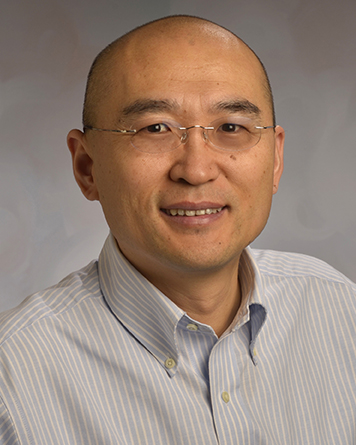
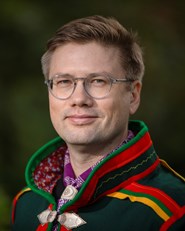
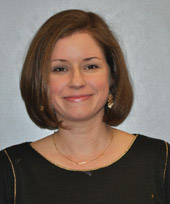
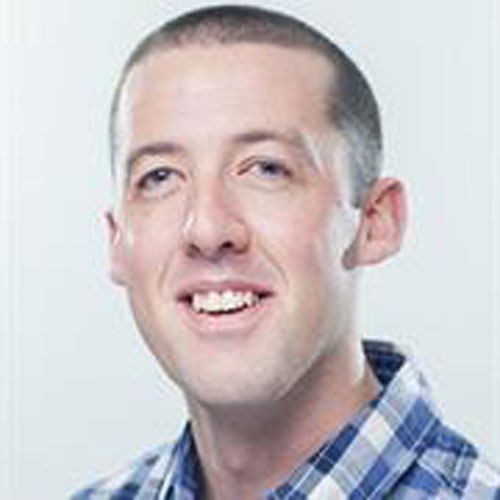
Jindong Tan is a Professor in the Department of Mechanical, Aerospace, and Biomedical Engineering at the University of Tennessee, Knoxville (since 2015). Previously, he held roles at Michigan Technological University (2002–2015) and Northeastern University, China (1995–1998). He specializes in medical/surgical robotics, human-robot interactions, wearable sensors, control systems, and mechatronics. His research integrates robotics, biomedical engineering, and computer science to advance minimally invasive surgical tools, wearable technology, and autonomous systems. Education: Ph.D. in Mechanical Engineering from Michigan State University (2002), M.S. from Northeastern University (1995), and B.S. from Lanzhou University of Technology (1992). Research interests focus on developing innovative medical robotic systems, including laparoscopic camera robots, magnetic actuation mechanisms, and human-robot collaboration frameworks. He has contributed to advancements in wearable sensors for healthcare, sensor networks for dynamic environments, and calibration techniques for bio-inspired robots. Key projects include the design of an untethered laparoscopic camera robot (s-CAM), magnetic localization for surgical tools, and frameworks for controlled robot language in human-robot collaboration. His work emphasizes practical applications in surgical environments and wearable health monitoring. Professional service includes roles with the IEEE Robotics & Automation Society, Engineering in Medicine and Biology Society, and the Association for Computing Machinery. Contact: tan@utk.edu, Perkins Hall 315.
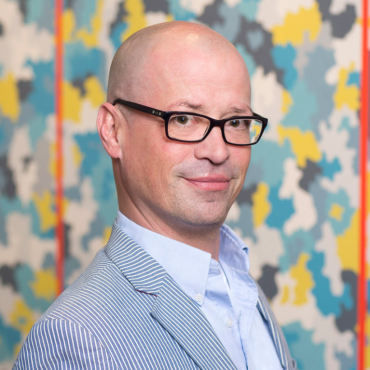
Maximilian Miguel Scholz is Associate Professor of History at Florida State University, specializing in social/religious history of early modern Europe. PhD from Yale University. Research examines how refugees shaped religious transformations during Reformation. Author of Strange Brethren (2022) analyzing refugee impact on Frankfurt's Reformation. Current project investigates migration's role in Prussia's Reformation. Receives funding from American Philosophical Society, DAAD, and Prussian Cultural Heritage Foundation. Teaches courses on Reformation history, Catholicism, and refugee history. Publications appear in Central European History , Archiv für Reformationsgeschichte , and Sixteenth Century Journal . Research grants: American Philosophical Society (2025, 2022) DAAD (2021) Stiftung Preußischer Kulturbesitz (2020)
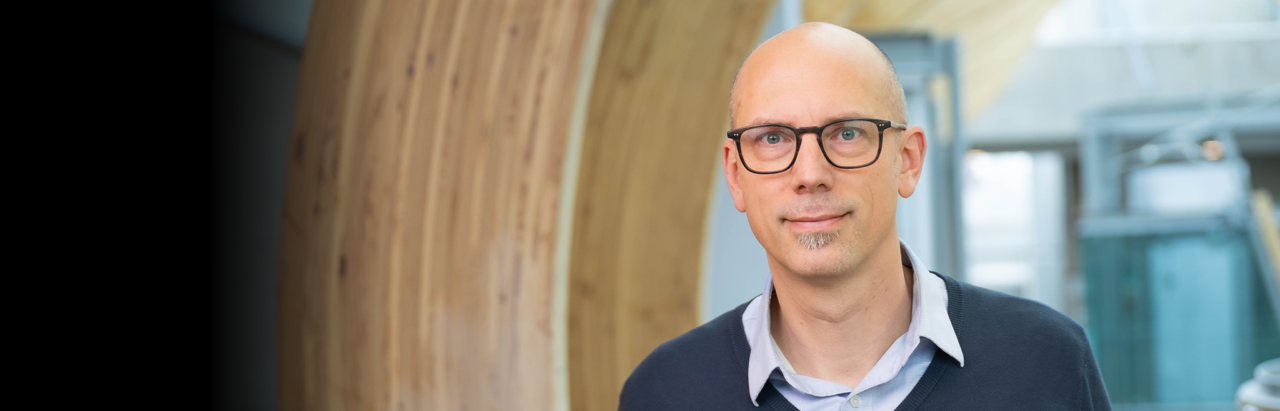
John Lowe is a Teaching Professor of Sequential Art at Savannah College of Art and Design (SCAD), holding this position since 2012. Previously, he served as Dean of the School of Communication Arts (2008–2012), Chair of the Sequential Art Department (2003–2008), and Professor of Sequential Art (2002). His career spans academic leadership and professional inking for major comic publishers like DC Comics, Marvel Comics, and Archie Comics. Education: M.F.A., Sequential Art, Savannah College of Art and Design B.F.A., Drawing/Studio Art, University of Knoxville His research interests focus on advancing sequential art education and visual storytelling techniques. He has curated exhibitions such as Contemporary Cartoonists (2006) and Panel Progressions: 100 Years of Sequential Art (2005). His publications include textbooks like Foundations in Comic Book Art (2014) and articles in Varoom Magazine . Awards: Presidential Fellowship (SCAD, 2006) Outstanding Graduate Student (SCAD, 2002) Board of Trustees Fellowship (SCAD, 2000) He has advised numerous students through his editorial roles in anthologies and has engaged in civic initiatives linking art education to community projects.
Thibault Mayor is a Professor in the Department of Biochemistry and Molecular Biology and the Michael Smith Laboratories at the University of British Columbia (Vancouver). His research focuses on understanding how cells manage misfolded proteins, with implications for neurodegenerative diseases like Parkinson's and Alzheimer's. He holds academic affiliations with the Centre for High-Throughput Biology (CHiBi) and has been recognized with awards including the UBC Killam Teaching Award (2020). Education: BSc, University of Geneva, Switzerland (1997) PhD, University of Geneva & Max Planck Institute of Biochemistry, Germany (2001) Postdoctoral Fellow, California Institute of Technology (2002) Research Interests: Mayor's lab investigates protein homeostasis, ubiquitin-proteasome system dynamics, and the molecular mechanisms underlying protein aggregation in aging and disease. Projects include proteomic approaches to identify aggregation-prone proteins and develop microbial cell factories for protein production. Grants & Awards: CIHR Project Grant ($730K, 2018) Michael Smith Foundation Career Award (2012) UBC Killam Teaching Award (2020) Labs & Collaborations: The Mayor Lab is part of the Michael Smith Laboratories and collaborates with computational biologists like Jörg Gsponer. They maintain active partnerships in proteomics and systems biology, contributing to initiatives like the BC Proteomics Network.
David John Procter is a Professor of Organic Chemistry and Head of the Department of Chemistry at the University of Manchester. His career includes academic roles at the University of Glasgow (Lecturer, Senior Lecturer) and a Readership at the University of Manchester, where he became a Professor in 2008. His research focuses on developing new synthetic methods, catalysis, and materials chemistry, with applications in drug discovery, biocatalysis, and organic electronics. Education: BSc Chemistry (University of Leeds, 1992), PhD (1995, supervised by Prof. Christopher Rayner). Postdoctoral work: Florida State University (Prof. Robert Holton, Taxol analog synthesis). Research interests include samarium diiodide-mediated reactions, metal-free coupling processes, and sustainable synthesis methods. He leads projects funded by EPSRC, Industry (30 grants), and international collaborations. Awards include the EPSRC Established Career Fellowship (2015–2020), Bader Prize (2014), and Young Heterocyclic Chemist Award (2015). Key contributions: Total synthesis of natural products (e.g., pleuromutilin), development of copper-catalyzed multicomponent couplings, and innovative methods for organic materials. His work aligns with UN Sustainable Development Goals related to affordable and clean energy and responsible consumption. Collaborations span academic and industrial partnerships in chemistry, physics, and biology. He supervises 60+ students and contributes to the Organic Materials Innovation Centre (OMIC). His group’s research is detailed at proctergroupresearch.com .
Dr. Cassandra Sampaio Baptista is a Lecturer at the University of Glasgow's School of Psychology & Neuroscience. Her research focuses on brain plasticity in adulthood, particularly exploring how experiences like skill learning or rehabilitation influence structural and functional changes in the brain. She employs neuroimaging techniques such as fMRI neurofeedback and MRI to investigate mechanisms of myelin and white matter plasticity. Her work emphasizes translational applications, including stroke rehabilitation and promoting healthy aging. Key contributions include demonstrating myelin's role in motor learning and developing MRI protocols for white matter analysis. She collaborates on projects funded by the BIAL Foundation (2025–2026) and has supervised multiple postgraduate students. Recent publications highlight studies on oligodendrocyte dynamics, neurofeedback interventions for stroke survivors, and cross-species neuroscience approaches. While no specific awards are listed, her extensive publication record reflects her leadership in neuroplasticity research.
Vicente Ordóñez-Román is an Associate Professor in the Department of Computer Science at Rice University, part of the George R. Brown School of Engineering. His research focuses on the intersection of computer vision, natural language processing, and machine learning, with an emphasis on fair, transparent, and interpretable AI. He leads the Vision, Language, and Learning Lab and contributes to the Ken Kennedy Institute's Closed-loop Computer Vision research cluster. Education: PhD in Computer Science (UNC Chapel Hill, 2015), MS in Computer Science (Stony Brook University), and Engineering (Escuela Superior Politécnica del Litoral, Ecuador). Prior roles include Assistant Professor at the University of Virginia (2016-2021) and visiting positions at Adobe Research, the Allen Institute for AI, and Amazon. Research Interests : Developing multimodal AI systems that integrate visual and textual data, mitigating biases in AI, and advancing generative models. His work emphasizes ethical AI and societal impact, as seen in his contributions to the whitepaper advocating for federal regulation of facial recognition technologies. Awards & Recognition : NSF CAREER Award (2021), Marr Prize (ICCV 2013), Best Paper at EMNLP 2017, and multiple industry grants from Google, Amazon, and Facebook. His research has been featured in media outlets like WIRED, The New York Times, and Bloomberg News. Advising & Grants : Supervises a diverse research group spanning PhD, MS, and undergraduate students. Secured over $1.8 million in external funding, including NSF grants, Amazon FAI awards, and Google Cloud credits. Leads initiatives on bias mitigation, AI ethics, and multimodal learning. Labs & Collaborations : Directs the Vision, Language, and Learning Lab (vislang.ai), collaborating with industry partners like Adobe, Amazon, and SAP. Engages in interdisciplinary projects at the Ken Kennedy Institute, focusing on closed-loop computer vision systems.
Petter Stoor is an Assistant Professor at Umeå University's Department of Epidemiology and Global Health, specializing in Sámi health research. He holds a PhD from the Arctic University of Norway (UiT) and is Coordinator of Lávvuo, a research group focused on Sámi health education. His work emphasizes Indigenous health equity, suicide prevention, and addressing systemic discrimination. He teaches courses on Sámi and Indigenous health at Umeå University, including Sweden's first dedicated program in this field. PhD: “Suicide among Sámi – Cultural meanings of suicide and interventions for suicide prevention in Nordic parts of Sápmi” (2020, UiT) Current roles: Researcher, educator, and advisor to Sámi parliaments and NGOs Research interests include mental health disparities, cultural determinants of health, and ethical research practices with Indigenous communities. Awards include recognition for studies on sexual violence against Sámi women (2024) and broader Sámi health contributions (2024). He leads projects such as the SámiHET study on health inequities and collaborates internationally via the Lancet Commissions on Suicide and Arctic Health. Teaching focuses on integrating Indigenous perspectives into medical and public health curricula. He supervises master’s and doctoral students, emphasizing participatory methods and community-driven research.
Debora Weber-Wulff is a Professor of Media Informatics at the Berlin University of Applied Sciences with a doctorate in computer science. She serves as an ethics evaluator for EU projects and is active in the European Network for Academic Integrity and the VroniPlag Wiki. Her research focuses on ethical issues in computer science, particularly examining the intersection of technology and moral decision-making. Dr. Weber-Wulff has made significant contributions to understanding how IT systems can be designed, operated, and used ethically, with particular attention to biometrics, data protection, and intellectual property concerns. Her publications reveal a consistent focus on practical applications of ethical frameworks in technology. The 2023 publication "Remorse – Case studies on ethical problems in computer science" demonstrates her ongoing commitment to developing case-based approaches for teaching and understanding ethical dilemmas in the field. Her work bridges theoretical ethical considerations with practical implementation challenges. Scientific Awards: Fellow of the German Informatics Society As an active participant in professional organizations, Dr. Weber-Wulff contributes to shaping ethical standards in computer science education and practice. Her involvement with the European Network for Academic Integrity and the VroniPlag Wiki demonstrates her commitment to maintaining academic standards and addressing plagiarism issues in scholarly work.
Professor Sara Baker is a Professor of Developmental Psychology and Education at the University of Cambridge's Faculty of Education and a Fellow at Darwin College, where she served as Vice Master from 2021-2024. She is also a 2022 Senior Fellow in the Science of Learning with UNESCO-IBE/IBRO. Her work bridges cognitive science and educational practice, focusing on how children develop executive functions and self-regulation skills. Baker leads the Early Years Library project, co-founded the Research Centre for Play in Education, Development and Learning (PEDAL), and is a founding member of the Global Executive Functions Initiative. Sara Baker specializes in the science of learning, with research aimed at improving children's lives by identifying factors at home and school that support their agency over learning. Her work emphasizes developing executive functions and self-regulation through playful learning approaches. She uses lab-based experiments and collaborates with educators to translate cognitive science research into educational contexts. Her research spans multiple countries including the UK, USA, Mexico, Denmark, Slovakia, South Korea, Ghana, Rwanda, Nigeria, Kenya, South Africa, and more, reflecting a strong commitment to culturally relevant and globally applicable educational practices. Analysis of Professor Baker's recent publications reveals a strong focus on executive functions, self-regulation, and playful learning across diverse cultural contexts. Her work increasingly addresses cultural adaptation of assessment tools and educational practices, particularly for Global Majority countries. There's a clear trajectory from basic cognitive research toward practical applications in educational settings, with growing emphasis on teacher training, culturally relevant assessment, and the role of play in early childhood development. Her interdisciplinary approach connects developmental psychology, educational theory, and practical classroom applications. 2022 Senior Fellow in the Science of Learning with UNESCO-IBE/IBRO Professor Baker leads the doctoral program in the Faculty of Education and serves as an Academic Project Director in the School of Humanities and Social Sciences. She is the Cambridge academic lead on the Close the Gap partnership between Cambridge and Oxford, focused on postgraduate widening participation. Her research has been funded by prestigious organizations including the Newton Trust, Cambridge Humanities Research Grant, Economic and Social Research Council, LEGO Foundation, Nuffield Foundation, and Office for Students/Research England. She actively supervises doctoral students and seeks highly motivated candidates for October 2026 entry whose research aligns with her focus areas. Professor Baker co-founded and is actively involved with the Research Centre for Play in Education, Development and Learning (PEDAL), which investigates how children's play affects their development. She leads the Early Years Library project, a curated collection of evidence-based practices for early years educators, and is a founding member of the Global Executive Functions Initiative. Her work with the Connections international professional learning network focuses on self-regulation, while the Close the Gap project addresses widening participation in postgraduate education between Oxford and Cambridge.
Kären Wigen is the Frances and Charles Field Professor in History at Stanford University, specializing in Japanese history and the history of cartography. She holds a Ph.D. in Geography from the University of California, Berkeley (1990). Her research spans: Historical geography of East Asia Early modern Japanese regional economies Geographies of the imagination Transnational maritime histories Critical cartography and spatial analysis Her publications include eight major works from 1992-2025 analyzing spatial transformations in Japan and global metageography, with recent projects focusing on temporal dimensions in cartographic representation. She co-edited Seascapes (2007) and Cartographic Japan (2016), and serves as Director of Stanford’s Mellon Fellowship of Scholars in the Humanities since 2022.
Stephen Redmond is an Associate Professor at the School of Electrical and Electronic Engineering at University College Dublin (UCD), where he leads the Biomedical Sensors and Signals Research Group. He completed his Bachelor of Electronic Engineering at UCD in 2002, followed by a PhD in biosignal processing in 2006 on at-home sleep staging. After spending 10 years at the University of New South Wales in Sydney, he returned to UCD in 2018. His educational background includes: BE Electronic Engineering, University College Dublin (2002) PhD Biosignal Processing, University College Dublin (2006) Redmond's research focuses on the intersection of signal processing, pattern recognition, and novel sensing hardware to enable longitudinal health monitoring in home environments. His group has developed expertise in wearable sensor systems for human movement analysis, robust physiological signal measurement in unsupervised settings, tactile physiology and sensing, and the application of deep neural networks for medical image segmentation and robotic manipulation. His work bridges biomedical engineering with practical applications in healthcare and robotics. His recent publications demonstrate a strong trend toward integrating tactile sensing with machine learning for robotic applications, particularly in slip detection and dexterous manipulation. His research spans multiple disciplines including biomedical engineering, robotics, computer vision, and artificial intelligence, with a particular emphasis on practical applications that bridge the gap between laboratory research and real-world implementation. His notable recognition includes: Science Foundation Ireland President of Ireland Future Research Leaders Award for his project on tactile sensing As a research leader, Redmond mentors multiple doctoral students and postdoctoral researchers, securing significant research funding to support his team's work in tactile sensing and robotic manipulation. His research group has established strong industry connections, notably through the co-founding of Contactile, a tactile sensor company. The group maintains active collaborations with both academic and industry partners to translate research into practical applications. The Biomedical Sensors and Signals Research Group operates a well-equipped laboratory featuring advanced robotics platforms including a UR5e six-axis arm, Physik Instrumente Hexapods, ATI force/torque sensors, multiple 3D printers, and specialized tactile sensing equipment including Contactile Dev Kits and Meta Digit tactile sensors. This infrastructure supports their research in tactile physiology, sensor development, and intelligent robotic manipulation.
Freda Shi is an Assistant Professor at the David R. Cheriton School of Computer Science at the University of Waterloo and a Faculty Member at the Vector Institute, where she holds a Canada CIFAR AI Chair. She joined the University of Waterloo in July 2024 after completing her Ph.D. at the Toyota Technological Institute at Chicago. Educational Background: Ph.D. in Computer Science, Toyota Technological Institute at Chicago (2024), advised by Professors Karen Livescu and Kevin Gimpel Bachelor's degree in Intelligence Science and Technology (Computer Science Track) with a minor in Sociology, Peking University (2018) Dr. Shi's research focuses on computational linguistics and natural language processing, particularly on deeper understandings of natural language and the human language processing mechanism. She is especially interested in learning language through grounding, computational multilingualism, and related machine learning aspects. Her work aims to inform the design of more efficient, effective, safe, and trustworthy NLP systems. She leads the CompLING Lab at the University of Waterloo, which investigates how language models process spatial relationships and acquire linguistic structures through grounded experiences. Her publication record shows a consistent trajectory of high-impact research, with recent work focusing on spatial reasoning in vision-language models, multilingual chain-of-thought capabilities, and grounded language acquisition. She has published in top-tier conferences including ACL, EMNLP, ICLR, and NAACL, with several papers receiving notable recognition including Best Paper Nominee status at multiple venues. Her research bridges theoretical linguistics with practical NLP applications, demonstrating how linguistic insights can improve AI systems. Scientific Recognition: Canada CIFAR AI Chair (2024) Google Ph.D. Fellowship Thesis of Distinction for her doctoral work Multiple Best Paper Nominee awards at major NLP conferences Dr. Shi teaches CS 784: Computational Linguistics and CS 486/686: Introduction to Artificial Intelligence at the University of Waterloo. She actively contributes to the NLP research community through conference participation, program committee service, and collaborative projects. Her research has significant implications for creating more robust, human-like language understanding systems and advancing the field of grounded language learning in artificial intelligence.
Thamani Freedom Gondo is affiliated with the Lund University Centre for Analysis and Synthesis , focusing on Food Science and Bioactive Compounds . Their work emphasizes analytical techniques for plant-based and marine food resources, particularly using supercritical fluid extraction . Key affiliations: Lund University, FORMAS-funded projects Research themes: Bioactive compound analysis, polyphenol characterization, sustainable food processing Recent publications highlight advancements in phlorotannin analysis from brown seaweeds and Lactiplantibacillus plantarum applications in non-dairy fermentation. Their 2023 work on ternary solvent systems demonstrated high selectivity in seaweed extraction.
Christopher R. Knittel is the George P. Shultz Professor of Energy Economics and Professor of Applied Economics at the Massachusetts Institute of Technology (MIT) Sloan School of Management . He serves as Director of MIT’s Center for Energy and Environmental Policy Research (CEEPR), Director of the MIT Climate Policy Center, and Deputy Director for Policy at the MIT Energy Initiative (MITEI). PhD, University of California, Berkeley (1999) M.A., University of California, Davis (1996) B.A., California State University, Stanislaus (1994) His research focuses on energy economics, environmental policy, and machine learning applications in energy systems. He leads interdisciplinary initiatives like the Climate Action Through Education program for high schools and co-directs the E2e Project with UC Berkeley and University of Chicago. Recent publications analyze data center energy dynamics, hydrogen technologies, Russian oil sanctions, and transportation policy reforms. His work emphasizes policy cost-effectiveness, emissions equity, and energy market responses to regulation.