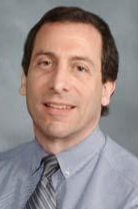
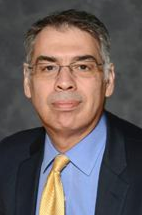
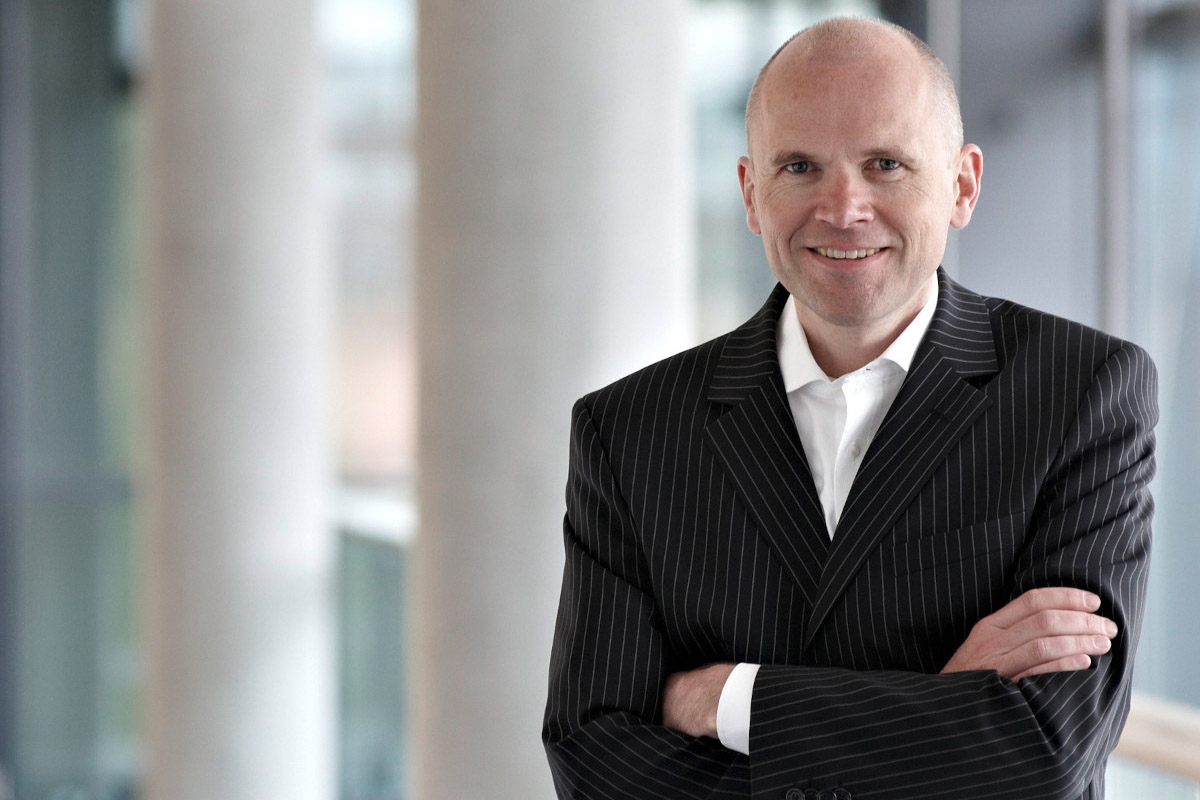
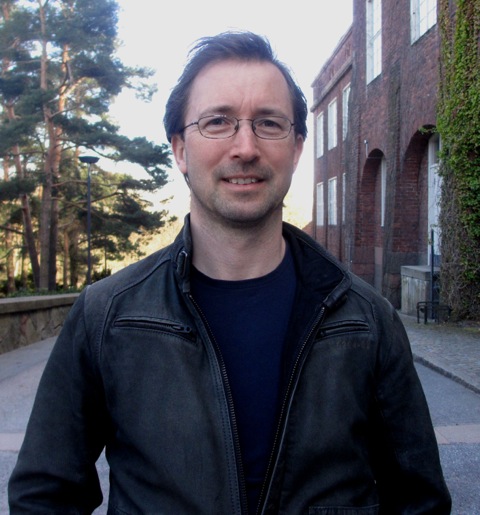
LIM Yi Hao is an Adjunct Lecturer at the School of Computing and Information Systems (SCIS), Singapore Management University (SMU), where he contributes expertise in cyber threat intelligence. He is also Google’s Intelligence Strategy Lead for Asia Pacific, based in Singapore, leading strategic engagements, partnerships, and thought leadership initiatives across the region. His research and professional interests focus on Cyber Threat Intelligence , Information Security , and Digital Risk Management . He actively shapes regional narratives through speaking engagements, conferences, and webinars, bridging industry strategy with academic insight. While no recent publications are listed, his work centers on strategic cybersecurity intelligence and its application in enterprise and policy contexts, reflecting a strong interdisciplinary approach combining technology, strategy, and regional dynamics. No scientific awards listed. LIM Yi Hao advises and collaborates within both academic and corporate frameworks, leveraging his dual role to align real-world cybersecurity challenges with educational development. Though no formal advisees are mentioned, his leadership at Google involves mentoring and strategic guidance across teams. There is no public information on grants or funded research projects. He is affiliated with the School of Computing and Information Systems at SMU and operates at the intersection of academia and industry, contributing to curriculum relevance through practical intelligence frameworks.
Marshall J. Glesby is a Professor at Weill Cornell Medical College, affiliated with both the Department of Medicine and Population Health Sciences. His career spans over three decades, focusing on HIV pathogenesis, aging-related complications, and co-infections. He holds a Ph.D. from Johns Hopkins University School of Hygiene and Public Health (1997), an M.D. from Johns Hopkins University School of Medicine (1989), and a B.Sc. from McGill University (1985). Research Interests: His work integrates HIV, immunology, and public health, emphasizing co-infections, metabolic disorders, and cardiovascular complications. Recent studies explore geriatric syndromes, epigenetic aging, and biomarkers like extracellular vesicles in Long COVID and Alzheimer's disease. He leads clinical trials on Mpox severity scoring and HIV-kidney transplantation. Grants and Collaborations: Dr. Glesby is a key investigator for NIH-funded projects, including PORTENT (NIAID) and STRIVE (NIAID). He contributes to global HIV research networks like INSIGHT and ACTG, with subawards from the National Institute of Child Health & Human Development and NHLBI. External Relationships: He serves as a consultant for UpToDate, Inc., and collaborates with organizations such as the Northeast/Caribbean AIDS Education and Training Centers.
Professor Hu Qing serves as a Professor at the School of Environmental Science and Engineering, Southern University of Science and Technology (SUSTech), and Director of the Engineering Innovation Center (Beijing) at SUSTech. With over 30 years of research and professional experience in environmental science and engineering, she has established herself as a leading expert in soil and groundwater remediation, environmental policy, and sustainable development. Education: PhD in Soil Environmental Pollution and Hydrology, Imperial College London (1993-1998) MSc in Water Treatment and Environmental Chemistry, Chinese Academy of Sciences (1987-1990) BSc in Environmental Engineering, Tsinghua University (1982-1987) Professor Hu's research focuses on critical environmental challenges including soil and groundwater remediation, contaminated site management, environmental policy development, and sustainable urban development. Her work integrates technical innovation with policy implementation, particularly in the areas of green and sustainable remediation methodologies for contaminated sites. She has pioneered approaches that combine big data applications with traditional environmental engineering practices, contributing significantly to China's environmental protection framework and international collaboration efforts in ecological sustainability. Analysis of Professor Hu's recent publications reveals a strong emphasis on practical environmental solutions with policy implications. Her work spans soil and groundwater remediation technologies, environmental policy development, and sustainable approaches to contaminated site management. A notable trend is the integration of international best practices with China-specific environmental challenges, particularly in the areas of brownfield redevelopment and soil pollution control. Her research demonstrates a consistent focus on translating scientific findings into practical applications that inform national environmental policies and standards. Scientific Awards: State Council Special Allowance Experts (2013) Second Prize of National Science and Technology Progress Award (2017) First Prize of Environmental Protection Science and Technology Award (2021) Science and Technology Progress Award of Ministry of Education (2012) IBM Global Distinguished Scholar Award (2016) Professor Hu has led and participated in more than ten national and provincial research projects, including the National 863 Program and the National Water Pollution Control and Treatment Science and Technology Major Project. She has managed dozens of site investigation and remediation projects across multiple industries including chemicals, printing and dyeing, petroleum, and electroplating. Her international collaboration experience is extensive, having served as the Chinese leading expert in the Sino-UK Soil & Groundwater Remediation Science & Technology Cooperation Program and as project leader for multiple World Bank and Asian Development Bank projects. As Director of the Engineering Innovation Center (Beijing), Professor Hu leads a multidisciplinary team focused on developing innovative solutions for environmental challenges. The center serves as a bridge between academic research and practical implementation, working closely with government agencies including the National Development and Reform Commission, Ministry of Science and Technology, and Ministry of Environmental Protection to shape national environmental policies and standards.
Professor Louise Amoore holds a faculty position at Durham University's Department of Geography, where she serves as Professor of Political Geography and Deputy Head of Department. Her work explores intersections of geopolitics, technology, and security, with a focus on algorithmic governance and data-driven practices. Co-editor of Progress in Human Geography Appointed to UK ethics body on biometric technologies Recipient of RCUK Global Uncertainties leadership fellowship Her research examines how data and algorithms reshape security paradigms, democracy, and societal norms. Recent projects analyze generative AI, cloud computing, and machine learning's political implications. She has secured funding from Leverhulme Trust, ESRC, EPSRC, AHRC, and NWO. Key article trends reveal expertise in algorithmic sovereignty (2024), border governance (2024), predictive security models (2023), data reuse ethics (2022), and post-9/11 surveillance practices (2021). Her work critically interrogates machine learning's epistemological foundations (2019) and data sovereignty implications (2018). RCUK Global Uncertainties leadership fellowship (2012-2015) Leverhulme Trust funding ESRC, EPSRC, AHRC, NWO grants Current PhD supervisees include Anna Okada and Charlotte Lock. She co-developed the Algorithmic Life book (2015) and serves as editor for Progress in Human Geography , maintaining active research collaborations in Europe.
Steven Loheide is a Professor in the Department of Civil & Environmental Engineering at the University of Wisconsin-Madison. His work bridges hydrogeology, ecohydrology, and environmental engineering with a focus on groundwater-dependent ecosystems. PhD (2006), Stanford University MS (2001), Indiana University BS (1999), University of Northern Iowa Loheide's research examines hydroecology , vegetative water use , and stream-aquifer interactions , particularly in the context of climate change , urban greening , and managed aquifer recharge . His recent publications highlight interdisciplinary approaches combining remote sensing , hydrologic modeling , and ecosystem services analysis . Key trends in his 15 most recent publications (2023-2025) span: groundwater-forest interactions during drought, urban ecohydrology impacts on energy balance, MAR design for multi-benefit ecosystems, and tree sway monitoring as ecohydrologic stress indicators. 2022 - Distinguished Professorship of Water Resources Engineering 2021 - Harvey Spangler Award for Innovative Teaching 2018 - Vilas Faculty Mid-Career Investigator Award 2014 - Fulbright Scholar (Argentina) 2010 - NSF CAREER Award Loheide teaches courses in groundwater hydraulics , ecohydrology , and hydroscience , advising graduate students through master's research , pre-dissertation , and thesis projects.
Dimitris N Kiosses serves as Professor of Psychology in Psychiatry at Weill Cornell Medical College's School of Medicine since 2021. His academic affiliations center within the Department of Psychiatry with a focus on geriatric mental health services and research. His educational background includes a B.S. from Tufts University (1992), M.A. (1994), and Ph.D. (1999) from Adelphi University, establishing his foundation in clinical psychology with specialization in geriatric populations. Dr. Kiosses' research primarily investigates late-life depression, suicide prevention in older adults, and cognitive-behavioral interventions for comorbid conditions. His work emphasizes Problem Adaptation Therapy (PATH) development and implementation, particularly for depressed elders with cognitive impairment or chronic pain. Recent publications demonstrate growing focus on digital mental health tools, ecological momentary assessment, and international applications of geriatric interventions. His studies frequently examine emotion regulation mechanisms, neurocognitive correlates of depression, and implementation science approaches for real-world settings. Analysis of his 15 most recent publications reveals consistent thematic progression toward transdiagnostic approaches for late-life mental health, with increasing emphasis on technology-enabled interventions, cross-cultural adaptation, and precision medicine applications. The work spans clinical trials, implementation studies, and neurobiological investigations, predominantly targeting depression-suicide pathways in aging populations. Dr. Kiosses maintains active research mentorship through his leadership of multiple NIH-funded projects. His grant portfolio demonstrates particular strength in securing R01-level funding from NIMH and NIA for innovative geriatric mental health interventions. As Principal Investigator, he directs the Problem Adaptation Therapy research program which has evolved from home-based depression treatment (PATH) to specialized adaptations including PATH-Pain and suicide prevention applications. His work increasingly incorporates digital health components and focuses on implementation within primary care and community settings.
Alexis H. Kunz serves as Professor of Financial Accounting and Director of the Institute for Corporate Accounting and Controlling at the University of Bern since 2011, with prior academic appointments at HEC Lausanne, University of Lausanne, and University of Friborg spanning over two decades in accounting research and leadership. Education: Habilitation, University of Friborg (2002-2004) Visiting Researcher, UCLA (2003) PhD (Dr. oec. publ.), University of Zurich (1995-2000) Master in Business Administration, University of Zurich (1989-1994) Military Service (1988) College Education, Gymnasium Zürcher Unterland (1981-1987) His research centers on Earnings Management, Financial Reporting Systems, Incentive Structures, and Corporate Governance, examining how accounting information systems influence organizational decision-making and executive behavior. Work integrates economic theory with empirical analysis of real-world corporate practices. Publication analysis reveals consistent focus on incentive design, financial disclosure quality, and governance mechanisms across 12 major works from 1999-2020. Key themes include structured product risk assessment, performance metric validity (EVA/ERIC), and behavioral impacts of compensation systems, primarily published in The Accounting Review and European Accounting Review. Scientific Awards No specific awards or fellowships were documented in the source material. Research leadership includes SNF-funded UCLA Visiting Scholarship and grants for IFRS 15 implementation, Swiss GAAP/FER reporting systems, and Say on Pay analysis. Third-party projects cover CEO evaluation frameworks, cost accounting concepts, and performance measurement system development. He directs the Financial Accounting Section within the Institute for Corporate Accounting and Controlling, overseeing research initiatives in financial reporting standards and incentive system design while serving as primary institutional contact for accounting research.
Saud Alhusaini MD PhD is an Assistant Professor of Neurology at the Warren Alpert Medical School of Brown University and serves as a Neurologist/Movement Disorders Specialist at Rhode Island Hospital. His research integrates imaging genomics and multimodal brain imaging approaches to investigate neurological disorders including Parkinson's disease, essential tremor, and epilepsy. He is affiliated with the Carney Institute for Brain Science and collaborates extensively with clinicians, geneticists, electrophysiologists, MRI specialists, neuropsychologists, and data scientists. Education: PhD from the Royal College of Surgeons in Ireland (RCSI) MSc in Neuroscience from Trinity College Dublin MD from University of Dublin, School of Medicine Adult neurology residency at McGill University/Montreal Neurological Institute Clinical research fellowship at Yale School of Medicine Clinical fellowship at Stanford University Medical Center Dr. Alhusaini's research focuses on identifying key endophenotypes and subclinical biomarkers to elucidate the underlying mechanisms of complex neurological conditions. His work spans multiple areas including movement disorders, epilepsy, and brain structure genetics. He has made significant contributions to understanding the genetic architecture of brain structures through his involvement with the ENIGMA consortium, which conducts large-scale collaborative analyses of neuroimaging and genetic data across institutions worldwide. An analysis of his publication record reveals a consistent pattern of high-impact research at the intersection of neurology, genetics, and advanced imaging techniques. His recent work demonstrates particular expertise in Parkinson's disease genetics, epilepsy network analysis, and movement disorder diagnostics. The breadth of his research, spanning from basic genetic mechanisms to clinical applications, highlights his comprehensive approach to understanding neurological disorders. Dr. Alhusaini has received funding from the Rhode Island Research Foundation, Brown Physicians, Inc., and Advance RI-CTR to support his research initiatives. His collaborative approach is evident through his numerous multi-institutional projects and extensive co-author network across Brown University departments including Neurology, Neurosurgery, and Pathology and Laboratory Medicine.
Yoon Ji-hyun is a Professor in the Department of Food and Nutrition at Seoul National University's College of Human Ecology. Her work focuses on food service management, nutrition policy, and dietary behavior analysis, with a particular emphasis on multicultural dietary practices and sustainable development in food systems. Education: Bachelor's in Food and Nutrition (SNU), BBA (SNU), MS in Hotel, Restaurant, and Institution Management (Iowa State University), PhD in Hospitality and Tourism Management (Purdue University). Leadership Roles: Associate Dean (2019-2021), Director of Ho-Am Faculty House (2010-2012), and multiple directorships in nutrition policy centers. Her research integrates public health and consumer behavior, analyzing topics like pandemic-induced dietary changes, school lunch standards, and food safety anxiety. She has led projects on non-face-to-face food safety management, food education policies, and sodium-reduced environments, funded by South Korea's Ministry of Food and Drug Safety, Ministry of Education, and others. Professor Yoon's work also addresses urban dietary trends, including single-person households' kitchen needs and workers' meal patterns, using data from national health surveys and time-use studies. She has contributed to regional and inter-Korean comparative studies on nutritional disparities and dietary guidelines. She teaches courses on foodservice management, consumer market analysis, and graduate-level research methodologies, while serving as Vice President in several academic societies, including the Korean Society of Dietary Culture and Korean Cancer Association.
Sakari Kuikka is a Professor at the University of Helsinki, affiliated with the Faculty of Biological and Environmental Sciences and the Ecosystems and Environment Research Programme. He is a core member of the Helsinki Institute of Sustainability Science (HELSUS) and leads the Fisheries and Environmental Management Group. His contact details include the email sakari.kuikka@helsinki.fi and the address P.O. Box 65 (Viikinkaari 1), 00014 University of Helsinki, Finland. His research focuses on environmental sciences , particularly fisheries management , marine policy , and Bayesian risk assessment . He has pioneered the use of Bayesian networks in environmental decision-making, including oil spill risk management and seabed mining impact assessments. His work bridges ecological modeling and policy analysis , with applications to high-latitude ecosystems and sustainability governance. Recent publications highlight his expertise in toxicology data standardization for oil spill impacts on fish, economic integration in fisheries science , and Arctic shipping safety . He actively supervises doctoral students in Wildlife Biology and Interdisciplinary Environmental Sciences. Current projects (2023–2027) include WATERWAYS (marine sustainability) and GYROSCOPE (digital marine logistics).
John Z. Ayanian serves as the Alice Hamilton Distinguished University Professor of Medicine and Healthcare Policy at the University of Michigan, holding joint appointments as Professor of Internal Medicine in the Medical School, Professor of Health Management and Policy in the School of Public Health, and Professor of Public Policy in the Gerald R Ford School of Public Policy. As inaugural Director of the Institute for Healthcare Policy and Innovation (IHPI), he leads a consortium of 700 faculty members across 15 schools and maintains clinical practice as a general internist at Michigan Medicine. His academic foundation includes a Bachelor of Arts in history and political science from Duke University (1982), medical degree from Harvard Medical School (1987), and master's in public policy from Harvard Kennedy School (1987), followed by residency and fellowship at Brigham and Women’s Hospital and post-doctoral training in health services research at Harvard School of Public Health. Dr. Ayanian's research program investigates health equity, access to care, and quality of care with particular attention to social determinants including race/ethnicity, gender, socioeconomic status, and insurance coverage. His work critically examines Medicaid expansion impacts, Medicare Advantage disparities, and policy responses to health inequities, often utilizing large-scale claims databases and cross-institutional collaborations. Current projects include the federally-authorized evaluation of Michigan's Medicaid expansion program serving over 700,000 adults. Analysis of his 15 most recent publications (2025) reveals three dominant research thrusts: (1) Medicare Advantage vs Traditional Medicare comparisons across diverse clinical conditions, (2) Medicaid policy evaluation including unwinding impacts and expansion effects, and (3) innovative measurement of health equity through new indices and AI applications. His work consistently emphasizes methodological rigor in health services research while maintaining strong policy relevance. His scientific honors include: Election to the National Academy of Medicine Master status in the American College of Physicians John Eisenberg National Award for Career Achievement in Research Distinguished Investigator Award from AcademyHealth Election to Alpha Omega Alpha and Association of American Physicians Dr. Ayanian leads the federally-funded Healthy Michigan Plan evaluation team of 15 faculty members and serves as founding Editor-in-Chief of JAMA Health Forum, previously holding editorial positions at the New England Journal of Medicine. His research receives substantial federal support focused on health policy evaluation, with particular emphasis on vulnerable populations. He actively mentors students and junior faculty across multiple disciplines. As Director of IHPI, he fosters interdisciplinary collaboration across 15 schools at the University of Michigan. His leadership extends to center memberships in AI and Digital Health Innovation, Caswell Diabetes Institute, and Center for Global Health Equity, where he promotes data-driven solutions to health disparities through cross-campus partnerships and innovative research methodologies.
Prof. Dr. Dirk Holtbrügge is a Professor and Holder of the Chair of Business Administration, especially International Management at Friedrich-Alexander University Erlangen-Nuremberg (FAU). He serves as Dean for International Affairs of the Faculty of Economics and Social Sciences and is jointly responsible for the department's MBA program design. His academic journey began at the University of Dortmund where he studied economics and social sciences from 1983 to 1989, earning his doctorate in 1995 and habilitation in 2000. Prof. Holtbrügge's research focuses on management in multinational corporations, intercultural management research, management in emerging markets (particularly China, India, and Russia), international human resource management, and corporate social and environmental responsibility. His work demonstrates a strong emphasis on practical applications through numerous case studies of German multinational corporations operating globally. His recent publications (2024-2025) reveal a growing focus on sustainability in international business, corporate social responsibility in challenging contexts, and the complexities of internationalization strategies across diverse industries. The research shows particular attention to German companies expanding into emerging markets and navigating cultural differences. Listed in Handelsblatt rankings of 2010, 2012, and 2014 as one of the leading business economists in Germany, Austria, and Switzerland Listed in Wirtschaftswoche rankings of 2019 and 2022 as one of the leading business economists Listed as one of the top 2% most cited scientists in 2020 in Stanford University's Top 2 Percent Scientists list Prof. Holtbrügge maintains strong connections with industry through numerous case studies and collaborative research projects. His position as Dean for International Affairs reflects his commitment to fostering global academic partnerships and developing international business education programs. He has undertaken numerous teaching and research visits worldwide, including in China, France, Great Britain, India, Japan, Russia, South Africa, and the USA, enriching his practical understanding of international business challenges.
Per Enqvist is an Associate Professor in the Division of Numerical Analysis, Optimization and Systems Theory within the Department of Mathematics at KTH Royal Institute of Technology, Stockholm, Sweden. He has held this position since 2009 after progressing from Assistant Professor (2006-2009) and post-doctoral roles at INRIA France and CNR Italy. His academic background includes: Ph.D. in Optimization and Systems Theory from KTH (2001), supervised by Professor Anders Lindquist M.Sc. in Engineering Physics (Civilingenjör) from KTH (1994) with Applied Mathematics focus Post-doctoral studies at INRIA Sophia-Antipolis (2003-2004) and CNR Padova (2001-2003) Enqvist's research centers on mathematical modeling of stochastic processes, scheduling, and queueing theory with applications across operations research, systems engineering, and signal processing. His principal interests span Optimization, Operations Research, Systems Engineering, Signal Processing, Mathematical Systems Theory, and Modeling and Simulation. He has made significant contributions to spectral estimation, covariance interpolation, and resource allocation frameworks. Publication analysis reveals an evolution from foundational systems theory work (2000s) on spectral estimation and minimal realization toward applied optimization in healthcare operations (2010s-2020s). Recent articles address radiation therapy scheduling and contact center modeling using queueing theory with risk-sensitive measures like CVaR, while earlier work established theoretical frameworks for covariance interpolation and passive system synthesis. No scientific awards are documented in the provided information. He has received funding from Vetenskapsrådet (Swedish Research Council) and led the ACCESS seed project on "Robust Spectral Estimation". Enqvist is course responsible for multiple master's program tracks including Aerospace systems and Industrial Engineering, and oversees the Optimization and Systems Theory seminar series. No student advisement details are provided. He maintains affiliations with the ACCESS Linnaeus centre, Center for Industrial and Applied Mathematics (CIAM), and serves on the Swedish Operations Research Society (SOAF) board.
Dr. Andreas Baur is a research associate at the Institute of Ethics and Technology (IZEW) , University of Tübingen, and a PhD candidate at the Amsterdam Institute for Social Science Research (AISSR) , University of Amsterdam. He serves as fellow at the Critical Infrastructure Lab Amsterdam and contributes to the DoingIPS communication team. Education: M.A. in Peace Research and International Politics, University of Tübingen B.A. in Political Science and Economics, University of Tübingen/Universidad de Guadalajara Research Focus: Interdisciplinary analysis of IT infrastructures' political implications, particularly cloud computing's role in power dynamics, digital sovereignty (including EU's Gaia-X initiative), technology ethics, and governance of socio-technical systems. His work bridges International Relations , Science and Technology Studies , and ICT Policy . Recent Research Trends: Examines cloud infrastructure politics through lenses of sovereignty claims, hybrid cloud architectures, and material manifestations of power in digital ecosystems. Publications explore European digital governance attempts, cloud imaginaries, and multi-cloud regulatory challenges. Academic Contributions: Co-editor of Feminist Data Protection special issue ( Internet Policy Review , 2021) Participant in EU Horizon 2020 HEIMDALL project Contributor to EU FP7 SECTOR initiative Member of BMBF-funded Privacy-Arena and digilog@bw projects Teaching & Outreach: Conducts seminars on security in modern information technologies and participates in public workshops regarding AI ethics, digital sovereignty, and cyber security challenges. Regularly contributes to public debates through media appearances and policy discussions.
Dyanna Jolly is a Senior Lecturer in the Department of Environmental Management at Lincoln University, Aotearoa New Zealand. She is of Whitebear First Nations (Cree, Saulteaux, Nakota, Dakota) heritage from Treaty 4 territory in Saskatchewan, Canada, and was adopted into the Kakakaway, Shepherd, Maxie family. Her work centers on Indigenous-led environmental decision-making processes grounded in Te Tiriti o Waitangi principles. Her educational background includes: PhD from University of Otago, Dunedin MNRM from University of Manitoba, Winnipeg BA (Hons) from University of Regina, Regina Jolly's research focuses on transformative engagement through Indigenous planning, environmental management, and impact assessment. She has over two decades of experience developing Iwi Management Plans and cultural impact assessments while collaborating with iwi, hapū, industry, and government. Her work bridges Western scientific approaches with Māori environmental knowledges (Mātauranga Taiao) and global Indigenous studies, emphasizing epistemic justice in environmental health risk assessment and soil science applications. Her publications reveal strong thematic trends in Indigenous authority within impact assessment frameworks, cultural impact assessment effectiveness in Aotearoa New Zealand, and knowledge-weaving methodologies connecting soil science with Indigenous land management practices. Recent works highlight decolonial approaches to environmental decision-making and the integration of Māori perspectives in horticultural land use studies. Key recognitions include: University of Otago Humanities Divisional List of Exceptional Doctoral Theses (2020) New Zealand Geographical Society Best Doctoral Thesis in Geography Award (2022) Jolly actively supervises Master's and PhD students while leading significant research initiatives including 'Te Rua o mahara - Stories stored in the depths' (2024) and 'Building the Autonomy of Indigenous Communities to Make their Data Work for Decision-Making' (2025). She serves as Programme Convenor for the Master of Planning Programme and maintains extensive professional engagement through the New Zealand Association for Impact Assessment Core Group, EIANZ Impact Assessment Special Interest Group, and as Chair of the Mana Whenua Advisory Group for Te Hapū o Ngāti Wheke and Lyttelton Port Company. Her collaborative work with the Tāwhaki Joint Venture demonstrates practical application of Indigenous planning theory in environmental management contexts, creating tangible pathways for community-led environmental governance.