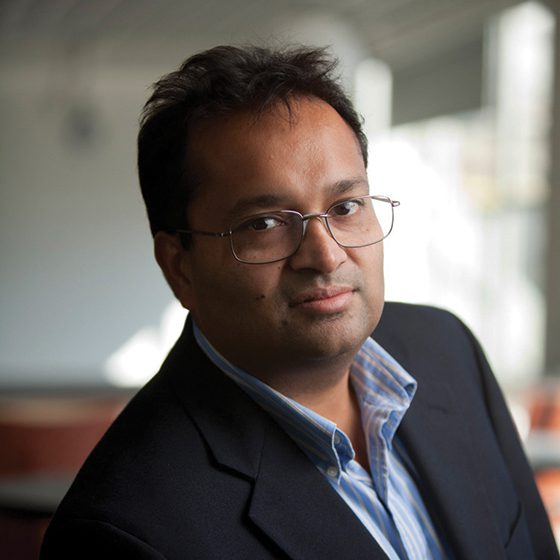
Jiju Antony is a Professor at Northumbria University , specializing in quality management, Lean Six Sigma, and operational excellence. His research bridges industrial engineering, sustainability, and service sector optimization through rigorous academic inquiry and cross-industry collaboration. University: Northumbria University Email: jiju.antony@northumbria.ac.uk His research interests include: Quality Management Systems Lean Six Sigma Implementation Continuous Improvement Methodologies Sustainable Operations Industry 4.0 Integration Digital Transformation in Business Processes Recent publications focus on leveraging Lean Six Sigma for UNSDG compliance , Quality 4.0 in digital industries, and ESG performance enhancement through Kaizen practices. His work spans manufacturing, logistics, and healthcare sectors, emphasizing pandemic operational resilience.
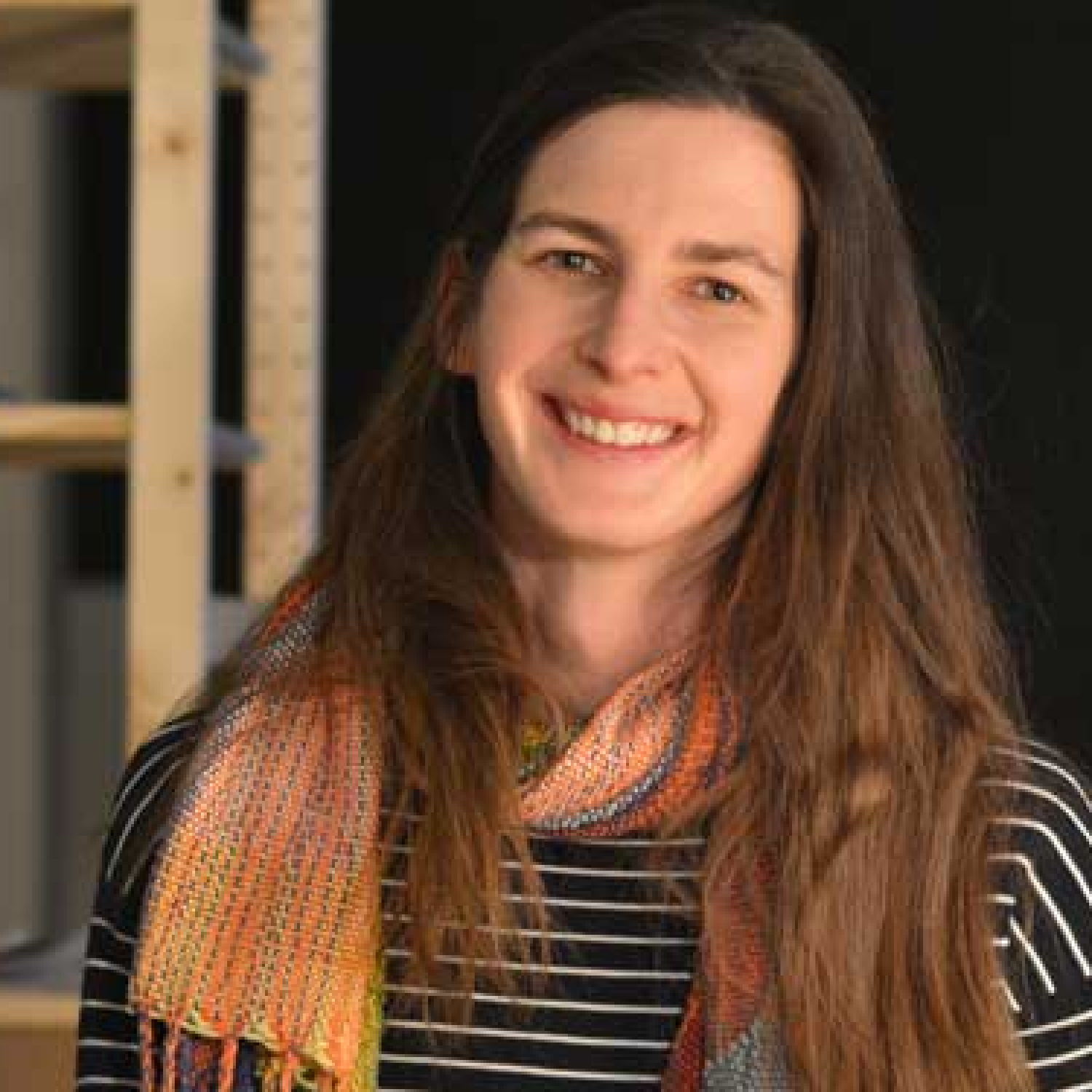
Laura Devendorf is an Associate Professor at the ATLAS Institute and Department of Information Science at the University of Colorado Boulder. As director of the Unstable Design Lab, she bridges human-computer interaction (HCI), computational design, and craft practices through smart textiles and collaborative innovation. BFA in Studio Art and BS in Computer Science from University of California Santa Barbara PhD in Information Science from UC Berkeley Research Interests focus on smart textiles as a medium to challenge human-machine relationships, with projects exploring: Computational design tools for weaving Gendered labor in technology Biodegradable materials for wearables Interdisciplinary collaboration with craftspeople Speculative design practices Human-fungi relationships Recent Research Trends demonstrate her leadership in: AdaCAD software for parametric weaving Desktop biofiber spinning systems Interactive hygromorphic textiles Material-led HCI frameworks Scientific Recognition : Best Pictorial Award (TEI '23) Best Paper Honorable Mention (DIS ’22) Honorable Mention (CHI EA ’20) Best Pictorial Honorable Mention (DIS ’22) Collaborations & Grants : NSF CAREER Grant (2020) for smart textiles innovation Extensive partnerships with Mirela Alistar, Kristina Andersen, and others Advancing open-source tools like AdaCAD and Desktop Bio-spinning
Joseph Frey is an Assistant Professor in the Department of Social Work at the University of North Texas. His research focuses on stigma-related issues affecting marginalized populations, including LGBTQ+ communities and families involved in social service systems. He examines intersections between mental health, criminal justice policies, and child welfare, with a particular emphasis on adverse childhood experiences (ACEs) and parenting support mechanisms. His work utilizes both quantitative and qualitative methods to address systemic barriers in service provision. Key themes include the impact of regional cultural attitudes on sexual identity stigma in the American South, the role of probation officer networks in connecting individuals with mental health resources, and strategies to enhance parental self-efficacy in under-resourced communities. Dr. Frey has published extensively on topics such as Head Start program effectiveness, latent class analysis of ACEs, and peer support interventions for fathers. His scholarship bridges academic research with practical applications in social work practice and policy development.
Dr. Chutima Boonthum-Denecke is a Professor in the Department of Computer Science at Hampton University's School of Science. She joined Hampton University in 2006 as an Assistant Professor and now serves as Director of the Information Assurance and Cyber Security Center (IAC@HU). She leads the NSF CyberCorps Scholarship for Service program and has contributed to NSF initiatives like ARTSI and STARS Alliances. Her educational background includes a Ph.D. in Computer Science from Old Dominion University (2007), an MS in Applied Computer Science from Illinois State University (2000), and a BS in Computer Science from Srinakharinwirot University (1997). Dr. Boonthum-Denecke's research integrates artificial intelligence, natural language processing, and cybersecurity. Key interests include: Developing intelligent tutoring systems and educational games Secure coding practices for software engineering NLP applications in information retrieval and assessment tools Cyber-physical security for IoT and robotics Her recent publications (2016-2021) focus on machine learning applications in cybersecurity, including sentiment analysis for threat detection, blockchain-enhanced IoT security, and vulnerability assessments of emerging technologies. Collaborative work with students frequently addresses privacy ethics in AI assistants, RFID implants, and cloud systems. She mentors students through the IAC@HU lab, resulting in award-winning conference presentations on cybersecurity topics. As Principal Investigator of NSF CyberCorps, she oversees scholarship programs that bridge academic research with national security needs.
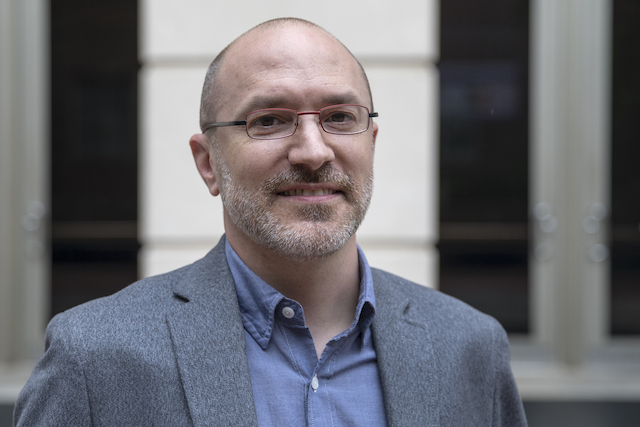
Ali Yaycıoğlu is an Associate Professor of History at Stanford University, serving as Director of the Abbasi Program in Islamic Studies and Middle Eastern Studies Forum. His work focuses on Ottoman Empire and Modern Turkey, integrating digital tools to analyze political, economic, and legal institutions. He holds affiliations with the Center on Democracy, Development and the Rule of Law, and the Freeman Spogli Institute for International Studies. B.S. in International Relations (Middle East Technical University, 1994) M.A. in History (Bilkent University, 1997) Graduate Studies in Islamic Studies (McGill University, 1998) Ph.D. in History and Middle Eastern Studies (Harvard, 2008) His research explores Ottoman political and financial systems, with current projects examining debt networks (The Order of Debt) and Ottoman political communities. He leads digital initiatives like Charting the Empire and Mapping Ottoman Epirus, using spatial analysis to map fiscal records and power structures. His work bridges historical analysis with digital humanities, producing visualizations of Ottoman networks. Notable publications include Partners of the Empire (2016) and essays on Ottoman global connections. He co-edited a special digital humanities issue of the Journal of Ottoman and Turkish Studies (2023). His research has been supported by grants including the Stanford Data Science Seed Grant (2018). Yaycıoğlu advises the Stanford Ottoman World Series and engages in public scholarship through media commentary on Turkish politics. His artistic projects under 'Critical Imagination' explore historical themes through visual arts, further bridging academic and creative domains.
Wen Xue is a Professor at UMass Chan Medical School, affiliated with the RNA Therapeutics Institute within the T.H. Chan School of Medicine. She holds multiple additional roles across departments such as the Program in Molecular Medicine, Cancer Biology, and Biochemistry and Molecular Biotechnology at the Morningside Graduate School of Biomedical Sciences. Her research focuses on developing genetic models for liver and lung cancer using CRISPR/Cas9 and RNAi tools. Key areas include CRISPR-mediated genome editing for cancer gene discovery, KRAS inhibition mechanisms, and miRNA networks in lung cancer. She has secured grants from NIH, American Cancer Society, and others. Awards include the NIH Director’s New Innovator Award and Lung Cancer Research Foundation grants. Her lab actively recruits postdoctoral researchers and offers rotation projects in CRISPR technology and cancer biology. Education: B.S. and M.S. in Biochemistry from Nanjing University; Ph.D. in Biochemistry from State University of New York, Stony Brook. Research Interests: Wen Xue’s lab employs CRISPR tools to accelerate cancer gene validation and therapeutic target identification. Projects include: CRISPR-based liver cancer gene correction and oncogene deletion studies. Investigating KRAS inhibition resistance via RNAi and CRISPR in lung cancer models. Characterizing miRNA networks using TCGA data to identify therapeutic miRNA candidates. Her work bridges functional genomics with precision medicine, emphasizing in vivo and in vitro platforms. Publications: Over 100 peer-reviewed articles, including high-impact studies on CRISPR applications in gene therapy and cancer modeling. Recent work explores prime editing, base editing, and viral/non-viral delivery systems for lung diseases. Grants & Awards: NIH grants (P01HL131471, DP2HL137167), American Cancer Society (RSG-16-093), and industry partnerships like the Cystic Fibrosis Foundation. Collaborations include projects on CFTR mutation repair and AAV vector development. Labs/Teams: Xue Lab focuses on cancer genetics and gene editing, with interdisciplinary collaborations in molecular medicine and bioengineering. Ongoing projects aim to translate CRISPR-based therapies into clinical applications.
Dr. Maren Elfert is a Senior Lecturer in International Education at King’s College London, part of the School of Education, Communication & Society. She is affiliated with the Centre for Public Policy Research (CPPR). Previously, she worked at the UNESCO Institute for Lifelong Learning (2000s), earned her PhD in 2016 from the University of British Columbia, and completed a postdoctoral fellowship at the University of Alberta (2017-2018). Education: PhD in Education, University of British Columbia (2016) Professional History: UNESCO staff member (over a decade), Postdoctoral Fellow (University of Alberta), King’s College London faculty since 2019. Her research focuses on global governance of education, particularly the influence of international organizations like UNESCO, OECD, and the World Bank. She explores historical and contemporary dynamics shaping educational concepts and policies, including lifelong learning and the Sustainable Development Goals (SDGs). Her work emphasizes the interplay between international agendas and localized educational practices. Key research outputs include the book Global Governance of Education (2023) and articles examining SDG4’s role in global education policy. Her grants include SSHRC and Spencer Foundation fellowships, along with a British Academy/Leverhulme grant. Awards: SSHRC Postdoctoral Fellowship National Academy of Education/Spencer Foundation Fellowship British Academy/Leverhulme Small Grant Dr. Elfert advises PhD students on international education, global governance, and the historical role of international organizations. She leads the Diffusion of Global Education Policies project funded by the British Academy (2023–2025). Her affiliations include the King’s International Education Research Network, focusing on global education challenges.
Dr. Angelina Vernetti is a Research Scientist at Yale University's Child Study Center, affiliated with the Social and Affective Neuroscience of Autism (SANA) Program. She holds a PhD in Developmental Neuropsychology from Birkbeck, University of London, and completed postdoctoral training at Yale. Her research focuses on social attention, reinforcement learning, and emotional regulation in children with autism, using advanced methodologies like eye-tracking and physiological recordings. Education: PhD in Developmental Neuropsychology, Birkbeck, University of London (2018) MSc in Neurosciences and Neuropsychology, University of Toulouse (2010) BSc in Cell Biology, University of Angers (2008) Research Interests : Dr. Vernetti investigates the neural and behavioral foundations of social difficulties in autism, including social attention mechanisms, emotional regulation abnormalities, and language processing deficits. Her work integrates experimental paradigms with neuroimaging and physiological measures to identify biomarkers for early intervention. Collaborations: She collaborates with prominent researchers like Katarzyna Chawarska and Suzanne Macari, focusing on neurodevelopmental mechanisms and translational research. Her team explores innovative approaches to autism assessment, including live eye-tracking and puppet-based interventions. Labs & Affiliations: Member of the Chawarska Lab and the Center for Brain & Mind Health. Active in training undergraduate, postgraduate, and doctoral students in autism research methodologies.
Professor Ravi Shukla is a faculty member at RMIT University's School of Science, holding the title of Professor and Deputy Head of Department (Research). He specializes in Nanobiotechnology, with research spanning biomaterials, drug delivery systems, and medical diagnostics. His work integrates biosciences, materials science, and food technology to advance understanding of nanomaterial-biomolecular interactions. Academic History: Professor Shukla has held roles at RMIT since 2011, progressing from Research Fellow to his current professorship. He also serves as an Adjunct Professor at the University of Missouri and Theme Leader for Nanobiotechnology at RMIT’s Center for Advanced Materials and Industrial Chemistry. His teaching focuses on fostering student belonging and innovation in biotechnology education, including coordinating RMIT’s undergraduate Biotechnology program. Research Interests: His lab explores hybrid biomaterial synthesis, nano-enabled proteomics, and non-viral gene therapy using MOFs. Recent work emphasizes applications in diabetes biosensing, CRISPR/Cas9 delivery, and antimicrobial resistance mitigation through nanostrategies. Over 130+ publications and substantial research funding highlight his interdisciplinary impact. Professional Engagement: Editor roles in Frontiers in Bioengineering and Biotechnology , Co-Editor-in-Chief of Current Research in Nutrition and Food Science , and advisor to the Australasian Association of Ayurveda underscore his leadership. He actively mentors students in projects like nano-antimicrobial wound healing and aptamer-based hepatitis A detection. Key Achievements: Pioneered nucleic acid-encapsulated MOFs for cancer therapy and developed paper-based biosensors for rapid diagnostics. His work aligns with UN Sustainable Development Goals 2 (Zero Hunger) and 3 (Good Health).
Mark Thouin is a Clinical Professor of Information Systems and Associate Dean for Graduate Programs - Academic Operations at The University of Texas at Dallas (UT Dallas), Jindal School of Management. He holds an MBA from George Mason University and a PhD from Texas Tech University. His research focuses on IT business value, experiential learning, and postsecondary leadership, with notable contributions to information systems curriculum development and agile methodologies. He teaches courses like Business Analytics with SAS and Agile Project Management. His awards include the Outstanding Undergraduate Teaching Award from UT Dallas Jindal School of Management and AITP Region 3 Star Performer of the Year. His recent articles emphasize competency models in information systems education, experiential learning simulations for agile methodologies, and curriculum standards through collaborations like ACM/AIS IS2020 initiatives. Education: PhD, Texas Tech University, 2007 MBA, George Mason University, 2004 BS, Virginia Tech, 1992 Professional Organizations: Association for Information Systems (AIS) Society for Information Management Association for Computing Machinery His work bridges academic curriculum design with industry needs, particularly through competency-based frameworks and experiential learning approaches. He has contributed to global standards for information systems graduate programs (MSIS 2016) and undergraduate curriculum guidelines (IS2020).
Lei Lei is an Associate Professor at the University of Guelph, specializing in Computer Engineering. Her research focuses on Machine Learning/Deep Reinforcement Learning, Internet of Things (IoT)/Internet of Vehicles (IoV), Mobile Edge Computing, and Smart Grid Optimization. She explores cutting-edge applications in energy-efficient systems, autonomous vehicles, and intelligent transportation networks. Her work integrates advanced AI techniques with real-world challenges in communication and control systems. Key research areas include optimizing electric vehicle charging schedules using hierarchical deep reinforcement learning and enhancing vehicular networks through 6G communication protocols. She has pioneered methods for joint communication-control systems, securing federated learning models, and developing robust resource allocation strategies in IoT and edge computing environments. Lei Lei’s publications emphasize interdisciplinary solutions, bridging computer science, electrical engineering, and transportation systems. Her recent work addresses challenges in smart grid security, multitimescale control systems, and the application of AI tools like ChatGPT in connected vehicles. She is affiliated with the AI Affiliated Faculty at the University of Guelph, reflecting her contributions to artificial intelligence research.
Amit Lal is a Professor in the School of Electrical and Computer Engineering at Cornell University, with affiliations in Biomedical Engineering, Applied Engineering Physics, and Mechanical and Aerospace Engineering. He is a member of key research centers including Cornell CCMR, NBTC, and KAUST-CU. Education: B.S. in Electrical Engineering, California Institute of Technology, 1990 Ph.D. in Electrical Engineering, University of California, Berkeley, 1996 Prof. Lal's research focuses on the development of integrated microsystems using micro- and nanoscale fabrication. His work spans ultrasonic MEMS, low-power IoT sensors, atomic microsystems, and bio-robotics. He directs the SonicMEMS Laboratory, advancing technologies in GHz ultrasonics, inertial sensing, and chip-scale manipulation of particles. His interdisciplinary interests include biomedical imaging, solid-state devices, nanotechnology, and plasma science. His recent publications highlight innovation in energy harvesting, MEMS gyroscopes, and biologically integrated systems. The works reflect strong trends in autonomous sensing, miniaturized power sources, and hybrid bio-electromechanical systems, particularly for medical and navigation applications. Scientific Awards and Honors: NSF CAREER Award Whitaker Foundation Award Department of Defense Exceptional Service Award Best Program Manager Award, DARPA IEEE Ultrasonics and Frequency Control Symposium Best Paper Award IEEE NEMS Best Paper Award Robert M. Scharf 1977 Professor, Cornell Engineering HHMI Visiting Scientist, Janelia Farms Intel Fellowship (awarded to advisee) Prof. Lal has advised numerous students who have gone on to win awards and publish impactful research. He has secured significant research funding through DARPA and other agencies, managing and initiating multiple high-impact programs. His leadership extends to service on technical committees for IEEE conferences and journals, including Transducers and the IEEE Sensors Council. He has also contributed to academic recruiting within ECE. He leads the SonicMEMS Laboratory , a multidisciplinary research group focused on transforming sensing, communication, and computation at the microscale. The lab fosters collaboration across engineering and life sciences, pushing the boundaries of what integrated microsystems can achieve.
Christiane Barz is a Professor of Mathematics at the University of Zurich's Institute for Business Administration since 2016. Previously, she held academic roles at the UCLA Anderson School of Management, the Chicago Booth School of Business, and the Technical University (TU) Berlin. Her research focuses on stochastic dynamic systems, Markov decision processes, and their applications in revenue management. She emphasizes making mathematical tools accessible and practical for real-world problem-solving, particularly in optimizing decision-making under uncertainty. Education includes a degree in industrial engineering and a doctorate from the University of Karlsruhe (TH), Germany. Her career path includes postdoctoral research at the University of Chicago's Booth School of Business and roles as an Assistant Professor at UCLA. She combines academic excellence with balancing family life, advocating for gender equity in STEM fields. Her research explores risk-sensitive decision-making frameworks, dynamic pricing models for transportation and healthcare, and optimizing resource allocation in complex systems. Recent work includes applications in FlixBus, air cargo networks, and improving patient admission scheduling in hospitals. Barz's teaching philosophy prioritizes demystifying mathematics for students, encouraging critical engagement rather than fear of complexity. She collaborates with industry partners to apply operations research methods to real-world challenges, emphasizing both theoretical rigor and practical relevance.
L. Taylor Phillips is an Associate Professor in the Department of Management & Organizations at the Leonard N. Stern School of Business, New York University, where she has been a faculty member since 2016. She holds a Ph.D. in Business Administration and a B.A. in Psychology and Human Biology, both from Stanford University. Ph.D., Business Administration, Stanford University B.A., Psychology and Human Biology, Stanford University Her research centers on the psychology of privilege, inequality, and diversity, with a focus on how advantaged groups perceive and respond to inequity. She investigates how privilege shapes beliefs and behaviors, particularly in organizational contexts, and how to engage privileged individuals in diversity and inclusion efforts. Her work integrates social psychology with organizational behavior, using experimental, longitudinal, and field methods to study hierarchy, power, race, gender, and social class. Her recent publications explore themes such as allyship effectiveness, discrimination recognition, denial of class privilege, and group-based hierarchies. These works appear in premier journals including the Journal of Personality and Social Psychology , Academy of Management Annals , and Organizational Behavior and Human Decision Processes , reflecting interdisciplinary impact across management, psychology, and sociology. Notable scientific awards and recognitions include: Early Career Award, International Society for Justice Research (2023) Rising Star Early Career Award, Association for Psychological Science (2021) Best Undergraduate Professors, Poets & Quants (2020) DARE Doctoral Fellowship, Stanford University (2014) NSF Graduate Research Fellowship (2011) Dr. Phillips advises on organizational DEI strategy and is a SPARQ Faculty Affiliate at Stanford University, applying research to real-world challenges. She has taught courses in Management and Organizations and Research Methods, mentoring future scholars and practitioners. Her work is supported by prestigious fellowships and appointments, including affiliations with the Clayman Institute for Gender Research and the Society for Personality & Social Psychology. She leads a research program that combines theoretical rigor with practical relevance, aiming to transform how organizations understand and manage social hierarchies. Her lab employs diverse methodologies, including physiological and cognitive tools, to uncover the mechanisms underlying privilege and inclusion.
Anne Holland is Professor of Physiotherapy and Head of Respiratory Research at Monash University and Alfred Health in Melbourne, Australia. She is an NHMRC Leadership Fellow (2021–2025) and a Chief Investigator for the NHMRC Centre of Research Excellence in Pulmonary Fibrosis and the NHMRC Centre of Research Excellence in Treatable Traits. Her research focuses on supportive therapies for chronic respiratory diseases, particularly COPD and pulmonary fibrosis, with a strong emphasis on pulmonary rehabilitation, telerehabilitation, and ambulatory oxygen therapy. Her research interests include: Respiratory physiotherapy Pulmonary rehabilitation (home-based and low-cost models) Access to care for chronic lung disease Telerehabilitation and digital health Symptom management in interstitial lung disease Exercise training and physical activity promotion Her recent publications focus on symptom management, digital self-management tools, treatable traits models, and clinical trials in pulmonary fibrosis and COPD. The body of work reflects a strong trend toward patient-centered, accessible, and evidence-based interventions that improve quality of life and clinical outcomes in chronic respiratory conditions. Her major scientific awards include: Society Medal, Thoracic Society of Australia and New Zealand (2021) European Respiratory Society Gold Medal for Allied Health Professionals (2022) NHMRC Investigator Fellow (Leadership 1) (2021) Fellow, Thoracic Society of Australia and New Zealand (2019) American Thoracic Society Pulmonary Rehabilitation Assembly Award (2016) Anne Holland supervises PhD students and is actively involved in advising and grant leadership. She is the Primary Chief Investigator on major trials such as the PERFORM trial and the TAPPET trial, and she leads a multinational ambulatory oxygen trial for fibrotic lung disease. Her work is supported by NHMRC and international collaborations. She is also President of the Thoracic Society of Australia and New Zealand, reflecting her leadership in the field. Anne leads the Holland Respiratory Care Research Group at Monash, which focuses on innovative models of care delivery, validation of remote monitoring tools, and improving patient self-management in chronic lung disease. The team collaborates widely across Australia and internationally, particularly in trials involving pulmonary rehabilitation and treatable traits.