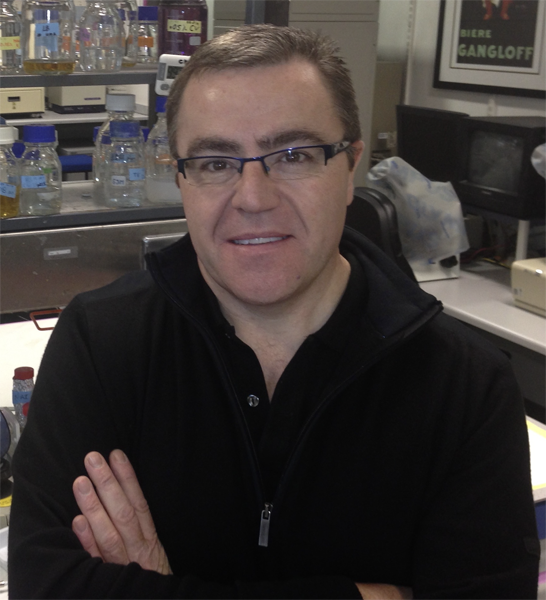
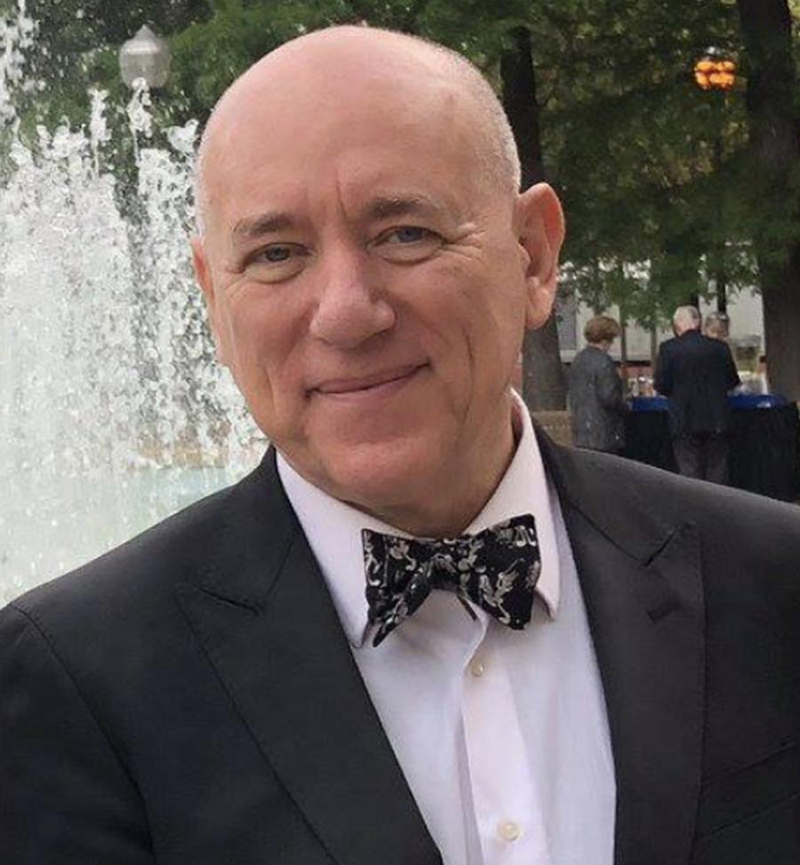
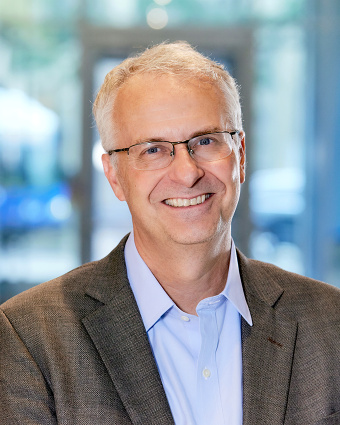
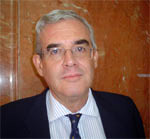
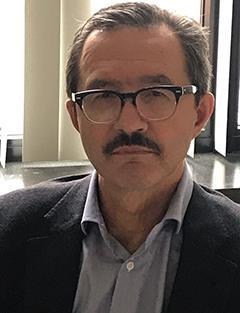
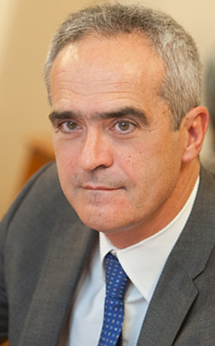
Seamus Martin is the Smurfit Professor of Genetics at Trinity College Dublin, Ireland, leading the Smurfit Institute of Genetics. His research focuses on programmed cell death, inflammation, and cancer links. He holds a PhD from the National University of Ireland and completed postdoctoral training at University College London and the La Jolla Institute for Immunology. He has been recognized with prestigious awards including the ERC Advanced Grant (2021), Boyle Medal (2014), and election to EMBO (2009) and the Royal Irish Academy (2006). He co-authored 'Essential Immunology' textbooks and serves as Editor-in-Chief of The FEBS Journal. His lab has produced >40,000 citations (Clarivate) and graduated over 20 PhD students. Education: PhD, National University of Ireland, 1990 Postdoctoral Fellowships at UCL (1990–1993) and La Jolla Institute (1993–1996) Research Interests: Apoptosis mechanisms and inflammation IL-1 family cytokine activation ER stress and cell death pathways Awards: ERC Advanced Grant (2021) RDS-Irish Times Boyle Medal (2014) EMBO Membership (2009) Lab Contributions: Key discoveries include annexin V labeling for apoptosis detection Unraveled caspase activation cascades Discovered IL-36/IL-37 cytokine activation mechanisms
Gerry Melino is a full-time Professor of Biochemistry at the Faculty of Medicine , University of Rome Tor Vergata, and has served as Director of the Department of Experimental Medicine and Surgery since 2008. He has held prominent academic roles globally, including Programme Grant leadership at the Medical Research Council (MRC) Toxicology Unit in Cambridge, UK, and advisory/supervisory roles at institutions such as the Saint Petersburg Institute of Technology and Shanghai Jiao Tong University. His research focuses on programmed cell death, intersecting biochemistry, molecular biology, neuroscience, and cancer research.
Mrs. Danielle White is a Lecturer at the Rural Clinical School (Broken Hill) under the University of Sydney's Primary Healthcare Department. Her work focuses on advancing rural nurse education and addressing health inequities through cross-sector collaborations and primary health care innovations. Her research spans rural healthcare delivery, nursing education models, and public health advocacy. Key themes include longitudinal integrated nursing placements, cross-sector partnerships, and improving health outcomes for vulnerable populations in rural Australia. Driven by community engagement, her work emphasizes integrated health literacy and transformative approaches to healthcare access. Recent publications highlight her contributions to pandemic-era clinical education, school-based health advocacy, and rural health workforce development. She co-authored studies on nurse-led primary care systems and the healthcare needs of rural children, demonstrating expertise in both clinical practice and policy. Ms. White holds a Registered Nurse qualification, enhancing her academic work with practical clinical insights. Her research consistently bridges education, policy, and direct service delivery to strengthen rural health systems.
Dr Andrew Williams is a Conjoint Senior Lecturer at the School of Medical Sciences, University of Sydney. His research focuses on infection and immunological conditions, with particular expertise in child health, immune system diseases, and infection-related immunity. He is affiliated with the Faculty of Medicine and Health, contributing to clinical specialties like pathology and immunology. His research themes include infection and immunological conditions, leveraging approaches such as clinical pathology to address pediatric and immunological challenges. Key areas include coeliac disease screening, mitochondrial disorders, and immunodeficiency syndromes. Publications highlight his contributions to understanding genetic mutations in immune disorders, diagnostic biomarkers for mitochondrial diseases, and clinical applications of immunomodulatory therapies. His work spans over two decades, with recent focus on pediatric acute care and chronic granulomatous disease. Phone: 9845 3324 Email: andrew.williams@sydney.edu.au No academic awards or funded grants are explicitly listed in the provided text.
David A. Harris is the Edgar Minas Housepian Professor and Chair of the Department of Biochemistry at Boston University's Chobanian & Avedisian School of Medicine. His research focuses on the molecular mechanisms of neurodegenerative diseases, particularly Alzheimer’s disease and prion disorders. He leads a multidisciplinary lab exploring protein misfolding, neurotoxicity, and therapeutic interventions. Research Interests: Harris investigates how misfolded proteins (e.g., PrPSc and Aβ oligomers) cause neuronal damage and synaptic dysfunction. His lab identifies cellular receptors and pathways involved in neurodegenerative processes, aiming to develop drugs targeting these mechanisms. Key areas include prion propagation, Alzheimer’s amyloid-beta toxicity, and the role of non-neuronal cells in disease progression. Lab Team: The Harris Lab includes PhD students (Jean Gatdula, Nadia Mirza-Romero, Isabel Orbe, Samantha Tolton), postdoctoral associates (Jose Andres Alepuz Guillen), and technical staff. Current projects involve iPSC models, drug screening, and understanding prion strain specificity. Therapeutic Focus: Recent work highlights antiprion compounds (e.g., sigma receptor ligands) and neuroprotective strategies. Collaborations span basic biology to translational research, with a focus on drug discovery for protein misfolding diseases. Advising & Grants: Harris mentors graduate and undergraduate students, emphasizing interdisciplinary approaches. His lab hosts postdoctoral positions and has received support for projects targeting prion and Alzheimer’s therapies. Labs/Teams: The Harris Lab is part of the Biochemistry & Cell Biology program at BU, leveraging cutting-edge techniques in molecular biology, cell culture, and drug screening. Future efforts aim to bridge basic science with clinical applications in neurodegenerative disease treatment.
Matthew Vander Heiden is the Director of the Koch Institute for Integrative Cancer Research at MIT, serving as the Lester Wolfe (1919) Professor of Molecular Biology and a Professor of Biology. He is also a member of the Broad Institute of MIT and Harvard and an oncologist at Dana-Farber Cancer Institute/Harvard Medical School. His research focuses on cancer metabolism, exploring how metabolic pathways support tumor growth and inform therapeutic strategies. Education: MD and PhD from the University of Chicago, residency at Brigham & Women's Hospital, and a hematology-oncology fellowship at Dana-Farber/Massachusetts General Hospital. Postdoctoral training under Lewis Cantley at Harvard Medical School. Research Interests: Cancer cell metabolism, metastasis mechanisms, metabolic reprogramming in tumors, and the role of diet in disease progression. His lab's work includes studying nutrient utilization by cancer cells, metabolic dependencies, and translational approaches for precision medicine. Key Achievements: Election to the National Academy of Medicine in 2024 for contributions to cancer therapy development. Serves on scientific advisory boards for institutions like Yale Cancer Center and Agios Pharmaceuticals, and is part of investment advisory boards for DROIA and MPM Capital. Labs/Teams: Leads the Vander Heiden Lab at MIT, investigating metabolic pathways in cancer and their therapeutic potential. Collaborates with industry and academia to advance cancer metabolism research.
Hen-Ming Wu is a Research Professor in the Department of Biochemistry and Molecular Biology at the University of Massachusetts Amherst. He holds a PhD from Yale University and completed postdoctoral training at Harvard University. His research focuses on signal transduction pathways in plant hormone responses and reproduction, particularly in pollen tube growth and auxin signaling. Education: PhD: Yale University Postdoctoral Training: Harvard University Research Interests: His work explores two major areas: (1) the molecular mechanisms governing directional pollen tube growth during plant sexual reproduction, including female signal molecules, receptor kinases, and cytoskeletal dynamics; and (2) auxin signaling pathways and their role in gene expression regulation. Key molecules under investigation include RAC/ROP GTPases, FERONIA receptor kinase, and RALF peptides. Recent Research Trends: Recent publications highlight advancements in understanding FERONIA-mediated signaling, RALF peptide functions in reproductive barriers, and hydrogen peroxide visualization techniques. His work bridges cell biology and molecular genetics to uncover how external stimuli drive cellular responses in plants. Grants and Advising: While specific grants are not listed, his extensive publication record indicates sustained research activity. Advising details are unavailable in the provided text. Labs/Teams: Wu’s laboratory focuses on live-cell imaging and biochemical approaches to study plant cell signaling, collaborating with experts in microscopy and computational biology.
Min Wu is an Associate Professor in the Department of Cell Biology at Yale University, part of the Yale School of Medicine. She holds affiliations with the Biochemistry, Quantitative Biology, Biophysics and Structural Biology (BQBS) program, the Cell Biology Center, the Cancer Signaling Networks group, the Center for Biomedical Data Science, and the Molecular Cell Biology, Genetics, and Development program. Her research focuses on cellular oscillations, membrane curvature dynamics, and cell size homeostasis. Prior to Yale, she was an Associate Professor at the National University of Singapore and a National Research Foundation Fellow. Education: BSc in Chemistry from Peking University (2000), DPhil in Chemistry from Cornell University (2006). Postdoctoral training at Yale University under Pietro De Camilli. Her work bridges cell biology, biophysics, and systems biology, with key contributions to reconstituted endocytic systems and cortical wave mechanisms. Research Interests: Endocytic trafficking mechanisms, actin wave dynamics, phosphoinositide signaling, and the biophysical principles governing cell size and shape. Her lab investigates how oscillations and waves coordinate cellular processes, with implications for cancer signaling and developmental biology. Awards: Recognized as a National Research Foundation Fellow. Her research has been highlighted in high-impact journals like Nature Cell Biology, Developmental Cell, and Cell Reports. Collaborations span disciplines, including with the Mechanobiology Institute and the Center for Bioimaging Sciences. Labs/Teams: Leads the Wu Lab, which employs advanced microscopy and systems approaches to study single-cell dynamics. Engages in interdisciplinary projects, integrating computational modeling with experimental cell biology.
Jesús Avila serves as a Research Professor at the Spanish National Research Council (CSIC), specializing in molecular neuropathology with focus on tau protein mechanisms in neurodegenerative disorders. His work is affiliated with the Molecular Neuropathology program at the Center of Molecular Biology Severo Ochoa, a joint institution of CSIC and the Autonomous University of Madrid. Previously, he directed this center during 1984-1986 and 2002-2004. Avila's research centers on tauopathies, particularly Alzheimer's disease pathogenesis. His investigations explore tau protein's role in neuronal cytoskeleton disruption, mechanisms of tau hyperphosphorylation via GSK-3beta, extracellular tau neurotoxicity, and caspase activation pathways. His experimental approaches utilize transgenic mouse models to dissect molecular pathways linking tau dysfunction to hippocampal degeneration and cognitive deficits. Analysis of his 2010 publications reveals a cohesive research trajectory examining tau-GSK-3beta interactions across multiple experimental systems, with consistent focus on therapeutic intervention points for neurodegenerative processes. His work bridges basic molecular mechanisms with translational implications for Alzheimer's disease treatment. Key scientific recognitions include: National Research Award Santiago Ramón y Cajal Lilly Foundation Award in Biomedical Research Pfizer Prize Foundation for Aging and Quality of Life Medal of the University of Helsinki Membership in the Royal Academy of Exact, Physical and Natural Sciences As director of the Center of Molecular Biology Severo Ochoa during two distinct periods, Avila demonstrated significant leadership in Spanish neuroscience. His current position within CSIC's Molecular Neuropathology program continues to advance understanding of tau-related neurodegeneration, with implications for diagnostic and therapeutic development in age-related cognitive disorders.
Eleonora Candi is a Full Professor in Molecular Biology at the Department of Experimental Medicine, University of Rome Tor Vergata, and Head of the Biochemistry laboratory at IDI-IRCCS hospital in Rome, Italy. Her research focuses on epithelial development, programmed cell death (apoptosis), and the roles of p63, microRNAs, and long non-coding RNAs in skin biology and squamous cell carcinomas. PhD (1995, Rome) in Skin Biochemistry BSc (1991, Rome) in Biology Her expertise spans epithelial differentiation, cancer epigenetics, and transgenic mouse models. She previously held roles as Assistant and Associate Professor at the same university, with fellowships at NIAMS-NIH (USA) and European laboratories. Her editorial roles include Editor-in-Chief of Discover Oncology and membership on multiple journal editorial boards. Alternate of the Shadow Committee for Horizon Europe (2019–2020) Telethon Research Fellow (1999–2001) ECDO Academy Member (2012–present) Dr. Candi has contributed to 158 scientific articles with an H-index of 53, focusing on p63's oncogenic roles and epigenetic regulation in epithelial cancers. She uses biochemical, molecular, and animal model approaches to study cancer cell fate and therapeutic strategies.
Alexander Poltorak is a Professor and Chair of Immunology at Tufts University School of Medicine. He holds additional appointments in the Graduate School of Biomedical Sciences at Tufts University, including roles in Genetics, Molecular and Cellular Biology, and Molecular Microbiology programs. His research focuses on cell death and inflammation as critical components of host immune defense against pathogens. Doctor of Philosophy, St. Petersburg State Technological Institute (1990) Bachelor of Science, St. Petersburg University of Humanities and Social Sciences (1984) His lab employs forward genetic analysis in wild-derived mice to uncover regulatory mechanisms of programmed cell death (e.g., pyroptosis, necroptosis) and inflammation. Key discoveries include the role of constitutive type I interferon (IFN-I) in maintaining effector molecules for necroptosis, and the STING-mediated DNA-sensing pathway as a driver of inflammatory responses. The 15 most recent publications highlight his work on TNF signaling in pyroptosis, ZBP1-RIPK1 interactions, CD14’s dual role in death and inflammation, and STING’s influence on T cell transmigration. Keywords span Immunology , Cell Death , Inflammation , and Genetic Analysis , with sub-fields like pyroptosis, necroptosis, and interferon signaling. Dr. Poltorak’s teaching includes Advanced Cellular Immunology and 1st Year Journal Club . He has received multiple NIH grants to study DNA responses, inflammatory signatures in COVID-19 , and the genetic basis of immune stress. Current professional activities include speaking engagements at institutions like Dana Farber Cancer Institute and membership in the American Association of Immunologists.
Mary Lou Gaeta is an Assistant Clinical Professor in Pediatric Critical Care Medicine at Yale School of Medicine. She holds dual qualifications: a Medical Degree (MD) from the University of Torino (1993) and a Juris Doctor (JD) from the University of Connecticut School of Law (2015). Her research focuses on immunological mechanisms, particularly tumor necrosis factor (TNF) receptor signaling, histamine's role in inflammation, and traumatic brain injury treatment protocols. She is affiliated with multiple departments including the Pediatric Intensive Care Unit and the Program for Biomedical Ethics. Her work bridges clinical practice and scientific inquiry, with notable contributions to understanding receptor trafficking and Golgi retention in endothelial cells. She collaborates frequently with Jordan Pober and other researchers on immunological pathways. While no formal awards are listed, her publications reflect sustained engagement in critical care and translational medicine. Dr. Gaeta’s advisory roles include mentoring in pediatric critical care and ethics-related initiatives. She maintains active participation in interdisciplinary research teams focused on cellular biology and clinical ethics applications.
Curtis R. Pickering is an Associate Professor of Surgery (Otolaryngology) at Yale School of Medicine, affiliated with the Department of Surgery and Yale Cancer Center. He leads the Pickering Lab, focusing on translational genomics in head and neck cancer. His research includes biomarker discovery for HPV-driven tumors, necroptosis modulation, and radiosensitivity mechanisms. Dr. Pickering earned his PhD in Cell Biology from the University of California, San Francisco, and completed postdoctoral training at MD Anderson Cancer Center. He joined Yale in 2022 after establishing an independent research program at MD Anderson. Education: PhD in Cell Biology, University of California San Francisco (2008) BS in Biochemistry and Molecular Biology, Michigan State University (2001) Postdoctoral Fellow, University of Texas MD Anderson Cancer Center (2014) Research Interests: Dr. Pickering’s lab investigates genomic and epigenetic drivers of head and neck squamous cell carcinoma (HNSCC), focusing on CASP8 mutations, CREBBP/EP300 alterations, and oral leukoplakia progression. Key projects include: Sensitizing HNSCC to necroptosis via CASP8 inhibition Targeting CREBBP/EP300-driven DNA repair mechanisms Deep learning-based biomarkers for oral premalignant lesions Publications: Recent work highlights genomic analysis of conjunctival SCC, immune microenvironment dynamics, and therapeutic strategies for p53-mutant tumors. His team’s deep learning approaches predict cancer progression risks in oral leukoplakia, offering non-invasive diagnostic tools. Labs & Teams: His lab collaborates with institutions like UPMC and UTSW on translational projects. Key partners include the Xiao lab (UTSW) for leukoplakia imaging and the Skinner lab (UPMC) on DNA repair studies.
Rosario Rizzuto is the Magnificent Rector of the University of Padua since 2015, holding the position of Full Professor of General Pathology in the Department of Biomedical Sciences. He also serves as Director of the Department of Experimental Biomedical Sciences and is a member of the Academic Senate of both the University of Padua and the University of Ferrara, where he previously served as Dean of the Faculty of Pharmacy. Dr. Rizzuto completed his Medical degree at the University of Padova in 1986 and earned his PhD in Biology and molecular pathology from the same institution in 1991. After a post-doctoral position at Columbia University in New York, he returned to Italy, serving first as a Technical Officer and then as a Researcher of General Pathology at the University of Padua before becoming a Professor at the University of Ferrara from 1992 to 2008. Rizzuto's research primarily focuses on mitochondrial calcium signaling, with particular emphasis on the mitochondrial calcium uniporter (MCU), which his research group identified in 2011. His laboratory investigates the molecular components of the MCU complex, their regulation, and implications in cellular metabolism, energy production, and disease mechanisms. His work bridges fundamental biochemistry with physiological applications, revealing how mitochondrial calcium handling affects cell survival, death pathways, and metabolic regulation. Analysis of Rizzuto's publication record shows a consistent trajectory of high-impact research centered on mitochondrial calcium regulation. His most significant contributions include the molecular identification of the MCU complex components and their functional characterization. The research demonstrates sophisticated interdisciplinary approaches combining molecular biology, biochemistry, and cell physiology to unravel complex mitochondrial functions with implications for understanding and potentially treating metabolic disorders, neurodegenerative diseases, and cancer. Dr. Rizzuto has received numerous prestigious awards for his scientific contributions: Chiara D'Onofrio Award Biotec Award Theodor Bucher Medal Antonio Feltrinelli award from the Accademia dei Lincei (2014) Rizzuto has secured substantial research funding, most notably the ERC Advanced Grant MITOCALCIUM (2012-2017) providing €2.43 million to investigate "Mitochondrial calcium signaling: molecules, roles and pharmacological targeting." His laboratory has produced over 241 publications in international journals with more than 29,000 citations and an h-index of 91, establishing him as a world leader in mitochondrial research. His work has been supported by various national programs and foundations including Telethon. As Coordinator of the ER-GenTech network laboratory, Rizzuto fosters regional scientific collaboration in the Emilia Romagna region. He serves as an auditor for major international funding agencies including BBSRC and Wellcome Trust, and provides expert review for top scientific journals such as Nature, Science, and Cell. His leadership extends to organizing major scientific conferences, including the 12th International Symposium on Calcium Binding Proteins (2002), EMBO Workshop on "Calcium signaling and diseases" (2004), and the Gordon Research Conference on Calcium Signaling (2011).
Seamus Martin is the Smurfit Professor of Genetics at Trinity College Dublin since 1999. His research explores programmed cell death, inflammation, and cancer, with a focus on apoptosis, autophagy, necrosis, and cytokine biology. Education: PhD, National University of Ireland Research Interests: The Martin laboratory investigates the intersection of cell death, inflammation, and cancer, pioneering techniques like annexin V-labelling for apoptosis detection and elucidating caspase cascades, IL-36 cytokine mechanisms, and ER stress responses. Scientific Awards: ERC Advanced Grant (2021) RDS-Irish Times Boyle Medal (2014) GlaxoSmithkline Award (2006) Wellcome Trust Senior Fellow (1996-2001) Advising & Grants: His lab has graduated over 20 PhD students, many now leading international groups. He has secured major grants including ERC and Wellcome Trust funding. Labs & Teams: The Martin laboratory at Trinity College Dublin's Smurfit Institute of Genetics is a leading center for cell death and inflammation research.