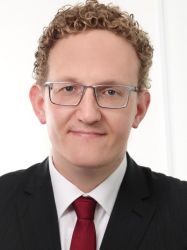
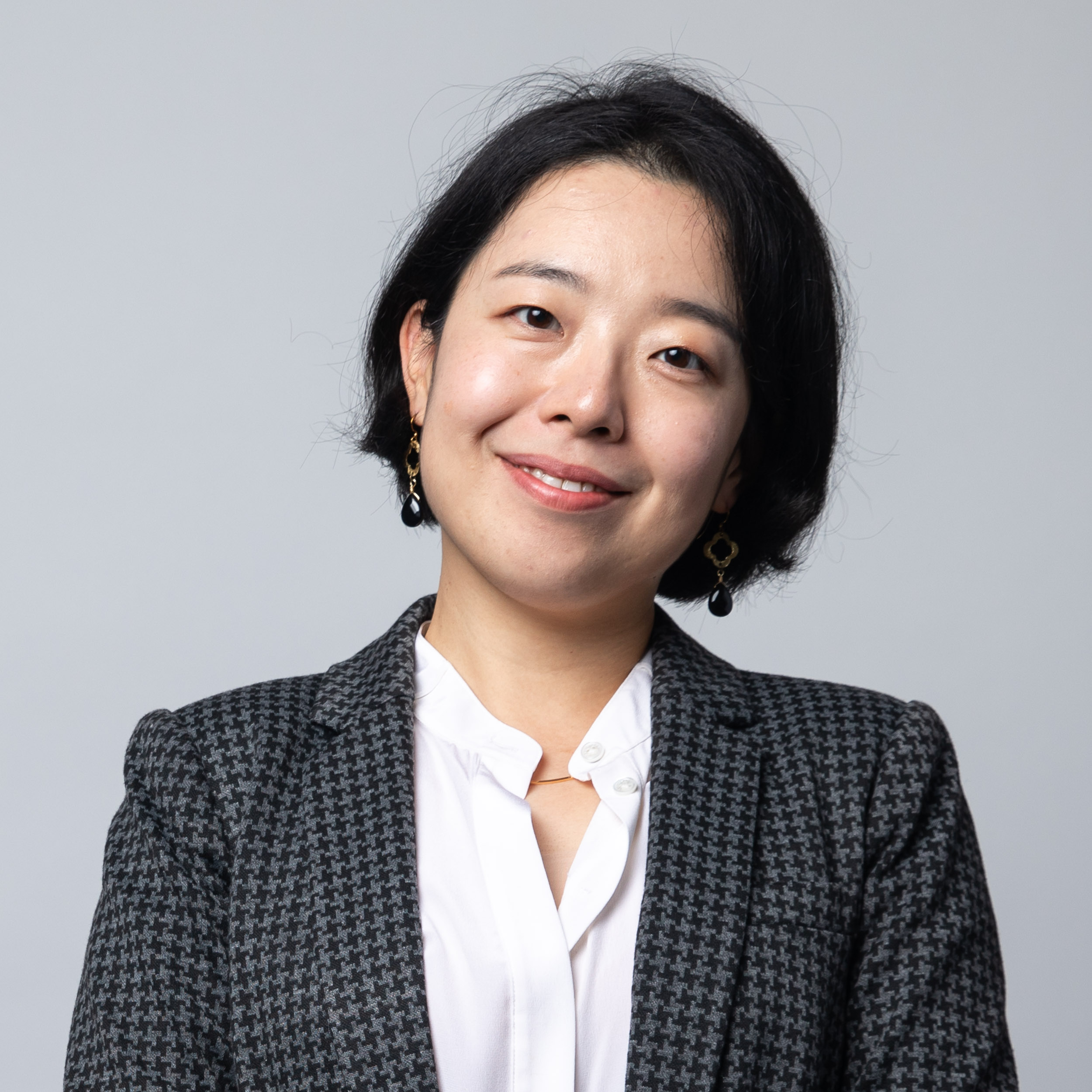
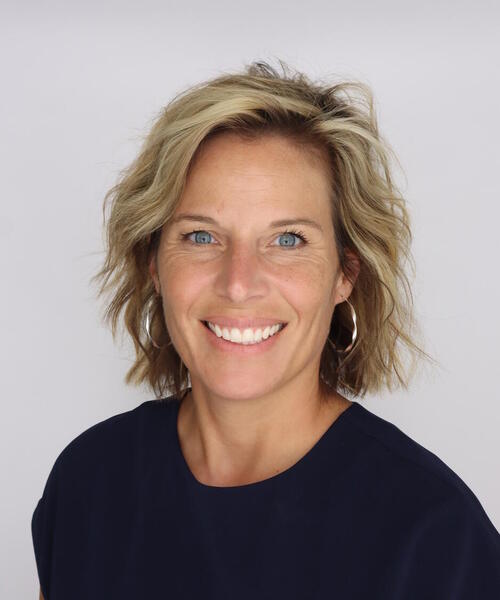
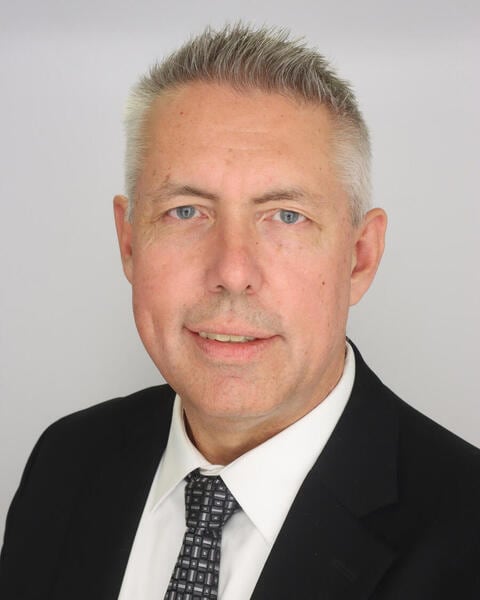
Rene Jackstadt is a Junior Research Group Leader at the Heidelberg Institute for Stem Cell Technology and Experimental Medicine (HI-STEM) . His research focuses on cancer progression and metastasis , particularly in colorectal cancer , with a strong emphasis on stem cell biology , Wnt signaling , and epithelial-mesenchymal transition . He leads the Cancer Progression and Metastasis research group within the Normal and Malignant Stem Cells program. Position: HI-STEM Junior Research Group Leader Location: Im Neuenheimer Feld 280, Heidelberg, Germany Contact: r.jackstadt@hi-stem.de His work involves advanced organoid modeling and genetic manipulation to study tumor evolution and therapeutic vulnerabilities. Current projects explore: Stromal interactions in metastasis Immune checkpoint regulation Tumor microenvironment dynamics Signal transduction in oncogenesis Publications highlight his contributions to understanding: Wnt pathway in cancer MicroRNA regulation of MYC Stress-induced stem cell activation Tumor-immune co-evolution His team includes: PhD Students: Luisa Nader, Manuel Mastel, Gabriele Diamante, Nikolaos Georgakopoulos, Aitana Guiseris Martinez Research Assistant: Raja Flüchter
Dr. Ga-young Kelly Suh is an Assistant Professor in the Department of Biomedical Engineering at California State University, Long Beach (CSULB), with a secondary appointment as an Adjunct Professor in the Department of Surgery – Vascular at Stanford University. She joined CSULB in Fall 2019 after completing her Ph.D. in Mechanical Engineering at Stanford University and a postdoctoral fellowship in Stanford's Department of Surgery – Vascular (2011–2016). Her multidisciplinary research bridges engineering and clinical practice, focusing on computational modeling and medical imaging to optimize endovascular surgeries. Her research integrates computational fluid dynamics, geometric analysis, and clinical data acquisition to study vascular biomechanics. Key interests include: Dynamic behavior of aortic endografts under physiological stresses Medical imaging techniques for 3D vascular reconstruction Predictive modeling of surgical outcomes for aneurysms and dissections Development of low-cost diagnostic tools and educational methodologies Recent publications (2021–2025) emphasize aortic pathologies, stent mechanics, and educational innovations. Over 70% of articles involve computational analysis of vascular dynamics, with emerging work in wearable biosensors and microfluidics. Awards are not documented in available sources. She advises undergraduate and graduate students through scheduled office hours and course guidance (BME 200/311/490B). No grants or lab details are mentioned, though her institutional website references the Cardiovascular Research Center (CVRC).
Amy K. Schmid is Professor of Biology at Duke University's Trinity College of Arts & Sciences, where she leads a research program focused on archaeal molecular biology and gene regulatory networks. She was promoted to full Professor in 2024 after serving as Associate Professor (2018-2024) and Assistant Professor (2009-2018). She is also Associate of the Duke Initiative for Science & Society since 2018. Research Interests: Dr. Schmid's laboratory investigates how microbial cells make decisions in response to environmental cues, with particular focus on molecular networks within free-living archaeal cells. Her work examines how these extremophiles regulate growth under optimal conditions and deploy damage repair systems during stress. She specializes in studying archaeal stress responses, particularly in hypersaline-adapted organisms that survive multiple extreme stressors. Her publication trends reveal a consistent focus on transcriptional regulation in archaea, with increasing emphasis on network evolution, cell decision-making, and the structural basis of regulatory mechanisms. Recent work has expanded into archaeal cytoskeleton, histone function, and metabolic regulation under extreme conditions. Awards & Recognition: NSF CAREER Award (2017-2022) Promoted to full Professor at Duke University (2024) Named to Endowed Bass Connections Professorship (2022) Grant Support: Dr. Schmid maintains an exceptionally strong funding record with multiple concurrent grants from NIH and NSF. Her current major projects include 'Structure, function, and evolution of gene regulatory networks in archaea' (NIH, 2025-2030), 'Transcription network evolution under extreme environmental selection' (NSF, 2024-2027), and 'Transitions: Modeling microbial community metabolic interactions under extreme conditions' (NSF, 2021-2026). She has served as mentor for multiple NIH training grants including the Cell and Molecular Biology Training Program. Research Environment: The Schmid Lab operates at the intersection of microbiology, systems biology, and extremophile research, utilizing cutting-edge genomic, proteomic, and computational approaches to understand fundamental principles of cellular decision-making in archaea.
Dr. Barbara Andrews is a researcher in the Department of Chemical Engineering at the Faculty of Chemical and Pharmaceutical Sciences, Universidad de Chile. Her work focuses on the microbiology of extreme environments, particularly the Atacama Desert, and biochemical separation techniques. She has maintained a consistent research output for over two decades with recent publications extending into 2024. Her primary research interests center on the study of actinomycetes and other extremophiles from the Atacama Desert, one of Earth's most arid environments. Dr. Andrews investigates their taxonomic classification, metabolic capabilities, and biotechnological potential. She also maintains a strong research program in protein separation technologies, particularly aqueous two-phase systems, which has produced influential review articles in the field. Her work bridges fundamental microbiology with practical biotechnological applications, including antibiotic discovery, enzyme production, and microbial contributions to plant growth. Analysis of her recent publication trends shows a clear focus on the microbial ecology of the Atacama Desert, with particular attention to actinomycetes and their unique adaptations to extreme aridity. Her research spans taxonomic studies, metabolic modeling, and the bioprospecting of novel compounds with potential pharmaceutical applications. The interdisciplinary nature of her work connects microbiology, chemical engineering, and environmental science. Dr. Andrews has maintained a productive research program through consistent collaborations, particularly with Dr. Juan Asenjo and other researchers at Universidad de Chile. Her work demonstrates sustained funding support, though specific grant details are not provided in the available publications. She has contributed to special journal issues focused on Atacama Desert microbiology, indicating her recognized expertise in this niche field. Her laboratory appears to focus on the isolation and characterization of extremophilic microorganisms from the Atacama Desert, with particular emphasis on their metabolic capabilities and potential biotechnological applications. The research team likely maintains culture collections of desert microorganisms and employs both traditional microbiological techniques and modern genomic approaches in their investigations.
Mathias Polz serves as a University Assistant and Ph.D. Researcher at Graz University of Technology's Institute of Biomechanics, Austria. His academic journey spans from Bachelor's to Doctoral studies in Biomedical Engineering at the same institution, with concurrent appointments at the Medical University of Graz through collaborative projects since 2020. His educational background includes: B.Sc. Biomedical Engineering (2015-2020, TU Graz) M.Sc. Biomedical Engineering - Biomedical Device Design and Safety (2020-2021, TU Graz) Ph.D. Candidate in Biomechanics (2023-present, TU Graz) Ph.D. Candidate in Health Care Engineering (2023-2025, TU Graz) Polz's research centers on optoelectronic neurostimulation and tissue-inspired biomaterials , with significant contributions to wireless biomimetic stimulators for cellular activation. His work bridges materials science and mechanobiology , focusing on organic semiconductor interfaces for neural and cardiac applications. Recent projects like LOGOS-TBI demonstrate his expertise in light-activated organic semiconductors for cell culture characterization. Analysis of his 8 publications (2022-2025) reveals three dominant research streams: optoelectronic neural stimulation (40% of works), cardiac electrophysiology interfaces (30%), and biomaterial biointegration (30%). His methodology consistently combines in vitro models with computational analysis , frequently employing organic photovoltaic devices for precise cellular activation. His scientific recognition includes: Zagreb Neuroelectronics Symposium Best Poster Award (1st place, 2022) Initiative Gehirnforschung Research Grant (2024) BioTechMed Best Collaborative Paper Award (2024) BioEl Best Poster Award (3rd place, 2025) Polz actively contributes to collaborative research initiatives including the LOGOS-TBI project with Medical University of Graz and B. Braun Melsungen. His grant portfolio features the Initiative Gehirnforschung award supporting neuroelectronics development. Beyond research, he mentors through Graz's Sindbad Program and organizes Pint of Science Austria events, demonstrating commitment to academic outreach. He operates within TU Graz's Biomechanics research ecosystem, collaborating with the Center for Biomarker Research in Medicine and international partners like CREAX (Belgium). His current Ph.D. focuses on wireless biomimetic stimulators for optoelectronic cellular activation , building on prior work with organic photocapacitors for neuronal network stimulation.
Maggie A. DiGuardo, M.D., is an Assistant Professor of Laboratory Medicine at Mayo Clinic College of Medicine, affiliated with the Department of Laboratory Medicine and Pathology in Rochester, Minnesota. She holds dual appointments in Transfusion Medicine and Molecular Genetic Pathology. Medical School: Eastern Virginia Medical School (2014) Residency: University of Virginia (Clinical Pathology, 2017) Fellowships: Mayo Clinic (Transfusion Medicine & Molecular Genetic Pathology, 2018-2019) Dr. DiGuardo specializes in cellular therapies (bone marrow transplants, novel therapeutics) and immunohematology , with research focusing on molecular testing applications in clinical settings. Her recent publications address: Optimization of hematopoietic progenitor cell cryopreservation Transfusion challenges in daratumumab-treated patients Cold agglutinin disease management NUDT15 genetic testing in pediatric leukemia Scientific honors include board certifications in Transfusion Medicine (2019) and Molecular Genetic Pathology (2018). She actively contributes to clinical guidelines through leadership roles such as Co-Chair of the Lab Practices Committee at the International Society for Cellular Therapy (ISCT).
Kaima Tsukada serves as a Postdoctoral Researcher in the Department of Cellular and Molecular Medicine within the Faculty of Health and Medical Sciences at the University of Copenhagen. She holds dual appointments as a Guest Researcher in the Ochs Group and participates in the Molecular Aging Program. Her work focuses on DNA repair mechanisms and genome stability maintenance. Her research interests center on molecular mechanisms of DNA repair, particularly involving Bloom syndrome complex functions, replication fork dynamics, and double-strand break resolution. Key areas include Okazaki fragment processing, Holliday junction dissolution, and RPA-coated DNA sensing pathways. Her work bridges structural biology, cancer genetics, and cellular response to replication stress. Recent publications demonstrate significant contributions to understanding BLM helicase functions and BRCA1-BARD1 coordination in DNA repair. Her 2021 Nature Communications paper has garnered 55 citations and 120 Mendeley readers, while her 2022 PNAS article on Bloom syndrome complex assembly shows substantial academic impact with 15 citations and 45 readers. Dr. Tsukada maintains active collaborations across international research networks, with significant co-authorship ties to institutions in the United Kingdom and Australia. Her laboratory work occurs at dual campus locations: Blegdamsvej 3 and Ole Maaløes Vej 5 in Copenhagen, utilizing advanced molecular biology facilities within the BRIC (Biotech Research & Innovation Centre) and Department of Cellular and Molecular Medicine infrastructure.
Richard A. Oeckler, M.D., Ph.D., is an Associate Professor of Medicine and Physiology at Mayo Clinic College of Medicine and Science in Rochester, Minnesota. He specializes in Pulmonary and Critical Care Medicine, with a focus on understanding ventilator-induced lung injury (VILI) and developing translational therapies for acute respiratory distress syndrome (ARDS). Education: MD/PhD from New York Medical College, Fellowship at Mayo Clinic Research: Mechanotransduction, hypercapnia's role in lung repair, gas tension modulation Key Awards: Parker B. Francis Fellowship (2012-2015), Brewer Career Development Award (2014) Leadership: Medical Director of MICU Leadership Team, Chair of Refractory Hypoxemia Workgroup His recent publications analyze international weaning practices, probiotics in critical care, and physiology-guided ventilation strategies. Research trends include mechanotransduction, cellular injury/repair, and disaster medicine applications. 2025 AIM Initiative - Mayo Clinic 2023 20-Year Coast Guard Auxiliary Ribbon Multiple teaching awards in Internal Medicine Residency Dr. Oeckler is a Fellow of American College of Chest Physicians, member of American Thoracic Society, and actively involved in ICU recovery programs and clinical trial design.
Prof. Paolo Vescovi is a full Professor in the Scientific Disciplinary Sector MED/28 (Odontostomatological Diseases) at the University of Parma's Faculty of Medicine and Surgery. Holding academic positions since 1999 and achieving full professorship in 2014, he leads the Unit of Oral Medicine, Oral Surgery, and Laser Therapy, while serving as a key figure in the Parma Photonics interdepartmental group. His 30+ years of academic service include directing multiple European master's programs in laser dentistry and chairing exam commissions. Doctorate in Dental Sciences, University of Liège (2018) Specialist in Odontostomatological Surgery, University of Turin (1998) Degree in Dentistry, University of Parma (1987) His research focuses on oral complications of systemic therapies , particularly bisphosphonate-related osteonecrosis, with clinical expertise in laser-assisted oral surgery and forensic odontology . He pioneered the use of molecular quantum resonance scalpel technology, conducted multicenter studies on photobiomodulation, and developed autofluorescence diagnostics for oral cancers and bone pathologies. His work integrates advanced technologies like hyaluronic acid applications and laser therapy for tissue regeneration. Prof. Vescovi has promoted 5 PhD projects, led 15+ postgraduate courses, and coordinated national guidelines for BRONJ management. His scientific leadership includes: National Council of SIPMO (2003-2011, 2019-present) Vice-President of WFLD-European Division (2019-2023) President of SILO (2012-2018) As an international educator , he teaches at universities in Paris, Liège, Barcelona, and Milan, with special emphasis on pediatric dental laser applications and multidisciplinary approaches to head/neck neoplasms . His clinical protocols for drug-related osteonecrosis management have become national standards in Italy.
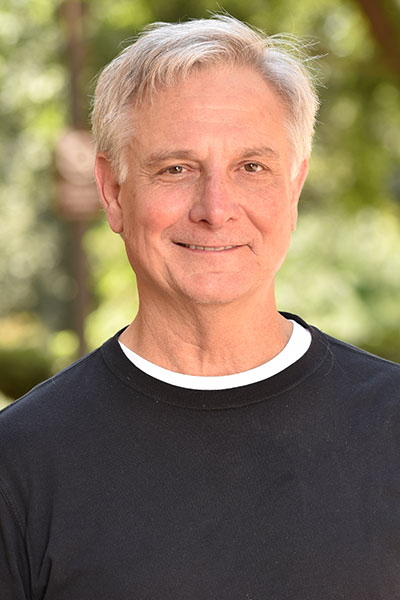
Stephen D. Looney is a Teaching Professor in Applied Linguistics at Pennsylvania State University and Director of the ITA Program. His research focuses on classroom interaction and second language assessment through conversation analysis. Education: Ph.D. in Linguistics from the University of Georgia M.A. in TESOL from Carson-Newman University Dr. Looney specializes in multimodal classroom discourse as morally ordered social practice, examining how teachers and students navigate epistemics, deontics, and emotion in situ. His work includes mixed-methods research on L2 interactional competence assessment to inform test rating criteria. He teaches courses in classroom discourse analysis, conversation analysis, pronunciation pedagogy, and second language acquisition. His recent publications demonstrate consistent focus on conversation analysis in educational settings, particularly exploring multimodal resources like laughter, teasing, and embodiment in managing classroom interactions. Key trends include third-turn repetitions in foreign language classrooms, translingual practices in workplace contexts, and Rasch modeling for assessment validity.
Alison El Ayadi is an Associate Professor in the Department of Obstetrics, Gynecology, and Reproductive Sciences and Epidemiology and Biostatistics at the University of California, San Francisco. She holds a ScD in Social Epidemiology from Harvard University and an MPH in Reproductive Health Monitoring & Evaluation from Tulane University. Her research focuses on maternal mortality determinants , gender inequalities in women's health , and quality improvement in lower-resource settings . She leads clinical trials on mHealth interventions for postnatal care and non-surgical management of obstetric fistula in India and Ghana. Scientific awards include the 2019 Diversity, Equity, and Inclusion Champion Training and a 2018 Certificate in Implementation Science at UCSF. She mentors faculty, UCSF students, and research staff and leads projects in sub-Saharan Africa and South Asia , including studies on fistula recurrence , contraceptive adoption , and stigma reduction .
Spencer Szczesny serves as Associate Professor in both the Department of Biomedical Engineering and Department of Orthopaedics and Rehabilitation at Pennsylvania State University, where he leads the Multiscale Biomechanics and Mechanobiology Lab. His research bridges engineering and clinical orthopaedics to investigate tendon pathology, repair mechanisms, and biomaterial design through interdisciplinary approaches. His academic credentials include: PhD in Biomedical Engineering from University of Pennsylvania (2015) MS from Massachusetts Institute of Technology (2005) BS from University of Pennsylvania (2003) Dr. Szczesny's research centers on tendon multiscale mechanics and mechanobiology, examining how mechanical forces influence tissue remodeling in degeneration, repair, and development. His lab integrates multiscale mechanical testing, computational modeling, cell/tissue culture, and biomaterial fabrication to identify pathological mechanisms and develop novel therapeutics. This work directly contributes to UN Sustainable Development Goals in health and well-being through advancements in musculoskeletal treatments. Recent publications reveal strong thematic continuity in tendon/ligament biomechanics, with emphasis on cyclic loading effects across biological scales—from embryonic development to clinical ACL reconstructions. Key trends include sex-specific mechanoresponses, oxygen regulation in tissue culture, and structural determinants of multiscale mechanics, reflecting his lab's focus on translating fundamental mechanobiology into clinical applications. His active research portfolio includes five major grants: NSF CAREER award (2022-2027) on tendon cell mechanobiology in native tissue environments US-Ireland R&D Partnership (2022-2026) for engineering load-bearing soft tissues U.S. Army project (2021-present) identifying mechanobiological deficits in allograft ACL reconstructions Congressionally Directed Medical Research Programs project (2020-present) on same topic National Institute of Arthritis grant (2022-2023) on gene expression-tissue strain colocalization The Multiscale Biomechanics and Mechanobiology Lab maintains cross-disciplinary collaborations spanning engineering, developmental biology, and orthopaedic surgery, with recent work highlighted by 6 news outlets and generating significant social media engagement among researchers.
Dr. Reza Rahbar is a Professor of Otolaryngology at Harvard Medical School and practices pediatric otolaryngology at Boston Children’s Hospital , where he has served since 1998. He holds leadership roles as Associate Otolaryngologist-in-Chief , Director of the Center for Airway Disorders , and Co-Director of the Head, Neck, and Skull Base Surgery Program . His research focuses on aero-digestive disorders , minimally invasive endoscopic airway surgery , and pediatric head and neck tumors . Undergraduate: Boston University Medical: Tufts University School of Medicine Residency: Tufts Medical Center Fellowship: Boston Children's Hospital Dr. Rahbar’s research emphasizes pediatric airway disorders and head/neck tumors , with studies on laryngeal clefts, tracheomalacia, and vascular anomalies. He investigates anti-scar therapies (e.g., Mitomycin-C) and angiogenic growth factors (e.g., VEGF) in airway disease, while maintaining one of the largest pediatric head/neck tumor databases globally. His recent publications analyze topics like pediatric type 1 laryngeal cleft , tracheostomy complications , and IBD-related surgical outcomes . He has authored over 120 peer-reviewed articles and edited books on pediatric airway surgery and head/neck tumors . As Director of the Pediatric Otolaryngology Education and Fellowship Program , he trains future specialists. Dr. Rahbar’s professional roles include past presidency of the New England Otolaryngology Society and leadership in international societies like the American Society of Pediatric Otolaryngology . His work bridges clinical practice, multidisciplinary research, and medical education.
James G. Tidball is a Distinguished Professor in the Department of Integrative Biology and Physiology at the University of California, Los Angeles (UCLA), College of Letters and Science. His research focuses on skeletal muscle wasting, regeneration, and the immunobiology of muscular dystrophy. Dr. Tidball earned his B.S. in Zoology from Duke University (1975) and his Ph.D. from Dalhousie University (1981). His early work at Duke with Professor Steve Wainwright centered on organismal responses to mechanical environments, which evolved into groundbreaking research on myotendinous junctions during postdoctoral studies at Duke. His laboratory investigates how the immune system regulates skeletal muscle injury and repair, with particular emphasis on macrophage phenotypes (M1/M2) in Duchenne muscular dystrophy (DMD). Key discoveries include identifying immune-mediated muscle damage as central to DMD pathology and pioneering work on Klotho protein's role in muscle regeneration and aging. Current NIH-funded projects explore epigenetic mechanisms of Klotho in neonatal/aging muscle and pharmacological manipulation of macrophage-T cell interactions for DMD therapy. Dr. Tidball's publication trends reveal consistent leadership in muscular dystrophy immunobiology, with recent work expanding into aging-related sarcopenia, Klotho-mediated epigenetic regulation, and novel therapeutic strategies targeting immune-muscle crosstalk. His most cited papers establish foundational concepts in immune modulation of muscle pathology. As principal investigator, he directs an active research program supported by multiple NIH grants. His team includes postdoctoral fellows and collaborators focused on macrophage biology, Klotho signaling, and preclinical therapeutic development for muscular dystrophies. The lab maintains specialized facilities for muscle histology, flow cytometry, and transgenic mouse models including mdx (DMD) and aging cohorts.
Professor Benedikt Kessler is a Full Professor of Biochemistry and Mass Spectrometry at the Target Discovery Institute within the Nuffield Department of Medicine at the University of Oxford. He leads a research group focused on the ubiquitin-proteasome system and deubiquitylating enzymes, with significant contributions to cancer research and neurodegenerative disease therapeutics. Professor Kessler received his B.A. in Biochemistry from the Swiss Federal Institute of Technology in 1992, followed by a Ph.D. in Immunology from the Ludwig Institute for Cancer Research. He completed post-doctoral training at Harvard Medical School under Hidde Ploegh before joining the University of Oxford in 2004 as a Research Group Leader. He established his independent research group in 2005 and relocated to the Target Discovery Institute in 2013. In 2014, he was promoted to Full Professor of Biochemistry & Life Science Mass Spectrometry. His research focuses on deubiquitylating enzymes (DUBs) and their role in cellular processes, with particular emphasis on cancer development and neurodegenerative disorders. Professor Kessler pioneered chemoproteomics methods to profile active ubiquitin processing enzymes and has made significant contributions to understanding how ubiquitin-based pathways can be targeted therapeutically. His laboratory developed ubiquitin-based active site directed probes that enabled profiling of active cellular DUB content, leading to discoveries about OTUB1 in infection and prostate cancer, USP4 and USP47 in DNA repair, and USP18 in immuno-oncology. His work has directly contributed to the development of novel inhibitors for DUBs including USP30 (for Parkinson's disease), USP28 (for squamous lung carcinoma), and USP7 (for multiple myeloma). Analysis of Professor Kessler's recent publications (2024-2025) reveals an expanding research portfolio with significant contributions across multiple domains: neurodegenerative disease therapeutics through hydrogen deuterium exchange mass spectrometry, kidney transplant immunology, ubiquitin pathway characterization in infectious diseases like malaria, and novel DUB inhibitor development. His work consistently bridges fundamental biochemistry with clinical applications, particularly in cancer therapeutics and neurodegenerative disorders, while increasingly incorporating advanced machine learning approaches for biomarker discovery. Scientific Awards and Recognition Cesar Roux Research Award of the Faculty of Medicine, Lausanne University Human Frontier Science Program Organization long-term fellowship Roche Research Foundation post-doctoral fellowship Multiple Myeloma Research Foundation Senior Research Award Wellcome Trust VIP Award (2005) MRC New Investigator Award (2006-2009) Professor Kessler's research has received substantial funding throughout his career, including the MRC New Investigator Award that supported his early independent work at Oxford. His contributions to understanding the ubiquitin-proteasome system led to translational applications, most notably contributing to the development of Velcade™ for multiple myeloma treatment. He is an active member of several prestigious scientific organizations including the British Mass Spectrometry Society, British Society of Cell Biology, and the American Association for Cancer Research. Professor Kessler serves as a NIH study section member and collaborates extensively through the DUB Alliance and Pfizer's Innovative Technology Enabling Network (ITEN). Professor Kessler leads the TDI Mass Spectrometry Laboratory at the Nuffield Department of Medicine, where his team develops advanced chemoproteomics methods to profile active ubiquitin processing enzymes. His laboratory maintains extensive collaborations across Oxford University including with the Oxford Ludwig Institute, Jenner Institute, Weatherall Institute of Molecular Medicine, and Structural Genomics Consortium. Internationally, he collaborates with researchers at Leiden University and maintains connections with the Harvard Medical School community where he began his academic career.