معرفی
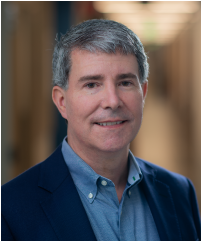
Professor Benedikt Kessler is a Full Professor of Biochemistry and Mass Spectrometry at the Target Discovery Institute within the Nuffield Department of Medicine at the University of Oxford. He leads a research group focused on the ubiquitin-proteasome system and deubiquitylating enzymes, with significant contributions to cancer research and neurodegenerative disease therapeutics.
Professor Kessler received his B.A. in Biochemistry from the Swiss Federal Institute of Technology in 1992, followed by a Ph.D. in Immunology from the Ludwig Institute for Cancer Research. He completed post-doctoral training at Harvard Medical School under Hidde Ploegh before joining the University of Oxford in 2004 as a Research Group Leader. He established his independent research group in 2005 and relocated to the Target Discovery Institute in 2013. In 2014, he was promoted to Full Professor of Biochemistry & Life Science Mass Spectrometry.
His research focuses on deubiquitylating enzymes (DUBs) and their role in cellular processes, with particular emphasis on cancer development and neurodegenerative disorders. Professor Kessler pioneered chemoproteomics methods to profile active ubiquitin processing enzymes and has made significant contributions to understanding how ubiquitin-based pathways can be targeted therapeutically. His laboratory developed ubiquitin-based active site directed probes that enabled profiling of active cellular DUB content, leading to discoveries about OTUB1 in infection and prostate cancer, USP4 and USP47 in DNA repair, and USP18 in immuno-oncology. His work has directly contributed to the development of novel inhibitors for DUBs including USP30 (for Parkinson's disease), USP28 (for squamous lung carcinoma), and USP7 (for multiple myeloma).
Analysis of Professor Kessler's recent publications (2024-2025) reveals an expanding research portfolio with significant contributions across multiple domains: neurodegenerative disease therapeutics through hydrogen deuterium exchange mass spectrometry, kidney transplant immunology, ubiquitin pathway characterization in infectious diseases like malaria, and novel DUB inhibitor development. His work consistently bridges fundamental biochemistry with clinical applications, particularly in cancer therapeutics and neurodegenerative disorders, while increasingly incorporating advanced machine learning approaches for biomarker discovery.
Scientific Awards and Recognition
- Cesar Roux Research Award of the Faculty of Medicine, Lausanne University
- Human Frontier Science Program Organization long-term fellowship
- Roche Research Foundation post-doctoral fellowship
- Multiple Myeloma Research Foundation Senior Research Award
- Wellcome Trust VIP Award (2005)
- MRC New Investigator Award (2006-2009)
Professor Kessler's research has received substantial funding throughout his career, including the MRC New Investigator Award that supported his early independent work at Oxford. His contributions to understanding the ubiquitin-proteasome system led to translational applications, most notably contributing to the development of Velcade™ for multiple myeloma treatment. He is an active member of several prestigious scientific organizations including the British Mass Spectrometry Society, British Society of Cell Biology, and the American Association for Cancer Research. Professor Kessler serves as a NIH study section member and collaborates extensively through the DUB Alliance and Pfizer's Innovative Technology Enabling Network (ITEN).
Professor Kessler leads the TDI Mass Spectrometry Laboratory at the Nuffield Department of Medicine, where his team develops advanced chemoproteomics methods to profile active ubiquitin processing enzymes. His laboratory maintains extensive collaborations across Oxford University including with the Oxford Ludwig Institute, Jenner Institute, Weatherall Institute of Molecular Medicine, and Structural Genomics Consortium. Internationally, he collaborates with researchers at Leiden University and maintains connections with the Harvard Medical School community where he began his academic career.