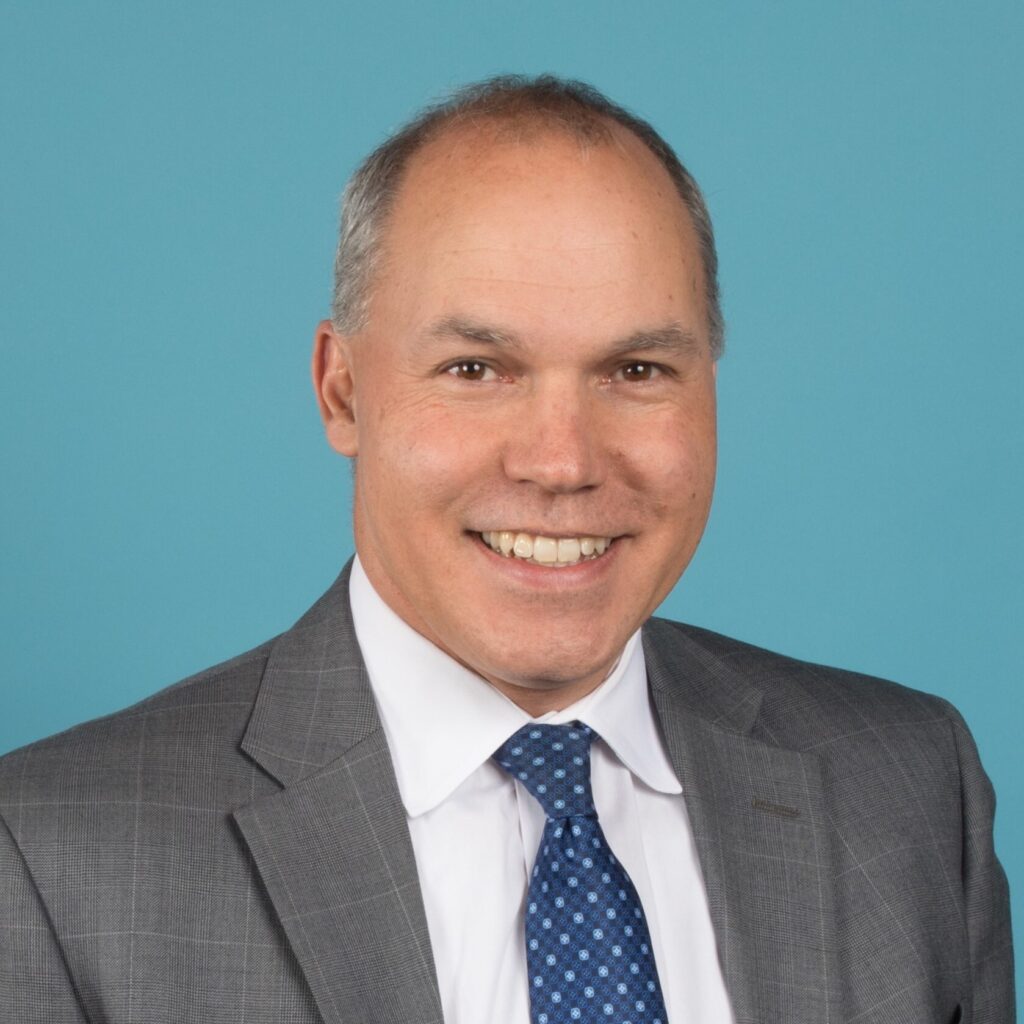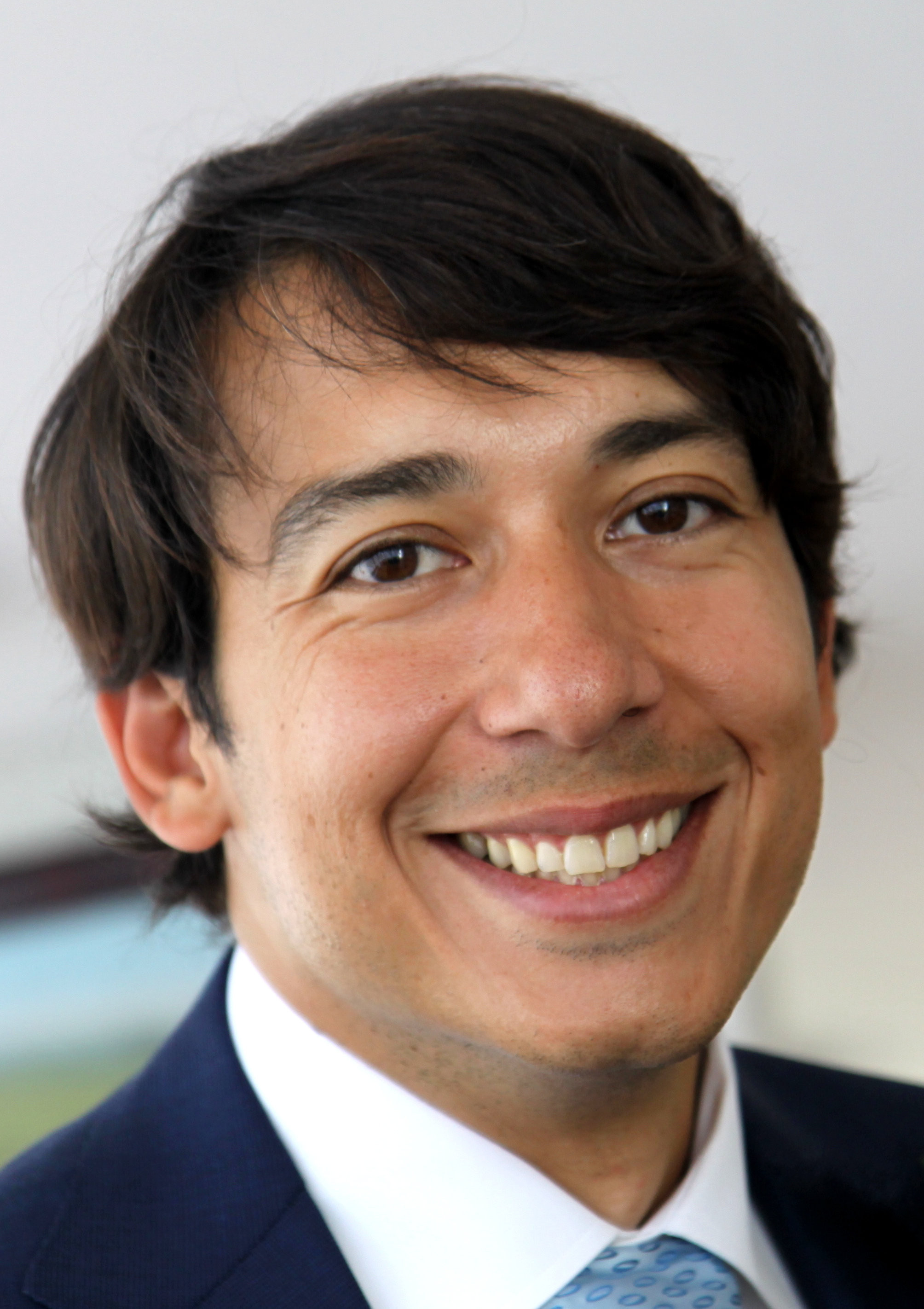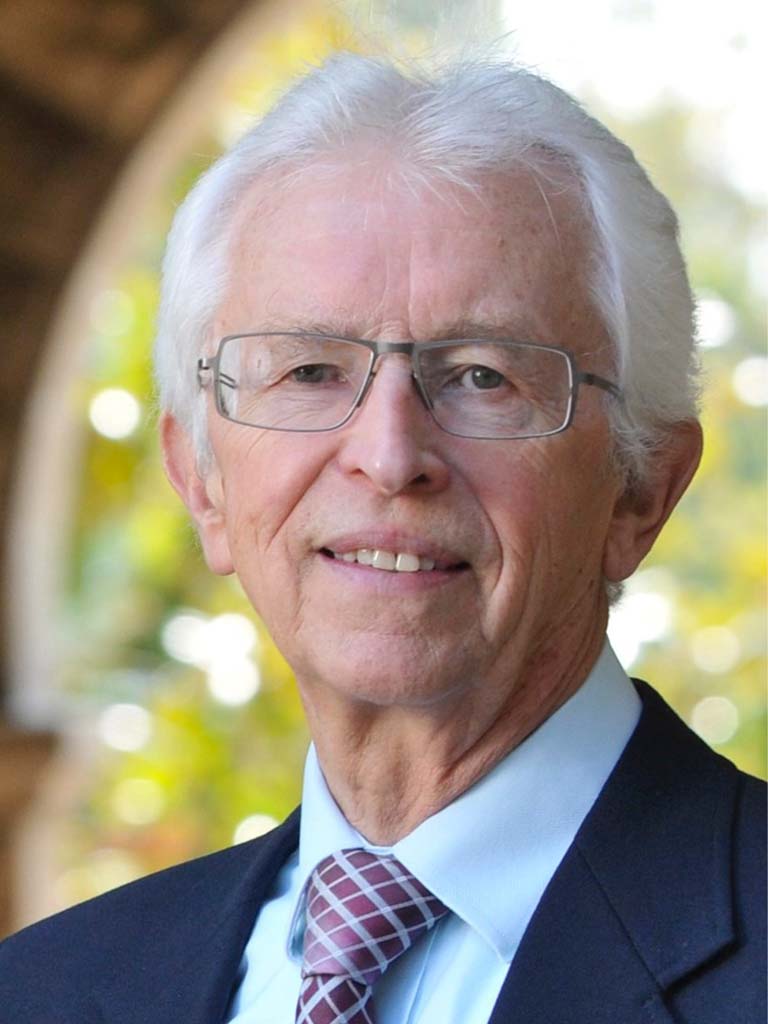
Sturt Manning is a Professor in the Department of Classics at Cornell University's College of Arts and Sciences, with additional affiliations in Anthropology, the Archaeology Program, and Medieval Studies Program. He directs the Cornell Tree-Ring Laboratory, specializing in dendrochronology and radiocarbon dating applications for Mediterranean and Near Eastern archaeology. His work bridges classical archaeology with scientific dating methodologies to establish precise chronological frameworks for ancient civilizations. Professor Manning's research focuses on Aegean, Cypriot, and Anatolian archaeology with particular emphasis on complex societies, state formation, and climate-archaeology interactions. His work integrates archaeological fieldwork with scientific dating methods to refine chronological understanding across the Mediterranean region. He has pioneered the application of dendrochronology to Mediterranean contexts where such methods were previously thought inapplicable, revolutionizing chronological debates in the field. His extensive publication record demonstrates a consistent focus on resolving chronological uncertainties through radiocarbon dating and dendrochronology, with applications spanning from the Mediterranean to North America. These works address significant historical questions including the dating of the Thera eruption, climate impacts on ancient civilizations like the Hittite Empire, and the chronology of early complex societies. His research has been published in high-impact journals including Nature, where his 2023 paper on the Hittite collapse identified a severe multi-year drought as a contributing factor. Professor Manning teaches courses including 'Climate, Archaeology and History' and 'Introduction to Dendrochronology,' reflecting his interdisciplinary approach that bridges archaeology, climate science, and dating methodologies. His research has important implications for understanding how environmental changes have shaped human history and how scientific methods can resolve longstanding archaeological debates.