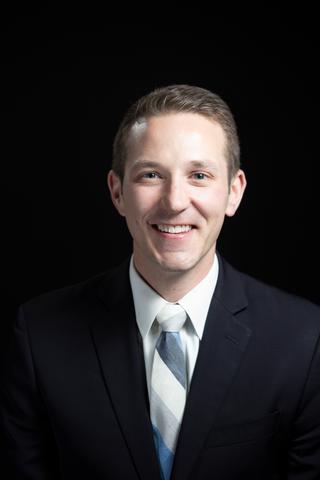
Christopher G. Tarolli, MD is an Associate Professor in the Department of Neurology at the University of Rochester School of Medicine and Dentistry. He specializes in movement disorders, particularly Parkinson's disease and Huntington's disease, and serves as Director of the Mind, Brain, Behavior neuroscience course and Associate Program Director of the Adult Neurology Residency Program. His work bridges clinical practice with research in wearable sensor technology, palliative care, and health professions education. MD from SUNY Downstate College of Medicine (2012) Residency & Fellowship at University of Rochester Medical Center (2012-2018) Masters of Science in Health Professions Education (Warner School, UR) Dr. Tarolli's research focuses on novel technologies for neurological assessment, practice-based research in movement disorders, and palliative care models. He has contributed to studies on wearable sensors, remote video-based clinical trials, and symptom burden analysis in Parkinson's and Huntington disease. His work emphasizes patient-centered care and digital health innovation. Recent publications highlight his expertise in: Wearable sensor validation for neurodegenerative diseases Telemedicine applications in Parkinson's disease Palliative care integration across disease trajectories Smartphone-based Huntington's disease monitoring Machine learning for movement disorder severity quantification Quality measures in Parkinson's care Awards include the Herbert W. Mapstone Prize for Excellence in Second Year Teaching and participation in the American Academy of Neurology Emerging Leaders Program. Dr. Tarolli also leads clinical research initiatives and educational programs at the University of Rochester Medical Center.
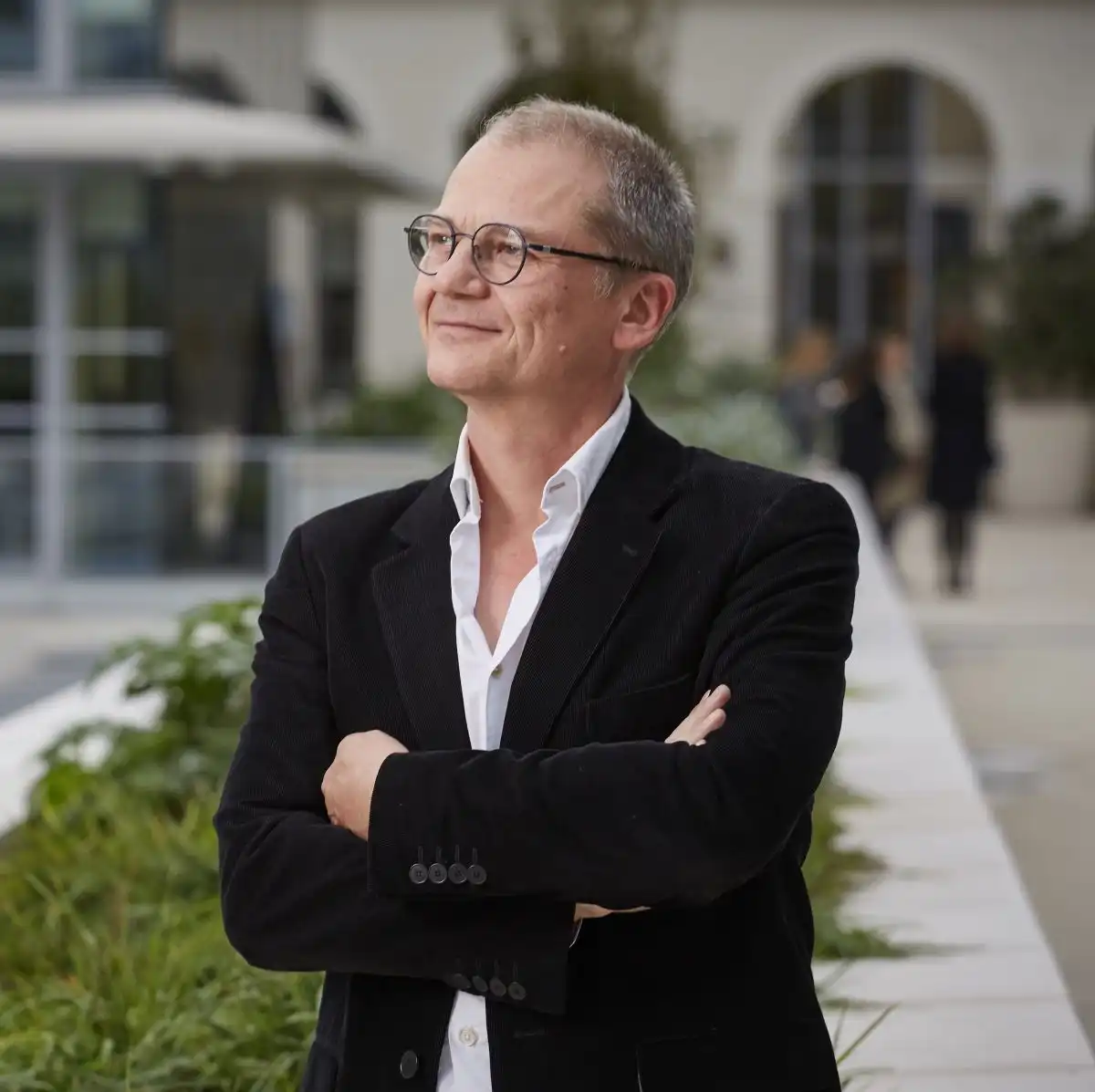
Bruno Palier is a CNRS Research Director at Sciences Po, affiliated with the Centre d'études européennes et de politique comparée (CEE) and a key member of the Laboratoire interdisciplinaire d’évaluation des politiques publiques (LIEPP). He is a leading scholar in comparative politics and public policy, focusing on the reform of social protection and pension systems in France and Europe. University: Sciences Po School: Centre d'études européennes et de politique comparée Academic Rank: Researcher (CNRS) His research interests lie at the intersection of political science, sociology, and public policy. He is a foremost expert on the political economy of welfare state reform, social investment strategies, and the dynamics of pension reforms. His work examines how political institutions, economic pressures, and social actors shape the evolution of social policies across advanced democracies. Palier's recent projects center on the contemporary crisis of work in France. He coordinated the 2023 collective work What Do We Know About Work? , which brought together 60 social scientists to document the realities of working conditions, management practices, digitalization, and inequalities. This project has sparked a major public and academic debate, leading to a follow-up initiative, Working Better , which aims to translate research findings into concrete policy proposals for improving the quality of work. Major Works: What do we know about work? (2023) Working Better (2025, forthcoming) The World Politics of Social Investment (2022, 2 vols.) Refonder le système de protection sociale (2014) Réformer les retraites (2021) Throughout his career, Palier has led major research initiatives, including serving as the director of LIEPP (2014-2020) and coordinating the European Network of Excellence RECWOWE. He has also held visiting professorships at Harvard, Tokyo, and Stockholm universities, demonstrating his international academic standing. His work is highly influential in both academic circles and public policy debates, particularly in France. He has a strong record of scientific mediation, actively engaging with the media and policymakers to bridge the gap between academic research and public discourse. His current work on the future of work and social investment represents a significant contribution to understanding and addressing some of the most pressing social challenges of our time.
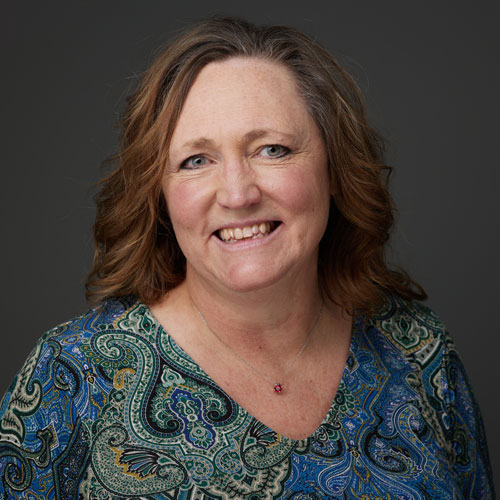
Dr. Janine Johnson is a Professor in the Undergraduate Nursing Department at Clarkson College, where she has been since 2012. She teaches in the traditional BSN and RN to BSN programs, as well as the Community Health Program. Her roles include dissertation chair duties in the Healthcare Education and Leadership program. Dr. Johnson holds degrees of Ed.D. (Doctor of Education) and MSN (Master of Science in Nursing), and is a registered nurse (RN). Her research focuses on addressing barriers faced by racially and ethnically diverse nursing students, promoting evidence-based practice, and women's health issues. She has developed educational resources including digital curricula, concept maps, and lesson plans for platforms like ATI EHR Tutor and ATI Engage Fundamentals. Her work emphasizes inclusive education strategies and faculty development. Dr. Johnson has received multiple teaching and scholarship awards, including the Sigma Theta Tau Rising Star recognition and nominations for the Apple Award and Teaching Excellence. She actively contributes to professional development through presentations at national conferences such as Sigma Theta Tau and Elsevier events. Key Roles: Dissertation Committee Member, Course Instructor (NRS 352, NRS 475, CHL 364, etc.) Professional Memberships: Sigma Theta Tau International, National Society of Leadership and Success
Professor Luke Prendergast is the Deputy Dean of the School of Computing, Engineering & Mathematical Sciences (SCEMS) at La Trobe University (LTU) and holds a Professorship in the Department of Mathematics and Statistics. He previously served as Head of Department (2014–2020) and led LTU's Statistics Consulting Platform. His research focuses on robust statistics, meta-analysis, dimension reduction, and applied statistics, leading the DRAMA research group. Collaborations span fields like endocrinology, disability studies, and respiratory health. He actively contributes to research grants, including projects on Prader-Willi syndrome and exercise for disability populations. Professor Prendergast's recent work emphasizes statistical software development (e.g., the rquest package) and applications in biostatistics, such as metabolomics analysis and health intervention fidelity. His articles address topics like quantile-based hypothesis testing, geospatial accessibility for disability care, and motivational interviewing efficacy. Professional roles include NHMRC grant review panels, editorial boards for Nutrients and Respirology , and leadership in the Statistical Society of Australia (SSA Vic). His teaching includes courses in meta-analysis, linear models, and data-based critical thinking. Grants funded projects on exercise programs for cerebral palsy populations and community-university partnerships for disability inclusion. Luke's work bridges statistical theory with real-world health challenges, emphasizing robust methodologies and interdisciplinary collaboration.
Mauricio Drelichman is a Professor at the University of British Columbia's Vancouver School of Economics within the Faculty of Arts. He serves as the Director of Undergraduate Studies and holds a Ph.D. from Northwestern University. His research focuses on Economic History , particularly Early Modern Spain , with emphasis on sovereign debt, fiscal policy, and institutional development. Ph.D., Northwestern University Director of Undergraduate Studies, UBC Research: Economic History, Early Modern Spain Drelichman's work investigates historical financial mechanisms such as sovereign debt contracts under Philip II, demonstrating how risk-sharing and contingent debt allowed sustained market access despite defaults. He has also analyzed resource curses , Dutch disease effects, and social consequences of persecution in Spain. His recent article in the Proceedings of the National Academy of Sciences (2021) examines long-term impacts of the Spanish Inquisition , while earlier studies explored gender wage gaps and housing markets in Early Modern Toledo. His publications often focus on historical debt sustainability , financial repression , and institutional quality . Scientific Awards: AEHE 2021 Earl J. Hamilton Prize Explorations Prize (2005/06 and 2010/11)
Carrie Hempel is a Distinguished Clinical Professor of Law at the University of California, Irvine School of Law, where she serves as Co-Director of the Community and Economic Development Clinic. She was UCI Law's founding Associate Dean for Clinical Education and Service Learning, playing a key role in establishing the school's clinical programs. Prior to joining UCI, she taught at the University of Southern California School of Law, where she directed the Post-Conviction Justice Project, providing legal assistance to indigent prisoners. Professor Hempel's research focuses on clinical legal education, post-conviction practice, criminal law, gender and the law, and transactional law with emphasis on community economic development and affordable housing. Her work bridges theoretical legal education with practical community impact, particularly through clinic-based teaching models that address systemic issues in housing and economic justice. Her publications reveal a consistent trajectory of innovation in legal education, with particular emphasis on experiential learning models. Hempel's scholarship demonstrates how law clinics can serve as both educational platforms for students and meaningful service providers addressing community needs, especially in the areas of immigrant worker cooperatives, affordable housing preservation, and post-conviction relief mechanisms. As Co-Director of the Community and Economic Development Clinic, Hempel oversees student attorneys who work on real cases involving community development, small business formation, nonprofit organizations, and housing issues. Her leadership in clinical legal education has positioned UCI Law as an innovator in practice-based legal training that connects students with underserved communities.
Prof. Dr. Eva von Contzen is a Professor of English Literature at the University of Freiburg, leading the ERC-funded project 'Lists in Literature and Culture'. She holds a PhD from Ruhr-University Bochum and has taught at institutions including the University of Toronto and Ruhr-University Bochum. She serves as Managing Director of the Mittelalterzentrum (MAZ) and Deputy Equal Opportunity Officer at the Faculty of Philology. Her research focuses on narrative theory, medieval literature, and cognitive approaches to literature. Notable projects include the 'Medieval Narratology' DFG network and the GRK 1767 research training group. She is co-editor of New Chaucer Studies: Pedagogy and Profession and contributes to blogs like Listology . Awards include the Phelan Prize and ERC Starting Grant. Her work bridges medieval and contemporary studies, with recent projects analyzing lists in literature from antiquity to postmodernism.
Catherine Z. Elgin is a Professor of the Philosophy of Education at Harvard University's Graduate School of Education since 1996. She holds a Ph.D. from Brandeis University (1975) and has taught at MIT, Princeton, Wellesley, Dartmouth, UNC Chapel Hill, Michigan State, Simmons, and Vassar prior to her Harvard appointment. Literary executor for Nelson Goodman and Jonathan Adler Research focuses on epistemology , philosophy of art , and philosophy of science Argues that understanding (not knowledge) should be epistemology's central concern Research Trends across her publications reveal: Epistemic value of fiction and imagination Interdisciplinary connections between art, science, and philosophy Critique of analytic/synthetic distinctions Perspectival approaches to scientific representation Conceptual analysis of exemplification and metaphor Epistemic normativity in educational contexts Scientific Awards & Editorial Involvement : Elected to American Academy of Arts & Sciences (2023) Advisory Board, American Philosophical Association Committee on the Philosophy of Education Editorial Board, American Philosophical Quarterly Editorial Board, International Journal for the Philosophy of Science Academic Leadership : Teaches courses in philosophy of education Maintains active research program through Harvard's DASH repository Collaborates with educators across Harvard's schools including the Center for Ethics and the Professions
Dr. Abby Haynes is a Research Fellow at the Sydney School of Public Health, University of Sydney, affiliated with the Institute for Musculoskeletal Health and Faculty of Medicine and Health. Her work focuses on physical activity for healthy ageing and people with disability, employing qualitative research, systems thinking, and realist evaluation. Key research themes include: Healthy Ageing Disability and Physical Activity Implementation Science Knowledge Mobilisation Her recent publications analyze: Inclusive sports programs for children with disability Fall prevention in acute hospitals Telehealth physiotherapy for aged care Realist evaluations of yoga and dance interventions Systems thinking in public health policy These emphasize public health, gerontology, and health equity approaches. Grants include MRFF-funded projects on traumatic brain injury rehabilitation (2024), fall prevention (2023), and aged care mobility (2022).
Dr. Patrick J. McNamara is an Associate Professor in the Department of Civil, Construction and Environmental Engineering at Marquette University's College of Engineering. He directs the McNamara Research Group, which focuses on understanding how chemicals from consumer products impact public health and the environment once they pass through water treatment systems. His research bridges environmental engineering and microbiology to address critical water quality challenges facing modern infrastructure. Dr. McNamara's educational background includes: Ph.D., 2012, Civil Engineering, University of Minnesota, Twin Cities M.S., 2008, Environmental and Water Resources Engineering, University of Texas at Austin B.S., 2006, Civil Engineering (Minor - Spanish for the Business Professions), Marquette University His research program investigates how consumer product chemicals impact engineering treatment processes that rely on healthy bacteria to treat water. The McNamara Research Group develops non-traditional treatment processes to remove these chemicals from water and mitigate their environmental effects. His work spans antibiotic resistance in water systems, micropollutant removal technologies, pyrolysis of biosolids, PFAS contamination, and electrochemical treatment processes. Specific areas include the impact of corrosion inhibitors on antibiotic resistance, removal of chemicals via drinking water treatment, environmental antibiotic resistant bacteria, beneficial biosolids reuse, and pyrolysis applications. Dr. McNamara's publication record demonstrates a strong focus on emerging water quality challenges, particularly the intersection of chemical contaminants and antibiotic resistance. His recent work examines corrosion inhibitors' impact on antibiotic resistance in drinking water, PFAS mitigation through advanced treatment processes, and environmental drivers of antibiotic resistance in stormwater systems. His research combines fundamental microbiology with practical engineering solutions to address complex water quality issues. Dr. McNamara has received numerous honors and awards: 2022 OCOE Outstanding Researcher Award from Marquette University Marquette University's Campus 2020 KEEN Rising Star Faculty Scholar Award from Provost Office (2019) Central States Water Environment Association Bill Boyle Outstanding Educator Award (2018) Way Klingler Young Scholar Award (Marquette University, 2018) Excellence in Review Award – Environmental Science & Technology (2017) Dr. McNamara has secured significant research funding as Principal Investigator on multiple projects, including NSF grants focused on mitigating antibiotic resistance in drinking water and studying the environmental impacts of quaternary ammonium compounds. His current research portfolio includes projects on PFAS removal through novel electrocoagulation-peroxidation processes, designing green stormwater infrastructure to combat antibiotic resistance, and removing contaminants from greywater using electrocoagulation technology in collaboration with industry partners like Kohler Company. The McNamara Research Group at Marquette University maintains strong collaborations with researchers across multiple institutions and works closely with water utilities and industry partners to translate research findings into practical solutions for water treatment challenges. Their work addresses critical infrastructure needs while protecting environmental and public health through innovative engineering approaches.
Benjamin Alarie is a Professor and the Osler Chair in Business Law at the University of Toronto Faculty of Law. He is a leading scholar at the intersection of artificial intelligence, law, and taxation, and the co-founder and CEO of Blue J, an AI-powered tax research platform used by over 3,000 organizations across North America and the UK. Education: LL.M. – Yale Law School (2003) J.D. – University of Toronto (2002), with honours M.A. – University of Toronto (2002) B.A. – Wilfrid Laurier University (1999), with high distinction Research Interests: Alarie’s research spans tax law , legal theory , judicial behaviour , and the applications of machine learning in law . He introduced the concept of the “legal singularity”—the idea that legal systems may evolve toward greater clarity and predictability through AI and computational methods. His work explores how AI can enhance legal reasoning, regulatory design, and tax compliance. He is particularly focused on the ethical and practical implications of generative AI in legal and tax practice, including liability, transparency, and the future role of human practitioners in AI-augmented systems. Scientific Awards: PROSE Award (2024) for The Legal Singularity Donner Prize shortlist (2024) for The Legal Singularity vLex Fastcase 50 Honoree (2023) Top 50 Changemaker, The Globe and Mail (2022) Alan Mewett QC Prize for Excellence (2009) Advising & Grants: Alarie is a frequent advisor to courts, government agencies, and global professional networks. His work at Blue J involves strategic partnerships with CPA.com, CPA Canada, the National Association of Tax Professionals, Big 4 accounting firms, and Tax Notes. He also serves as a faculty affiliate at the Vector Institute for AI and the Schwartz Reisman Institute for Technology and Society. Labs & Teams: As CEO of Blue J, Alarie leads a multidisciplinary team of legal scholars, engineers, and data scientists. The platform is used by tax authorities and accounting firms to deliver precise, defensible, and efficient tax research and decision-making tools.
Yoann Demoli is a Lecturer in Sociology at the University of Versailles Saint-Quentin-en-Yvelines (UVSQ), part of the Université Paris-Saclay. He is affiliated with the PRINTEMPS Laboratory (CNRS-UVSQ) and the Quantitative Sociology Laboratory at CREST. His academic career spans over a decade with teaching and research positions at various prestigious French institutions including Sciences Po Paris and Paris 8 University. His educational background includes: Doctoral thesis in sociology under Philippe Coulangeon at Sciences Po Paris (2010-2015) Master 2 in Sociology and Statistics from School for Advanced Studies in Social Sciences and ENS Paris (2009-2010) Master 1 in Sociology from University of Paris IV (2007-2008) Bachelor's degrees in Sociology and Economics from Universities of Paris IV and I (2006-2007) Preparatory classes at Lycée Carnot and Lycée Henri IV (2003-2006) Demoli's research focuses on the sociology of consumption, social stratification, environmental sociology, and particularly the sociology of the automobile. His work employs quantitative methods to analyze how automobile use and ownership patterns reflect and reinforce social inequalities. He examines how factors like class, gender, and geography influence mobility practices, with particular attention to working-class households in peri-urban and rural areas. His research reveals complex relationships between environmental attitudes and actual car use behaviors, challenging simplistic narratives about ecological conversion. His publications demonstrate a consistent focus on the intersection of social structure and mobility practices, with particular attention to historical trends and class analysis. The collection shows a progression from analyzing specific aspects of automobile culture to broader questions of ecological conversion and social stratification in transportation systems. His scientific work has been recognized with the Young Author Prize at the 22nd GERPISA International Conference in 2014. He regularly contributes to academic discourse through peer review for journals such as Acts of Research in Social Sciences and Transport Security Review. As an advisor, Demoli has supervised numerous undergraduate research projects and master's theses on topics ranging from police uniforms to online dating sociology. His current research projects include CONDUIRE (financed by ADEME), a study on magistrates' mobility funded by the Ministry of Justice, and research on the social drivers of ecological conversion coordinated by Philippe Coulangeon. Within the academic community, Demoli co-organizes the workshop 'Quantitative Sociology and Sociology of Quantification' and co-leads the Mobility theme of the Federation for Research in Computer, Human and Social Sciences at UVSQ. He also serves as Director of the Department of Sociology and Geography at UVSQ and is an active participant in research dissemination through media appearances.
Dr. Steven A. Miller is a Professor of Psychology in the Department of Psychology at Rosalind Franklin University of Medicine and Science, within the College of Health Professions. He joined RFUMS in 2013 and serves as a statistics consultant for the university. His academic background includes a PhD in Social Psychology from Loyola University Chicago, an M.S. in Psychology from Illinois State University with specialization in Clinical Psychology, and an M.S. in Mathematics from Loyola University Chicago with specialization in Probability and Statistics. PhD in Social Psychology, Loyola University Chicago M.S. in Psychology, Illinois State University (Clinical Psychology specialization) M.S. in Mathematics, Loyola University Chicago (Probability and Statistics specialization) Dr. Miller's research focuses on the intricate relationship between personality characteristics/individual differences and emotional experiences. He investigates anxiety and emotional disorders, social cognitive models of personality, and applies quantitative methodology to psychological questions. His work examines intra-individual variability in emotional responses and how situational factors interact with personality to shape emotional experiences. He employs diverse methodologies including experience sampling studies and laboratory experiments to explore these complex dynamics. His recent publications demonstrate a strong focus on psychopathy, emotion regulation, network analysis of personality, and the tripartite model of anxiety and depression. His work spans clinical, forensic, and general populations, often employing sophisticated statistical techniques. There's a clear trajectory toward more complex modeling approaches including network analysis, longitudinal modeling, and advanced psychometric techniques across his publication history. Accredited Professional Statistician (PStat®) with the American Statistical Association Chartered Statistician (CStat) with the Royal Statistical Society Dr. Miller actively mentors graduate students, with numerous student co-authors appearing in his publications. He teaches advanced statistical courses including multivariate statistics, longitudinal models, and categorical data analysis. He is currently accepting doctoral students for the 2026/2027 academic year. His collaborative research spans multiple institutions including DePaul University and Texas A&M, focusing on emerging adults, romantic relationships, and chronic illness. His research laboratory examines the fundamental relationship between personality and emotion, exploring how situational contingencies and individual expectancies shape emotional responses. Current collaborative projects investigate daily experiences of emerging adults, psychopathy in romantic relationships, and social media use among individuals with chronic illness using diverse methodological approaches.
Dr Louise Ashley is an Associate Professor and IHSS Fellow at Queen Mary University of London’s School of Business and Management. Her research focuses on equality, diversity, and inclusion within elite professions such as law, accountancy, and investment banking, with a particular emphasis on socio-economic diversity, gender, and ethnicity. She leads research projects funded by the UK government’s Social Mobility Commission and has advised third-sector organizations like UpReach and the Bridge Group. Her work examines barriers to social mobility and evaluates organizational diversity programs. Dr Ashley’s research includes comprehensive analyses of non-educational barriers to elite professions, socio-economic exclusion dynamics, and gender inequities in professional work environments. She has published in leading journals such as Human Relations and Work, Employment and Society , and her findings have been featured in mainstream media including BBC Radio 4, the New York Times, and The Guardian. Her research grants include a £158,579 AHRC award for interdisciplinary civic theatre research (2021–2022) and a £25,900 Social Mobility and Child Poverty Commission grant (2015). She supervises PhD students exploring topics like feminist identity in Chinese entrepreneurship. Dr Ashley holds roles on multiple advisory committees, including the City of London Corporation Social Mobility Taskforce and the JLL Foundation’s social equality initiatives.
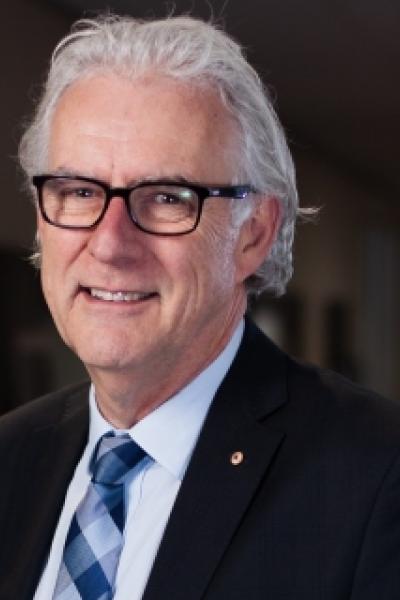
Christopher Findlay is an Honorary Professor at the Crawford School of Public Policy, Australian National University (ANU). He previously served as Executive Dean of the Faculty of the Professions at the University of Adelaide (2011–2018) and Head of the School of Economics at the University of Adelaide (2005–2011). His academic career includes roles as Professor of Economics at ANU’s Asia Pacific School of Economics and Government (1999–2005). He holds a BEc (Hons) from the University of Adelaide (1974), MEc from ANU (1977), and PhD in Economics from ANU (1982). His research focuses on international economics, Australia’s economic relationships with Asia, rural transformation, and climate change adaptation. He has led projects for the Australian Centre for International Agricultural Research (ACIAR) on farmer adaptation to climate change and rural transformation. He is a contributor to the Economic Research Institute for ASEAN and East Asia (ERIA) and has advised APEC and ASEAN Secretariats. Findlay is Vice-Chair of the Australian Committee for Pacific Economic Cooperation (AUSPECC) and has been involved in the Pacific Economic Cooperation Council (PECC) since its founding in 1980. His awards include membership in the Academy of the Social Sciences in Australia (2002) and the Order of Australia (AM, 2007). His work bridges academia and policy, emphasizing regional economic integration, trade policy, and sustainable development. Key contributions include analyses of services trade, global value chains, and structural reforms in Asia-Pacific economies.