معرفی
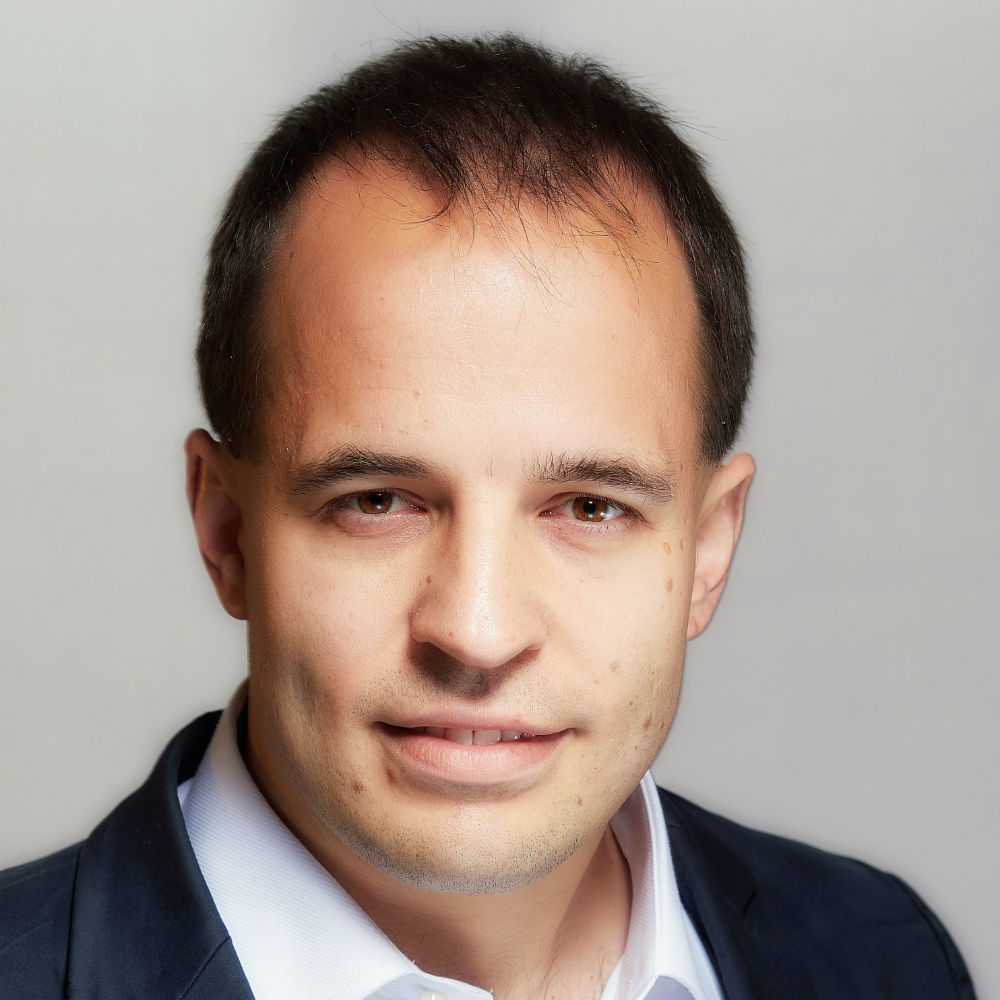
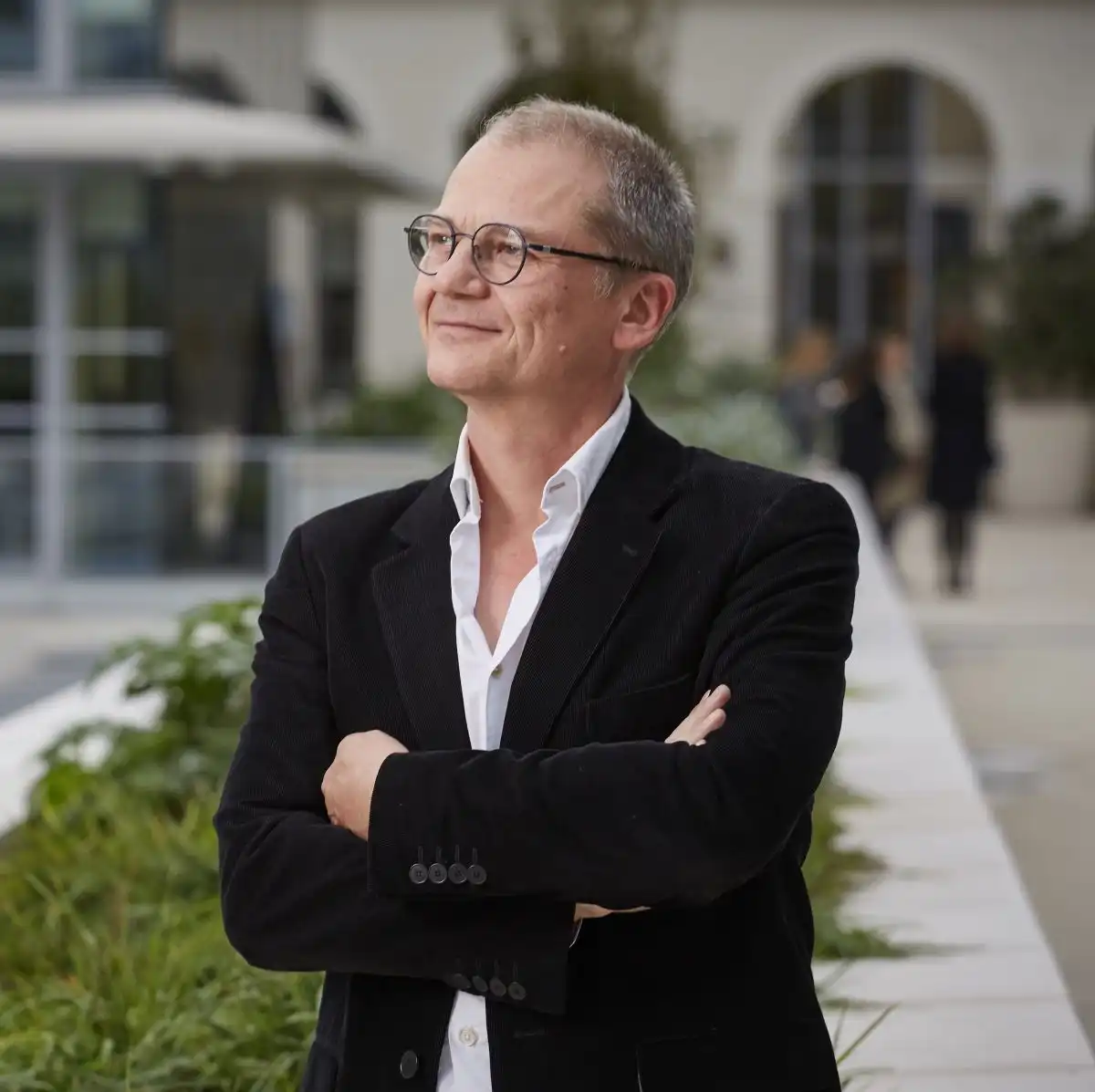
Bruno Palier is a CNRS Research Director at Sciences Po, affiliated with the Centre d'études européennes et de politique comparée (CEE) and a key member of the Laboratoire interdisciplinaire d’évaluation des politiques publiques (LIEPP). He is a leading scholar in comparative politics and public policy, focusing on the reform of social protection and pension systems in France and Europe.
- University: Sciences Po
- School: Centre d'études européennes et de politique comparée
- Academic Rank: Researcher (CNRS)
His research interests lie at the intersection of political science, sociology, and public policy. He is a foremost expert on the political economy of welfare state reform, social investment strategies, and the dynamics of pension reforms. His work examines how political institutions, economic pressures, and social actors shape the evolution of social policies across advanced democracies.
Palier's recent projects center on the contemporary crisis of work in France. He coordinated the 2023 collective work What Do We Know About Work?, which brought together 60 social scientists to document the realities of working conditions, management practices, digitalization, and inequalities. This project has sparked a major public and academic debate, leading to a follow-up initiative, Working Better, which aims to translate research findings into concrete policy proposals for improving the quality of work.
- Major Works:
- What do we know about work? (2023)
- Working Better (2025, forthcoming)
- The World Politics of Social Investment (2022, 2 vols.)
- Refonder le système de protection sociale (2014)
- Réformer les retraites (2021)
Throughout his career, Palier has led major research initiatives, including serving as the director of LIEPP (2014-2020) and coordinating the European Network of Excellence RECWOWE. He has also held visiting professorships at Harvard, Tokyo, and Stockholm universities, demonstrating his international academic standing. His work is highly influential in both academic circles and public policy debates, particularly in France.
He has a strong record of scientific mediation, actively engaging with the media and policymakers to bridge the gap between academic research and public discourse. His current work on the future of work and social investment represents a significant contribution to understanding and addressing some of the most pressing social challenges of our time.