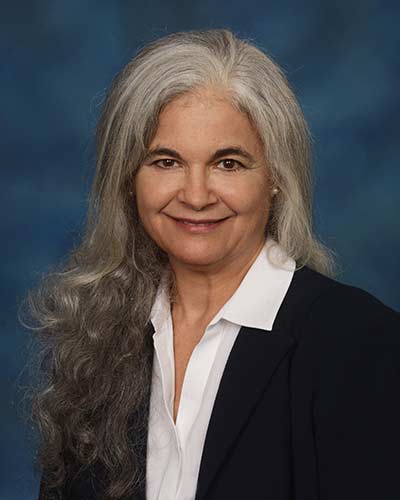
Toni M. Antalis, PhD, is a Professor in the Department of Pharmacology & Physiology at the University of Maryland School of Medicine. She serves as Associate Director of Training and Education for the Marlene and Stewart Greenebaum Comprehensive Cancer Center and Director of the Program in Molecular Medicine. Her research bridges vascular biology and cancer, focusing on membrane-anchored serine proteases and their role in tumor metastasis, inflammation, and coagulation. Doctorate in Biochemistry from Rice University Postdoctoral training in Cell Biology at Baylor College of Medicine Her laboratory investigates how protease-activated receptors (PARs) and the plasminogen activation system influence vascular disease and ovarian cancer progression. Current projects include studying fibrinolysis in thrombus resolution and developing protease-targeted therapies for metastatic ovarian cancer. Recent publications highlight roles of matriptase, testisin, and PAI-2 in tumor dissemination and vascular permeability. Dr. Antalis' research is funded by the National Institutes of Health (NIH), the Department of Defense, and a VA Merit Award. She has previously received support from the Lance Armstrong Foundation and Rivkin Center. She co-directs NIH-funded T32 and PREP programs for cancer training. Mentored numerous PhD students and postdoctoral fellows Developed engineered anthrax toxin prodrugs for ovarian cancer therapy (patents 10,568,929 and 11,013,784)
Vincent Rotello is a University Distinguished Professor of Chemistry at the University of Massachusetts Amherst. He holds multiple affiliations including Faculty in the Graduate Program in Molecular & Cellular Biology, the Center for Bioactive Delivery, the Models to Medicine program, the Center for Personalized Health Monitoring, and the Materials Science and Engineering Interdisciplinary Graduate Program at the Institute for Applied Life Sciences. Dr. Rotello received his B.S. in Chemistry (Honors) from Illinois Institute of Technology in 1985, followed by an M. Phil and Ph.D. in Chemistry from Yale University in 1987 and 1990, respectively. He completed an NSF Postdoctoral Fellowship at the Massachusetts Institute of Technology from 1990-1993 before joining the faculty at UMass Amherst. Professor Rotello's research focuses on supramolecular chemistry, particularly the study and application of non-covalent interactions including hydrogen bonding and aromatic stacking. His work spans nanotechnology, bionanotechnology, bioorthogonal chemistry, drug delivery, and antimicrobial development. His laboratory explores how these molecular recognition concepts can address essential questions in biology, biomedicine, and material chemistry, with particular emphasis on using synthetic organic chemistry to engineer interfaces between synthetic and biological worlds. The group has published over 650 peer-reviewed papers to date. His recent publications reveal a strong trend toward bioorthogonal catalysis, particularly 'nanozymes' and 'polyzymes' - nanomaterial scaffolds incorporating transition metal catalysts for localized drug and imaging agent generation. His research increasingly addresses biomedical applications including cancer treatment, bacterial infection control, and diagnostic development, with significant focus on antimicrobial applications and biofilm eradication. Arthur C. Cope Scholar Award (2023) Highly Cited Researcher by Clarivate (2014, 2015, 2018-2023) Fellow of the American Association for the Advancement of Science Fellow of the Royal Society of Chemistry (UK) NSF CAREER award Cottrell Scholar award Camille Dreyfus Teacher-Scholar Sloan Fellowship Professor Rotello has mentored numerous graduate students and postdoctoral fellows, with recent PhD graduates including Dr. Aarohi Gupta and Dr. Aritra Nath Chattopadhyay. His research group maintains active collaborations across multiple disciplines and has secured significant funding for their work in nanotechnology and bionanotechnology. The group has published over 650 peer-reviewed papers, demonstrating consistent productivity and impact in their field. The Rotello Lab operates within the Lederle Graduate Research Tower at UMass Amherst, with office in room 379 and laboratory space in room 320. The group consists of graduate students, postdoctoral fellows, and visiting scholars from around the world, working collaboratively on projects spanning antimicrobials, bioorthogonal chemistry, drug delivery, and sensing technologies. The lab has documented numerous visiting scholars from institutions across Europe, Asia, and North America, indicating strong international collaborations.
Derek S. Tan is a Professor in the Department of Biochemistry and Biophysics at Weill Cornell Medical College, holding a Tri-Institutional Professor position effective from 2025. His research integrates chemical synthesis with biological applications, focusing on drug discovery, enzyme mechanisms, and therapeutic engineering. He maintains an active research program with continuous NIH funding. Education: Ph.D., Harvard University (2000) B.S., Stanford University (1995) Research Focus: Professor Tan's work spans chemical biology, medicinal chemistry, and microbiology. He designs bioactive molecules targeting bacterial permeability, enzyme inhibition, and cellular therapeutics. Key areas include ubiquitin pathway biochemistry, antibiotic development against Mycobacterium tuberculosis and Plasmodium falciparum , and engineered T-cell therapies for cancer. His interdisciplinary approach bridges synthetic chemistry with translational applications. Publication Trends: Recent articles (2021-2024) demonstrate three primary themes: 1) Development of mechanistic probes for enzyme systems (ubiquitin pathway, aminoacyl-tRNA synthetases), 2) Antibacterial/antiparasitic agent design leveraging bacterial permeability studies, and 3) Cellular engineering strategies including CAR-T micropharmacies for targeted drug activation. The work consistently combines synthetic chemistry innovation with biological validation. Grants: As Principal Investigator of the Tri-institutional PhD Program in Chemical Biology (NIH/NIGMS funded), he leads initiatives spanning 2020-2025 and 2025-2030. This underscores sustained commitment to interdisciplinary training at the chemistry-biology interface.
Professor Luke Lairson leads the Lairson Laboratory at The Scripps Research Institute (TSRI), focusing on chemical biology to study cell fate mechanisms in disease. His work spans small molecule discovery targeting cancer stem cells, tumor microenvironment modulation, and myelination enhancement using primary human and rodent cell models. Education: PhD in Chemistry (2007, University of British Columbia), BS in Biochemistry (2002, University of Guelph). Professional roles include Assistant Professor at TSRI (2010–present), Principal Investigator at the Genomics Institute of the Novartis Research Foundation (2010–2011), and Director of High Throughput Discovery at California Institute for Biomedical Research (2016–2017). Research Interests: Chemical approaches to cancer immunotherapy, drug discovery for neurodegenerative diseases, and modulation of immune checkpoint proteins. Key projects include STING agonist development, HSP90 inhibitors, and metabolite-driven oligodendrocyte maturation. Publications: Over 50 peer-reviewed articles, including high-impact work in PNAS , Nature Chemical Biology , and Cancer Research . Recent focus areas include microbiota-derived STING activators and JAK-inhibitor immunotherapy combinations. Awards: Canadian Society for Chemistry Boehringer Ingelheim Thesis Award (2010), Royal Society Short Visit Award (2007), and multiple scholarships for organic chemistry innovation. Lab Activities: Integrates high-content screening, medicinal chemistry, and proteomics to identify mechanism-based therapies. Current initiatives include repurposing drugs for remyelination and developing non-nucleotide STING agonists for systemic cancer immunotherapy.
Robert Falconer serves as Professor of Medicinal Chemistry and Director of the Institute of Cancer Therapeutics (ICT) at the University of Bradford. A registered pharmacist with the General Pharmaceutical Council, he leads a multidisciplinary research team focused on tumor glycocalyx targeting and protease-activated anticancer prodrugs. His academic journey spans from pharmacy training at The School of Pharmacy, University of London to establishing the medicinal chemistry program at ICT in 2005. Pharmacy Degree: The School of Pharmacy, University of London (now UCL School of Pharmacy) PhD in Medicinal Chemistry: London (2000) Professional Registration: General Pharmaceutical Council Professor Falconer's research centers on tumor glycocalyx modulation through polysialyltransferase inhibition and protease-activated drug delivery systems. His work spans osteosarcoma, neuroblastoma, breast, and prostate cancers with emphasis on developing targeted therapies that minimize systemic toxicity. The Falconer group employs computational design, solid-phase synthesis, and advanced biological evaluation techniques to develop novel anticancer agents. His publication portfolio demonstrates consistent focus on tumor-specific activation mechanisms (2023-2025), glycocalyx-targeted metastasis inhibition (2019-2021), and prodrug development (2010-2014). Recent work emphasizes theranostic applications and DNA repair targeting for pediatric cancers. Fellow of the Royal Society of Chemistry Former Honorary Treasurer, RSC Central Yorkshire Local Section Trust (2012-2018) Registered Pharmacist with General Pharmaceutical Council As principal investigator, Falconer has secured substantial funding from Breast Cancer Now, Bone Cancer Research Trust, Worldwide Cancer Research, and Neuroblastoma UK. He leads the £2m ICT Doctoral Training Centre and co-founded spin-out company Incanthera plc, which is advancing the MMP-targeted prodrug ICT2588 to clinical trials. His mentorship includes three PhD students and multiple postdoctoral researchers developing next-generation cancer therapeutics. The Falconer group operates within the ICT's state-of-the-art facilities, collaborating with Stanford University, University of Sheffield, and Ellipses Pharma. Current projects address unmet needs in pediatric oncology while developing platform technologies applicable across multiple cancer types.
Pratip K. Bhattacharya, Ph.D. , is an Associate Professor in the Department of Cancer Systems Imaging and the Department of Imaging Physics at The University of Texas MD Anderson Cancer Center, with a joint appointment in the Graduate School of Biomedical Sciences at The University of Texas Health Science Center. He is a principal investigator leading the Bhattacharya Laboratory, dedicated to advancing magnetic resonance imaging (MRI) through hyperpolarization techniques for applications in cancer and cardiovascular diseases. His research focuses on developing real-time metabolic and molecular imaging methods using hyperpolarized 13 C and 15 N-labeled compounds and silicon nanoparticles. These innovative probes significantly enhance MRI sensitivity, enabling non-invasive assessment of tissue metabolism and targeted imaging. His lab's work spans three primary areas: real-time metabolic MR imaging, targeted molecular MR imaging with functionalized silicon nanoparticles, and high-resolution MR metabolomics. These efforts are aimed at improving disease diagnosis and therapy monitoring. Analysis of his recent publications reveals a strong and consistent focus on hyperpolarized MRI, particularly using silicon particles and metabolic tracers like succinate, to visualize cancer metabolism and cardiovascular conditions in vivo. His research integrates physics, chemistry, and biomedical engineering to create novel imaging tools with direct clinical translational potential. PHIP Hyperpolarization Dynamic Nuclear Polarization (DNP) Hyperpolarized Silicon Nanoparticles Real-Time Metabolic Imaging Cancer and Cardiovascular Imaging Theranostic Applications Dr. Bhattacharya actively mentors graduate students and postdoctoral fellows, including Saleh Ramezani, Jose Enriquez, Dontrey Bourgeois, and Kang-Lin Hsieh. He collaborates closely with physician-scientists, radiologists, and oncologists to ensure his imaging science innovations address critical clinical needs. His laboratory is supported by grant funding, facilitating the development of cutting-edge imaging technologies. The Bhattacharya Laboratory is a key component of the Division of Diagnostic Imaging at MD Anderson, fostering a collaborative environment for interdisciplinary research. The lab focuses on translating fundamental discoveries in hyperpolarization physics into practical tools for improving cancer care.
Professor Paul M. O'Neill is a distinguished academic at the University of Liverpool with appointments spanning the Department of Chemistry and Pharmacology. With over 30 years of experience in medicinal chemistry and drug discovery, he has established himself as a leading researcher in anti-infective drug development, particularly for neglected tropical diseases. His research interests focus on synthetic organic chemistry, pharmacology, drug-design, chemical biology, and medicinal chemistry of anti-infectives. Professor O'Neill's work spans the entire drug discovery pipeline from hit identification through to clinical candidate selection. His group has developed several drug candidates that have progressed to clinical trials, including Isoquine for malaria and AWZ1066S for filariasis. Analysis of his recent publications reveals a strong focus on malaria drug discovery, tuberculosis research, and filariasis treatment. His work combines medicinal chemistry with chemical biology approaches to understand mechanisms of action and validate drug targets. A significant portion of his research involves collaborations with the Liverpool School of Tropical Medicine (LSTM). Royal Society of Chemistry Malcolm Campbell Award (2011) RSC Chemistry Biology Interface Horizon Prize: Rita and John Cornforth Award (2024) Queens Anniversary Prize in Pharmacology (2018) Professor O'Neill has supervised 52 PhD students to completion and authored 191 publications with impressive citation metrics (WOS h-index = 55, Google Scholar h-index = 70). His research has been supported by major grants including funding from GSK, MMV, Wellcome Trust, MRC, and Eisai Ltd. His laboratory operates at the interface of chemistry and biology, with active programs targeting malaria, tuberculosis, and filarial diseases, making significant contributions to anti-infective drug discovery for neglected tropical diseases.
Prof. Chris Meier is a distinguished Professor of Organic Chemistry at the University of Hamburg, Germany, where he leads the research group AG Meier within the Institute of Organic Chemistry, Department of Chemistry, Faculty of Mathematics, Informatics and Natural Sciences (MIN Faculty). With over two decades of academic leadership, he serves as Co-Speaker of Collaborative Research Center 1648 "Emerging Infections" and has held significant roles including Scientific Director of the Centre for Structural Systems Biology (CSSB) and President of the International Society for Nucleosides, Nucleotides and Nucleic Acids (IS3NA). Dr. Meier's educational background includes a Chemistry degree (Dipl. Chem.) from the University of Marburg/Lahn (1982-1987), followed by his doctorate in Organic Chemistry from the same institution (1987-1989). He completed postdoctoral research at the Pasteur Institute in Paris (1990-1991) and habilitated at Goethe University Frankfurt (1996) before his appointment as C4/W3 Professor at the University of Hamburg in 1999. Professor Meier's research program focuses on nucleoside and nucleotide chemistry, with particular emphasis on pronucleotide development, antisense oligonucleotide chemistry, and stereoselective synthesis of carbocyclic nucleoside analogs. His laboratory investigates molecular mechanisms of chemical carcinogenesis through synthesis of arylamine-modified oligonucleotides and develops innovative organic synthesis methods based on solid support. The group's work bridges fundamental organic chemistry with biomedical applications, particularly in antiviral and anticancer drug development. Recent publications highlight advancements in TriPPP ro -technology for nucleoside triphosphate delivery and metabolic labeling applications. 2018: Antonín Holý Memorial Award from the International Society for Antiviral Research (ISAR) 2007: William Prusoff Award from ISAR 1995: Adolf-Messer Prize for Interdisciplinary Research 1992-1996: Habilitation Scholarship from the German Research Foundation (DFG) 1990-1992: Liebig Postdoctoral Fellowship Professor Meier has successfully mentored numerous doctoral students and postdoctoral researchers, many of whom have gone on to establish independent research careers. His laboratory maintains active collaborations with virology and immunology groups across Europe, particularly with institutions in France (Pasteur Institute, University of Aix-Marseille) and Belgium (KU Leuven). The group has secured substantial funding through multiple Collaborative Research Centers (SFBs) and has developed several patented technologies related to pronucleotide delivery systems. The Meier laboratory operates state-of-the-art organic synthesis facilities within the Institute of Organic Chemistry and maintains close ties with the Centre for Structural Systems Biology (CSSB), where they utilize advanced imaging and structural biology techniques to characterize their compounds. The research group actively participates in the International Society for Antiviral Research and contributes to the development of novel antiviral strategies through both basic research and translational applications.
Kevin McHugh is an Assistant Professor of Bioengineering at Rice University and a CPRIT Scholar in Cancer Research. He leads the McHugh Lab, which focuses on developing biomaterial microdevices for drug delivery, cancer immunotherapy, and tissue engineering using advanced fabrication techniques like multi-photon 3D printing. His work bridges materials science, immunology, and global health, with a particular emphasis on single-injection vaccines and controlled-release systems. Education Ph.D., Biomedical Engineering, Boston University (2014) M.S., Biomedical Engineering, Boston University (2012) B.S., Biomedical Engineering, Case Western Reserve University (2009) Research Interests McHugh’s lab explores three core areas: Drug Delivery: Designing systems for targeted drug release to improve vaccine efficacy and chronic disease management. Cancer Immunotherapy: Developing localized immunostimulatory therapies to enhance anti-tumor responses. Tissue Engineering: Creating bioinstructive scaffolds for functional tissue regeneration. Recent projects include a $2M CPRIT grant for cancer immunotherapy and Gates Foundation funding to develop combination vaccines for the developing world. Grants & Awards CPRIT Scholar in Cancer Research NIH R21 Award (2024) NIH R25 Award (2024) Gates Foundation Grant (2024) Lab & Collaborations The McHugh Lab collaborates on translational research, with a focus on clinical feasibility. Notable achievements include microneedle-based vaccination record systems and heat-stable vaccine microparticles. The lab actively trains students in bioengineering, materials science, and immunology.
Liu Hongmei is a Researcher and Master's Supervisor at Southern University of Science and Technology's Department of Biomedical Engineering. Holding a Ph.D. from the Chinese Academy of Sciences, she specializes in micro-nano robotics and tissue engineering for tumor therapy, with over 66 publications and 12 patents. Her work bridges biomedical engineering and nanotechnology for precision cancer treatments. B.S., Biological Sciences, Harbin Normal University (2005) M.S., Botany, Northeast Agricultural University (2008) Ph.D., Biochemical Engineering, Chinese Academy of Sciences (2015) Her research focuses on biomaterials engineering , nanoparticle drug delivery , and microenvironment-responsive hydrogels . Key areas include glioma therapy, traumatic brain injury recovery, and intervertebral disc degeneration treatments. Recent work explores pH/ROS/inflammation-triggered hydrogels and bioengineered bacteria for disease modulation. Article trends show a strong emphasis on nanoparticle design (2014-2025) for glioma, hydrogel development (2017-2025) for tissue repair, and biomimetic material synthesis (2023-2025) inspired by spider silk and meniscus structures. Sub-fields span pyroptosis inhibition, epigenetic reprogramming, and microbiome engineering. Jiangsu Science and Technology Award (2020) Jiangsu Medical Science and Technology Award (2020) Jiangsu Educational Science Research Award (2021) Chinese Medical Doctor Association's Outstanding Young Scientist (2018) Liu has supervised numerous projects including National Natural Science Foundation of China grants, Jiangsu Province Key R&D Program funding, and Shenzhen City General Projects. She holds 12 Chinese invention patents and collaborates with institutions like the UNESCO Centre for Higher Education Innovation.
Karen S. Anderson is a Professor of Pharmacology and Molecular Biophysics and Biochemistry at Yale School of Medicine, with a primary appointment in the Department of Pharmacology. She serves as Co-Leader of Developmental Therapeutics at Yale Cancer Center and Co-Director of the Therapeutics/Chemotherapy Program. Dr. Anderson is also an undergraduate research mentor and fellow at Pierson College at Yale, where she advises freshman students. Dr. Anderson's research program focuses on mechanistic enzymology and structure-based drug design to develop novel therapeutics. Her work centers on understanding molecular mechanisms of enzymes that play critical roles in cancer and infectious diseases, including HIV/AIDS. She has made significant contributions to the understanding of HIV reverse transcriptase, anticancer targets like EGFR and HER-2, and enzymes involved in parasitic infections. Her laboratory employs a multidisciplinary approach combining biophysical techniques, structural studies, and computational methods to advance drug discovery. Analysis of her recent publications (2023-2025) reveals a strong research trajectory spanning three main areas: HIV drug resistance and novel inhibitors, cancer therapeutics focusing on resistance mechanisms and targeted therapies, and antiviral/antimicrobial drug development including work on SARS-CoV-2. Her research demonstrates consistent innovation in structure-based drug design approaches across multiple disease areas. Selected Awards and Honors: Enzymes, Coenzymes, & Metabolic Pathways Gordon Research Conference Chair (2001) Yale Cancer Breast Cancer Initiative Research Award (1996) Dean's Young Faculty Award from Yale University (1991) Multiple Monsanto Research Achievement Awards (1985-1989) YWCA Women's Leadership Award (1986-1987) Dr. Anderson has trained over 50 undergraduates, graduate students, M.D./Ph.D. students and postdoctoral fellows who have gone on to successful careers in academia and industry. Her laboratory, the Anderson Lab, focuses on translating mechanistic and structural studies into novel therapeutic approaches for viral infections and cancer. The lab utilizes a range of biophysical techniques to study clinically relevant proteins with the goal of developing more effective therapies for conditions including cancer, infectious diseases, and neurodegenerative disorders.
Jia Zhao serves as a Research Fellow at the Yale School of Public Health, Yale University, specializing in advanced drug delivery systems and nanotechnology for oncological and neurological applications. Their work bridges pharmaceutical sciences, polymer engineering, and clinical therapeutics to develop innovative solutions for cancer treatment and brain disorders. Research focuses on: Stimuli-responsive nanocarriers activated by tumor microenvironment conditions (pH, ROS, glutathione) Brain-targeted delivery systems for brain cancer and stroke therapy Enzymatic synthesis of biodegradable polymers for controlled drug release ROS-amplifying chemo-sonodynamic combination therapies Biodegradable contraceptive implant technology Recent publications (2020-2024) reveal a strategic emphasis on overcoming biological barriers through multi-stimuli responsive materials, particularly for brain tumor treatment where blood-brain barrier penetration remains challenging. Key innovations include glutathione-consumable nanoparticles for enhanced chemodynamic therapy and polymeric systems enabling endosomal escape in mRNA delivery. The research consistently integrates polymer chemistry with oncology to address drug resistance mechanisms in aggressive cancers. Contact is maintained through Yale School of Public Health with the professional email jia.zhao@yale.edu, reflecting active engagement in the academic community.
Professor Celine J. Marmion is a distinguished academic at the Royal College of Surgeons in Ireland (RCSI), where she serves as Professor of Bioinorganic Chemistry in the Department of Chemistry within the Faculty of Medicine & Health Sciences. She currently holds the position of Deputy Dean for Student Engagement. With over two decades of experience at RCSI, Professor Marmion has established herself as a leading researcher in medicinal chemistry and bioinorganic chemistry, with particular expertise in developing metal-based anticancer therapeutics. Professor Marmion received her academic training at the University of Surrey, where she earned her BSc(Hons) in Chemistry & Biology in 1990, followed by a PhD in Bioinorganic Chemistry in 1994. Her doctoral research focused on vanadium complexes in relation to nitrogen fixation under the supervision of Professor Lesley Larkworthy. She subsequently completed a Postgraduate Certificate in Education (PGCE) from the University of Kingston in the UK in 1996-1997. Professor Marmion has a passion for bridging the interface between medicinal chemistry and biology. Her research primarily focuses on the role of hydroxamic acids in chemistry and biology, the structural diversity and biomedical applications of metal complexes, and the synthesis and pharmacological evaluation of innovative, multi-functional metallodrug candidates as anti-cancer therapeutics. She has made significant contributions to the development of platinum and copper-based anticancer agents, histone deacetylase inhibitors, and metallo-antibiotics designed to overcome antimicrobial resistance. Professor Marmion's extensive publication record demonstrates a clear trajectory toward multi-targeted metallodrug development. Her recent work shows increasing sophistication in designing compounds that simultaneously address multiple cancer pathways while overcoming drug resistance mechanisms. A notable trend is the integration of clinically approved drugs with metal complexes to create dual-functioning therapeutics with enhanced efficacy. Her research spans from fundamental coordination chemistry to translational studies with promising in vitro and in vivo results. Professor Marmion's contributions to academia and research have been widely recognized: RCSI Dean's Academic Award for 'Endeavour, Innovation, Collaboration and Service' (2016) Fellow of the Royal Society of Chemistry (2013) Fellow of the Institute of Chemistry of Ireland (2015) Vice-President (2017) and President (2019) of the Institute of Chemistry of Ireland President of the Irish Biological Inorganic Chemistry Society (2018) RCSI Innovation Award for research commercialization (2016) National 'Teaching Hero' Award (2016) RCSI President's Teaching Award (2009, 2015) Professor Marmion has supervised numerous PhD students in Pharmaceutical & Medicinal Chemistry through the RCSI Apjohn scholarship program. She has secured significant research funding, including five Science Foundation Ireland grants and multiple Enterprise Ireland awards. Her research projects span from fundamental studies on metal complex chemistry to translational research focused on developing novel anticancer and antimicrobial metallodrugs. Notable projects include 'Breaking the cancer drug resistance paradigm' (SFI, 2018) and 'Platinum(IV) Prodrugs for Precision Cancer Therapy' (Enterprise Ireland, 2019). Professor Marmion leads a vibrant research group focused on developing innovative metallodrugs for cancer therapy. She has established fruitful collaborations with DCU (particularly with Dr. Kellett), French pharmaceutical companies, and international partners through COST Actions. Her research team combines expertise in synthetic chemistry, pharmacology, molecular biology, and drug development to create next-generation metal-based therapeutics that address the limitations of current clinical agents.
Hung V.-T. Nguyen is an Assistant Professor of Engineering at the Thayer School of Engineering, Dartmouth College. His research focuses on developing polymer-based platforms for drug delivery and nanomedicine, with applications in cancer therapy and biomedical engineering. Prior to Dartmouth, he earned his PhD in Chemistry from MIT (2019) and co-founded Window Therapeutics, a startup focused on drug delivery technologies. Education: Bachelor of Science in Chemistry, University of North Carolina at Chapel Hill, 2013 PhD in Chemistry, Massachusetts Institute of Technology, 2019 Research interests include molecular engineering of polymers for targeted drug delivery, design of prodrugs with controlled release kinetics, and development of imaging agents for real-time therapeutic monitoring. His work integrates polymer chemistry with biological systems to address challenges in cancer treatment and regenerative medicine. Key achievements include pioneering bottlebrush prodrugs for combination cancer therapies and developing pro-organic radical contrast agents (pro-ORCAs) for MRI imaging. His team’s innovations have led to patents in drug delivery systems and polymer architectures. Awards: Mentorship Spotlight Award (2021), IUPAC-Solvay International Award (2020), NSF Graduate Research Fellowship (2014–2019) Nguyen advises graduate and undergraduate students in the Nguyen Group, emphasizing interdisciplinary collaboration. He teaches ENGS 25: Introduction to Thermodynamics at Dartmouth and has launched a research lab focused on translating engineering advancements into clinical applications.
Scott Wilson, PhD, is an Assistant Professor in the Department of Biomedical Engineering at Johns Hopkins University, affiliated with the Translational Tissue Engineering Center. His research focuses on synthesizing immunomodulatory biomaterials to control adaptive immune responses for treating malignancies, infectious diseases, and autoimmune conditions. Key interests include tolerance-inducing therapies, spatial-temporal drug delivery, and nanoparticle formulations. Education: PhD in Chemical Engineering (Bioengineering) from Georgia Institute of Technology (2011) MS in Chemical Engineering from University of Oklahoma (2004) BS in Chemical Engineering from University of Oklahoma (2001) Research Interests: Wilson’s lab develops bespoke biomaterials to bias immune responses toward immunity or tolerance. Projects include cancer immunotherapy via polymeric glyco-adjuvants, allergy suppression through glycoengineered antigens, and antimicrobial coatings for titanium implants. His work bridges organic chemistry and biomedical applications, emphasizing preclinical validation. Collaborative Grants: Wilson contributed to two Johns Hopkins Discovery Awards (2020 and 2024), fostering interdisciplinary projects. His lab collaborates on translational efforts, including gene therapy delivery systems and osseointegration enhancements. Labs & Teams: The Wilson Laboratory for Biomaterials Synthesis and Immunoengineering focuses on engineering immune responses via functional biomaterials. Key themes include antigen-specific tolerance induction and targeted drug delivery platforms.