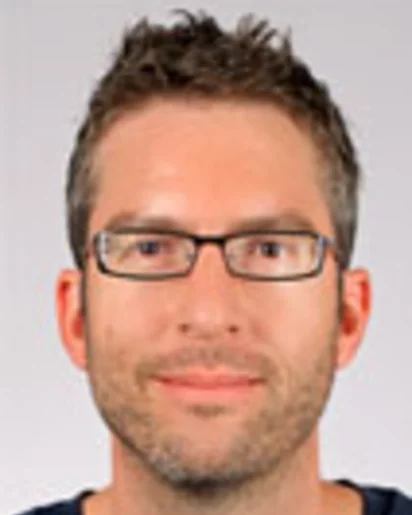
Andreas Knecht is a Researcher at the Paul Scherrer Institute (PSI) in Switzerland, affiliated with the Laboratory for Particle Physics and the Muon Physics group. His work focuses on muon-induced spectroscopy, nuclear structure analysis, and beamline engineering. His research spans muonic x-ray spectroscopy , charge radius measurements , and high-intensity muon beam optimization . Key methodologies include laser spectroscopy , target fabrication , and non-destructive elemental analysis . He contributes to infrastructure projects like HIMB (High-Intensity Muon Beams) and IMPACT upgrades. Recent publications highlight advancements in two-dimensional muon beam compression , superconducting magnet design , and precision detection systems for experiments like Mu3e and MONUMENT. His work intersects experimental particle physics , atomic physics , and applied material science . At PSI, he collaborates on non-destructive testing applications for cultural heritage (e.g., late antique fibula analysis) and energy storage diagnostics via Muon-Induced X-ray Emission (MIXE). His technical expertise includes molecular plating , SiPM cryogenics , and beam monitoring detectors .
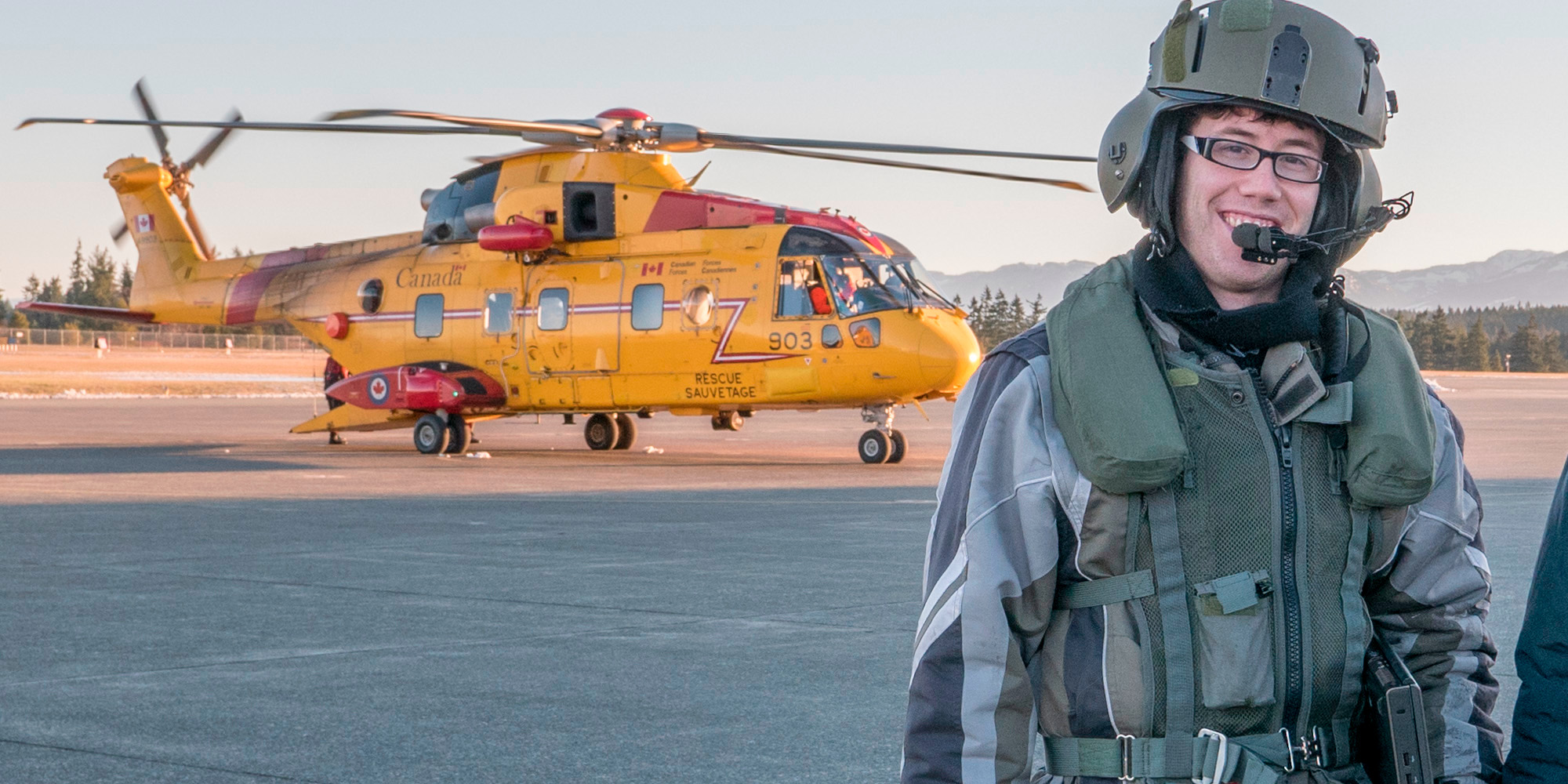
Andrew Lawrence Price is a Canadian Postdoctoral Researcher currently working at École Polytechnique Fédérale de Lausanne (EPFL) in both the Computer Vision Laboratory (CVLAB) within the School of Computer and Communication Sciences and the Education Services Centre (ESC). He holds a PhD in Spacecraft Robotics from Tohoku University, Japan (2019-2024), an MASc in Flight Research from National Research Council and Carleton University, Canada (2013-2015), and a B.Eng in Aerospace from Carleton University, Canada (2009-2013). Dr. Price's research focuses on the intersection of computer vision, robotics, and space applications. His work addresses critical challenges in spacecraft pose estimation, particularly for resource-constrained systems where computational capacity is limited. He has developed innovative approaches for network quantization in 6D object pose estimation, enabling high-accuracy performance with significantly reduced computational requirements. His research spans both theoretical development and practical implementation, with applications ranging from small satellite operations to asteroid exploration missions like the Hayabusa2 Minerva-II2 deployment. His publication record demonstrates a clear evolution from earlier work in aerospace acoustics and vibration analysis to his current focus on computer vision for space applications. The most recent publications reveal a strong emphasis on solving practical constraints in space missions, particularly addressing bandwidth limitations in spacecraft communications and computational constraints in onboard processing systems. His work bridges multiple disciplines, connecting aerospace engineering with cutting-edge computer vision techniques. Invited Lecturer, SPACEONOVA 2022 AI For Space Workshop Best Presentation Award, CVPR 2021 GP-Mech Exchange Scholarship, Tohoku University 2020 Recipient of the Japan Monbukagakusho MEXT Scholarship, Japan Government 2019 International Institute of Noise Control Engineering: Young Professional Grant, INTERNOISE 2017 Various Departmental and Dean's List Scholarships, Carleton University 2009-2015 As Academic Referent for the EPFL Spacecraft Team (EST), Dr. Price contributes to student-led space projects, providing guidance on technical aspects of spacecraft development. His GitHub repositories demonstrate active engagement with open-source tools for space applications, including the Orbit and Tumble Integrator project. His work spans both academic research and practical implementation, with code repositories showing his commitment to reproducible research and practical tool development for the space community.
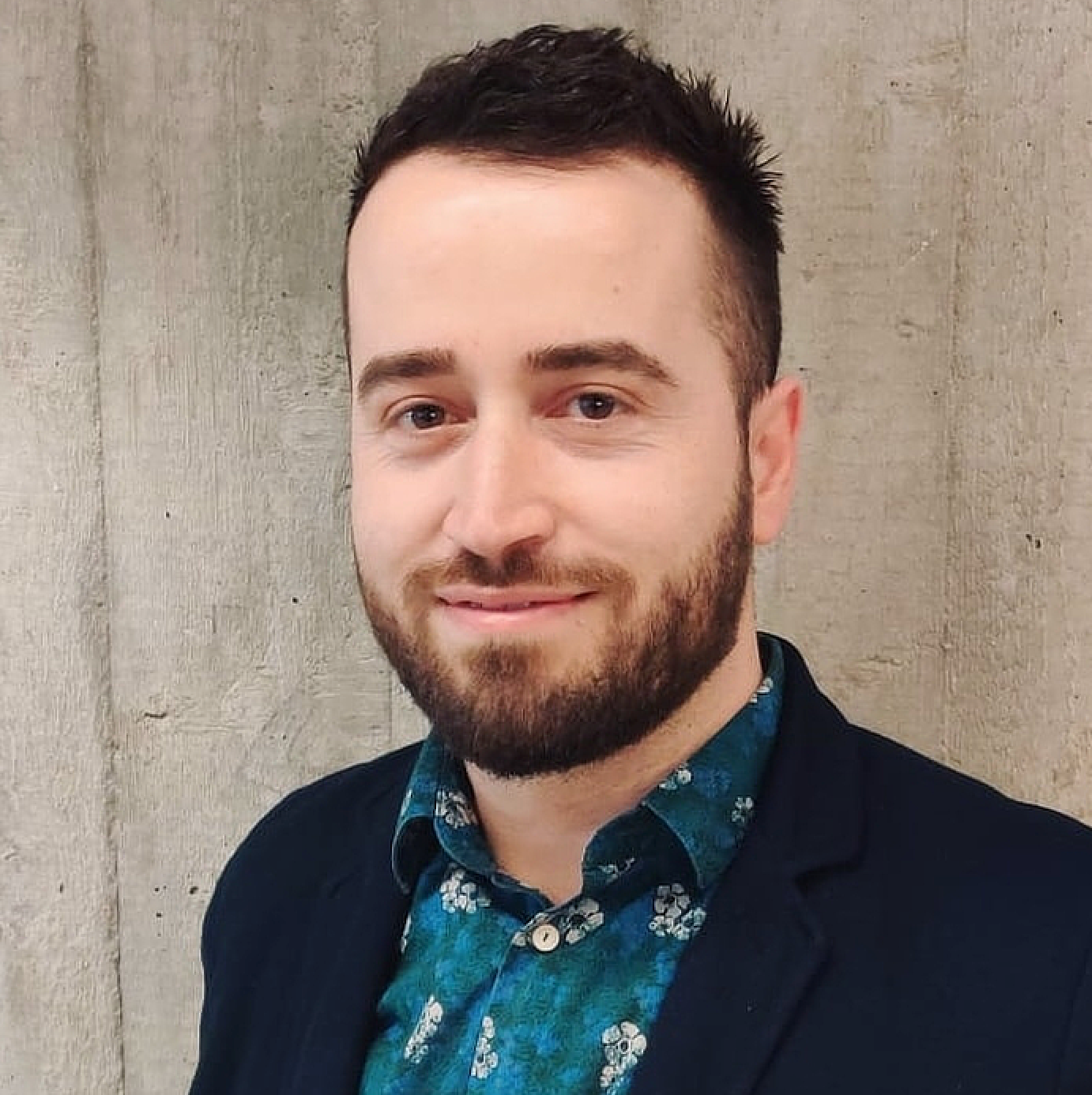
Armand Kapaj is a Postdoctoral Researcher at the University of Zurich's Faculty of Science, Department of Geography, affiliated with the Geographic Information Visualization and Analysis (GIVA) research group. His work explores mobile map design, spatial cognition, and navigation in spatially enabled societies. Research Focus: Mobile cartography, spatial cognition, and human-computer interaction Labs: GIVA research group Contact: armand.kapaj@geo.uzh.ch Research examines how mobile maps influence visual attention, spatial learning, and cognitive load during navigation tasks. Key themes include landmark visualization, attention guidance, and navigation interface effectiveness. Scientific contributions include 15 recent publications analyzing mobile map design's impact on spatial knowledge acquisition, landmark memory, and route cognition through experimental studies and VR simulations.
Bithiah Yuan is a Doctoral Candidate in Informatics at the University of Zurich, where she works as a Researcher in the Information Management Research Group. She also holds a Research Associate position at the HIAS LAB (Berner Fachhochschule) since 2025. Doctoral Candidate, Informatics, University of Zurich (2025–present) Research Associate, HIAS LAB, Berner Fachhochschule (2025–present) Clinical Psychology Intern, Psychiatric Center Upper Valais (2024) Her research focuses on Human-AI Collaboration, Explainable AI, and Machine Learning, with applications in Financial Question Answering systems. She developed FinBERT-QA , a BERT-based system for financial domain QA that improved state-of-the-art results by ~20% on ranking metrics. Key technical contributions include integrating Anserini for BM25 retrieval, developing pointwise and pairwise learning approaches for BERT fine-tuning, and creating open-source tools for financial data processing. Her work combines Information Retrieval, Deep Learning, and Financial Data Analysis. She has previously worked as a Founding Data Scientist (Genova AI), UX Consultant (Motionworks), and Developer Experience Engineer (Jina AI). Her internships included Mathematics research at University of Maryland (funded by NSF) and Texas A&M University.
Dr. Don Tuggener is a Researcher at the ZHAW Zurich University of Applied Sciences' School of Engineering, affiliated with the Centre for Artificial Intelligence. His work focuses on Natural Language Processing (NLP), Computational Linguistics, and Machine Learning applications in professional training and AI evaluation. He leads or collaborates on projects such as Meaning@Work (stress management for healthcare professionals), Virtual Kids (child interrogation training), and Favi-Score (bias detection in AI evaluation). His research emphasizes dialogue systems, generative AI ethics, and legal text analysis. Key projects include developing frameworks for conversational AI evaluation (Spot The Bot), large-scale legal text classification (LEDGAR corpus), and innovative training tools using LLMs. He has contributed to over 30 peer-reviewed publications since 2011, spanning topics like compound splitting in German, coreference resolution, and generative AI applications in professional contexts. As an editor for SwissText conferences and reviewer for ACL/EMNLP, he actively participates in the NLP academic community. Project Leadership: Virtual Kids, Interscriber Deputy Leadership: AutoNews, PRISM, SCAI Core Research Themes: AI ethics, dialogue systems, legal NLP Recent work highlights AI's role in professional education (e.g., investigative interviews with children) and societal challenges (hate speech mitigation via social influencers).
Prof. Henriette Elise Breymann is a Professor in the Department of Finance, Risk Management and Econometrics at the ZHAW School of Engineering, Zurich University of Applied Sciences (ZHAW). Her research focuses on financial risk modeling, algorithmic contract standards (ACTUS), big data analytics, and regulatory technology (RegTech). She has led numerous projects, including Data Driven Financial Risk and Regulatory Reporting, Strengthening Swiss Financial SMEs through Reinforcement Learning, and Explainable AI in Credit Risk Management. Her work intersects finance, physics, and computational methods, with contributions to energy economics (e.g., renewable energy systems), high-frequency financial data analysis, and quantum chaos applications. She co-authored Unified Financial Analysis: The Missing Links of Finance (2009) and pioneered the ACTUS framework for standardizing financial contracts. Projects: 12+ leadership roles in applied finance, risk modeling, and energy systems. Key Expertise: Regulatory reporting, stress testing, and data-driven financial systems. ACTUS Standard: Global initiative for granular financial contract representation. Her research spans interdisciplinary collaborations, including the Risk- and Finance-Lab, and has been presented at major conferences like the Society for Economic Measurement. She advises on regulatory innovations and financial resilience strategies for SMEs.
Dr. Thomas Oskar Weinmann is the Head of the Research Focus Area Scientific Computing & Algorithmics at ZHAW School of Engineering, Zurich University of Applied Sciences (ZHAW). His research interests include Bayesian probabilistic models, machine learning, optimization, and visual computing. He holds a PhD in Mathematics from ETH Zürich (2003–2007) and completed a CAS in Visual Computing at ETH Zürich in 2011. Education: PhD in Mathematics, ETH Zürich (2003–2007) CAS Visual Computing, ETH Zürich (2011) His current research projects include: Smart Acquisition for Ultra-High field NMR Spectroscopy (Deputy project leader, ongoing) Raman for Process Analytics (Team member, ongoing) Target Recognition using Artificial Intelligence (TRAI) (Project leader, ongoing) Completed projects include machine learning applications in NMR spectroscopy, varroa mite counting in honeybee colonies, football motion data analysis, and NoSQL database systems. His publications span Bayesian spectral analysis and query optimization in NoSQL systems.
Professor Gernot Kurt Boiger is a faculty member at ZHAW Zurich University of Applied Sciences, leading the Research Area 'Multiphysics Modelling and Imaging' within the School of Engineering's Institute of Computational Physics. His primary role is Professor for Modelling Multiphysics Applications, combining academic teaching with advanced research in computational physics and industrial applications. Education : PhD in Thermofluiddynamic Simulation & Model Development (2009) - University of Leoben MSc in Process Engineering for Industrial Environmental Protection (2009) - University of Leoben BSc and Continuing Education in Higher Professional Education (2005) - ZHAW Research Interests : Boiger specializes in multiphysics simulation for product/process development, focusing on CFD, particle-laden flows, and microstructure analysis. His work integrates OpenFOAM-based computational tools with experimental validation, addressing challenges in filtration, energy systems (e.g., wood gasification), and material optimization. Key applications include: Electrostatic powder coating simulations Thermofluid dynamics in solid oxide fuel cells Acoustic metamaterials for vibration control Articles Overview : His recent publications (2020–2024) emphasize multiphysics modeling in energy systems, materials science, and industrial applications. Notable themes include SOFC electrode microstructure optimization, magnetorheological elastomers for acoustic control, and CFD validation for CO₂ plume transport. Awards : Rektor Platzer Ring (2005) - University of Leoben Grants & Projects : Lead or deputy leader on over 20 industrial projects, including: Simulation-based optimization of pharmaceutical production processes Development of ceramic heaters for extreme temperatures Cloud-based simulation platforms (e.g., kaleidosim) Labs & Teams : Head of the OpenFOAM for Multiphysics Applications team (2014–2018) and currently leads the Multiphysics Modelling and Imaging research group. He also contributes to the International Society of Multiphysics as Vice President Europe and editorial board member.
Farhad Nooralahzadeh is affiliated with the ZHAW School of Engineering at Zurich University of Applied Sciences (ZHAW), where he holds a Researcher position within the Intelligent Information Systems department. His primary role involves leading and co-leading key projects such as DataGEMS (Horizon Europe), Reliable Multi-lingual Open Data Exploration, and INODE4StatBot.swiss. He has contributed to advancing natural language processing (NLP) and open data exploration systems. Education: Not explicitly stated in the provided text. His research focuses on multilingual NLP applications, knowledge graph systems, and AI-driven data exploration tools. Recent work includes evaluating prompt engineering techniques for knowledge graph question answering and developing bilingual open data exploration frameworks like StatBot.Swiss. Projects emphasize cross-lingual data accessibility and automated SQL translation from natural language queries. Notable contributions include peer-reviewed publications in Frontiers in Artificial Intelligence and the Association for Computational Linguistics conference. He actively collaborates with institutions like the EU Horizon programs and maintains an ORCID profile (0000-0002-9053-0894). His work bridges theoretical AI advancements with practical applications in data management and linguistic diversity, positioning him as a key figure in intelligent information systems research.
Mr. Waqar Ali is a Lecturer and Research Assistant at the ZHAW School of Engineering (Zurich University of Applied Sciences), affiliated with the Machine Perception & Cognition Group. His academic journey includes a Bachelor's (2016) and Master's (2019) in Computer Science from Comsats University. He has held teaching roles at Lahore Garrison University (2021) and Abasyn University (2019–2021). His research focuses on Pattern Recognition, Graph Neural Networks, Deep Learning, and Natural Language Processing. Awards include the Shahbaz Sharif Merit Scholarship (2017) and a Bachelor Fellowship from HEC Pakistan (2012). Notable projects include an Evidence-Based Diagnostic Assistance for Echocardiography initiative. His publications span advanced graph learning techniques, sentiment analysis models, and energy optimization systems. He has contributed to peer-reviewed journals and conferences such as the Joint IAPR Statistical Techniques in Pattern Recognition (2024). His work bridges theoretical machine learning with practical applications in healthcare diagnostics, smart grids, and Urdu language processing. Collaborative projects include roles at the University of Alicante (2024).
Prof. Dr. Dirk Wilhelm serves as Dean of the School of Engineering and Professor of Medical Physics at Zurich University of Applied Sciences (ZHAW). With extensive experience spanning academic leadership and industry R&D, his work focuses on integrating computational methods with experimental physics. His research bridges NMR spectroscopy, fluid dynamics, and machine learning, with particular emphasis on: Developing deep learning frameworks for NMR spectral analysis and classification Modeling fluid-structure interactions in biomedical devices Advancing computational fluid dynamics for industrial applications Designing cryogenic instrumentation for high-resolution spectroscopy Recent publications demonstrate a strong trend toward AI-driven analytical methods in NMR spectroscopy, with several studies focusing on spectral deconvolution, multiplet classification, and signal processing using deep neural networks. Earlier foundational work established expertise in computational fluid dynamics, particularly in instability analysis and multiphase flow modeling. His research group actively collaborates with industrial partners including Bruker BioSpin, with projects ranging from microturbine design to pharmaceutical pump optimization.
Susanne Miescher Schwenninger is a Lecturer and Head of the Food Biotechnology Research Group at the ZHAW School of Life Sciences and Facility Management in Zurich, Switzerland. She holds a PhD in Food Microbiology and a Dipl. Food Engineer degree from ETH Zurich. Her work focuses on tailored fermentation processes, functional microbial cultures, and sustainable food production, particularly in cocoa post-harvest processing and mycotoxin reduction. Positions: Head of Food Biotechnology Research Group (since 2018), Lecturer at ZHAW, External Lecturer at ETH Zurich’s Laboratory of Food Biotechnology (2011–present). Education: PhD in Food Microbiology (ETH Zurich, 2000–2003), Dipl. Food Engineer (ETH Zurich, 1996–1999). Her research interests include microbial fermentation dynamics, plant-based raw materials, and food safety strategies. Notable projects involve optimizing cocoa bean fermentation, developing bio-detoxification methods for mycotoxins, and exploring microbial applications in food preservation. She leads multiple industry-relevant projects, such as Cocoa in Numbers and Bacillus spp. for meat alternatives . Publications span over 50 peer-reviewed articles, focusing on microbial ecology in food systems, enzyme applications, and traditional fermentation processes. Her work bridges academic research with practical industry solutions, emphasizing sustainable and safe food production.
Christoph Kirsch is a Researcher at the ZHAW School of Engineering's Department of Organic Electronics & Photovoltaics. His work focuses on interdisciplinary research spanning organic electronics, photovoltaics, materials science, and biomedical engineering. He holds a PhD in Applied Mathematics from the University of Basel (2005) and an MSc in Mathematics from ETH Zurich (2001). His research emphasizes advanced modeling techniques for semiconductor devices, thermal imaging systems, and porous media processes. Key projects include: Advanced Imaging and Machine Learning for PV Quality Assurance Advanced Materials and Characterization Tools for Quantum-Dot Enhanced Displays Skinobi – Affordable Sensor for Skin Condition Tracking Research interests include OLED device simulation, solar cell characterization, and thermal properties of biological tissues. Recent work explores non-invasive skin thermal diffusivity measurement and charge transport modeling in organic semiconductors. His publications reflect a strong focus on multiscale modeling and experimental validation across materials science and biomedical applications. Notable contributions include: Electrothermal modeling of large-area semiconductor devices Development of mathematical models for intradermal drainage quantification Lock-in thermal imaging setups for nanoparticle detection Currently leads the Organic Electronics & Photovoltaics research group at ZHAW, collaborating with industry partners on applied materials science and device optimization projects.
Dr. Robert Vorburger is a Lecturer and Co-Head of the Research Centre Focus: Data Management & Visualization at the ZHAW School of Life Sciences and Facility Management. He holds a PhD and specializes in interdisciplinary applications of data science across healthcare, agriculture, and industrial systems. His work bridges academic research with real-world enterprise solutions. Education: PhD in Computational Life Sciences (specific university not explicitly listed) Research Focus: His research spans data-driven healthcare solutions , automated image analysis , and IoT-enabled business models . Notable areas include: Development of web-based food frequency questionnaires for public health studies Automated MRI analysis techniques for neurodegenerative diseases Data science education frameworks for modern enterprises Cocoa production optimization through data analytics Recent Trends in Publications: Vorburger's articles reflect a growing emphasis on interdisciplinary problem-solving , with contributions to: Medical imaging biomarkers (WMH quantification, beta-amyloid deposition) Digital agriculture tools (pest surveillance systems) Industry 4.0 business models for manufacturing Projects & Leadership: Deputy leader for Breeding Wheat for High Baking Quality and Compensation Study Universities Project leader for Bridging the Gap: Autonomous Maintenance Services and Predictive Analytics for Hospital Supply Chains Contributions to AWACS Animal Welfare Assessment System and Cocoa in Numbers initiatives Labs & Teams: He leads the Data Management & Visualization Research Centre at ZHAW, focusing on: Enterprise data strategies Healthcare informatics tools IoT-enabled industrial systems
Matteo Lupi is an Associate Professor in the Department of Earth Sciences at the University of Geneva, Switzerland. He leads the Crustal Deformation and Fluid Flow group, focusing on geophysical and numerical methods to study fluid dynamics, seismicity, and geothermal systems. His research investigates upper crustal processes, including fluid migration, magmatic systems, and tectonic interactions. Lupi completed his PhD in 2010 at the University of Edinburgh, followed by postdoctoral work at ETH Zurich and Bonn University. He joined the University of Geneva in 2015 as a tenure-track Assistant Professor and became Associate Professor in 2021. His work integrates seismic, electromagnetic, and gravity data to explore geothermal energy potential and crustal fluid dynamics. Teaching responsibilities include courses on geophysics, fluids in the crust, and renewable energy systems. He supervises PhD and MSc students in geothermal exploration, seismic tomography, and volcanic processes. Key awards include the ETH Fellows postdoctoral grant and the SNF Ambizione grant. Lupi’s research spans global case studies, including the Dead Sea Fault, Costa Rican volcanic complexes, and Indonesian geothermal systems. His group employs advanced techniques like ambient noise tomography and deep electrical resistivity imaging to unravel subsurface structures and fluid pathways. Notable projects include the GEo-02 drilling site in the Geneva Basin and studies of the Lusi mud volcano in Java. Collaborations involve institutions worldwide, emphasizing interdisciplinary approaches to geohazard assessment and energy resource exploration.