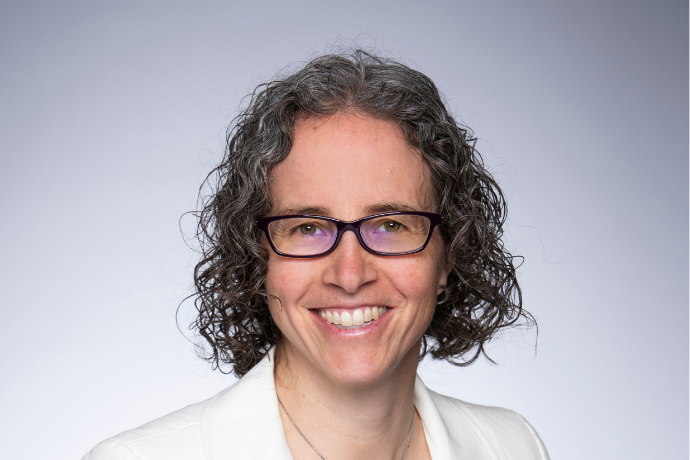
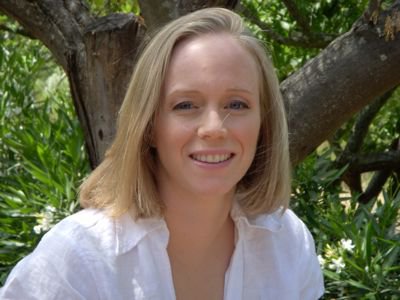
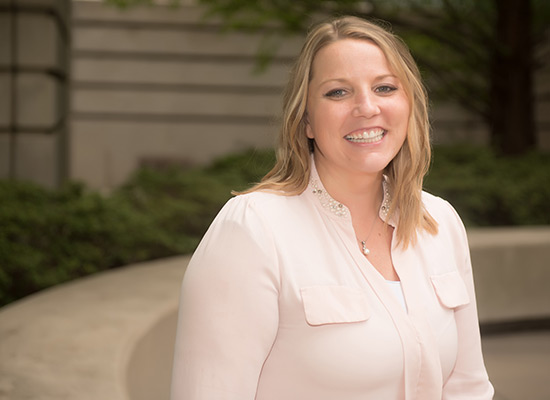
Solmaz Damla Gedik is a researcher affiliated with Nevşehir Hacı Bektaş Veli University , focusing on mathematics education and error-based learning strategies. Her work spans both theoretical and practical dimensions, including the adaptation of assessment tools like the Mistake-Handling Questionnaire to Turkish contexts. Her research investigates how pre-service mathematics teachers address common student misconceptions in topics such as exponential numbers, square roots, and Euclidean geometry. She also explores the relationship between mathematical self-efficacy, error-handling practices, and anxiety in secondary school students. Recent publications highlight her interest in integrating topology into geometry education and analyzing the impact of error-handling activities on classroom practices. While no formal awards or grants are explicitly mentioned, her collaborative work with scholars like Alper Cihan Konyalıoğlu and Zeki Aksu underscores her active role in educational research.
Nathalie LOYE is a Professor at the Department of Education Administration and Foundations within the Faculty of Education Sciences at the University of Montreal. She has been teaching at the Faculty of Education Sciences of the University of Montreal since 2008. Her expertise spans educational measurement, evaluation, research methods, and mathematics education, with recent focus on AI applications in educational contexts. Dr. LOYE holds a PhD in Measurement and Evaluation from the University of Ottawa and has a background in mathematics. Her academic journey has focused on developing rigorous assessment methodologies and diagnostic tools for educational settings. Her research primarily centers on measurement models applied to test and questionnaire data, with particular interest in data and instrument validity. She focuses on evaluating complex competencies such as mathematical problem-solving, clinical reasoning, and collaboration. Diagnostic assessment is central to her work, and she has recently incorporated AI's contributions to educational challenges. She leads the Interuniversity Research Group on Evaluation and Measurement in Education using ICT (GRIÉMÉtic) and the Innovation Hub in Measurement and Evaluation (CIME). Analysis of her recent publications reveals a strong focus on diagnostic assessment, particularly in educational settings. Her work frequently addresses mathematical problem-solving, reading comprehension, and clinical reasoning. She employs advanced psychometric models including Rasch models and cognitive diagnostic models to provide detailed feedback on student strengths and weaknesses. Her research bridges theoretical measurement approaches with practical educational applications. Excellence in Teaching Award from the Faculty of Education Sciences of the University of Montreal (2014) Dr. LOYE has supervised numerous graduate students, including 8 PhD candidates and 6 Master's students. Her research has been supported by significant grants from FRQSC (Fonds de recherche du Québec - Société et culture), CRSH (Conseil de recherches en sciences humaines du Canada), and other funding agencies. Current projects include 'Danse intensive 2' (2024-2027) focusing on non-technical skills in medical simulation, and 'Le développement et l'évaluation des compétences' (2021-2026) examining experiential learning and innovative measurement approaches in health sciences education. She directs the Interuniversity Research Group on Evaluation and Measurement in Education using ICT (GRIÉMÉtic) and the Innovation Hub in Measurement and Evaluation (CIME). She is also a member of the Interdisciplinary Research Group on Cognition and Professional Reasoning (GirCoPro) at the University of Montreal's Center for Applied Pedagogy in Health Sciences. These research groups focus on developing and applying advanced measurement techniques to educational challenges.
Sharyn Livy is an Associate Professor of mathematics education in the School of Curriculum, Teaching and Inclusive Education, Faculty of Education, at Monash University. She is dedicated to supporting primary school teachers and pre-service teachers to enhance their skills and knowledge in mathematics education, believing that quality mathematics education is vital for developing young minds. Her work involves conducting research in mathematics teaching and learning with teachers and students in schools, developing professional development programs, and collaborating with education partners to promote effective teaching strategies and resources. Board Member, Mathematical Association of Victoria (2024-present) Treasurer, Mathematics Education Research Group of Australasia (2019-2021) Senior Fellow (SFHEA) in higher education teaching and learning (2023) Sharyn's research focuses on primary mathematics teaching and learning, pre-service teacher education, mathematical knowledge for teaching, geometry and geometric reasoning, mathematics leadership, student engagement, and children's literature in mathematics. She has conducted research as part of an Australian Research Council (ARC) Linkage project and led a project producing resources for the Victorian Curriculum Assessment Authority related to the new Victorian Mathematics Curriculum V2.0. Her scholarly work reveals a strong emphasis on challenging mathematical tasks, teacher beliefs and practices, student reasoning, and the integration of children's literature into mathematics instruction. Recent publications show increasing attention to technology integration, remote learning during the pandemic, and the emotional dimensions of mathematics teaching and learning. Scientific Awards Senior Fellow (SFHEA) in recognition of teaching and learning support in higher education (2023) Commendation for Industry Collaboration (2024) Dean's Award for Programs that Enhance Learning (2020) Early Career Research Faculty of Education: Peer Recognition Award (2019) Mathematics Education Research Group of Australasia: Research Award (2023) Australian Teacher Education Association (ATEA) Teacher education partnership grant (2017) Sharyn has secured significant research funding through 14 projects, including the Victorian Curriculum F-10: Mathematics Version 2.0 - Professional Learning Program and the Collaborative Action for Transforming Mathematics Learning project. She serves on editorial boards for Mathematics Teacher Education and Development journal and has contributed to major conferences in the field. Her professional memberships include the Aboriginal & Torres Strait Islander Mathematics Alliance, National Council of Teachers of Mathematics, Mathematical Association of Victoria, Mathematics Education Research Group of Australasia, and Psychology of Mathematics Education.
Lisa Rowland is a Lecturer at Stanford University in the Theatre Department, specializing in improvisational performance. She teaches the foundational improvisation class that launched her own career in spontaneous theatre, continuing a legacy that began with her participation in the Stanford Improvisors. Her research and teaching interests center on connected, patient, truthful and spontaneous theatre techniques. Rowland has developed unique approaches to improvisation that emphasize presence, communication, and creativity, which she has refined through both academic teaching and professional performance experience. Her methodology bridges academic theory with practical application in professional settings. Rowland has received recognition for her performance work, including being voted Best Actor by the SF Bay Guardian's Reader Poll in 2012. Her professional activities extend beyond traditional academic boundaries into public performance and corporate training. As an educator and practitioner, Rowland has cultivated connections between academic theatre and professional improvisation communities. She has designed and delivered hundreds of improv-based workshops for diverse organizations ranging from educators to major technology companies, applying theatrical techniques to enhance communication and creative problem-solving skills. Rowland is also active in the performance community as a founding member of the Improv Playhouse of San Francisco and creator of the internationally performed format 'The Bechdel Test,' which centers complex female characters in improvised narratives. She co-hosts the 'Monster Baby' podcast exploring connections between mindfulness and improvisation.
Stephen Goldsmith serves as the Derek Bok Professor of Urban Policy at Harvard Kennedy School, where he directs the Bloomberg Center for Cities' Data-Smart City Solutions initiative and leads the Project on Municipal Innovation. His work focuses on how data analytics and community input can improve government-citizen relationships, with particular emphasis on urban policy, municipal innovation, and the application of technology in government operations. Goldsmith's research spans multiple critical areas of urban governance: Urban policy development and implementation Data-driven governance and analytics Municipal innovation and best practices sharing Public-private partnerships and privatization strategies Workforce development and economic opportunity Responsive government and citizen engagement Smart city technologies and infrastructure His extensive publication record shows a clear evolution from traditional urban policy concerns toward increasingly technology-driven solutions for municipal challenges. Goldsmith's research emphasizes practical applications of data analytics in government, with particular attention to how cities can leverage information to improve citizen services while building trust through transparency and responsiveness. His externally funded research includes significant grants from the John S. & James L. Knight Foundation, The Kresge Foundation, Robert Wood Johnson Foundation, and National Association of Counties, focusing on municipal innovation, data-driven city solutions, and community health initiatives. Goldsmith maintains active professional engagement with the public sector through advisory roles at organizations including: Democracy Works (scientific advisory board) ESRI (consulting) MGT (fiduciary board membership) Terminus Technology (fiduciary board membership)
Michele Mazzocco is a Professor at the Institute of Child Development, University of Minnesota , specializing in numerical cognition, mathematical learning disabilities, and cognitive development. Her research explores how individual differences in cognition affect problem-solving behaviors, with a focus on early numeracy skills and their long-term impact on mathematics achievement. PhD in Experimental Psychology (Arizona State University, 1988) Postdoctoral training in developmental neuropsychology Member of the Development and Research in Early Mathematics Education Network (DREME) and Early Learning Research Network Editorial Board member, Journal of Numerical Cognition (since 2015) Her research spans experimental and observational studies with preschool-to-school-age children and adults, emphasizing individual differences in numeracy, executive function, and learning disabilities. She investigates how contextual factors (e.g., parent engagement, learning materials) shape mathematical thinking and how language comprehension interacts with numerical skills. Recent publications highlight trends in early number concepts, longitudinal analysis of mathematical difficulties, and interventions to optimize numeracy development. Her work includes collaborations on developing practitioner-based mathematics assessments and understanding attentional and anxiety-related barriers to math performance. Advising opportunities in her lab focus on numerical cognition, mathematics anxiety, and cognitive contributors to math learning challenges. She leads the Math and Numeracy Lab , conducting studies on developmental pathways and contextual influences in mathematical education.
Geneviève Gauthier is an Assistant Professor at the University of Ottawa, jointly appointed in the Faculty of Education and the Faculty of Medicine. She serves as Director of the Graduate Diploma in Health Education within the Department of Innovation in Medical Education (DIEM). PhD in cognitive psychology from McGill University 20+ years of experience in faculty development and program evaluation Her research focuses on evaluative judgment , self-assessment , peer assessment , and the assessment of complex tasks . She investigates how clinical teachers design assessment tasks, implement pedagogical strategies, and provide feedback to students. Her work employs methodologies such as case studies, think-aloud protocols, and cognitive task analysis. Recent publications highlight her contributions to interprofessional education, syllabus design, and virtual patient assessment tools. She explores tensions in curriculum change and planetary health education integration. Her articles span topics like rater cognition, diagnostic reasoning, and technology-mediated learning environments. Notable collaborations include co-authors Christina St-Onge, Walter Tavares, and Susanne P. Lajoie. She is affiliated with ResearchGate and contributes to networks in medical education, with 24 publications and over 2,269 reads.
Dr. Alice Armstrong is an Assistant Professor in the Department of Computer Science at Shippensburg University. She teaches courses including Machine Learning, Artificial Intelligence, Data Visualization, and Computational Metacognition. Current research interests span Computer Science Education, Gender Equality in STEM, Artificial Intelligence, and Educational Grant Development. Her recent publications highlight interdisciplinary work in academic mentoring, gender representation in media, and teaching methodologies. Notable trends include applications of AI in bioinformatics, educational strategies for at-risk students, and professionalism in computer science curricula. She served as a Co-PI on the NSF-sponsored ADVANCE grant, focusing on recruiting and retaining female STEM faculty. Her 15 most recent articles reflect a broad range of topics from data mining to AI ethics, with a recurring emphasis on pedagogical innovation.
Amber Lanae Martirosov, Pharm.D., M.Sc., B.C.P.S. is a Clinical Associate Professor in the Department of Pharmacy Practice at Wayne State University’s Eugene Applebaum College of Pharmacy and Health Sciences. Since 2013 she has served the college as a clinician-educator, and since 2022 she has held her current rank. Concurrently, she is the Residency Program Director for the PGY2 Ambulatory Care residency at Henry Ford Hospital and has practiced as an Ambulatory Care Clinical Pharmacy Specialist there since 2013. Education & Certifications MSc in Pharmacotherapy, The University of Texas (2013) Pharm.D., Virginia Commonwealth University School of Pharmacy (2011) Board Certified Ambulatory Care Specialist (2019) Board Certified Pharmacotherapy Specialist (2012) Research & Scholarship Dr. Martirosov’s work centers on the pharmacist’s impact within ambulatory care clinics, with particular emphasis on pulmonary diseases, transitions of care, and the clinical and economic outcomes of pharmacy services. Her peer-reviewed publications explore innovative teaching methodologies, management of interstitial lung disease, migraine therapeutics, and redesign of clinical services during the COVID-19 pandemic. She is especially noted for leading multidisciplinary efforts in interstitial lung disease management and for scholarship on experiential education that prepares students for contemporary pharmacy practice. Scientific Awards & Honors 2024 MPA Excellence in Innovation Award 2023 ASHP Best Practice Award & WSU Excellence in Teaching Award 2022 MSHP Professional Practice Award & WSU Applebaum Excellence in Teaching Award 2019 WSU Class of 2019 Faculty of the Year & Henry Ford Hospital Quality Expo Finalist 2017 MSHP Presidents Award & MPA Distinguished New Practitioner Award 2016 SMSHP Innovative Practice Award & HFH Outstanding Progress Award Finalist 2015 SMSHP Preceptor of the Year 2014 WSU APhA-ASP Faculty of the Month B. Berard Matthews Endowed Graduate Fellowship in Pharmacy Merck Clinical Research Award & Rho Chi Recognition of Academic Achievement Teaching & Mentorship Dr. Martirosov teaches across the professional curriculum, offering courses such as Applied Therapeutics in Self-Care, Pharmacotherapeutic Problem Solving IV (Oncology & Advanced Pharmacotherapeutics), Principles of Pharmacotherapy I, and Advanced Topics in Ambulatory Care Pharmacy. She directs the PGY2 Ambulatory Care residency at Henry Ford Hospital and actively precepts Pharm.D. students on experiential rotations, receiving multiple preceptor-of-the-year accolades for her commitment to learner development. Laboratories & Teams She leads an interprofessional team within the Henry Ford Hospital Interstitial Lung Disease Program, where pharmacist-led drug management protocols are implemented to optimize therapeutic outcomes and reduce adverse events. Her collaborative work spans rheumatology, pulmonology, and pharmacy services, frequently resulting in national conference presentations and quality-improvement initiatives.
Tomi Antero Kiviluoma is a Doctoral Researcher at the Department of Education, University of Helsinki, affiliated with the Doctoral Programme in Cognition, Learning, Instruction and Communication. His work focuses on the interplay between conceptual understanding and systems thinking in life sciences education for sustainability transformations. Education: MSc from University of Helsinki His research investigates how prior knowledge influences learning biology over undergraduate years, systems thinking skill development, and collaborative knowledge construction in climate change and biodiversity loss scenarios. Publications span peer-reviewed journal articles, book chapters, and conference papers. His six research outputs (2022-2024) address topics like prior knowledge effects, causal reasoning challenges, and longitudinal conceptual change in biology education. Key themes include systems thinking, conceptual understanding, sustainability competence, and collaborative learning strategies. He participates in EU Erasmus+ CELLS project (2023-2026) as Principal Investigator and University of Helsinki's Three-Year Research Project (2019-present) as a participant. He actively presents at educational conferences like EARLI and JURE.
Claes Klasander is a University Lecturer at Linköping University, serving as the director of the National Resource Center for Technology Education in Schools (CETIS). He is affiliated with the Department of Behavioral Sciences and Learning (IBL) and contributes to national efforts to strengthen technology education across Swedish schools. His work focuses on ensuring students receive comprehensive technology education with 200 dedicated hours throughout primary school. Klasander's research centers on technology education , technological systems understanding , and curriculum development . His work emphasizes establishing technology as a visible and valued subject with dedicated teaching hours and clear learning objectives. He investigates how students develop knowledge about technological systems and works to define 'qualities of knowledge' in this domain. His research explores effective teaching methods and assessment strategies for technology education, with particular attention to making invisible technological concepts visible to students. Analysis of Klasander's publication record reveals a consistent focus on technological systems and systems thinking in education. His work spans historical perspectives on technology education, assessment methodologies for student understanding, and practical frameworks for teaching technological concepts. A notable trend is his exploration of how to translate theoretical understanding of technology into practical classroom applications, addressing implementation challenges in Swedish schools while advocating for stronger institutional support for technology as a distinct subject. As director of CETIS, Klasander leads a national resource center founded in 1994 and primarily financed by the Ministry of Education. CETIS develops technology education through collaboration with teachers, teacher educators, and industry representatives. The center organizes national conferences attended by hundreds of educators and produces extensive inspirational materials for teachers across all grade levels. Klasander actively advocates for policy changes, emphasizing that 'technology should have 200 hours, the same as physics,' and pushing for technology to be established as 'its own subject, with its own timetable and its own learning objectives.'
Boris Groysberg is the Richard P. Chapman Professor of Business Administration in the Organizational Behavior unit at Harvard Business School. He teaches talent management and leadership courses in the MBA and Executive Education programs, having previously worked at IBM before joining the faculty. His academic career spans numerous influential publications and several award-winning books that have shaped contemporary understanding of talent management and organizational behavior. Groysberg's research interests focus on the challenge of managing human capital at organizations worldwide, particularly how firms can achieve sustainable competitive advantage by engaging employees in business strategy implementation. His work spans talent management, leadership development, gender equity, executive compensation, and board governance. He has extensively studied the portability of talent performance, the gender gap in leadership positions, and organizational conversation dynamics. His most recent publications demonstrate a consistent focus on contemporary workplace challenges including remote work arrangements, talent development, leadership pipelines, and gender equity. Through his research, Groysberg has identified critical patterns in how organizations develop and retain talent, with particular attention to the structural barriers that affect women's career progression. Gender Equity at Work Advances at 'Glacial Pace,' New Harvard Survey Shows (2022) Chasing Stars: The Myth of Talent and the Portability of Performance (2010) Glass Half-Broken: Shattering the Barriers That Still Hold Women Back at Work (2021) Talk, Inc.: How Trusted Leaders Use Conversation to Power Their Organizations (2012) Groysberg has advised numerous organizations on talent management strategies and is a frequent contributor to Harvard Business Review. His work bridges academic research with practical business applications, helping organizations understand how to develop and retain talent effectively while addressing systemic barriers to gender equity in leadership positions.
Whitney Wall Bortz serves as Assistant Professor of Liberal Studies and Program Coordinator in the School of Arts and Sciences at Fresno Pacific University, where she also holds the position of Faculty Senate Chair and Faculty Representative. Her leadership extends to academic governance while maintaining active research and teaching responsibilities. Her academic credentials include a Doctor of Philosophy (Ph.D.) in Education from Queen's University, Belfast; a Master of Arts (M.A.) from Pepperdine University; and a Bachelor of Arts (B.A.) in Humanities from Pepperdine University. This educational foundation supports her transition from middle school teaching to higher education administration. Dr. Bortz's research centers on educational systems with emphasis on STEM recruitment dynamics, computational thinking integration, and teacher bias analysis. Her work examines how financial incentives impact graduate recruitment in STEM fields, develops frameworks for embedding computational thinking into science curricula, and investigates implicit gender biases in mathematics instruction. This research program addresses critical gaps in educational equity and pedagogical effectiveness. Her publication portfolio reveals consistent focus on assessment design, recruitment systems, and integration challenges across STEM education. Trends show increasing emphasis on computational thinking applications in K-12 settings alongside persistent investigation of structural barriers in graduate education pathways. Professional recognition includes: Best Paper Award and Finalist for Zone 2 at American Society for Engineering Education Southeastern Conference (2019) As Program Coordinator, Dr. Bortz likely oversees curriculum development and student advising within Liberal Studies, though specific mentoring details aren't documented. Her collaborative publication pattern suggests active engagement with interdisciplinary research teams, particularly in STEM education initiatives. No laboratory facilities or dedicated research centers are referenced in available materials.
Nathan Urban is a Professor and currently serves as the Provost and Senior Vice President for Academic Affairs at Lehigh University. His research focuses on understanding the physiological and circuit mechanisms underlying the functional and computational properties of brain neuronal networks, with particular emphasis on the olfactory system. Dr. Urban's research interests span multiple areas of neuroscience including: Neuronal diversity and functional differences between cell types Olfactory navigation and algorithms used by animals to solve odor-based navigation problems Neuronal modeling using both statistical and mechanistic approaches Neuronal reliability and the role of variability in neural processing Olfactory plasticity and experience-dependent changes in neural circuitry His lab has made significant contributions to understanding how the olfactory system processes information, with research spanning from detailed anatomical and physiological properties of cells and synapses to computational models of neural circuits. Dr. Urban leads the Urban Lab, which has established resources like NeuroElectro.org, a public database of neuronal properties. Through his extensive publication record spanning decades, Dr. Urban has explored questions about cell types, diversity within cell populations, and the mechanisms underlying olfactory navigation. His recent work has increasingly focused on understanding neural circuit mechanisms in the context of neurodevelopmental disorders, particularly autism spectrum disorders, as evidenced by his publications examining sensory processing abnormalities in ASD models. Dr. Urban has mentored numerous students and postdocs, providing an environment where they can develop technical and intellectual skills to become successful scientists. His research has been supported by various funding sources including NSF, and he continues to actively contribute to the field with publications in top neuroscience journals through 2024.
Constantin-Alexandru Marin serves as an associate lecturer at the Faculty of Communication and Public Relations (CCPR) within the National School of Political Studies and Public Administration (SNSPA) in Bucharest, Romania, while concurrently pursuing his PhD in Communication Sciences. He maintains dual professional engagement as the founder and manager of Ability Development, a major Romanian training company delivering international programs. His academic trajectory centers on organizational communication and leadership development, with specific expertise in management methodologies, public speaking pedagogy, entrepreneurial skill cultivation, and business coaching frameworks. Marin operates at the intersection of transactional and transformational approaches, guided by principles of dedication, connection, and possibility in all professional endeavors. At CCPR, Marin teaches the specialized course Design Thinking (Gândirea de tip Design), integrating creative problem-solving methodologies into communication education. His professional training portfolio spans organizational communication systems, leadership development pipelines, public speaking mastery, entrepreneurial incubation, and executive coaching frameworks across Romanian and international corporate environments.