Muhammet ÇEVİKمشاهده پروفایل
استادیار
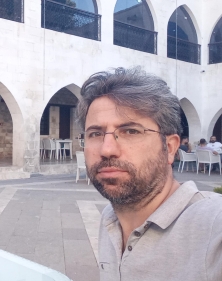
Muhammet ÇEVİK serves as an Assistant Professor in the Department of Sociology within the Faculty of Arts and Sciences at Adıyaman University, where he has been employed since 2015. His academic journey includes a Doctorate in Institutional Sociology from Fırat University (2021), Master's in Sociology of Religion from Harran University, and Bachelor's in Sociology from Yüzüncü Yıl University. Prior to academia, he worked nine years as a sociologist at the Ministry of Justice's Probation Department. Dr. Çevik's research centers on the critical intersection of religion, crime, and addiction studies. His scholarly work examines faith-based approaches to substance addiction recovery, the sociology of crime with particular attention to religious influences, and traditional Turkish arts preservation. He has conducted significant research on drug crime mapping in Adıyaman, spiritual counseling needs among university students, and sociological perspectives on Syrian refugees. His publications reveal consistent focus on how religious communities contribute to rehabilitation processes and social reintegration. His recent publications (2020-2022) demonstrate strong output in addiction studies, technological impacts on society, and pandemic-related social issues. The research shows clear thematic continuity with his doctoral work on faith-based addiction recovery approaches. His scholarly contributions include peer-reviewed journal articles, conference proceedings, and scientific books addressing contemporary social problems through sociological lenses. As an educator, Dr. Çevik teaches core sociology courses including Sociology of Law, Islamic Sociology, and Introduction to Psychology while supervising undergraduate theses. His professional certifications in various intervention programs inform his practical approach to teaching criminology and social problems. Dr. Çevik maintains active research through projects examining spiritual counseling needs, drug crime mapping, and cultural preservation. His dual expertise in academic sociology and practical criminal justice applications creates a unique perspective that bridges theoretical understanding with real-world social interventions.