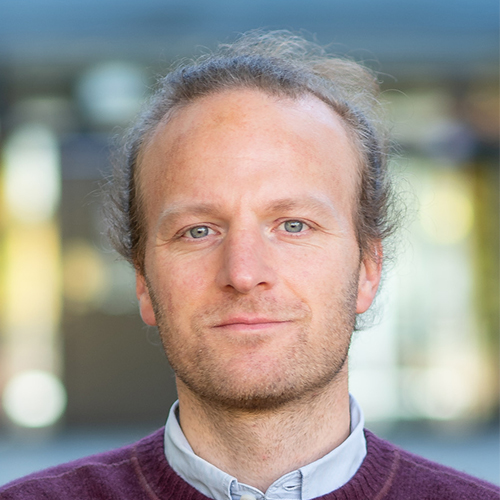
Dr Ariful Islam is a Lecturer at the Gulbali Institute, Charles Sturt University , specializing in epidemiology and evolutionary ecology of emerging infectious diseases . With over 15 years of experience, his research focuses on zoonotic viruses like henipaviruses, filoviruses, coronaviruses, and avian influenza, employing a One Health framework. Masters in Public Health (MPH), American International University - Bangladesh Doctor of Philosophy (PhD), Deakin University Master of Science (MS) in Pharmacology, Chattogram Veterinary and Animal Sciences University Doctor of Veterinary Medicine (DVM), Chattogram Veterinary and Animal Sciences University His research integrates viral genetics, statistical modeling, and behavioral ecology to prevent disease transmission. Key areas include zoonotic spillover dynamics , avian influenza epidemiology , and biosecurity practices in poultry systems. Recent publications highlight his work on Nipah virus spillover , avian influenza in Bangladesh , and antimicrobial resistance in livestock. He collaborates across institutions in Australia and Bangladesh, contributing to global biosecurity and pandemic preparedness.
Megan Louise Willis is an Associate Professor at the School of Behavioural and Health Sciences, part of the Faculty of Health Sciences. Her research focuses on child maltreatment, intimate partner violence, emotion recognition, and social cognition. She has published extensively on topics such as the impact of childhood trauma, facial expression perception, and the psychological underpinnings of aggression. Her work integrates clinical, developmental, and experimental approaches to address societal challenges such as child welfare and mental health disparities. Recent studies explore the prevalence of child sexual abuse in religious organizations, the role of narcissism in violence, and cross-cultural responses to pandemic messaging. Research interests include: child maltreatment epidemiology, emotion processing deficits, and the intersection of personality traits and aggression. Co-leads interdisciplinary projects on facial perception and neurocognitive disorders.
Philippe Schlenker is a Research Professor at CNRS - Institut Jean-Nicod and a Global Distinguished Professor at New York University . He has held academic positions at UCLA (2002-2012) and USC (1999-2002), all within the Linguistics field. His work bridges formal semantics , pragmatics , and cross-modal studies, including gesture, music, and primate communication. Academic Affiliations: CNRS - Institut Jean-Nicod (2012-present) New York University (2008-present) UCLA (2002-2012) USC (1999-2002) His research interests focus on applying formal semantic and pragmatic tools to unconventional domains like sign language , monkey calls , and music , revealing universal principles of meaning construction. Key contributions include work on cosuppositions , iconic variables , and primate linguistics . His scientific awards include: ERC Advanced Grant (€2.5M, 2013-2018) ERC Starting Grant (declined for Advanced Grant) European Young Investigator ('Euryi') Award (€949,530, 2007-12)
Professor Amanda Korstjens is a Professor of Behavioural Ecology at Bournemouth University's School of Life and Environmental Sciences. With over two decades of research experience, she has established herself as a leading expert in primatology and conservation biology, particularly focusing on tropical ecosystems and primate behavior. Her work bridges ecology, climate science, and conservation practice, with significant contributions to understanding how environmental changes impact primate populations across Africa and Southeast Asia. Her academic journey began with a PhD in Biology from Utrecht University (2001), where her dissertation focused on primate social systems in Taï National Park. This foundational work established her expertise in primate behavioral ecology and laid the groundwork for her subsequent research on red colobus monkeys and their mating systems. Professor Korstjens' research spans multiple critical areas in primatology and conservation science. She leads the LEAP (Landscape Ecology and Primatology) research program, which investigates how forest structure and disturbance affect primate distribution and behavior. Her work examines how climate change and human activities influence primate populations, with particular focus on red colobus monkeys and gibbons. She has pioneered the use of drone technology and microclimate measurements to understand how forest structure influences primate habitat use and responses to environmental change. Her research has significant implications for conservation strategies in the face of global climate change. Analysis of Professor Korstjens' recent publications reveals a strong interdisciplinary approach that integrates primatology with climate science and landscape ecology. Her work increasingly incorporates advanced technologies like UAVs (drones) and LiDAR for 3D forest mapping, combined with microclimate measurements to understand habitat quality at fine scales. There's a clear progression toward research with direct conservation applications, particularly through her work with the LEAP program in Sumatra, which examines how microclimate variations within forests create refuges for primates facing climate change. Associate Editor for Animal Behaviour (2017-2019) Editorial Board for Primates (2015-present) Invited Primate Species Specialist Group member of the IUCN Species Survival Committee (2017-2020) Topical Editor for Primate Biology - Copernicus Publications (2014-present) Professor Korstjens actively mentors the next generation of researchers, having supervised numerous PhD students including Emma Hankinson, Alexandria Young, Aralisa Citalli SHEDDEN-GONZALEZ, Helen Slater, Christopher Marsh, Kelly van Leeuwen, Lindsay Biermann, and Monika Knul. She has secured significant research funding from organizations including the Leverhulme Trust, People's Trust for Endangered Species, and the Primate Society of Great Britain. Her current research focuses on understanding how forest degradation affects primate populations in Sumatra and how microclimate variations can serve as refuges for primates facing climate change. She leads the LEAP (Landscape Ecology and Primatology) research program, an interdisciplinary initiative investigating the role of forest structure and disturbance on animal distribution and behavior in Sumatra, Indonesia. This program involves collaboration with researchers from multiple institutions including Liverpool John Moores University and the Sumatran Orangutan Conservation Programme. The LEAP program combines field observations with advanced remote sensing technologies to understand how primates respond to environmental changes, with direct applications for conservation planning.
Alejandro (Alex) Sánchez-Amaro is a Postdoctoral Researcher (mapped to Research Fellow ) at the Max Planck Institute for Evolutionary Anthropology in Leipzig, Germany, within the Department of Comparative Cultural Psychology . His research focuses on the social cognitive abilities of non-human primates and human infants, exploring how they solve cooperative social dilemmas involving conflict of interest through non-invasive experiments using Game Theoretical models like the Snowdrift and Prisoner's Dilemma games. Education: Dr. rer. Nat. in Biology (2013-2017), Max Planck Institute for Evolutionary Anthropology, Leipzig, Germany (Advisors: Michael Tomasello & Josep Call) MSc in Primatology (2011-2013), University of Barcelona, Spain BA (Hons) in Biology (2006-2010), University Autònoma of Barcelona, Spain His research investigates coordination at the group level in great apes and children, bargaining in social dilemmas, and irrational cognitive biases (e.g., 'less is more,' 'sunk-cost,' 'decoy effect') in great apes. His work spans institutions like the University of California San Diego, University of St. Andrews, and Central European University. Recent article trends include strategic decision-making, cognitive biases, environmental unpredictability effects, and collaborative open science in primate cognition. His scientific awards include prestigious fellowships such as the DFG Postdoctoral Fellowship, DAAD Mobility Fellowship, LaCaixa Fellowship, and AGAUR Mobility Fellowship.
Manuel Bohn is an Assistant Professor in the Institute for Psychology at Leuphana University Lüneburg since 2023. Previously, he held postdoctoral positions at the Max Planck Institute for Evolutionary Anthropology (2020–2023) and conducted a Marie Skłodowska-Curie Fellowship at Stanford University (2017–2020). His research focuses on developmental psychology, examining how children’s everyday experiences shape their communicative and cognitive development, with comparative studies on great apes to understand human uniqueness in language acquisition. Education: PhD in Developmental and Comparative Psychology (Max Planck Institute for Evolutionary Anthropology, 2013–2016), Memberships: German Society for Psychology (DGP), Languages: German, English, Latin (fluent). His work bridges developmental, comparative, and cultural psychology, emphasizing cross-cultural studies and open science. Key projects include the ManyPrimates collaboration and TANGO-CC gaze assessment tools. Research interests include pragmatics in language, child-rearing practices, and evolutionary foundations of communication. Publications emphasize child development, cross-cultural cognition, and primate cognition, with over 50 peer-reviewed articles in journals like Nature Human Behaviour , Developmental Science , and Proceedings of the National Academy of Sciences . Awards include the ERC Marie Skłodowska-Curie Fellowship (2017–2020) and support from the German Academic Scholarship Foundation (2013–2016). Advising and grants include leadership in collaborative projects and methodological innovations. His lab focuses on experimental and computational approaches to human communication, with ongoing work on receptive vocabulary measures (oREV) and parent-child interaction studies.
Haneul Jang is a researcher at the Max Planck Institute for Evolutionary Anthropology in Leipzig, Germany, affiliated with the Department of Human Behavior, Ecology and Culture. His work focuses on hunter-gatherer societies, particularly the BaYaka people of the Republic of Congo, examining navigational strategies, cooperative foraging, childcare dynamics, and cultural transmission. He holds a PhD in Primatology from the same institute (2020), advised by Dr. Karline Janmaat and Prof. Christophe Boesch. His research integrates mixed methods including interviews, observations, and social network analysis. Education: PhD (2020, Max Planck Institute), MSc (2014, Ewha Womans University, South Korea), BSc (2012, Ewha Womans University). Research interests include spatial cognition in tropical forests, intergroup cooperation, and subsistence strategies. Key findings include how BaYaka women balance childcare with foraging and the role of social networks in transmitting cultural knowledge. He has published in Scientific Reports , Science Advances , and Proceedings of the Royal Society B . Awards include the Leakey Foundation Grant (2015) and travel bursaries to international conferences. His fieldwork spans Congo, Indonesia, and South Korea, with over 12 months of data collection among the Mbendjele BaYaka. Collaborations include Dr. Adam Boyette and Dr. Karline Janmaat.
Genevieve Housman serves as Group Leader of the Skeletal Genomics Lab within the Department of Primate Behavior and Evolution at the Max Planck Institute for Evolutionary Anthropology in Leipzig, Germany. She leads research investigating the complex relationship between genotype and phenotype in primate skeletal systems using integrated laboratory and computational approaches. Her primary research interests focus on primate functional genomics , complex trait evolution , and skeletal development and maintenance . Through innovative skeletal cell culture systems using human and nonhuman primate pluripotent stem cells, her lab examines gene regulation across evolutionary scales, developmental timepoints, and environmental perturbations. Key research areas include skeletal gene regulation among primates, gene-by-environment interactions in bone, and evolutionary medicine applications to skeletal systems. Analysis of her recent publications (2022-2025) reveals a strong emphasis on comparative primate genomics, particularly using in vitro cell culture models to study skeletal evolution. Her work spans evolutionary anthropology, bone biology, and functional genomics, with recurring themes of mechanical stress response, osteoarthritis mechanisms, and epigenetic regulation across primate species. The research demonstrates methodological innovation through phylogeny-in-a-dish approaches and cross-species organoid systems. Housman's scientific contributions include developing novel skeletal cell culture methodologies for evolutionary studies and advancing understanding of genotype-phenotype relationships in primate skeletons. Her work bridges evolutionary anthropology with biomedical research, particularly in skeletal disease mechanisms. She actively mentors through her research group and collaborates across institutions, with significant contributions to primate genomics methodology development. Her laboratory maintains primary skeletal tissue collections and cell culture systems for comparative studies across multiple primate species.
Harrell Gill-King, Ph.D., is a forensic anthropologist and researcher affiliated with the University of North Texas , where he serves as the Director of the Laboratory of Forensic Anthropology at the Center for Human Identification. His work focuses on forensic biology, skeletal analysis, and human identification. Education: Ph.D. in Anthropology, Southern Methodist University M.A. in Anthropology, Southern Methodist University B.A. in Anthropology, Southern Methodist University Research Interests: Forensic Anthropology Forensic Biology Human Identification Skeletal Biology Taphonomy Human Evolution Comparative Primate Biochemistry Publications: His research is reflected in works spanning forensic methodologies, skeletal remains processing, and foundational anthropology. Notable contributions include a field manual for crime scene professionals and studies on cultural anthropology and human identification. Labs & Teams: Director, Laboratory of Forensic Anthropology Affiliated with the Center for Human Identification
Dr. Patricia G. Parker is the Des Lee Professor of Zoological Studies at the University of Missouri–St. Louis (UMSL) and a Senior Scientist at the Saint Louis Zoo since 2000. She has served as Chair of the Department of Biology at UMSL twice (2002-2006, 2010-2014) and previously held academic positions at Ohio State University (1991-2000) and Purdue University (1985-1991). Education : B.S. in Zoology (1975) and Ph.D. in Biology (Behavioral Ecology, 1984), both from the University of North Carolina, Chapel Hill. Dr. Parker's research focuses on disease ecology , conservation genetics , and avian parasitology , particularly in island ecosystems like the Galapagos. Her work examines interactions between wildlife and pathogens, genetic diversity in endangered species, and the ecological impacts of invasive organisms. Recent publications highlight her contributions to genomic studies of penguins , malaria transmission in island birds , and genetic control of disease vectors . Her research integrates fieldwork, molecular biology, and bioinformatics to address conservation challenges in tropical and island environments. Scientific Awards : Recipient of the Ralph W. Schreiber Conservation Award (2017) and the Loye and Alden Miller Research Award (2017). Dr. Parker leads the Parker Lab at UMSL, actively mentoring graduate students. Her work informs wildlife health monitoring strategies and conservation policies, particularly in South America and Madagascar.
Susan M. Cachel is a Professor in the Department of Anthropology at Rutgers, The State University of New Jersey, affiliated with the School of Arts and Sciences (SAS). Her primary research focuses on physical anthropology, primate evolution, and evolutionary theory, with notable contributions to hominid bipedalism origins and hominization processes. She holds a PhD from the University of Chicago (1976) and has been recognized with prestigious awards including AAAS Fellowship (2009) and the 2005 AAPA Plenary Prize. Her academic contributions span multiple domains: pioneering work on primate locomotion's role in bipedalism, studies on nutritional ecology's impact on human migration, and innovative approaches to interpreting hominin behavior through tool analysis. She teaches courses like 'Human Variation' (01:070:356) and has authored influential texts such as Primate and Human Evolution (2006) and Fossil Primates (2015). Recent research emphasizes interdisciplinary methods, linking morphological studies with behavioral ecology. A 2017 paper explored nasal cavity energetics' influence on cranial adaptations, while 2016 critiques highlighted legal barriers to fossil research. Her reviews for high-impact journals demonstrate leadership in synthesizing paleoanthropological knowledge. Professional service includes editorial roles and committee work at AAPA. Current interests include Arctic human adaptation studies and developing metrics for evaluating innovative behaviors in early hominins. Her lab focuses on integrating morphometric analyses with environmental modeling to understand evolutionary trajectories.
Dr. Michael Mutehart is an Assistant Professor in the Department of Life Sciences at Wayne State College. He specializes in clinical anatomy education with over 10 years of teaching experience across undergraduate and professional programs (M.D. and PA). His research focuses on primate morphology, behavior, ecology, and fossil records of South American monkeys, emphasizing evolutionary biology and conservation efforts. Education: Ph.D. in Evolutionary Biology, Northwestern University (2018) B.A. in Biological Anthropology, Northern Illinois University (2008) Research Interests: Dr. Mutehart explores the evolution of primate form, functional morphology of extant primates, and conservation strategies for endangered South American primates. He integrates clinical discussions and evolutionary perspectives into teaching human gross anatomy, histology, and comparative anatomy. Advising/Grants: No specific advising relationships or grant details are documented in the provided text. Labs/Teams: No affiliated labs or collaborative teams mentioned.
Juliet K. Brophy is an Associate Professor in the Department of Geography & Anthropology at Louisiana State University, affiliated with the College of Humanities & Social Sciences. Her research focuses on craniodental morphometrics, hominin evolution, zooarchaeology, and taphonomy, with significant contributions to paleoenvironmental reconstructions and fossil vertebrate studies. Education: Ph.D., Texas A&M University (2011) M.A., University of Tennessee (2004) B.S., University of Michigan (2002) Research interests include quantitative analyses of bovid teeth for paleoenvironmental insights, taxonomic validation of hominin fossils like Australopithecus sediba, and taphonomic studies of historical archaeological sites such as the steamboat Heroine. Her work bridges paleontology, archaeology, and geology, emphasizing interdisciplinary approaches to understanding human evolution and environmental history. Recent publications explore South African fossil localities, mandibular morphology of early hominins, and historical material analysis. No scientific awards are listed, but her research has been featured in high-impact journals like Science . Teaches Intro to Physical Anthropology . Office: E105 Howe-Russell-Kniffen Geoscience Complex, Baton Rouge, LA.
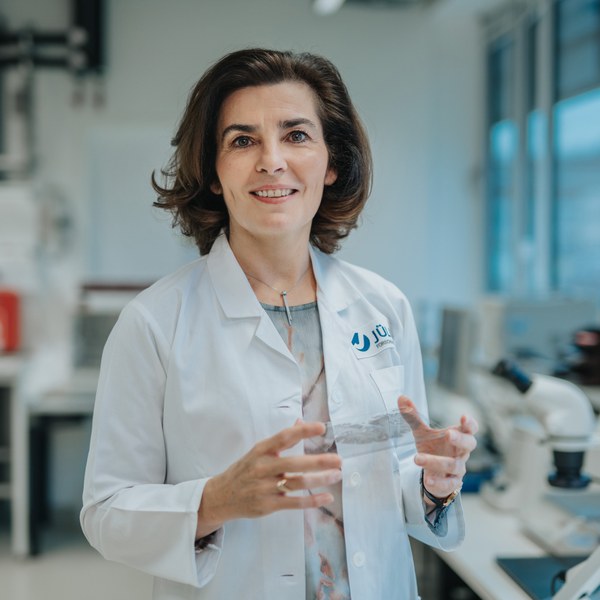
apl.-Prof. Dr. Nicola Palomero-Gallagher is a Working Group Leader of the 'Receptors' research group at the Institute of Neuroscience and Medicine (INM-1), Research Center Jülich. Affiliated with Heinrich Heine University Düsseldorf, she leads the National Node Germany of EBRAINS, a pan-European research infrastructure for brain research. Her work focuses on integrating neuroanatomical, molecular, and functional data to map brain organization across species. Research interests include connectomics, neuroimaging techniques (e.g., 3D-PLI), receptor autoradiography, and the structural-functional relationships of brain regions. Key projects involve creating multi-modal brain atlases (e.g., MEBRAINS for macaques) and investigating neurotransmitter receptor distributions in human and non-human primate brains. Her contributions bridge neuroanatomy, computational neuroscience, and translational research. Publications emphasize cortical architecture, receptor-driven area mapping, and applications of AI in neuroimaging. She collaborates internationally to advance digital neuroscience tools and cross-species comparisons, with a focus on Alzheimer’s disease mechanisms and brain network dynamics.
Nils Chr. Stenseth is a Professor of Ecology and Evolution at the University of Oslo, Norway, and an Honorary Professor of Public Health at Tsinghua University, China. He serves as an adviser to the Dean of Mathematics and Natural Sciences at the University of Oslo. His research focuses on integrating ecology and evolution, with special emphasis on plague dynamics, climate impacts on ecosystems, and biodiversity conservation. Education: Dr. Philos (1978), Cand. Mag. (1972), both from the University of Oslo. Research interests span ecological and evolutionary processes, including population dynamics, climate change effects, and zoonotic diseases like plague. He leads the Synergy-Plague project, investigating plague’s historical and ecological drivers across Eurasia. His work emphasizes interdisciplinary approaches and breaking barriers between biological sub-disciplines. Notable awards include the ERC Synergy Grant (2023), Gunnerus Medal (2023), and Chinese President’s International Science and Technology Cooperation Award (2020). He has mentored over 50 PhD students and 70 postdocs, fostering global scientific networks. Stenseth co-founded the Centre for Ecological and Evolutionary Synthesis (CEES) at the University of Oslo, a Centre of Excellence. He advises international organizations like the IPCC and contributes to science communication through media and public lectures.