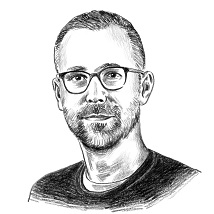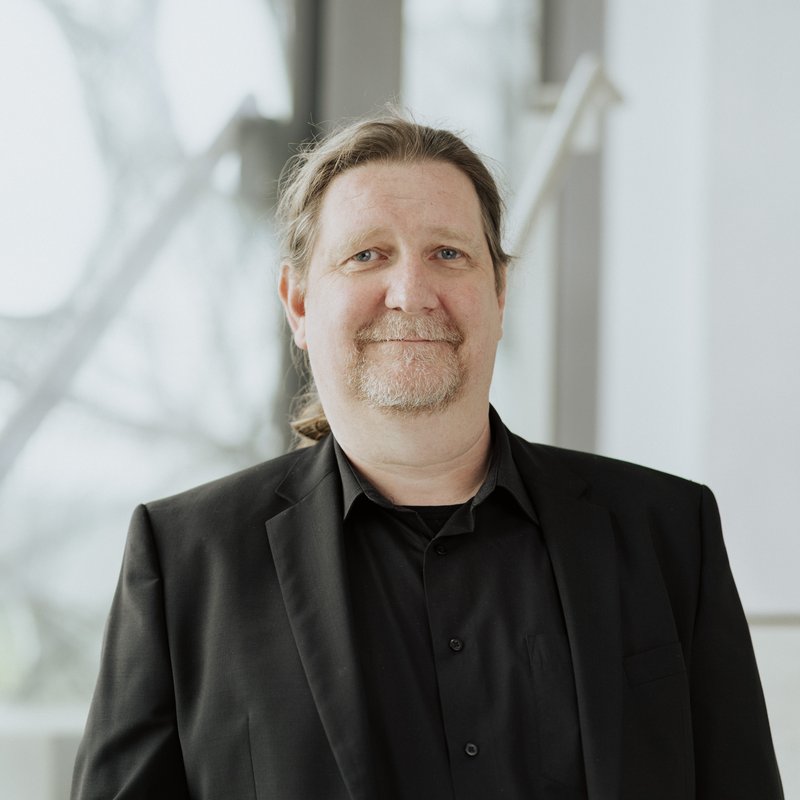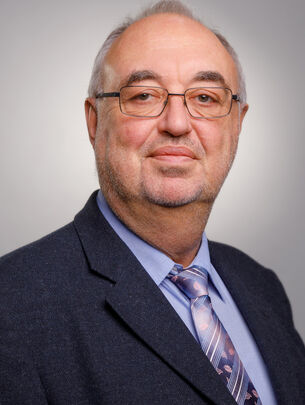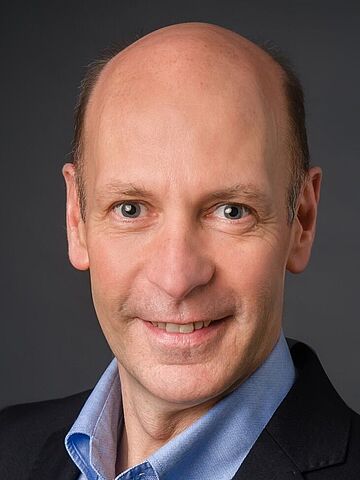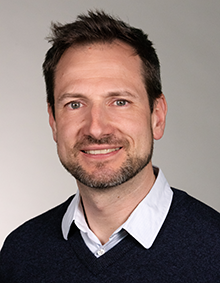
Prof. Dr.-Ing. Ruben-Laurids Lange is a faculty member at the Westfälische Hochschule Gelsenkirchen, where he holds the Professorship for Water Technologies in Supply and Disposal within the Faculty of Mechanical Engineering, Environmental and Building Technology. His work bridges academic teaching and applied research in municipal water systems, with strong ties to practical engineering through prior industry experience at Emschergenossenschaft and Dahlem Beratende Ingenieure. Bachelor in Civil Engineering, Bergische Universität Wuppertal (2006) Doctorate in Engineering (Dr.-Ing.), Ruhr-Universität Bochum (2013) His research focuses on sanitary engineering, wastewater treatment, and urban water management , with particular expertise in micropollutant removal, membrane technologies, sediment dynamics in sewers, and hydraulic design of water systems. He investigates advanced treatment methods such as powdered activated carbon dosing and ultrafiltration, often in combination, to improve water quality and sustainability. His work contributes to optimizing cleaning intervals, minimizing environmental impact, and adapting infrastructure to climate change. The 15 most recent publications highlight a consistent focus on micropollutant and pharmaceutical removal , especially through adsorption and membrane-based processes . Key themes include the integration of powdered activated carbon with ultrafiltration, phosphate precipitation effects on greenhouse gases, sediment transport in real wastewater systems, and fourth-stage wastewater treatment. The research spans experimental studies, technical comparisons, and field applications, primarily targeting municipal wastewater treatment plants and urban drainage systems. No scientific awards or fellowships are mentioned in the provided text. Prof. Lange teaches core undergraduate courses in Sanitary Technology, Wastewater Engineering, and Water Treatment , covering topics such as drinking water installation design, DIN standards, fire protection, rainwater utilization, biological and chemical wastewater treatment, sludge processing, and membrane technology. He supervises various internships in water and biomass energy systems. While no formal students or advising roles are listed, his leadership in teaching and applied research suggests an active mentoring role. There is no mention of research grants or funding sources. His research is closely aligned with practical applications in municipal water infrastructure, particularly through collaborations with water management associations like Emschergenossenschaft and Lippeverband. While no formal lab or research team is explicitly named, his work involves experimental sewer systems and pilot-scale treatment studies, indicating hands-on research facilities likely integrated within the university’s engineering programs.