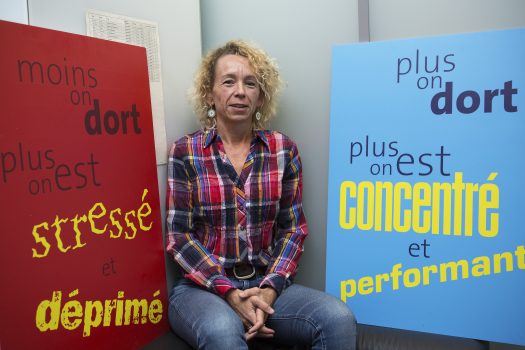
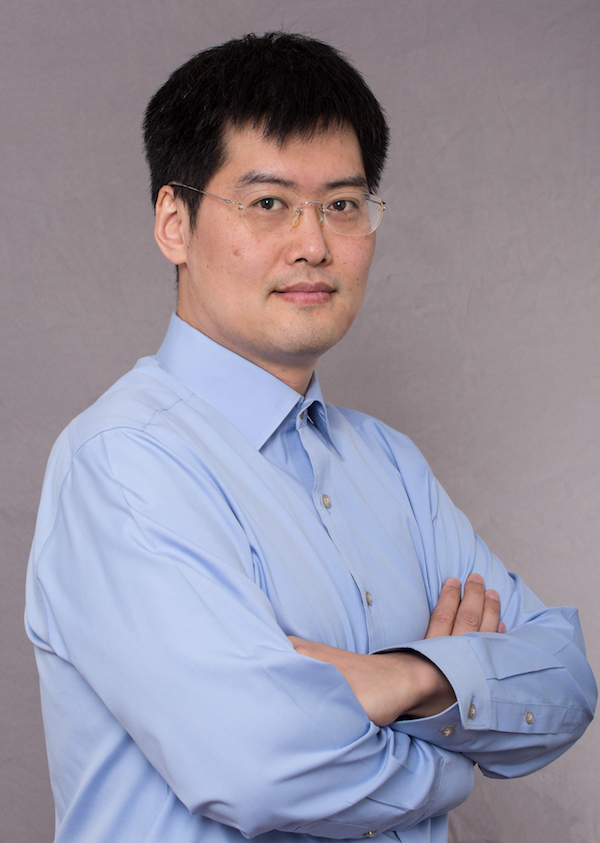
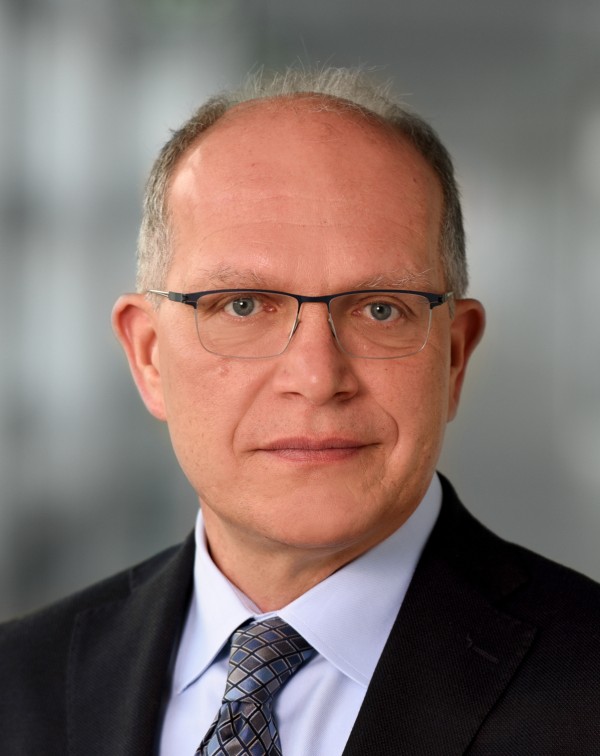
Prof. Sophie Schwartz is a leading neuroscientist at the University of Geneva , where she heads the Sleep & Cognition Lab within the Faculty of Medicine . Her research integrates neuroimaging (fMRI, hd-EEG, MEG) , behavioral testing , and computational modeling to unravel the neural mechanisms underlying memory consolidation , emotion processing , and dreaming during sleep, while also developing clinical interventions to enhance sleep in neurological and psychiatric disorders.
Christian Hilbes is a Lecturer at the School of Engineering of Zurich University of Applied Sciences (ZHAW). He serves as Deputy Head of the Institute for Applied Mathematics and Physics (IAMP) and co-leads the research focus on Safety-Critical Systems. Active projects include leadership roles in Autonomous Predictive Interlock Systems , Personnel Safety Systems , and Triggering Conditions for Autonomous Cars . He specializes in STPA (Systems-Theoretic Process Analysis) , UML-based modeling , and Dynamic Flowgraph Modeling for safety-critical applications. Email: christian.hilbes@zhaw.ch His research integrates safety analysis with emerging technologies like autonomous systems and nuclear facilities, contributing to publications at MIT STAMP Workshops and in journals like Nuclear Engineering and Design . He actively collaborates on European Spallation Source (ESS) safety frameworks and develops domain-specific languages for STPA.
Jean-Louis Scartezzini is an Honorary Professor at École Polytechnique Fédérale de Lausanne (EPFL), affiliated with the School of Architecture, Civil and Environmental Engineering (ENAC) and the Solar Energy and Building Physics Laboratory (LESO-PB). His research focuses on natural/artificial lighting, solar energy systems, and building technology, with a strong emphasis on energy efficiency and sustainability. Director of LESO-PB since 1994 Founded and led several institutes, including the Institute for Infrastructure, Resources, and Environment (2002–2009) Doctorat in Physics from EPFL (1986) Extensive international collaborations, including visiting roles at NUS (2009) and LBNL/UCLA (1988) Research interests include: - Daylighting and lighting control systems - Passive/active solar technologies - Urban microclimate and energy systems - Stochastic simulation and predictive control Recent work addresses climate change impacts on energy systems, urban sustainability, and machine learning applications in energy optimization. Key publications span lighting health impacts, renewable integration, and microclimate modeling Awards include the European Solar Prize (2001/2002) and Walsh-Weston Bronze Medal (1998) Mentored over 20 PhD students, many leading in academia and industry (e.g., Marilyne Andersen at EPFL, Flavio Foradini at E4Tech).
Adrien Depeursinge is a Professor at HES-SO Valais-Wallis - Haute Ecole de Gestion, affiliated with the School of Economics and Services and the Management Information Systems department. His research focuses on radiomics, personalized medicine via image-based analysis, and clinical workflow optimization. He leads the development of the QuantImage platform, a physician-centered web-based tool for radiomics research, and contributes to radiomics standardization efforts through initiatives like the Image Biomarker Standardization Initiative (IBSI). His work emphasizes machine learning applications in healthcare, including tumor segmentation, biomarker extraction, and improving diagnostic accuracy through computational models. Key research themes include: 1) Radiomics – developing quantitative imaging features for cancer diagnosis/prognosis; 2) Medical Imaging Analysis – advancing texture-based models, multi-modal fusion, and automated lesion detection; 3) Physician-AI Collaboration – designing user-centric tools for clinical integration. His contributions span neuro-oncology (brain metastases), head-and-neck cancer, and multiple sclerosis imaging. Publications emphasize methodological advancements (e.g., kernel optimization in CNNs, steerable detectors) and clinical validation (e.g., reproducibility of radiomics features across imaging protocols). He collaborates with institutions like the University Hospital of Lausanne (CHUV) and international teams on projects like the HECKTOR challenge for PET/CT tumor segmentation. His work bridges technical innovation with clinical impact, aiming to translate radiomics into actionable clinical tools. QuantImage v2, his flagship tool, enables no-code development of machine learning models using clinical imaging data. Research also includes phantom-based validation of radiomics features and addressing challenges in feature stability across imaging modalities. Current projects explore improving contour quality for radiomics studies and optimizing AI explainability in medical decision-making.
Dr. Alexander Breuss is part of the Sensory-Motor Systems Professorship at ETH Zürich, focusing on developing innovative robotic and sensor technologies for medical applications, particularly in sleep disorder treatment and home healthcare. His work integrates biomedical engineering, robotics, and machine learning to address challenges in sleep medicine and cardiovascular diagnostics. Key projects include the Somnomat Care robotic bed for vestibular stimulation and the Somnomat Casa system for nocturnal interventions. His research spans sensorized devices for sleep monitoring, clinical trials for rhythmic movement disorders, and cardiovascular disease prognosis using imaging and hemodynamic analysis. Dr. Breuss collaborates on interdisciplinary projects, combining engineering and clinical insights to advance healthcare technologies. His research interests include the design of medical devices for home environments, non-invasive monitoring systems, and closed-loop robotic systems for therapeutic applications. Notable contributions include lightweight wearable sensors for movement disorders and automated sleep position classification using neural networks. He has published extensively on topics such as pleural effusion in aortic stenosis and ECG-based cardiac prognosis, highlighting his cross-disciplinary approach to biomedical challenges. No scientific awards are explicitly mentioned for Dr. Breuss. His work is centered at the Sensory-Motor Systems Lab, where he contributes to advancing technologies that improve patient care and sleep quality through robotics and sensor innovation.
Paolo Prandoni is a Lecturer at École Polytechnique Fédérale de Lausanne (EPFL) in the School of Computer and Communication Sciences (IC). He serves as a Scientist in the Audiovisual Communications Laboratory (LCAV) and teaches in the SSC-ENS and SIN-ENS units, focusing on signal processing theory and practical applications in audiovisual communications. He earned his PhD from EPFL after completing all prior education there, driven by childhood fascination with long-distance telephony. His doctoral work established foundations in communication systems that continue to inform his research. Prandoni's research spans audio/image processing, machine learning for media analysis, and DSP education. Key areas include computational photography (e.g., spectral imaging, stained glass rendering), speech quality assessment via transfer learning, music information retrieval (e.g., fingering prediction), and audience analytics through his company Quividi. His work consistently bridges theoretical signal processing with real-world implementation. Recent publications reveal a strategic shift toward machine learning integration in signal processing tasks, particularly non-intrusive speech assessment and lensless imaging reconstruction. Simultaneously, he advances DSP pedagogy through MOOC development and hands-on teaching tools using off-the-shelf hardware, emphasizing accessibility and practical skill development. No scientific awards are documented in the provided materials. He has advised PhD student Thanikachalam Niranjan (thesis: Image Based Relighting of Cultural Artifacts , 2016) and teaches Communication Systems and Computer Science courses. His educational impact extends through the open-access textbook Signal Processing for Communications (2008) and tools like MultiPub for maintainable online classes. Industry engagement includes Quividi co-founding (2006) and ongoing CSO role in attention analytics. As a core LCAV laboratory member, he collaborates on interdisciplinary projects including cultural heritage digitization, embedded signal processing systems, and real-time audience measurement, leveraging EPFL's infrastructure for both academic and commercial applications.
Xuming He is an Associate Professor at the School of Information Science and Technology (SIST), ShanghaiTech University, where he leads the PLUS Lab. His research spans computer vision and machine learning with a focus on developing algorithms that operate effectively under limited supervision and evolving data conditions. His core research interests include weakly-supervised and few-shot learning for scenarios with sparse annotations, continual learning frameworks for knowledge retention during sequential task acquisition, semantic segmentation techniques for scene understanding, and multimodal vision-language representations. He emphasizes interpretable machine learning to build transparent AI systems capable of human-understandable reasoning, addressing critical challenges in model trustworthiness and deployment reliability. Recent publications reveal strong trends toward novel class discovery in long-tailed recognition scenarios, physics-informed generative modeling for scientific applications, and robust segmentation under distribution shifts. His work increasingly integrates large language models for multimodal reasoning while maintaining focus on efficiency in resource-constrained environments like robotic grasping and medical imaging analysis. He actively mentors students, having supervised Qian He to PhD completion and Chuanyang Hu to Master's degree in 2023. He welcomes prospective graduate students through ShanghaiTech's Computer Science & Technology program and offers undergraduate research projects requiring minimum six-month commitments. The PLUS Lab under his direction drives innovation in learning under supervision constraints, with recent work spanning medical tumor analysis, cross-view geolocation, photonic computing, and semiconductor design verification. The lab's research bridges theoretical advances with practical applications across healthcare, robotics, and scientific discovery domains.
Andrea Del Prete is an Associate Professor in the Industrial Engineering Department at the University of Trento (Italy) since 2022. His research focuses on robot control, reinforcement learning, trajectory optimization, and numerical algorithms for dynamic systems. He leads the Interdepartmental Robotics Lab (IDRA) and has previously held roles as a tenure-track assistant professor at the University of Trento (2019-2021), a research scientist at the Max-Planck Institute for Intelligent Systems (2018), and an associated researcher at LAAS-CNRS (2014-2017) working with the HRP-2 humanoid robot. Earlier, he conducted PhD and post-doc research at the Italian Institute of Technology (2010-2013) on iCub robot control. PhD in Robotics (2013) - Italian Institute of Technology MEng in Computer Engineering (2009) - University of Bologna BSc in Computer Engineering (2006) - University of Bologna Dr. Del Prete specializes in merging learning and model-based techniques for safe robot control, particularly in legged systems. His work bridges trajectory optimization (TO) with reinforcement learning (RL) to overcome local minima challenges (CACTO/CACTO-SL algorithms) and develops robust controllers for humanoid and quadrupedal robots in unstructured environments. He explores viability kernels in MPC, safety certificates, and bi-level optimization for co-designing hardware/control policies. Key application areas include mountain rescue robotics (ALPINE platform), aerial maneuver recovery, and energy-efficient legged locomotion. His recent publications (2023-2025) emphasize numerical optimization algorithms, multi-contact locomotion, and hybrid control frameworks. Topics span from analytical integral optimization (2025) to climbing robots for mountain operations (2025), demonstrating a trajectory from theoretical algorithm development to real-world robotic applications. Research keywords include robotics, numerical optimization, and machine learning, with sub-fields like MPC for dynamic systems, humanoid control, and terrain adaptation. As an educator, he teaches advanced courses on: Optimization and Learning for Robot Control (48-hour master's course) Optimization-based Control of Legged Robots (12-hour PhD course) Task-Space Inverse Dynamics (3-hour PhD course) Current PhD advisees include Mohammad Hasan Yeganegi (generalization bounds for imitation learning), Pietro Noah Crestaz (numerically-efficient RL), Veronica Campana (ergodic control for defect detection), Elisa Alboni (data-efficient model-based RL), and Gianni Lunardi (MPC for legged locomotion).
Bozidar Stojadinovic is a Full Professor and Chair of Structural Dynamics and Earthquake Engineering at ETH Zürich's Department of Civil, Environmental and Geomatic Engineering. He leads the Institute of Structural Engineering and previously held professorships at UC Berkeley and the University of Michigan. His research focuses on community disaster resilience, seismic design, and experimental methods like hybrid simulation. Education: PhD in Civil Engineering, UC Berkeley (1995) MS in Civil Engineering, Carnegie-Mellon University (1990) BS in Civil Engineering, University of Belgrade (1988) Research Interests: Performance-based probabilistic resilience evaluation of civil infrastructure. Earthquake engineering, including seismic isolation and response modification techniques. Development of experimental testing methods, such as hybrid simulations for dynamic structural analysis. Awards: ICE Journal John Henry Garrood King Medal (2023) ACI Chester Paul Siess Award (2017) NSF CAREER Award (1999) Teaching & Advising: Teaches courses on seismic design and structural dynamics at ETH. Advised 49 doctoral students to date. His work integrates advanced methodologies to enhance structural resilience against natural hazards. Labs/Teams: Leads ETH's Institute of Structural Engineering, advancing research in seismic protection and infrastructure resilience through experimental and computational innovations.
Martin Steinegger is a researcher affiliated with Johns Hopkins School of Medicine and previously held roles at institutions such as the Max Planck Institute for Biophysical Chemistry and Technical University of Munich. His research focuses on bioinformatics, protein structure prediction, and computational methods for analyzing large genomic datasets. He has contributed to tools like MMseqs2, ColabFold, and Foldseek, advancing fields like metagenomics and structural biology. His work emphasizes scalable algorithms and open-source software development. Education includes a Master of Computer Science from Ludwig-Maximilians-Universität München (2013-2014) and a Ph.D. from Technical University of Munich (2014-2018). He has also held visiting scholar positions at Seoul National University, Centre for Genomic Regulation, and University of California, San Francisco. Key research interests revolve around protein structure prediction, metagenomic analysis, and developing machine learning frameworks for biological data. His publications highlight innovations in protein language models, structural phylogenetics, and database management systems. Notable contributions include the AlphaFold Protein Structure Database, MMseqs2 sequence search tool, and ColabFold for accessible protein folding predictions. His work bridges computational methods with biological discovery, addressing challenges in structural biology and genomic data interpretation.
Christopher Onder is a Lecturer at the Department of Mechanical and Process Engineering at ETH Zürich, where he serves as Deputy Head of the Institute for Dynamic Systems and Control. His research focuses on control engineering, energy systems, and sustainable transportation solutions. Role : Lecturer, Deputy Head of Institute Department : Mechanical and Process Engineering Institute : Dynamic Systems and Control University : ETH Zürich His research interests include: Control systems for hybrid and electric vehicles Energy management optimization Thermal comfort in public transport Co-design of mechanical and racing strategies Nonlinear control in aerospace applications Model-based calibration for diesel engines Contact: onder@idsc.mavt.ethz.ch
Manfred Zinn serves as a Professor at the University of Applied Sciences and Arts Western Switzerland (HES-SO), specifically within the School of Chemistry and Life Sciences. He leads the Biotechnology and Sustainable Chemistry research group at the Life Science Engineering department in Sion, Switzerland. His academic position includes significant research leadership responsibilities and active contributions to the field of bioplastics and sustainable materials. Professor Zinn's research focuses primarily on biotechnology applications for sustainable materials, with particular expertise in polyhydroxyalkanoates (PHAs) and other bioplastics. His work spans microbial biosynthesis, material characterization, and industrial applications of biodegradable polymers. He investigates the metabolic pathways of PHA-producing microorganisms, develops novel analytical methods for biopolymer characterization, and explores practical applications of bioplastics in medical and industrial contexts. His research integrates microbiology, polymer chemistry, and process engineering to address challenges in sustainable materials development. Analysis of his recent publications (2019-2024) reveals a strong focus on advancing the science and technology of bioplastics, particularly polyhydroxyalkanoates. His work addresses key challenges in monomer composition control, polymer characterization, biosynthesis optimization, and industrial applications. A significant trend in his research involves developing sophisticated analytical methods for biopolymer production monitoring and exploring novel applications for biodegradable materials in medical and industrial contexts. His collaborative work spans multiple countries and institutions, reflecting the international nature of bioplastics research. Professor Zinn has secured significant research funding through multiple competitive grants, including Innosuisse and Swiss National Science Foundation projects. His research portfolio includes projects on biosynthesis of Chlorella, electroplating processes for biodegradable materials, and online flow cytometry analysis for microbial bioplastic production. These projects demonstrate his ability to secure funding for interdisciplinary research at the intersection of biotechnology, materials science, and sustainable chemistry. His collaborations extend to institutions including the Frauenhofer Institute and Chulalongkorn University in Bangkok. The Biotechnology and Sustainable Chemistry research group led by Professor Zinn maintains strong laboratory facilities for microbial cultivation, biopolymer synthesis and characterization. The group utilizes advanced equipment including bioreactors, flow cytometry systems, and polymer analysis instrumentation. Their research bridges fundamental science with practical applications, focusing on developing sustainable alternatives to conventional plastics while addressing technical challenges in production, characterization, and implementation.
Dr. Damian Nale Dailisan is a Lecturer in the Department of Humanities, Social and Political Sciences at ETH Zürich, affiliated with the Computational Social Science group. He holds a Ph.D. in Physics from the University of the Philippines, specializing in traffic modeling and machine learning applications. His research focuses on multi-agent systems, particularly in transportation and urban systems. He has held postdoctoral roles and contributed to projects like the ACCeSs@AIM lab. His work bridges computational methods with real-world challenges, including traffic control optimization, AI-driven decision-making, and smart city infrastructure. Notable projects include FAIRLANE for priority lane management and studies on democratizing traffic control systems. Dailisan’s publications span journals like Transportation Research Part C and IEEE Access, addressing topics such as reinforcement learning in traffic signals and ethical AI frameworks. He has presented at workshops like 'Back to the Future' at ETH Zurich and collaborates with interdisciplinary teams to enhance urban mobility solutions. His technical expertise includes Python, network analysis, and agent-based modeling, with contributions to open-source tools for earthquake networks and social systems analysis.
Michael Herbst is an Assistant Professor (tenure-track) at EPFL, holding a joint appointment in the School of Basic Sciences (SB) and the School of Engineering (STI). He leads the Mathematics for Materials Modelling (MatMat) research group, focusing on error control in atomistic simulations, density-functional theory (DFT), and interdisciplinary computational methods. His work bridges mathematics, materials science, and computer science, emphasizing robust algorithms and Julia-based software development. Herbst holds a PhD from Heidelberg University and has held postdoctoral positions at RWTH Aachen and Inria Paris. He is a core member of the MARVEL and CESMIX research centers. Education: 2018: Dr. rer. nat. (magna cum laude), Heidelberg University 2009–2013: BA and MSci (1st class) in Natural Sciences, University of Cambridge 2008–2009: Studies in Mathematics/Physics, TU Kaiserslautern Research Interests : Herbst's research centers on developing reliable computational methods for materials modeling, including error estimation in DFT, black-box SCF algorithms, and Julia-based tools like the Density-Functional Toolkit (DFTK). His work addresses challenges in high-throughput simulations, numerical stability, and interdisciplinary collaboration across mathematics, physics, and computer science. Grants & Projects : MARVEL Center for Computational Design (EPFL) CESMIX Center for Extreme-Scale Simulations (MIT) EMC² Project (Sorbonne/Inria/École des Ponts) Awards : HGS MathComp PostDoc Fellowship (2018–2021) DAAD Travel Funding (2018) Exploratory Research Space Fund (RWTH Aachen, 2022) Labs & Teams : Head of the MatMat group at EPFL, focusing on error-controlled simulations and open-source software development.
Professor Jeffrey W. Bode serves as Full Professor at the Department of Chemistry and Applied Biosciences at ETH Zurich, Switzerland, and maintains a secondary affiliation with the Institute of Transformative Biomolecules at Nagoya University, Japan. His internationally recognized research laboratory develops novel chemical reactions that operate under physiological conditions, bridging synthetic organic chemistry with biological applications. The Bode Research Group specializes in creating chemical methodologies that function in water and biological environments, including proteins, cells, and tissues. Their major research thrusts include acylboronate chemistry (particularly potassium acyltrifluoroborates or KATs), protein synthesis through ketoacid-hydroxylamine (KAHA) ligation, synthetic fermentation for drug discovery, and SnAP chemistry for N-heterocycle synthesis. These innovations enable applications in wound healing, drug delivery, cellular encapsulation, and artificial tissue development. The group's work on chemoselective ligation reactions has fundamentally advanced amide bond formation without traditional coupling reagents. Recent publications demonstrate a strong trajectory toward automated synthesis platforms, protein engineering, advanced bioconjugation techniques, and applications in chemical biology. The group has successfully commercialized SnAP chemistry through Sigma Aldrich and developed KAHA ligation into a robust method for synthesizing large proteins. Their research consistently focuses on creating molecules inaccessible through existing technologies, with particular emphasis on physiological compatibility and biological relevance. Professor Bode leads an international research team of approximately thirty PhD students and postdoctoral researchers from twenty different countries. The Bode Research Group maintains extensive collaborations across disciplines, contributing significantly to chemical biology, medicinal chemistry, and materials science. Their laboratory is equipped with advanced automation platforms for organic synthesis and maintains strong connections with pharmaceutical and biotechnology industries for translational applications of their chemical methodologies.