Katarzyna Bozek is a Professor at the University of Cologne and leads the Bozek Lab at the Center for Molecular Medicine Cologne. Her research focuses on developing deep learning methods for quantitative analysis of biomedical image and time series data, with applications in pathology, nephrology, neurology, and cancer research . Collaborations include institutions like the University Hospital Cologne. Research areas: Computational Biology & Medicine, Machine Learning, Biomedical Image Analysis Key projects: Explainable AI for histopathology data, DISK model for behavioral science The lab applies novel computer vision techniques to C. elegans behavior analysis and super-resolution microscopy in kidney research. Recent work includes transformers pretrained on text for Whole Slide Image classification and federated learning models for precision oncology. Advising : Supervised doctoral candidates including Juan Pisula, Maurice Deserno, and Hussein Naji . The lab actively collaborates on interdisciplinary projects, with funding from multiple partners.
Devika Chithrani is Professor in the Department of Physics and Astronomy at the University of Victoria's Faculty of Science, leading pioneering research in cancer nanomedicine using gold nanoparticles to enhance radiotherapy and chemotherapy while reducing normal tissue toxicity. Education: PhD, University of Toronto, Canada MSc, University of Toronto, Canada BSc (Hons), University of Colombo, Sri Lanka NSERC Postdoctoral Fellow, University of Toronto, Canada Her research focuses on nanoparticle synthesis/characterization, radiosensitizer development, and multimodal imaging systems. She investigates how nanoparticle size, shape, and surface properties dictate intracellular fate in vitro and in vivo, engineering 3D tissue-like models to optimize therapeutic platforms. Her work bridges fundamental bio-nano interface studies with clinical translation for improved cancer diagnostics and treatment. Publication trends from 2006-2022 reveal progression from foundational nanoparticle-cell interaction studies to advanced tumor microenvironment applications and combination therapies (e.g., gold nanoparticles with pyronaridine/bleomycin), demonstrating translational momentum toward clinical implementation in radiation oncology. Scientific awards: NSERC Postdoctoral Fellow She mentors 5 current graduate students (including NSERC-funded PhD candidates Nolan Jackson and Daniel Cecchi) and has supervised 10+ previous students who received prestigious awards like NSERC CGS D and UVic Fellowships. Her research is funded by CIHR, NSERC, Mitacs Accelerate, CFI, BCKDF, and the Government of Canada's NCE Program. She directs the Nanoscience and Technology Laboratory, a multidisciplinary team integrating physics, chemistry, biology, and computer science to develop nanomaterials (gold/lipid nanoparticles) that enhance radiotherapy/chemotherapy efficacy through precise tumor targeting and reduced systemic toxicity.
Henk Verheul is a Full Professor in the Department of Medical Oncology at Erasmus MC, Erasmus School of Medicine. He is actively contributing to clinical and translational cancer research, with a focus on gastrointestinal malignancies and treatment optimization. His research interests span a wide range of topics in oncology, including colorectal cancer, metastatic disease, immune checkpoint inhibitors, pharmacological resistance, and the use of digital health tools such as smartphone-based activity monitoring to predict clinical outcomes. He is also involved in precision medicine initiatives, particularly the application of whole genome sequencing in cancers of unknown primary origin. The recent publications highlight a strong trend toward integrating advanced technologies—such as machine learning and genomics—into clinical oncology to improve patient stratification, treatment efficacy, and outcome prediction. His work bridges experimental pharmacology, clinical trials, and data science. Henk Verheul actively collaborates with multidisciplinary teams, including the Dutch Pancreatic Cancer Group, and contributes to high-impact clinical research in solid tumors. His involvement in systematic reviews and real-world cohort studies underscores his commitment to evidence-based oncology practice.
Dr. Maria Braoudaki is a Reader in Molecular Medicine at the University of Hertfordshire, UK. She holds a PhD in Molecular Microbiology from Aston University (2004) and an MSc in Molecular Medicine (with distinction) from the National and Kapodistrian University of Athens. Her research focuses on pediatric cancer genomics, epigenetics, and proteomics, with emphasis on microRNA profiling and high-throughput omics strategies. She has authored over 40 peer-reviewed publications and received prestigious awards, including the L’OREAL-UNESCO Award for Women in Science (2016) and recognition from the Cretan Scientists Association (2022). Research Projects: Cancer Management using AI (Co-Investigator, 2022–present) Apafix fixation for tissue analysis (Principal Investigator, 2022) Research Interests: MicroRNA-driven therapeutic strategies in pediatric and adult cancers Epigenetic regulation in oncogenesis Omics-based approaches for cancer diagnosis and prognosis Key Contributions: Pioneered work on microRNA signatures in medulloblastoma and glioblastoma Developed novel biomarker strategies for lung and colorectal cancers Explored extracellular vesicles as therapeutic delivery systems Grants & Collaborations: Lead investigator in Apafix fixation studies Co-Investigator in AI-driven cancer recurrence prediction (CaRPrAI, 2021–2022)
Pierre Guermonprez is a Researcher at the Pasteur Institute in Paris. His work focuses on dendritic cell biology, tumor immunology, and adaptive immunity, with an emphasis on Cancer immunotherapy Tumor microenvironment manipulation T cell memory development Myeloid cell reprogramming in disease Recent publications highlight his contributions to understanding FLT3L-based dendritic cell therapies Mechanisms of cross-priming in tumors DC subset cooperation for immune activation Neoantigen response modulation His research spans both murine and human models of dendritic cell development. Current advisees include PhD students Louise Gorline , Jérémie Borneres , Aurélie Semervil , Matthieu Rastello , and Nathan Vaudiau , along with Master’s student Bilge Demerci . Team members also include technical staff, postdocs, and administrative personnel.
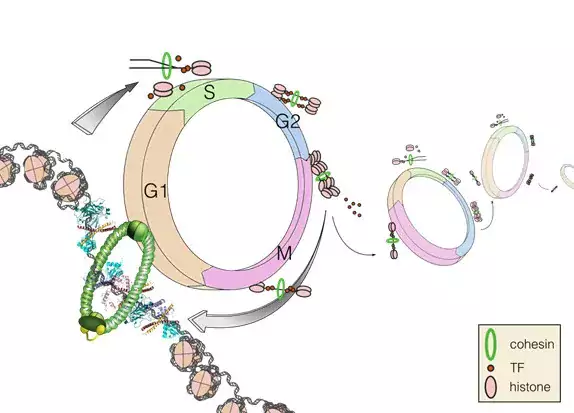
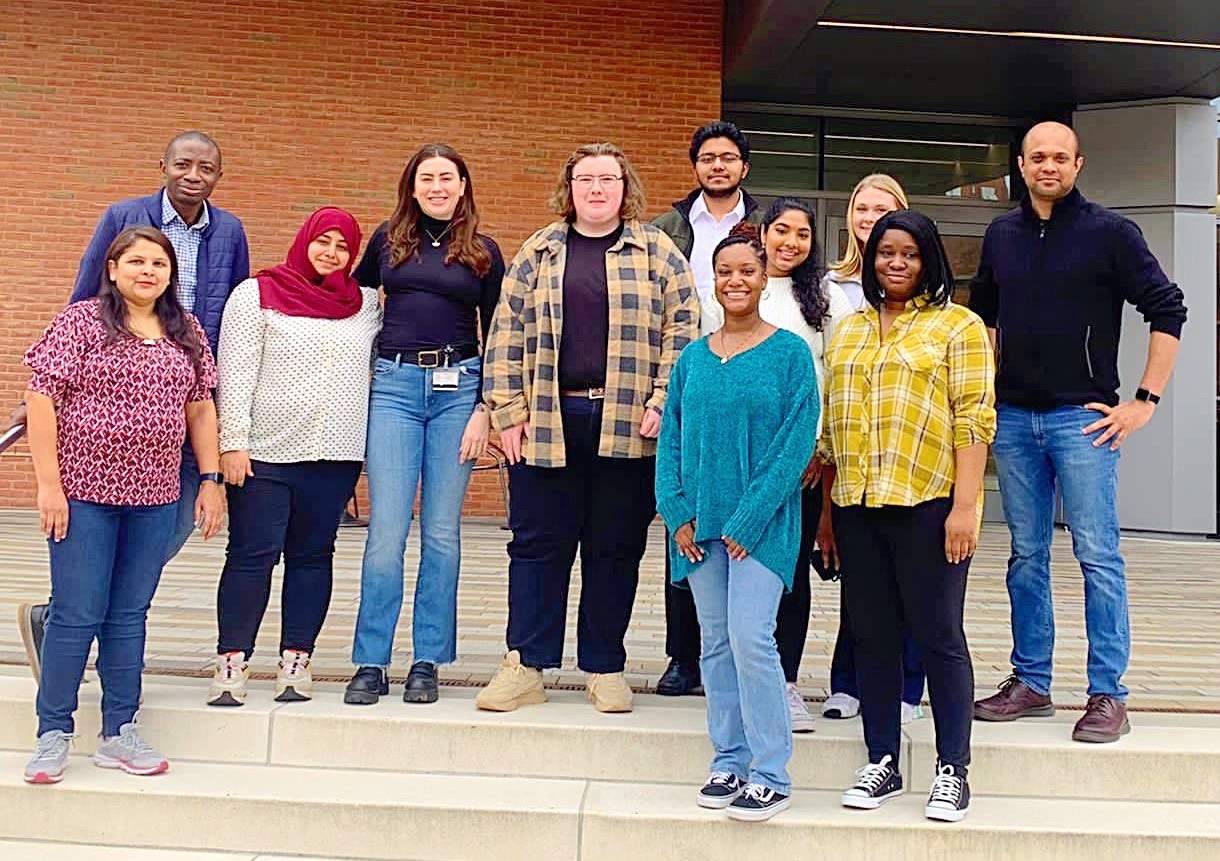
Jussi Taipale is a Professor of Medical Systems Biology at Karolinska Institutet and holds professorships at University of Helsinki. His research focuses on transcription factor binding mechanisms , cancer genomics , and gene regulatory networks . The interdisciplinary Taipale Lab operates across three international locations: Wellcome Sanger Institute (UK), Karolinska Institutet (Sweden), and University of Helsinki (Finland), with over 20 members including senior scientists, postdoctoral fellows, and graduate students. Ph.D., University of Helsinki (1996) Postdoctoral training: University of Helsinki, Johns Hopkins University Research spans transcription factor cooperativity , epigenetic regulation , chromatin accessibility , and noncoding mutation analysis . Key methodologies include HT-SELEX , CUT&RUN , ATI assays , and CRISPR-based functional genomics . The lab has significantly advanced understanding of Myc-driven oncogenesis , TF-nucleosome interactions , and dinucleotide specificity mechanisms . Notable discoveries include chromatin context-dependent enhancers , water-mediated DNA recognition , and novel composite transcription factor motifs . The group maintains active collaborations across Europe and has trained numerous alumni now leading academic and industry positions worldwide.
Eliana Vasquez Osorio is a Senior Research Fellow in the Division of Cancer Sciences at the University of Manchester. Her research focuses on advancing radiation therapy through innovative dosimetry techniques, toxicity prediction models, and integration of artificial intelligence in treatment planning. She contributes to major initiatives like the Manchester Cancer Research Centre and the Reirradiation Collaborative Group (ReCOG). Her work addresses challenges in reirradiation protocols, dose mapping methodologies, and patient-centered outcomes. Key research areas include radiation dose-response relationships in critical organs (e.g., rectum, brainstem, heart), causal inference methods for toxicity analysis, and optimizing auto-contouring algorithms. She has pioneered methodologies like dose surface mapping to identify subregions at risk of toxicity, with applications in prostate, head-and-neck, and pediatric cancers. Her publications (105 total) emphasize translational research, including seminal studies on MR-guided SABR, reirradiation standards, and AI-driven image analysis. She actively collaborates internationally, presenting over 9 invited talks on topics like deformable image registration and adaptive radiotherapy. Eliana is also engaged in public-patient involvement initiatives for natural language processing in healthcare data.
Michael W. Jenkins is a Professor of Biomedical Engineering at the Case Western Reserve University School of Medicine and a member of the Cancer Imaging Program at the Case Comprehensive Cancer Center. His research focuses on developing biomedical optics tools for studying congenital heart disease and peripheral nervous system disorders. Key techniques include optical coherence tomography (OCT), light-sheet microscopy, and infrared neuromodulation. The Jenkins Lab specializes in advancing 3D imaging modalities for real-time tissue analysis, aiming to reduce surgical delays and improve diagnostic accuracy. Research interests include rapid 3D tissue visualization to replace traditional frozen-section pathology, optical pacing of cardiac tissues, and corneal nerve imaging. His work bridges engineering and medicine, with applications in ophthalmology, cardiology, and neurology. Recent innovations include label-free microscopy techniques (e.g., MUSE imaging) and AI-driven segmentation tools for neural anatomy analysis. Publications highlight advancements in corneal crosslinking assessment, vagus nerve microanatomy characterization, and cardiac tissue imaging. The lab collaborates with industry to translate optical tools into clinical settings, emphasizing precision and real-time diagnostics. Teaching and mentorship are integral to his role, fostering interdisciplinary training in biomedical optics. Ongoing projects address unmet clinical needs in neural modulation therapies and regenerative medicine through optical platforms.
Neville Sanjana is an Associate Professor at the Department of Neuroscience , NYU Grossman School of Medicine , with a joint affiliation at the New York Genome Center . His academic journey began with a PhD at Massachusetts Institute of Technology . Research Interests in genome engineering, CRISPR technology, and functional genomics focus on: Dissecting noncoding genomic elements across cancers Developing high-throughput CRISPR screening methods Engineering therapies for neurological and genetic diseases Understanding transcriptional regulation in neuronal differentiation Recent Articles span cancer genomics, synthetic biology, and CRISPR-based diagnostics, with a thematic emphasis on: Drug resistance mechanisms in melanoma Noncoding element function in disease Advancements in base and prime editing Applications in immunotherapy and hemoglobin disorders Scientific Honors : NIH Director's New Innovator Award Sidney Kimmel Scholars Program DARPA Young Faculty Award Simons Foundation Autism Research Initiative Melanoma Research Alliance Young Investigator Award Teaching : In Spring 2022, he taught Special Topics: Genome Engineering (BIOL-UA 920) at NYU Biology, covering CRISPR evolution, gene therapies, and ethical implications of genome editing. Lab Operations : The Sanjana Lab operates from two locations - NY Genome Center (101 Avenue of the Americas, 4th floor, New York, NY 10013) and NYU Biology (755 Brown, 100 Washington Sq East, New York, NY 10003).
Professor Mahesan Niranjan holds the ISIS Chair at the University of Southampton's School of Electronics and Computer Science. His research spans interdisciplinary applications of machine learning in medical imaging, finance, and healthcare AI, with a focus on few-shot learning, lesion detection, and financial forecasting. Vision, Learning and Control Group Precision Biosciences Innovation Hub Institute for Life Sciences Centre for Digital Finance Digital Health Research projects His recent work includes developing AI-driven solutions for psoriasis treatment simulation, epidemic control policy learning, and bond portfolio management optimization. He has received multiple Best Paper Awards (2022) for his contributions to scientific discovery. Active research projects include Horizon Europe PUREMIND for mental illness prevention, PhototheRapy Enabled Via Artificially-Intelligent Lasers (PREVAIL), and EpiCURB for epidemic policy modeling. He supervises PhD students in Computer Science, Chemistry, and Biological Sciences.
Achuth Padmanabhan is an Assistant Professor in the Department of Biological Sciences at the University of Maryland, Baltimore County (UMBC), where he conducts cutting-edge research on ovarian cancer pathogenesis and therapeutic resistance. He is affiliated with the Interdisciplinary Life Sciences Building and leads an active research laboratory focused on molecular oncology and translational cancer research. Education: BS, Bharathidasan University (2005) PhD, University of Maryland Baltimore County (2011) Postdoctoral Training, Yale University (2015) Instructor, Baylor College of Medicine (2019) Dr. Padmanabhan's research centers on understanding how normal cells transform into cancerous ones, particularly focusing on ovarian cancer. His lab investigates tumor microenvironment dynamics, mechanisms of metastasis, and the molecular basis of chemoresistance. Using multidisciplinary approaches—including molecular, cellular, and organismic tools—his team explores key signaling pathways, protein degradation systems, and transcriptional regulators involved in cancer progression. Specific interests include p53 mutants, ZNF217, ADCK5 kinase, and proteasome isoforms. The recent publications and grants reflect a strong trend toward translational and clinically relevant research, with increasing emphasis on identifying novel therapeutic combinations, overcoming drug resistance, and developing clinically actionable strategies for metastatic ovarian cancer. His work bridges basic science with therapeutic innovation. Scientific Awards and Grants: Scientific Scholar Award – Rivkin Center for Ovarian Cancer American Cancer Society Institutional Research Grant Multiple ATIP Grants – UMB ICTR Elsa U. Pardee Foundation Grant Technology Catalyst Fund Award – UMBC UMBC Summer Research Faculty Fellowship (SURFF) Department of Defense Grants (multiple) National Institutes of Health Grant Ovarian Cancer Alliance of Greater Cincinnati Grants Entrepreneurship and Innovation Grants at UMBC Dr. Padmanabhan has secured substantial grant funding as Principal Investigator from federal, foundation, and institutional sources, demonstrating strong research leadership and external validation. His grants support both basic discovery and translational initiatives, including technology commercialization and curriculum innovation. He mentors graduate students and postdoctoral researchers through his lab and collaborative projects, though specific advisee names are not listed publicly. He is actively involved in academic entrepreneurship and innovation, having received funding from the Alex. Brown Center for Entrepreneurship and supporting curriculum development in innovation. His lab operates within UMBC’s Interdisciplinary Life Sciences Building, leveraging institutional partnerships with UMB and the University of Maryland Cancer Center to advance collaborative, high-impact cancer research.
G. Wilson Miller is an Associate Professor of Radiology and Medical Imaging and Biomedical Engineering at the University of Virginia. He holds a PhD in Nuclear Physics from Princeton University (2000) and a BS in Mathematics from the University of Maryland (1993). His research focuses on MRI technique development, hyperpolarized gas imaging, and MR-guided focused ultrasound surgery. Key research areas include: Hyperpolarized noble gas MRI to map lung oxygen levels (PAO2) and microstructure Development of fast spiral pulse sequences for 3D PAO2 imaging RF coil design for hyperpolarized gas imaging MRI-guided focused ultrasound for non-invasive surgical interventions Notable projects include collaborations with the physics department to build a helium-3 hyperpolarizer and studies on focused ultrasound for blood-brain barrier opening. His work has advanced applications in lung cancer treatment planning, COPD phenotyping, and neurological disorders.
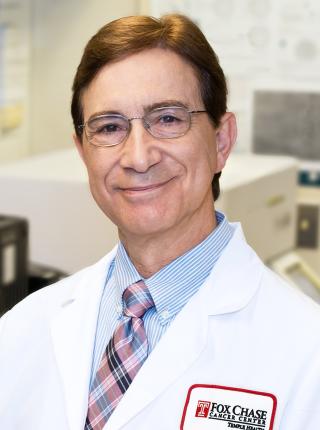
Joseph R. Testa is a Professor and Senior Member at Fox Chase Cancer Center, where he holds the Carol and Kenneth E. Weg Chair in Human Genetics. He serves as Chief of Genomic Medicine and Director of the Clinical Cytogenomics Laboratory within the Cancer Prevention and Control program. His research is centered on the molecular genetics of malignant mesothelioma and the oncogenic role of the AKT pathway. University: Fox Chase Cancer Center School: Cancer Prevention and Control Department: Genomic Medicine Academic Rank: Professor Dr. Testa’s research focuses on hereditary and somatic mutations in cancer, particularly in mesothelioma. He discovered germline mutations in the BAP1 gene, leading to the identification of the BAP1 tumor predisposition syndrome. His lab uses genetically engineered mouse models to study gene-environment interactions, tumor development, and preclinical drug testing. Key interests include AKT signaling, NF2 inactivation, and inflammation-driven oncogenesis. His work has revealed mechanisms of chemoresistance and potential therapeutic targets such as FAK and RIPK3. His recent publications (2020–2025) reflect a strong focus on molecular mechanisms in mesothelioma, T-cell lymphoma, and cancer immunology. Trends include the use of transgenic models, epigenetic regulation, and pathway crosstalk (e.g., Wnt, cholesterol synthesis). He actively explores immunogenicity, targeted therapy, and synthetic lethality in genetically defined cancers. Scientific awards include: AACR Most-Cited Article (2018) Pioneer Research Award, MARF (2013) Wagner Medal, IMIG (2012) Elected Fellow, AAAS (2012) Landon-AACR Innovator Award (2008) Irving Selikoff Award (1999) Dr. Testa has mentored numerous researchers and leads a multidisciplinary lab team. He has received continuous grant support for studies on mesothelioma genetics and signaling. His lab collaborates internationally, particularly in BAP1 syndrome research. He is an editorial board member for multiple journals and has served on the NCI Board of Scientific Counselors. His work bridges basic discovery and clinical translation, influencing genetic testing and therapeutic strategies. The Testa Lab includes key personnel such as Yuwaraj Kadariya, Eleonora Sementino, Ujjawal Shrestha, and Yinfei Tan, focusing on mouse models, cytogenetics, and molecular mechanisms of tumorigenesis.
Lorenzo Sempere is an Assistant Professor in the Department of Radiology at Michigan State University (MSU) and a faculty member of the Precision Health Program. His research focuses on microRNA-based diagnostics and therapies for breast and pancreatic cancer. Dr. Sempere earned his Ph.D. in Genetics from the Geisel School of Medicine at Dartmouth, followed by postdoctoral training there. He previously held faculty roles at Geisel School of Medicine and Van Andel Research Institute. His laboratory investigates translational approaches to cancer prevention and early detection, leveraging tools like 3D modeling, animal models, and high-content tissue analysis. Key areas include tumor heterogeneity, cancer-stroma interactions, and microRNA-regulated gene networks in disease progression. Recent work emphasizes microRNA-21 and miR-10b as therapeutic targets, alongside innovations in intraductal ablation techniques and multimodal imaging agents. The lab's research bridges basic science and clinical applications, aiming to improve precision medicine strategies. Despite his prolific output, no scientific awards or notable grants are explicitly mentioned in the provided texts. The Sempere Laboratory collaborates on projects involving nanomedicine, imaging technologies, and exosomal biomarkers, contributing to both academic and applied research.
Dr. Mary Playdon is an Assistant Professor in the Nutrition & Integrative Physiology department at the University of Utah , with an adjunct appointment in Population Health Science. Her research focuses on understanding the role of diet and obesity in cancer development and prognosis, leveraging metabolomics to identify dietary biomarkers and metabolic pathways underlying cancer risk. Education & Professional Background: She holds a PhD in Chronic Disease Epidemiology from Yale University (2016), an MPH from Queensland University of Technology (2010), and a BS in Nutrition and Dietetics (2003). Her postdoctoral training at the National Cancer Institute (2018) further specialized her in metabolic epidemiology. Research Interests: Dr. Playdon’s work integrates metabolomics, epidemiology, and clinical studies to address gaps in dietary measurement accuracy. Key areas include: Developing dietary biomarkers for objective assessment of food intake Examining metabolic dysregulation (e.g., ceramides) in obesity-related cancers Studying gut microbiome interactions with eating behaviors Evaluating lifestyle interventions (diet, fasting, exercise) for cancer survivors Grants & Leadership: She leads multiple NIH-funded grants, including studies on ceramides in colorectal cancer risk and metabolic syndrome. She chairs the Diet Working Group in the NCI’s Metabolic Dysregulation and Cancer Risk (MeDoc) Consortium and participates in the NIH Consortium of Metabolomics Studies (COMETS). Recent Contributions: Over 80 peer-reviewed articles, with recent emphases on malnutrition in cancer patients, overnight fasting effects on weight, and the role of microbiome diversity in gastrointestinal cancers.