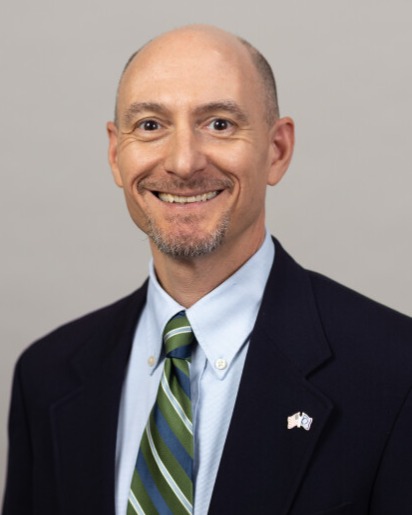
Lloyd A. Goldsamt is a Senior Research Scientist at NYU Rory Meyers College of Nursing and holds an affiliated role at the NYU School of Global Public Health as Associate Director of the Dissemination Core at the Center for Drug Use and HIV/HCV Research. He is also a faculty member at the Fordham University HIV and Drug Abuse Prevention Research Ethics Training Institute. His work spans over 25 years of NIH-funded and community-based research focused on HIV and STI prevention among high-risk populations including men who have sex with men, male sex workers, and injection drug users. PhD, MA in Clinical Psychology – SUNY Stony Brook BA – University of Massachusetts at Amherst Dr. Goldsamt’s research centers on behavioral and structural interventions to reduce HIV transmission, with a particular focus on stigma, mental health, and health disparities. His expertise includes evaluation of drug courts, mHealth adherence platforms, and ethical frameworks for research involving vulnerable populations. He has conducted extensive work in international settings, including China and Vietnam, and has contributed to understanding condom-related stigma, ART adherence, and the psychosocial health of marginalized groups. His recent publications reflect a strong trend toward mixed methods and intervention development, particularly in the areas of digital health, stigma reduction, and ethical research practices. He has led or contributed to studies on nurse mental health during the pandemic, retention in HIV care among youth, and culturally sensitive interventions for older adults and male sex workers. Phi Beta Kappa Dr. Goldsamt serves as Evaluator for the Brooklyn Treatment Court, an Evaluator for the OJJDP Juvenile Drug Court Learning Collaboratives, and an Evaluation Consultant for the OJJDP Opioid Affected Youth Initiative. These roles underscore his commitment to translating research into policy and practice within the juvenile justice and public health systems. He has not advised any named students in the available texts, but his leadership in training and ethics programs suggests mentorship involvement. He is actively involved in research teams and cores at NYU, particularly those focused on drug use, HIV, and public health dissemination. His work bridges clinical psychology, public health, and social justice, aiming to improve health outcomes for underserved populations through rigorous evaluation and ethical research practices.