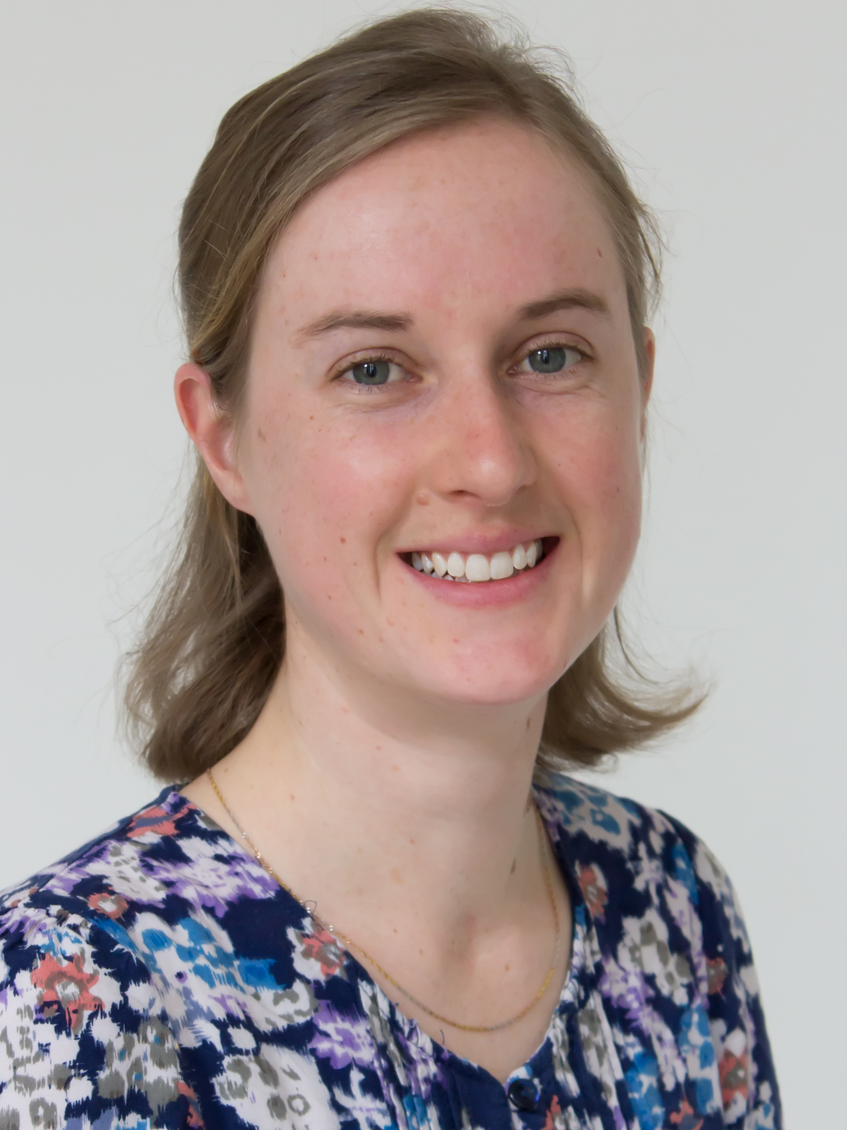
Anne Claire Conibear is an Assistant Professor (Tenure Track) in Protein Chemistry at the Faculty of Technical Chemistry, TU Wien (Vienna University of Technology), Austria. She also holds an Honorary Research Fellow position at the School of Biomedical Sciences, The University of Queensland. Her research focuses on using protein and peptide chemistry tools to create site-specifically modified proteins to study post-translational modifications in biological processes. Dr. Conibear's research interests include: Protein and peptide chemistry Chemical biology Post-translational modifications Protein synthesis and semi-synthesis Structural biology NMR spectroscopy Her current research projects focus on understanding how posttranslational modifications of HMGN1 regulate DNA packaging and how phosphorylation regulates β-catenin in oncogenic signaling. She develops chemical tools to create specifically modified proteins that allow precise investigation of how these modifications affect protein structure and function. Dr. Conibear has received several prestigious awards including the Boulder Peptide Foundation Danho Young Investigator Award (2025) and multiple Career Track Awards from the University of Queensland. She supervises multiple PhD students and has successfully mentored several graduate students through their theses. Her teaching includes courses on biomolecule synthesis, bachelor seminars, and foundational chemistry laboratories at TU Wien.
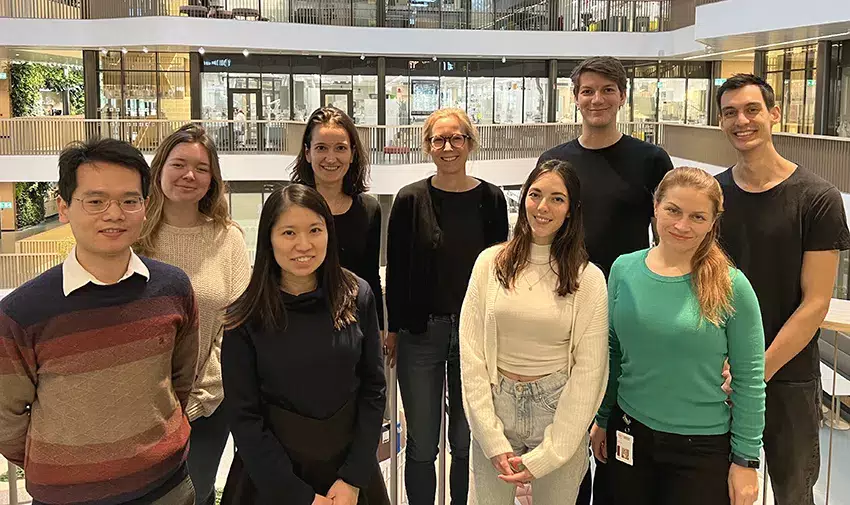
Maria Genander is a Principal Researcher at the Department of Cell and Molecular Biology, Karolinska Institutet, Stockholm. Her research focuses on epithelial stem cell regulation during development and disease, particularly cancer progression. 2009: PhD in Cell and Molecular Biology, Karolinska Institutet 2022–present: Principal Researcher, Department of Cell and Molecular Biology, Karolinska Institutet Research interests include: Transcriptional networks in epidermal stem and cancer stem cells Posttranslational protein modifications (e.g., citrullination) in hair follicle progenitors Progenitor cell heterogeneity in the esophagus and its role in cancer Publication trends show expertise in: Stem cell biology and cancer signaling Epigenetic and posttranslational regulation Mouse models for lineage tracing and tissue analysis Scientific awards : ERC Starting Grant (2019) Advising and lab : Advising: Kylie Hin-Man Mak (PhD student) Lab members: Evelien Eenjes (Post Doc), Wei Yang (Post Doc), Kim Vikhe Patil (Post Doc), Li Lei (Post Doc)
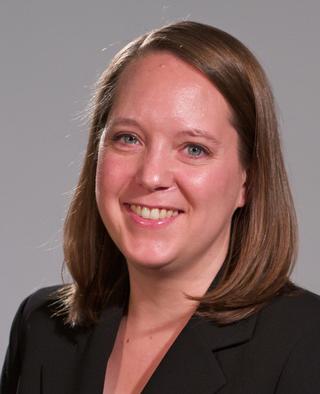
Carla Schmidt is Junior Professor at the interdisciplinary research centre ZIK HALOmem at Martin Luther University Halle-Wittenberg. Her research focuses on the transient conformations of intrinsically disordered proteins, particularly synaptobrevin-2, and the factors controlling disorder-to-order transitions. She integrates cross-linking mass spectrometry, NMR spectroscopy, and ion mobility-mass spectrometry with molecular dynamics simulations to study protein structural dynamics. Her research examines how environmental conditions influence protein folding pathways and biomolecular interactions relevant to neurological functions. Current projects investigate pressure effects on protein oligomerization and conformational stability.
Dr. Jennetta W. Hammond is an Assistant Professor in the Department of Neurology, Neuroimmunology and holds a joint appointment in the Department of Neuroscience at the University of Rochester School of Medicine and Dentistry. Her research focuses on neuroimmune mechanisms in neurological disorders, particularly investigating the Sez6 gene family and their roles in neuroprotection through complement regulation. She also explores mitochondrial stress pathways linked to movement disorders and autoimmune mechanisms in cerebellar ataxia. Education: PhD in Cell and Developmental Biology from the University of Michigan (2008) BS in Zoology from Brigham Young University (2002) Research Interests: Complement system regulation in neurodegeneration Autoantibody-mediated cerebellar ataxia Mitochondrial dysfunction in movement disorders Animal model development for neuroimmune diseases Her lab has identified the Sez6 gene family as critical regulators of synaptic preservation during development and disease states like Alzheimer’s and multiple sclerosis. Current projects include studying Sez6L2 autoantibodies in autoimmune ataxia and characterizing the Mix23 gene’s role in mitochondrial stress. Publications: Dr. Hammond has authored 17 journal articles focusing on neuroimmunology, complement biology, and molecular motor mechanisms. Recent work highlights synaptic protection strategies and novel therapeutic targets for neurodegenerative diseases. Labs & Teams: Her research is conducted within the Center for Neurotherapeutics Discovery at the University of Rochester Medical Center, collaborating extensively on translational neuroscience projects.
Dr. Karim Rafie is an Assistant Professor in Molecular Pharmacology at the Faculty of Science and Engineering, University of Groningen. His research focuses on host-pathogen interactions, structural biology, and virology. He investigates viral entry mechanisms, enzymatic processes in posttranslational modifications (e.g., O-GlcNAc transferase), and drug delivery systems using extracellular vesicles. His work contributes to understanding infectious diseases, neurodegenerative mechanisms, and therapeutic development. Research Interests: - Structural biology of viral pathogens (e.g., adenoviruses) - Enzyme inhibitors and ligase activity modulation - Extracellular vesicle-based drug delivery - O-GlcNAc glycosylation and its biological roles Recent Articles: Dr. Rafie’s publications highlight advancements in viral capsid structure determination, enzymatic mechanisms (e.g., E3 ligases, O-GlcNAc transferase), and applications of extracellular vesicles in medicine. His 2025 studies address calcium signaling in neuronal death and inhalable dry powder formulations, reflecting his interdisciplinary approach to pharmacology and biomedicine. Labs/Teams: Affiliated with the Groningen Research Institute of Pharmacy, focusing on molecular pharmacology and structural enzymology.
Dr. Praveen Kumar Jaiswal is an Assistant Instructor in the Department of Internal Medicine at UT Southwestern Medical Center, specializing in the Division of Hematology and Oncology. He joined the faculty in 2024 after completing postdoctoral training in urology and cancer research. His academic journey includes a PhD from King George's Medical University and postdoctoral fellowships at Sanjay Gandhi Post Graduate Institute of Medical Sciences and LSU Health Sciences Center. Dr. Jaiswal's research focuses on prostate cancer mechanisms, treatment resistance, and targeted therapies. His work explores signaling pathways such as the Hippo pathway, cAMP/PKA signaling, and translational control via EIF4G1. He has published extensively in peer-reviewed journals and serves on editorial boards, including Journal of Histotechnology and BMC Cancer . In 2019, he received the American Urological Association's Research Scholar Award. Professional Societies: American Society for Biochemistry and Molecular Biology, American Association for Cancer Research, European Association for Cancer Research Research Interests: Molecular oncology, cancer therapeutics, signal transduction His articles highlight therapeutic targeting of proteins like TLK1/NEK1 and PDEF, while his recent work addresses castration-resistant prostate cancer and miRNA variants in renal cell carcinoma. Dr. Jaiswal actively presents at global conferences and contributes to book chapters, emphasizing translational research in oncology.
Veit Stefan Schwämmle is an Associate Professor at the Department of Biochemistry and Molecular Biology, University of Southern Denmark. His work focuses on biomedical mass spectrometry and systems biology, with expertise in proteomics, bioinformatics, and computational modeling of multivalent histone modifications in gene regulation. Research Interests: His research combines statistical data analysis, Monte Carlo simulations, and advanced mass spectrometry techniques to study proteomics, posttranslational modifications, and their applications in biomedical contexts. Key areas include liquid chromatography-mass spectrometry, bottom-up proteomics, and privacy-preserving data analysis methods. Projects: He participates in EU Horizon Europe initiatives like ELIXIR-STEERS and ELIXIR-STREERS, focusing on research infrastructure and bioinformatics. His involvement in projects such as PROTEIN and Elixir Hub highlights his contributions to multicenter proteomics and data standardization. Activities: A seasoned lecturer, he has delivered presentations on computational proteomics, statistics, and bioinformatics in both academic and industry settings since 2012, emphasizing large datasets and analytical rigor.
Vladimir Gorshkov is a Lab Manager at the Department of Biochemistry and Molecular Biology, University of Southern Denmark, specializing in Biomedical Mass Spectrometry and Systems Biology . His research focuses on Proteomics , Mass Spectrometry , and Posttranslational Modification , with applications in neurodegenerative diseases, cancer therapy, and cultural heritage analysis. Lab Manager, Biomedical Mass Spectrometry and Systems Biology, SDU 46+ publications spanning 2010–2025 Research Trends : His recent work emphasizes ultra-fast proteomic analysis , MS/MS-free quantification , and neuroprotection mechanisms in Parkinson’s and chemotherapy-induced neuropathy. Collaborations span Denmark , Brazil , and International Partners . Scientific Activities : Presented at the 2023 EuBIC-MS conference on Negative Ion Mode Proteomics .
Dr. Wei-Ling Tsou is a Researcher in the Department of Pharmacology at Wayne State University School of Medicine, specializing in age-related neurodegeneration and proteinopathies. Her work focuses on Spinocerebellar Ataxias (SCAs) and Parkinson’s Disease (PD), using Drosophila melanogaster and cell culture systems to study protein aggregation, oxidative stress, and therapeutic interventions. Ph.D. in Neuroscience, National Yang-Ming University, Taipei, Taiwan Post-doctoral fellow and Research Associate in Pharmacology, Wayne State University Research interests include: Protein aggregation mechanisms in PD and SCAs Polyamine metabolism in neurotoxicity and neuroprotection Ubiquitin-proteasome system and protein quality control Development of Drosophila models for neurodegenerative diseases Her publications span molecular neuroscience, genetics, and environmental toxicology, with recent work exploring: Therapeutic targeting of polyamine pathways in PD (2025) Mechanistic roles of ataxin-3 domains in SCA3 toxicity (2024-2023) Protein interactions in polyglutamine diseases (2022-2011) Dr. Tsou mentors graduate students and research assistants, emphasizing experimental design and troubleshooting. She has presented her findings at national and international conferences and contributes to scientific discourse through her research on neurodegenerative disease mechanisms.
Weiqin Chen, PhD , is an Associate Professor in the Department of Physiology at Augusta University's Medical College of Georgia . With a focus on metabolic regulation and diseases, their work bridges adipose biology, cardiac metabolism, and hepatic pathophysiology. Education: PhD in Molecular Genetics (Michigan State University, 2005), MS in Microbiology (China Agricultural University, 1999), BS in Microbiology (Nanjing Agricultural University, 1995) Research Interests: Adipose biology and energy balance in obesity and lipodystrophy Cardiac substrate utilization in heart failure Lipid metabolism in liver pathophysiology Recent Research Trends: Recent publications highlight investigations into neddylation, HDAC9, AGPAT3, and BSCL2/Seipin, linking posttranslational modifications and genetic factors to adipocyte differentiation, lipid catabolism, and metabolic cardiomyopathy. These studies employ genomics, proteomics, and murine models to address cardiometabolic diseases. Scientific Awards and Recognitions: Outstanding Young Basic Science Faculty Award (2017) Eugenia Rosenberg Travel Award (2013) Medical Student Sponsor Award (2013) Postdoctoral Fellowships (2008, 2006) DuVall Award, Michigan State University (2004) Students and Lab Personnel: The lab actively recruits research assistants, undergraduates, graduate students, and postdoctoral fellows. Current lab members include Hongyi Zhou, PhD (Assistant Research Scientist), Mousumi Baruah (Postdoctoral Fellow), Gavin Feinberg (Undergraduate Student), and Xuelei Zhao (Temporary Paraprofessional). Grants and Collaborations: Recent projects include NIH-funded studies on posttranslational modifications in adipose biology (NIDDK, 2023-2026) and cardiac metabolism (NHLBI, 2016-2026).
Mark E. Bowen serves as Associate Professor in the Department of Physiology and Biophysics at Stony Brook University's Renaissance School of Medicine, where he investigates scaffold proteins critical for excitatory neurotransmission and neurological disorders including autism, epilepsy, and stroke-related neurodegeneration. Education: Ph.D., University of Illinois at Chicago (1998) Research Interests: Dr. Bowen's laboratory employs reductionist biochemical reconstitution and single-molecule fluorescence microscopy to decode how MAGuK scaffold proteins organize synaptic signaling complexes. His work focuses on intrinsic protein disorder , posttranslational modifications (phosphorylation/palmitoylation), and dynamic protein interactions within the postsynaptic density. This research bridges structural biology and neuroscience to elucidate mechanisms underlying synaptic plasticity and neurological disease pathogenesis. Publication Trends: Analysis of Dr. Bowen's 2011-2018 publications reveals consistent innovation in single-molecule biophysical techniques , particularly FRET-based conformational analysis of PSD-95 scaffold domains. His work demonstrates increasing emphasis on quantitative benchmarking of imaging methodologies and disease-relevant modifications of synaptic proteins, establishing foundational principles for how dynamic protein assemblies govern neurotransmission. Scientific Awards: No specific awards are documented in the provided materials. Advising and Grants: As Principal Investigator of the Bowen Lab, Dr. Bowen mentors graduate students in the Department of Physiology and Biophysics. His research program is supported by competitive extramural funding, though specific grant mechanisms are not detailed. The laboratory maintains active collaborations with international structural biology groups, reflecting its methodological leadership in single-molecule neuroscience. Laboratory: The Bowen Lab (Basic Science Tower T-5, Room 124) operates a cutting-edge single-molecule imaging facility focused on reconstituted synaptic systems . Current projects integrate in vitro membrane models with advanced microscopy to decode the 'rules' governing spontaneous assembly of postsynaptic protein networks, with direct relevance to neurological therapeutics.
Dr. Antonina Roll-Mecak is a Senior Investigator and Chief of the Cell Biology and Biophysics Section at the National Institute of Neurological Disorders and Stroke (NINDS), part of the National Institutes of Health (NIH). She also holds appointments at the Biophysics Center of the National Heart, Lung and Blood Institute. Dr. Roll-Mecak is a native of Romania who received her undergraduate degree in Chemical Engineering from The Cooper Union in New York City. She earned her Ph.D. in Molecular Biophysics from the Rockefeller University, where she studied the structure and mechanism of translation initiation GTPases. As a Damon Runyon postdoctoral fellow with Ron Vale at the University of California, San Francisco, she identified a new microtubule-severing enzyme. She joined the NIH in 2010. Dr. Roll-Mecak's research focuses on the "tubulin code" hypothesis, which proposes that the combinatorial information expressed through tubulin genetic and chemical diversity controls microtubule dynamics, mechanics, and interactions with effectors. Her laboratory aims to understand: (i) the biochemical mechanisms of tubulin modification enzymes, (ii) the effects of tubulin posttranslational modifications on microtubule properties, and (iii) how these modifications affect cellular effector recruitment and function. Her work integrates structural biology, enzymology, single molecule biophysics, live cell imaging, and computational modeling. Analysis of Dr. Roll-Mecak's recent publications reveals a consistent focus on understanding how tubulin modifications influence microtubule function. Her research spans multiple disciplines including cell biology, neuroscience, structural biology, and biophysics, with particular emphasis on the molecular mechanisms underlying microtubule dynamics and stability. Her work has significant implications for understanding neuropathologies, cancers, and axonal regeneration. Dr. Roll-Mecak has received numerous prestigious awards for her research: Burroughs Wellcome Career Award Pathway to Independence Award from the NIH Searle Scholar Award 2015 Margaret Dayhoff Award from the Biophysical Society 2016 Emerging Leader Prize from the American Society for Cell Biology 2017 Keith R. Porter fellow As Chief of the Cell Biology and Biophysics Section at NINDS, Dr. Roll-Mecak leads a research team that investigates fundamental aspects of microtubule biology. Her laboratory provides training opportunities for postdoctoral fellows and other trainees interested in cell biology, biophysics, and neuroscience. Although specific grant information isn't detailed in the provided text, her receipt of multiple career awards suggests strong funding support for her research program. The Roll-Mecak laboratory at NIH employs a multifaceted experimental approach, combining structural biology, enzymology, single molecule biophysics, live cell imaging, and computational modeling to unravel the complexities of the tubulin code. Her team's work has important implications for understanding neurological disorders, cancer, and cellular transport mechanisms.
Dr. Anne Conibear is an Honorary Research Fellow at the School of Biomedical Sciences , University of Queensland . Her research focuses on understanding the role of post-translational modifications (PTMs) in regulating protein structure and function using chemical synthesis , NMR spectroscopy , and protein semi-synthesis techniques. PhD in Chemistry/Biochemistry, University of Queensland Postdoctoral fellowship in Vienna Current UQ Development Fellowship for independent research Her work leverages chemical biology tools to study PTMs like phosphorylation, sulfation, and palmitoylation, providing atomic-resolution insights into how cells dynamically respond to environmental cues. Recent publications highlight structural analysis of PTMs in Hsp90 , HMGN1 , and CD44 , alongside methodological advances in isotope labeling and ligation techniques . She has also contributed to venom peptide research and antimicrobial mechanisms . 2022: Australian Peptide Display Facility (ARC LIEF) 2020-2021: UQ Early Career Researcher Grant 2019-2022: CIL Research Grant 2019-2021: UQ Development Fellowship Dr. Conibear collaborates with industry partners like Syntab Therapeutics and CIL Research Program , while supervising research projects such as the 2024 Master Philosophy thesis on µ-Conotoxins . She actively participates in scientific outreach, including INDICAR cancer research initiatives .
Richard Strasser is an Associate Professor at the University of Natural Resources and Life Sciences Vienna, affiliated with the Faculty of Life Sciences and the Institute of Applied Genetics and Cell Biology (IAGZ). His work focuses on plant biotechnology and cell biology, particularly in glycobiology and protein engineering. Research Interests: Glycobiology of plant cell systems Engineering plant glycoproteins for therapeutic use ERAD machinery and protein quality control Transient expression systems in Nicotiana benthamiana Glycan-dependent vaccine development Article Trends: His recent publications highlight advancements in plant-produced therapeutic antibodies (e.g., ACE2-Fc decoys, SARS-CoV-2 IgA), glycan engineering for viral antigen stability, and molecular insights into ERAD pathways. Key themes include N- and O-glycosylation optimization, glycoprotein structural analysis, and applications in mucosal immunity. Teaching: Authorized to teach cell biology at the university level. Labs: Leads the iIPBT Plant Biotechnology and Cell Biology group, driving innovation in plant glycoengineering.
Kavya Gauba is a Researcher at the Institute of Plant Biotechnology and Cell Biology within the Department of Biotechnology and Food Science at the University of Natural Resources and Life Sciences, Vienna (BOKU). She is based at Muthgasse 18, 1190 Wien, Austria, and is listed in the university's Research Information System (FIS) as active scientific staff as of 2025. Her research interests align with the institute's core focus on posttranslational protein modifications and molecular pathways, particularly emphasizing protein glycosylation mechanisms, glycan functions in cellular processes like plant cell wall biosynthesis and growth control, intracellular protein trafficking, proteolytic processing events, advanced microscopy for endomembrane compartment analysis, and CRISPR/Cas-based genetic engineering of food/feed crops for quality trait improvement and pharmaceutical protein production systems. No scientific awards or honors are documented in the FIS database. The absence of supervised theses records indicates no formal PhD/Master's advisees are currently listed in the university system.