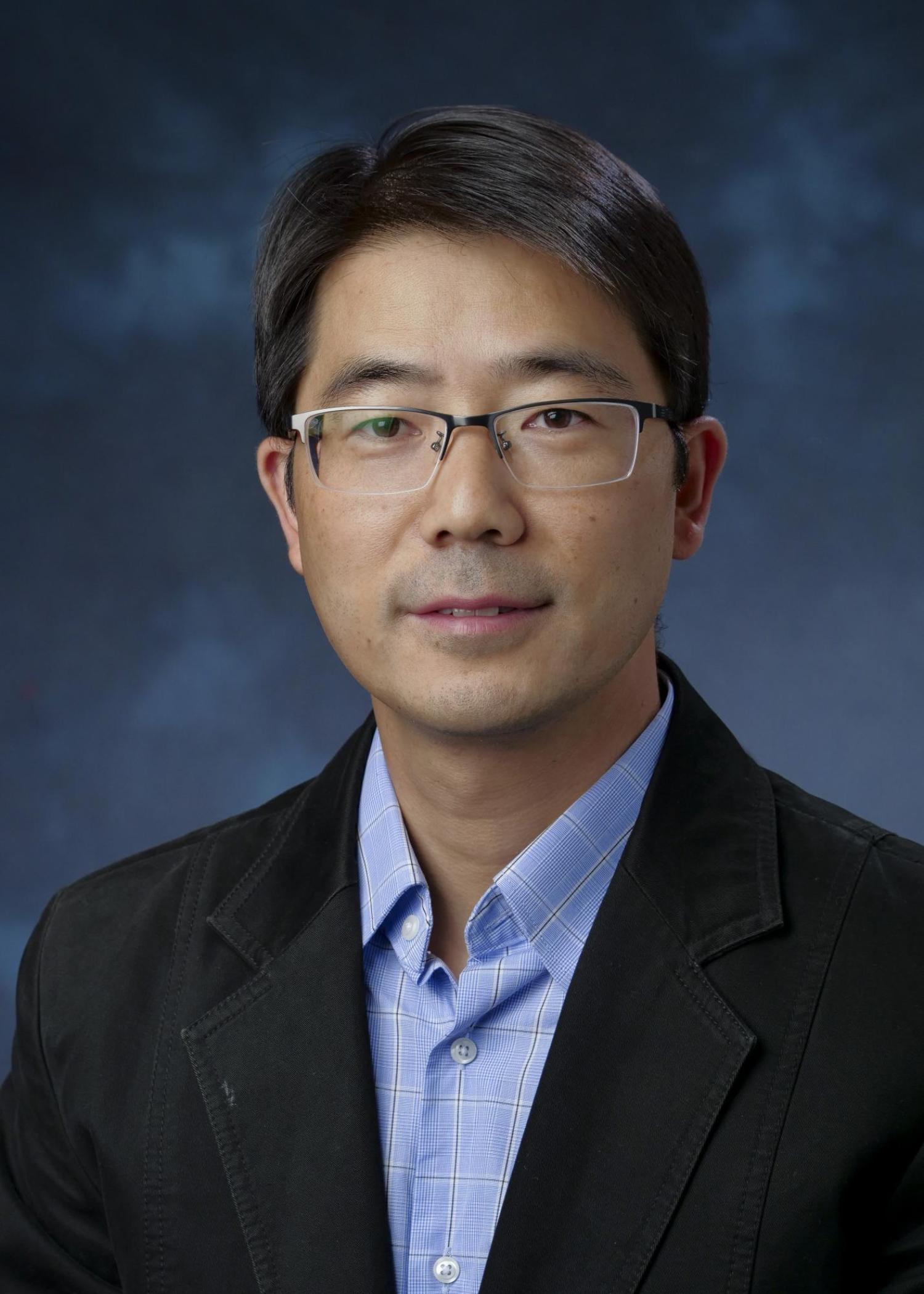
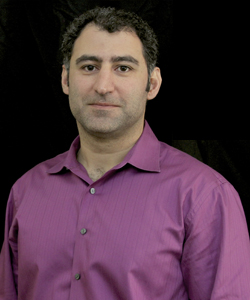
Masoud Babaeiمشاهده پروفایل
مدرس ارشد
Masoud Babaei is a Senior Lecturer in Subsurface Energy Engineering at the School of Chemical Engineering, University of Manchester, specializing in computational modeling of porous media for carbon capture/storage, geothermal systems, and hydrogen storage. He teaches MSc Subsurface Energy Engineering courses and previously instructed undergraduate Petroleum Engineering until 2020. His academic credentials include: Doctor of Engineering in Petroleum Engineering from Imperial College London (awarded 2013) Master of Science in Reservoir Simulation/Petroleum Engineering from Sharif University of Technology (awarded 2007) Fellow of The Higher Education Academy (awarded 2018) Research focuses on pore-to-Darcy scale modeling of subsurface processes, with key contributions to CO2 storage, hydrogen geo-storage, and geothermal energy systems. His work integrates computational fluid dynamics, molecular simulations, and machine learning to address challenges in sustainable energy transition and carbon neutrality, directly supporting UN Sustainable Development Goals 7 (Affordable Clean Energy) and 13 (Climate Action). Recent publications demonstrate a clear trajectory toward integrated energy systems, particularly coupling geothermal resources with hydrogen production and carbon retention technologies. His research increasingly emphasizes multiscale modeling approaches—from molecular dynamics to field-scale simulations—to optimize subsurface energy storage and conversion processes while addressing environmental sustainability. His scientific recognition includes: Fellow of The Higher Education Academy Dr. Babaei has secured five major research grants totaling over £1.2M, including projects on boron management in Turkish geothermal systems and soil salinity control in Konya Plain. He has supervised six postgraduate researchers and contributed to academic service through NERC grant panels, ACS committee membership, and organizing international conferences like the Newton Fund Turkey-UK collaboration. His work extends to press engagement including the Arsenic Network blog on environmental contaminants. His research operates within Manchester's Energy Beacon and Dalton Nuclear Institute frameworks, fostering cross-disciplinary collaboration on sustainable subsurface energy solutions through partnerships with institutions in Turkey, China, and across Europe.