Joe Stock is an Assistant Professor in Kinesiology at East Carolina University's College of Health and Human Performance. He operates the Human Performance Lab, focusing on cardiovascular wellness in aging and at-risk populations. B.S. in Exercise Science, Slippery Rock University M.S. in Health, Physical Activity and Chronic Disease, University of Pittsburgh Ph.D. in Kinesiology and Applied Physiology, University of Delaware His research examines aortic hemodynamics, vascular function, and lifestyle interventions through echocardiography, blood vessel ultrasound, and non-invasive blood pressure analysis. He explores sex differences in neurocardiovascular responses and salt sensitivity mechanisms. Recent publications demonstrate expertise in chronic kidney disease adaptations, exercise-induced vascular changes, and central sodium sensing. Collaborations span cardiovascular physiology, nephrology, and autonomic neuroscience. National Heart, Lung, and Blood Institute grant (2021-2023) University of Delaware Dissertation Fellowship (2019) University of Delaware Summer Doctoral Fellowship (2018) Professional service includes American Heart Association membership, ACSM regional committee work, and development of clinical exercise programs for renal patients. His work integrates applied physiology with translational medicine.
Jacqui Webster is a Professor of Public Health at the University of Technology Sydney (UTS), leading the WHO Collaborating Centre on Nursing, Midwifery and Health Development. She serves as the Secretariat for the South Pacific Chief Nursing and Midwifery Officers Alliance (SPCNMOA) and continues collaborating with The George Institute for Global Health on salt reduction research. Key Grants: NHMRC Investigator Grant (Leadership 2), NHMRC IDEAS Grant, Global Alliance for Chronic Diseases grants Collaborations: Fiji National University, Deakin University, University of Sydney, UNSW, Northwestern University Her research focuses on reducing cardio-metabolic diseases through food/water security programs and salt reduction policies. Recent articles analyze potassium-enriched salt adoption barriers, global water sodium standards, ultra-processed food impacts in Fiji, and pandemic-related dietary shifts in Australia. She authored the public health-themed book Two Bugs on Bikes (Hembury Books 2025) based on her cycling journey across Europe and Africa. At UTS, she mentors early-career researchers and supports strategic operations for the WHO Collaborating Centre.
Professor Bruce Neal is a Conjoint Professor of Medicine at UNSW Sydney and Executive Director of The George Institute Australia. He completed his medical degree at the University of Bristol (UK) in 1990 and earned a PhD in epidemiology from the University of Auckland (New Zealand) in 2000. Dr. Neal has been pivotal in expanding The George Institute from its founding in 1999 to a global organization with over 700 staff. His research focuses on translating clinical and public health findings into policy, particularly addressing hypertension, diabetes, and chronic disease prevention through dietary interventions like salt substitution. He has pioneered the FoodSwitch app to promote healthier food choices and led large-scale trials such as the Salt Substitute and Stroke Study (SSaSS), demonstrating the cardiovascular benefits of potassium-enriched salt. Education: MB ChB, University of Bristol (1990) MRCP, Royal College of Physicians (1993) PhD in Medicine, University of Auckland (2000) Neal’s research emphasizes the environmental determinants of health, including food policy and pharmaceutical industry collaborations. He holds prestigious awards like the FAAHMS and FAHA, and leads major grants such as the NHMRC’s largest Program Grant. His work spans clinical trials (e.g., CANVAS/CREDENCE), public health campaigns, and global health initiatives targeting sodium reduction and ultra-processed foods. He has over 500 peer-reviewed publications and co-founded George Clinical, a successful research spin-off. His articles highlight advancements in SGLT2 inhibitor therapies, salt substitution efficacy, and the interplay between diet, chronic disease, and climate change. Neal’s contributions bridge clinical practice, policy, and global health equity, with a focus on scalable interventions to reduce preventable disease burdens.
Sergi Alonso is a Lecturer (Teaching) in Health Economics at the Global Business School for Health, University College London (UCL) , with a research associate affiliation at the School of Biodiversity, One Health and Veterinary Medicine, University of Glasgow . His work focuses on mathematical modeling for schistosomiasis research and evaluating health interventions in low- and middle-income countries. PhD in Health Economics , University of Barcelona MSc in Economics , University of Barcelona His research explores the intersection of health economics , global health , and public health policy , particularly through cost-effectiveness analyses of disease elimination strategies. Recent work examines behavioral factors affecting schistosomiasis transmission, including trust in healthcare systems and communal sanitation adoption. Publications highlight expertise in modeling schistosomiasis and malaria , with a focus on LMICs . Topics span vaccine implementation, vector control, and healthcare cost assessments, often involving collaborations with international stakeholders like WHO, PATH, and GAVI. WHO Membership : Strategic and Technical Advisory Group for Neglected Tropical Diseases (STAG-NTD) Working Group on Monitoring, Evaluation and Research (WG MER), 2024–2027
Timothy W. Farrell, MD, AGSF, is Presidential Endowed Chair in the Division of Geriatrics, Professor of Medicine, and Associate Chief for Age-Friendly Care at the Spencer Fox Eccles School of Medicine, University of Utah. He concurrently serves as Physician Investigator at the VA Salt Lake City Geriatric Research, Education, and Clinical Center (GRECC). Education A.B., Philosophy – Dartmouth College M.D. – University of Massachusetts Medical School Residency in Family Medicine – Brown University/Memorial Hospital of Rhode Island Fellowship in Geriatrics – Brown University/Rhode Island Hospital Research Fellowship in Geriatrics – Brown University/Rhode Island Hospital Research Interests Dr. Farrell’s scholarly work centers on age-friendly health systems , medical ethics , transitions of care , interprofessional education and practice , and the ethically complex care of unrepresented older adults . He has led national position statements on socially isolated elders and on ethical allocation of scarce resources during the COVID-19 pandemic, and he actively opposes ageism through local, regional, and national initiatives. Publication Themes Across more than 40 peer-reviewed articles since 2007, three dominant themes emerge: (1) innovation in geriatric care delivery and age-friendly health-system transformation; (2) ethical, policy, and equity challenges—especially for unrepresented or marginalized older adults; and (3) interprofessional education models that prepare the healthcare workforce to meet the complex needs of an aging population. Scientific Awards & Honors Presidential Endowed Chair in Geriatrics, University of Utah HRSA Geriatric Academic Career Award (GACA) Fellow of the American Geriatrics Society (AGSF) Fellow, University of Utah Academy of Health Science Educators 2016–17 Emerging Leaders in Aging Leadership Scholar (Tideswell/AGS/ADGAP) Leadership, Grants, & Advising Dr. Farrell chairs the American Geriatrics Society Ethics Committee and co-chairs the AGS Tideswell Leaders in Aging Special Interest Group. He co-PIs the CDC-funded “Specialty Societies Advancing Adult Immunization” AGS sub-award via CMSS. From 2016 to 2021 he directed the University of Utah Health Interprofessional Education Program, leading its successful 2021 application to the Institute for Healthcare Improvement for Age-Friendly Committed to Care Excellence Status. While specific advisee names are not listed, his extensive mentorship is reflected in numerous co-authored papers with trainees across medicine, nursing, social work, and public health. Laboratory & Clinical Teams At the VA Salt Lake City GRECC, Dr. Farrell works within a multidisciplinary team of geriatricians, nurses, pharmacists, and social scientists to design, implement, and evaluate innovative care models for older veterans. His University of Utah team supports the Age-Friendly Health Systems initiative, embedding the 4Ms framework (What Matters, Medication, Mentation, Mobility) across inpatient, ambulatory, and post-acute care settings.
Cali E. Johnson, MD, EdD serves as an Assistant Professor (Clinical) in the Department of Surgery, Division of Vascular Surgery at the University of Utah School of Medicine, practicing at the Cardiovascular Center in Salt Lake City. Her clinical expertise spans the full spectrum of vascular disease with specialized focus on complex aortic endovascular surgery and multidisciplinary limb preservation strategies. Her educational journey includes: B.S. in Pharmacology and Biopsychology from University of California, Santa Barbara M.D. with Distinction from University of California, San Francisco School of Medicine Certificate in Biomedical Research (UCSF) General Surgery Residency at Keck School of Medicine, USC EdD in Organizational Change from USC Rossier School of Education Vascular Surgery Fellowship via Early Specialization Program (Keck/USC) Dr. Johnson's academic mission centers on integrating surgical education research with healthcare system optimization to enhance patient care quality. Her work bridges clinical vascular practice with educational innovation, particularly examining how training methodologies impact real-world surgical outcomes and system efficiency. She maintains active scholarship in vascular surgery outcomes, surgical education frameworks, and quality improvement initiatives. Analysis of her 15 most recent publications reveals consistent research trajectories in three domains: vascular surgery outcomes (particularly in elderly/frail populations), surgical education methodology, and technical innovations in endovascular procedures. Her work demonstrates increasing emphasis on patient-centered metrics, health services research, and the intersection of educational theory with clinical practice improvement. Patient feedback consistently highlights her exceptional clinical skills (4.9/5 from 63 reviews), with recurring themes of professionalism, empathetic communication, and life-saving surgical expertise. Comments describe her as a "phenomenal surgeon" who creates "everlasting impact" through meticulous care and patient advocacy.
A. Taylor Kelley, MD, MPH, MSc, serves as an Assistant Professor in the Division of General Internal Medicine at the University of Utah School of Medicine and practices as a primary care and addiction medicine physician at the VA Salt Lake City Health Care System. His academic work focuses on health services research to improve care quality and access for socioeconomically disadvantaged populations, particularly veterans, immigrants, and tribal communities. Dr. Kelley's educational trajectory includes: Bachelor of Arts in Economics (with Music minor) from Brigham Young University Doctor of Medicine from University of Texas McGovern Medical School Internal Medicine/Pediatrics Residency at Yale-New Haven Hospital Master of Public Health from Harvard T.H. Chan School of Public Health Master of Science in Health Care Research from University of Michigan National Clinician Scholars Program Fellowship at University of Michigan His research centers on behavioral health integration within primary care for vulnerable populations, examining social determinants of health through health services methodologies. Current projects address opioid use disorder treatment access, veteran healthcare transitions, and rural addiction service models, with emphasis on reducing systemic disparities. He employs mixed-methods approaches to evaluate policy impacts and clinical interventions in real-world settings. Analysis of his 2022-2026 publications reveals consistent focus on opioid epidemic response, veteran health outcomes, and primary care transformation. Key patterns include development of measurement taxonomies for patient-centered care, examination of Medicaid policy impacts, and implementation science for rural addiction networks. His work frequently bridges clinical practice with health policy, particularly regarding VA care systems and social vulnerability frameworks. Dr. Kelley's research is supported by the National Institutes of Health, U.S. Department of Veterans Affairs, and Utah Department of Health and Human Services. He actively contributes to quality improvement initiatives through Intermountain Health and serves on committees addressing addiction medicine integration. As a board-certified physician (American Board of Internal Medicine and American Board of Preventive Medicine in Addiction Medicine), he maintains clinical practice while leading health services investigations. His interdisciplinary collaborations include the Rural Addiction Implementation Network (RAIN) initiative, which develops community-based solutions for American Indian and rural populations facing substance use disorders.
Adam J. Gordon, MD, MPH, FACP, DFASAM, is the Elbert F. and Marie Christensen Endowed Research Professor and tenured Professor of Medicine and Psychiatry at the University of Utah School of Medicine. He serves as Section Chief of Addiction Medicine at the VA Salt Lake City Health Care System and holds core faculty membership at the VA Salt Lake City Informatics, Decision-Enhancement and Analytic Sciences (IDEAS) Center. Dr. Gordon is Editor-in-Chief of Substance Abuse journal and Principal Investigator of the NIH NIDA-funded Greater Intermountain Node (GIN). He founded and directs the Program for Addiction Research, Clinical Care, Knowledge, and Advocacy (PARCKA). Education: Fellowship: General Internal Medicine, VA Pittsburgh Healthcare System/University of Pittsburgh MPH: University of Pittsburgh Graduate School of Public Health Residency: Internal Medicine, University of Pittsburgh Medical Center MD: University of Pittsburgh School of Medicine BA: Biological Sciences, Northwestern University Research Focus: Dr. Gordon's 25-year research career centers on improving healthcare access and quality for vulnerable populations, particularly those with addiction disorders and homelessness. His work examines evidence-based identification, assessment, and treatment of substance use disorders, employing health services research, clinical trials, big data analytics, and implementation science methodologies. Key interests include opioid use disorder treatment, health equity, and innovative care models for veterans. Publications: His over 310 peer-reviewed articles (appearing in JAMA, BMJ, and The Lancet) predominantly explore addiction treatment implementation, health system interventions for substance use disorders, and healthcare disparities. Recent works focus on buprenorphine access in rural settings, trauma-informed care for pregnant individuals with OUD, and predictive modeling of treatment outcomes. Awards & Honors: 2021 VA HSR&D Health System Impact Award 2022 David C. Lewis MD Service to AMERSA Award Distinguished Fellow, American Society of Addiction Medicine Fellow, American College of Physicians Allen Humphrey Excellence in Medical Student Research Mentoring Award 2013 W. Anderson Spickard Excellence in Mentorship Award Mentorship & Grants: Dr. Gordon mentors trainees across all career stages, with mentees receiving NIH K-awards and major research grants. He leads over 100 federally funded projects (NIH, VA, AHRQ, PCORI, SAMHSA) and serves as primary/co-mentor on multiple career development awards. Time allocation: 80% research/mentoring, 10% clinical/education, 10% administration. Leadership: Directs PARCKA and the VIP Initiative for vulnerable veterans. Oversees clinical trials through GIN and contributes to VA IDEAS Center's health services research. Board-certified in Internal Medicine and Addiction Medicine.
Benjamin S. Brooke, MD, PhD, is an Associate Professor of Surgery at the University of Utah , with adjunct appointments in Biomedical Informatics and Population Health Sciences. He also serves as the Chief of the Division of Vascular Surgery and Section Chief of Health Services Research . Born and raised in Salt Lake City Doctor of Medicine (MD) from the University of Utah PhD in Clinical Investigation from Johns Hopkins Bloomberg School of Public Health Residency and Chief Residency at Johns Hopkins Hospital Vascular Surgery Fellowship at Dartmouth-Hitchcock Medical Center Dr. Brooke’s clinical practice spans aortic, visceral, carotid, and lower extremity arterial disease treatment, dialysis access, thoracic outlet syndrome, and venous insufficiency. His research focuses on improving surgical care transitions through health information technology (HIT) , implementation science , and population health analytics , funded by PCORI, NIH, VA, and ONC grants. Recent publications highlight his work on surgical outcomes, opioid management, frailty assessments, and healthcare equity. He actively publishes in journals like JAMA Surgery , Journal of Vascular Surgery , and Annals of Vascular Surgery , with a strong emphasis on multidisciplinary approaches to pain management and care coordination. Key research trends include: Frailty and functional decline in surgical patients Optimizing postoperative care pathways Data-driven healthcare policy Surgical disparities and equity Population health analytics Opioid stewardship in surgical settings Dr. Brooke leads the Utah Intervention Quality and Implementation Research (U-INQUIRE) group , bridging clinical practice with large-scale system improvements.
Dr. Kawther Hashem is a Lecturer in Public Health Nutrition at Queen Mary University of London (QMUL), affiliated with the Wolfson Institute of Population Health and the Centre for Public Health & Policy. She leads the Research and Impact team for Action on Sugar and holds a prestigious NIHR Advanced Fellowship. She is also a Visiting Scholar at City University of London's Centre for Food Policy and a visiting lecturer at several UK institutions. Her education includes a BSc in Nutrition (King's College London), MSc in Food Policy (City University London), and a PhD in Preventive Medicine (QMUL), focusing on sugar reduction. Her research emphasizes food and nutrition policies, particularly their impact on product composition, including the Soft Drinks Industry Levy and UK sugar reduction programs. Key research areas include childhood obesity prevention, food reformulation, and restrictions on unhealthy food promotions. Her work contributes to policy development, with notable outputs like the REF2021 impact case study. Recent publications focus on sugar reduction outcomes, product reformulation trends, and the health implications of marketing strategies targeting children. Awarded the NIHR Advanced Fellowship, Dr. Hashem explores policies driving food reformulation to reduce children's sugar intake. She actively engages in media commentary on nutrition and collaborates with NGOs, governments, and the food industry to shape evidence-based policies.
Michael J. Buys, MD, is a Clinical Professor in Anesthesiology with expertise in perioperative care, acute pain management, and regional anesthesia. His clinical work focuses on optimizing pain relief across all patient demographics, particularly in orthopedic and postoperative settings. Residency: Anesthesiology and Critical Care, University of New Mexico Medical Degree: University of Iowa Carver College of Medicine Undergraduate: B.S. in Exercise Physiology with Honors, Brigham Young University Research interests emphasize opioid stewardship, transitional pain programs, and postoperative pain trends. His recent publications analyze opioid dependence reduction, pain management disparities in veterans, and the efficacy of multimodal analgesia strategies. Articles trend toward interdisciplinary approaches to pain management, with a focus on veteran populations and surgical recovery protocols. Key themes include transitional pain services, opioid prescribing ethics, and regional anesthesia techniques. Dr. Buys collaborates with teams at the Salt Lake City Veterans Affairs Medical Center and contributes to clinical guidelines for acute pain management. His work bridges clinical practice, research, and education in anesthesiology.
Dr. Sergi Alonso is a Research Associate in Infectious Disease Ecology at the University of Glasgow. His work focuses on public health economics, policy analysis, and tropical disease control. He has expertise in evaluating interventions for malaria, schistosomiasis, and other neglected tropical diseases, with a particular emphasis on cost-effectiveness, health system impacts, and policy design. His research spans multiple countries including Mozambique, Uganda, and Morocco. Key areas of investigation include the economic burden of diseases, the impact of health policies on population outcomes, and the optimization of healthcare resource allocation. Recent studies address schistosomiasis elimination policies, salt reduction programs in England, and malaria control strategies in high-transmission regions. Alonso collaborates extensively with international researchers and institutions to inform evidence-based public health decisions. His advisory roles include supervising students such as Praise Adeolu Adeyemo and Raheema Chunara, focusing on topics like policy influence on disease interventions and qualitative methods in health engineering. Alonso’s interdisciplinary approach bridges epidemiology, economics, and policy to tackle complex global health challenges.
Ben-David Barr is an Associate Professor and Department Chair in the Social Work Department at Samuel Merritt University. He holds a PhD from UC Berkeley School of Social Welfare, MSW from University of Washington, and BS in Business Management from Westminster College. His work bridges academia and community practice, focusing on LGBTQ+ health, community organizing, and program evaluation. Previously, he served as Executive Director of the Rainbow Community Center of Contra Costa County, developing LGBTQ+ youth programs funded by multi-million dollar grants. He has secured funding from organizations like the Robert Wood Johnson Foundation and Centers for Disease Control. Teaches courses in social welfare policy, research methods, and medical social work. Guided numerous students through IRB processes and graduate research projects. His research emphasizes integrating clinical practice with community needs, particularly in marginalized populations. Notable publications address LGBTQ+ healthcare access and HIV prevention strategies. Awards include the 2018 Richmond Rainbow Prize Service Award and multiple proclamations for community service. Active in community service as a board member of the Contra Costa County Community Health Foundation and consultant for mental health organizations. Previously managed HIV/AIDS services at Salt Lake County Health Department.
Dr. Richard Kohn is a Professor in Animal & Avian Sciences at the University of Maryland's College of Agriculture and Natural Resources. His research focuses on integrating mathematical modeling with animal nutrition to improve sustainability in livestock production systems. He specializes in optimizing feed formulations to reduce environmental impacts, particularly through anaerobic digestion and fermentation processes for biofuel production. Dr. Kohn's work addresses nutrient cycling, greenhouse gas emissions, and farm management strategies to enhance economic and ecological outcomes. His expertise includes rumen microbiology, alternative feedstock utilization (e.g., cattail silage), and mitigation of nitrogen/phosphorus losses from farms. He collaborates with extension programs to translate research into practical guidelines for dairy and beef producers. Technical assistance provided to national projects emphasizes reducing environmental damage from animal agriculture. Research interests span mathematical models predicting nutrient metabolism, volatile fatty acid dynamics, and whole-farm nutrient balances. Recent studies investigate methane mitigation via feed additives and rumen microbial manipulation. While no scientific awards are explicitly mentioned, his extensive publication record highlights contributions to sustainable livestock systems and bioenergy development. Advising and grants are central to his role, though specific student names or grant details are not detailed here. His work often involves interdisciplinary teams addressing climate change impacts on livestock and tropical agricultural systems.
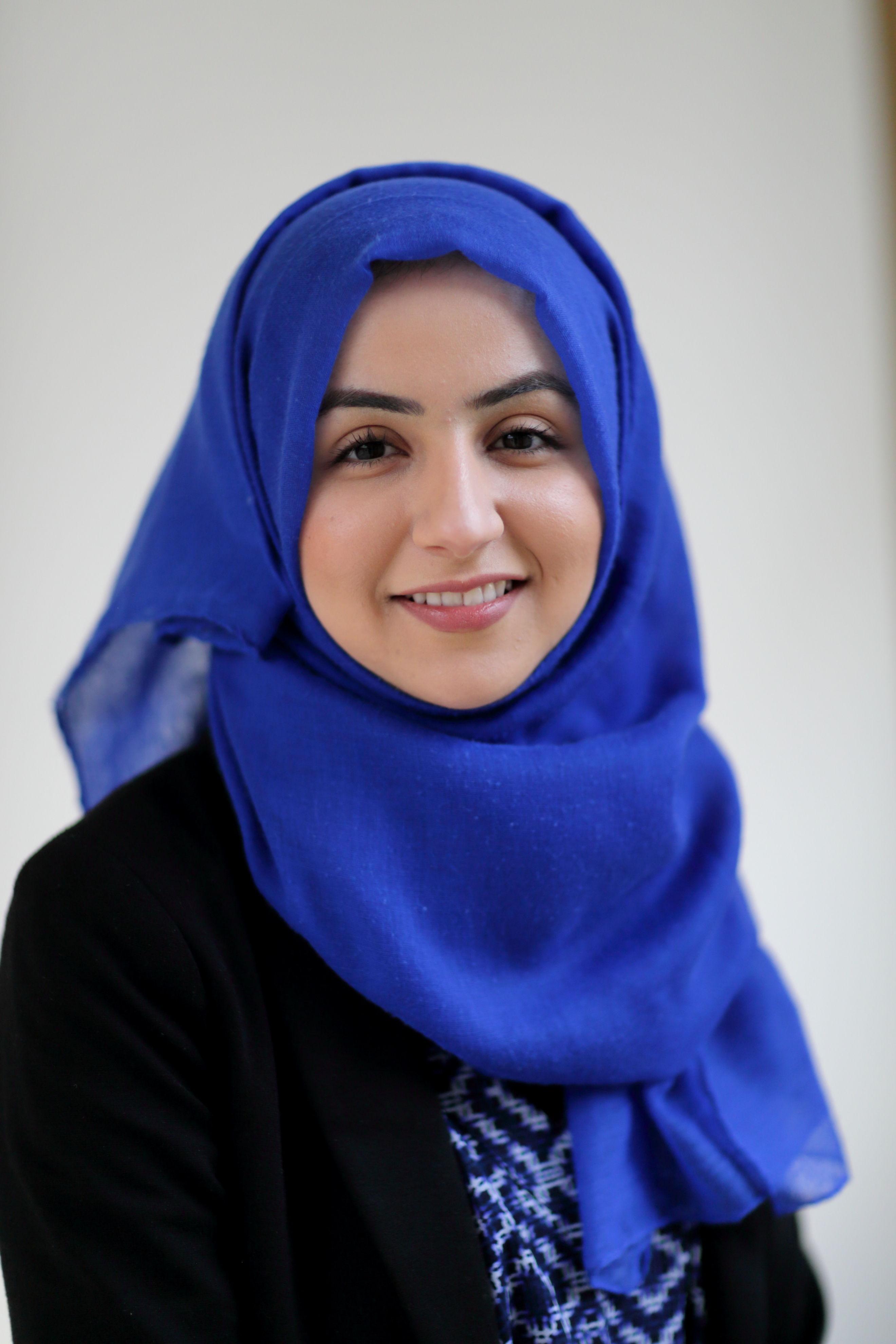
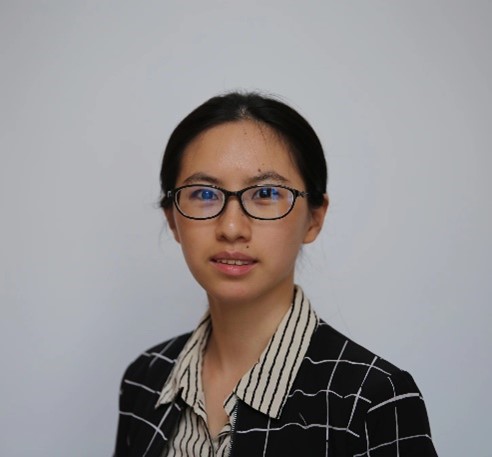
Dr. Changqiong Wang is a Research Fellow at the Centre for Public Health and Policy within the Wolfson Institute of Population Health, Queen Mary University of London. She specializes in public health nutrition, particularly salt reduction strategies, and has a PhD in Mathematics from the University of Reading (2018). Her work focuses on implementing and evaluating salt reduction programs to combat non-communicable diseases. She collaborates with Professors He and MacGregor on initiatives like the AppSalt project, leveraging mobile health (mHealth) and randomized controlled trials (RCTs). Education: PhD in Mathematics, University of Reading (2018) Undergraduate studies not specified Research Interests: Dr. Wang’s research emphasizes salt reduction interventions, statistical methods in medical research, and the design/conduct of RCTs. She explores the impact of salt intake on cardiovascular health and the efficacy of public health policies. Recent projects include evaluating long-term effects of salt reduction in schoolchildren and families, modeling population salt intake trends in England, and developing protocols for workplace cancer prevention in China. Programs & Projects: Lead researcher in the App-based Education Programme (AppSalt) targeting schoolchildren and families Contributor to the UK salt reduction monitoring initiative Co-developer of the WECAN workplace cancer prevention trial Expert in applying Monte Carlo methods to health data analysis Team Affiliations: She is part of the Research & Action on Salt and Obesity Unit, collaborating with international teams on global health initiatives. Her work bridges mathematical modeling, public health policy, and community engagement through citizen science approaches.