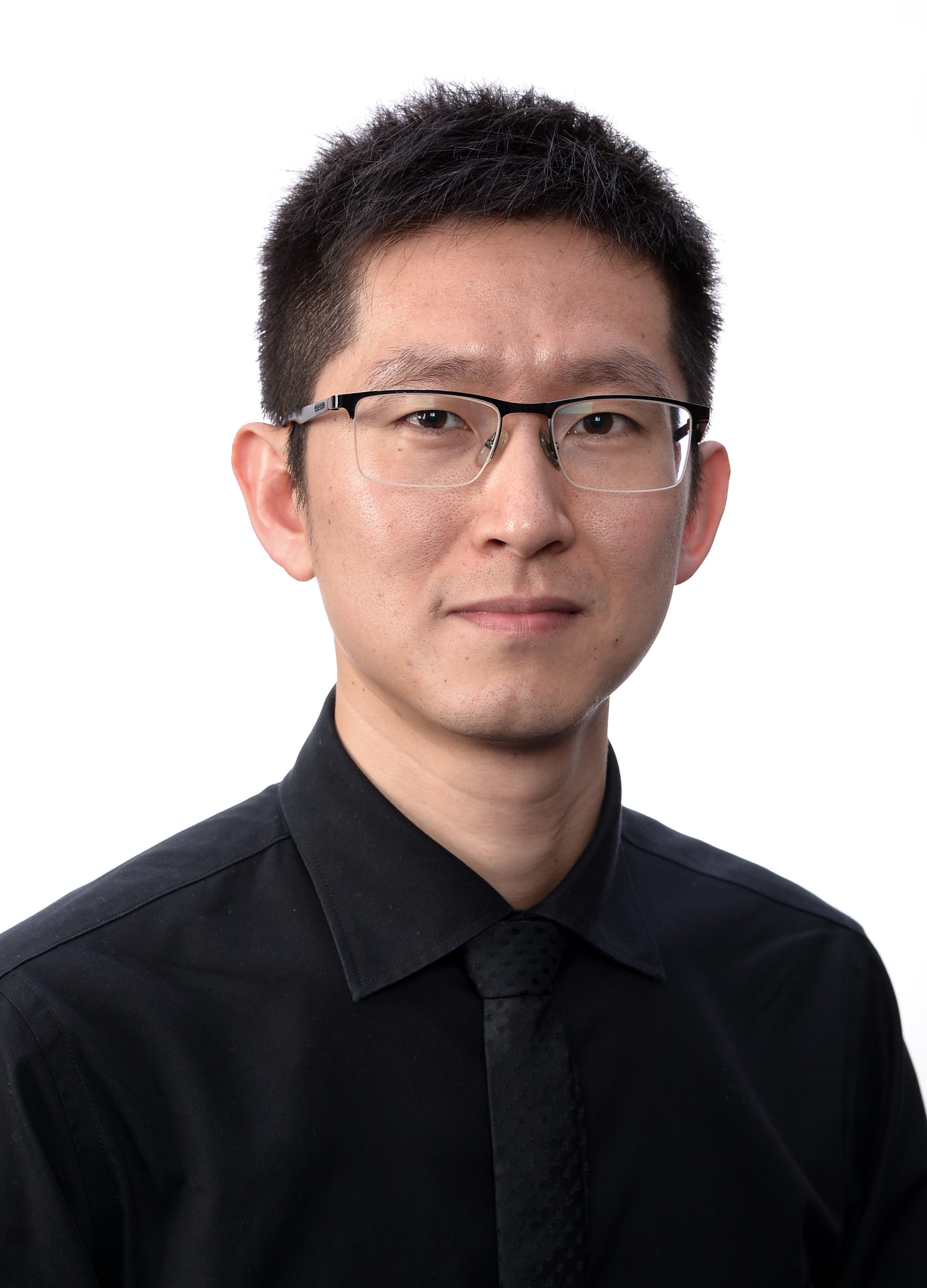
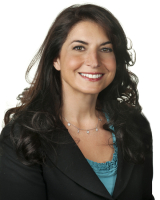
Bradley D. Olsen is a full professor in the Department of Chemical Engineering at the Massachusetts Institute of Technology (MIT), where he leads research at the intersection of polymer science, soft matter physics, and bioengineering. His work focuses on designing materials for critical applications in biotechnology, hemostasis, and sustainable polymer development while advancing fundamental understanding of polymer network mechanics and self-assembly. Education: Ph.D. in Chemical Engineering, University of California Berkeley (2007) S.B. in Chemical Engineering, Massachusetts Institute of Technology (2003) Olsen's research spans protein-based materials, block copolymer phase behavior, and mechanochemical hydrogels. He has pioneered methods for quantifying polymer network topology, developing hemostatic nanoparticles, and creating bio-inspired materials for selective biomolecular transport and medical applications. His recent publications emphasize data-driven approaches to polymer characterization and educational outreach in materials science. Scientific Awards: American Physical Society (APS) Fellow (2023) Fulbright Amazonia Scholar (2023) Alexander and I. Michael Kasser Chair in Chemical Engineering (2021) ACS Macro Letters Young Investigator Award (2021) MIT Committed to Caring Honor (2019) AIChE Owens Corning Early Career Award (2019) APS Dillon Medal (2018) Kavli Emerging Leader in Chemistry (2017) ACS Polymer Division Fellow (2016) Camille Dreyfus-Teacher Scholar (2015) Alfred P. Sloan Research Fellow (2014) NSF Career Grant (2013) NIH Postdoctoral Fellowship (2008-2009) Hertz Fellow (2003-2007) Barry M. Goldwater Scholarship (2002) Olsen has received significant grant support including NSF Career (2013) and AFOSR (2012) awards. His teaching activities include innovative international outreach like the 2025 soccer-themed science camp in Brazil. The Olsen Group at MIT explores advanced materials with applications ranging from trauma care to sustainable polymers.
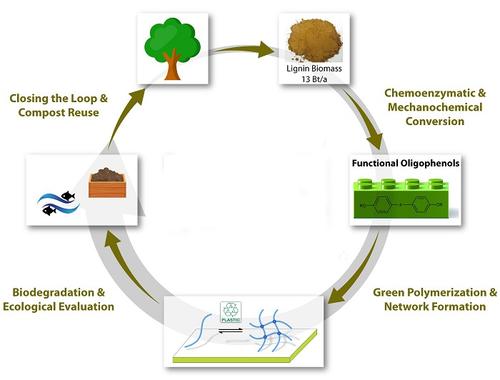
Rainer Haag is a Professor at the Department of Chemistry, Freie Universität Berlin, leading the Haag Group in the Institute of Chemistry and Biochemistry. His research focuses on biodegradable and sustainable materials, dynamic hydrogels, and polymeric nanosystems for biomedical applications. Department of Chemistry, Freie Universität Berlin Member of SFB 1449: Dynamic Hydrogels at Biointerfaces Collaborator in the StemGel startup project Co-founder of CSR|Berlin interdisciplinary research institute Research Interests: Development of stimuli-responsive polymers, multivalent virus inhibitors, and functional biointerfaces. Key projects include: Antiviral coatings using heteromultivalent polymers Thermoresponsive hydrogels for stem cell expansion Graphene derivatives for bacterial capture and disinfection Lignin upcycling for sustainable resin materials Supramolecular nanosystems for drug delivery Publication Trends highlight interdisciplinary work in polymer chemistry, nanotechnology, and biomedical applications. Recent articles focus on: 2D polyglycerols for virus interactions Redox-responsive nanogels Mucus-inspired adhesive hydrogels Tumor-targeting micelles Bacterial disinfection using graphene composites Labs & Collaborations include the Polymeric and Supramolecular Nanosystems subgroup, the Dynamic Hydrogels and Biointerfaces team, and partnerships with MIT in developing bioinspired adhesives. His group contributes to DFG-funded SFB 1449 and CSR|Berlin initiatives.
Rebecca Schulman is an Associate Professor in the Department of Chemical and Biomolecular Engineering at the Whiting School of Engineering, Johns Hopkins University. She holds secondary appointments in Chemistry and Computer Science and is affiliated with multiple interdisciplinary institutes, including the Institute for NanoBioTechnology, the Hopkins Extreme Materials Institute, the Chemistry-Biology Interface Program, the Center for Cell Dynamics, and the Laboratory for Computational Sensing and Robotics. She currently co-directs the Passport to Future Technology Leadership program for PhD students. Research Interests: Schulman's research lies at the intersection of DNA nanotechnology, synthetic biology, and smart materials. Her group develops intelligent, adaptive biomolecular materials and nanostructures by integrating concepts from materials science, biochemistry, circuit design, and soft matter physics. The team focuses on engineering dynamic self-assembly processes using DNA to create reconfigurable materials, molecular circuits, and autonomous soft micro-robots. Key themes include self-healing nanostructures, feedback-regulated crystallization, programmable hydrogels, and synthetic genetic networks for materials control. Publication Trends: Her recent publications demonstrate a consistent focus on using DNA-based chemical reaction networks to program spatial and temporal behavior in materials. The work spans from fundamental mechanisms like catalytic polymerization and crystal growth regulation to applications in soft robotics, self-wiring circuits, and synthetic pattern formation. The research is highly interdisciplinary, combining synthetic biology with materials engineering to achieve life-like functionalities in non-living systems. Scientific Awards: AIMBE Fellowship Award Vannevar Bush Faculty Fellowship Award Hartwell Individual Biomolecular Research Award President’s Early Career Award in Science and Engineering (PECASE) DARPA Young Faculty Award DARPA Directors Fellowship NSF CAREER Award Turing Scholar Award DOE Early Career Award Advising and Grants: Schulman mentors graduate students and leads a vibrant research group focused on next-generation biomolecular engineering. Her work is supported by major federal grants, including the NSF CAREER, DOE Early Career, DARPA, and the Vannevar Bush Fellowship—a prestigious Department of Defense award for basic research. She is actively involved in training future leaders through programs like the Passport to Future Technology Leadership. Labs and Teams: The Schulman Lab at Johns Hopkins is a multidisciplinary team working on DNA-powered materials and molecular programming. The lab is embedded within several collaborative centers, enabling strong cross-departmental and cross-institutional research. Their work combines experimental biochemistry with theoretical modeling to design and implement complex molecular systems.
Richard D. Noble is a Research Professor in the Department of Chemistry at the University of Colorado Boulder. His research focuses on advanced membrane technologies for gas and liquid separations, with particular expertise in ionic liquids, liquid crystals, and the application of external fields for selective separations. He maintains an active laboratory in Cristol Chemistry (room 357) and collaborates extensively with Professor Doug Gin on many research projects. Noble received his BE and ME from Stevens Institute of Technology in 1968 and 1969 respectively, followed by a Ph.D. from the University of California, Davis in 1976. His educational background in engineering has provided a strong foundation for his research in chemical engineering and materials science. Professor Noble's research program centers on three interconnected areas. His primary focus is on ionic liquids for gas separations , where he evaluates various ionic liquids and complexation chemistry to tailor material properties to specific feed mixtures. He explores composite polymer/IL structures and incorporation of complexation chemistry and zeolites, and has developed specialized apparatus to measure gas solubility and diffusivity in ionic liquids. This work is conducted in collaboration with Professor Doug Gin. His second research thrust involves the use of external fields for selective separations . Noble studies how electric or light energy can enhance separation processes by changing binding affinity of complexing agents. His notable achievement is an electrochemical pump with no moving parts that produces pressures exceeding 20 atm, with applications in lab-on-a-chip and micro-scale devices. He also develops charged polymer structures for membrane separators with wide temperature and chemical stability. His third major area focuses on liquid crystals organized to form nanostructured polymer network films. These cross-linked stable films are evaluated for nanofiltration applications, particularly in water filtration including treatment of water from fracking operations. This work often intersects with his ionic liquids research, creating composite structures with potential applications in electrochemical pumps. Noble's publication record from 2017-2019 shows consistent focus on membrane technologies for separation processes, with increasing sophistication in membrane design incorporating ionic liquids, liquid crystals, and novel materials like pillar[5]arenes. His work demonstrates a clear trend toward addressing practical industrial challenges, particularly in natural gas purification (CO 2 /CH 4 separation) and environmental applications (treatment of fracking wastewater). His collaborations have produced high-impact work published in top journals including Nature Materials , Journal of Membrane Science , and Angewandte Chemie . Professor Noble has received numerous prestigious awards recognizing his contributions: AIChE Institute Service to Society Award (2005) Alfred T. and Betty E. Look Professor of Chemical Engineering (2005-present) Multiple Outstanding Graduate Teaching Awards from the Chemical Engineering Department (2006-2008) ACS Industrial & Engineering Chemistry Division Fellow (2007) CU Boulder Inventor of the Year (2008) Barrer Lecture at Penn State University (2008) Fellow at the Renewable and Sustainable Energy Institute (2009-2012) Robert L. Stearns Award from CU Alumni Association (2010) Chair d'Excellence Pierre de Fermat at Paul Sabatier University, Toulouse (2010) AIChE Institute Excellence in Industrial Gas Technology Award (2010) And numerous others through 2015 While specific grant details aren't provided, Noble's extensive publication record with multiple co-authors suggests active research mentoring and well-funded projects. His work on sophisticated apparatus and high-quality publications indicates substantial research support. His collaborations, especially with Doug Gin, suggest a strong research group environment focused on membrane science and separation technologies. Professor Noble's research operates at the intersection of chemistry, chemical engineering, and materials science. His laboratory includes facilities for membrane fabrication, gas separation testing, and characterization of novel materials. The development of specialized apparatus for measuring gas properties in ionic liquids suggests dedicated equipment for fundamental property measurements. His work on electrochemical pumps indicates capabilities in microfluidics and device fabrication, with the collaborative nature of his research suggesting a team approach to tackling complex separation challenges.
Dr. Geng Guoqing is an Assistant Professor in the Department of Civil and Environmental Engineering at the National University of Singapore (NUS). He holds concurrent roles as East Asian Regional Convener for RILEM and board member of ACI-Singapore Chapter. His research focuses on sustainable construction materials, particularly durability, microstructural characterization, and waste material utilization. Geng earned his PhD from UC Berkeley (2017), followed by postdoctoral research at the Paul Scherrer Institute (Switzerland). He has authored over 50 papers and leads multiple projects funded by Singapore’s Ministry of Education, Energy Center, and National Research Foundation. Education: Bachelor of Engineering, Southeast University, China (2010) Master of Science, UC Berkeley, USA (2013) PhD, UC Berkeley, USA (2017) Research interests center on sustainable construction materials, multi-scale characterization, and material durability . Key themes include recycling low-grade materials, mitigating degradation in concrete, and developing high-performance binders like LC3. His work employs advanced techniques like molecular modeling, X-ray diffraction, and NMR. Recent articles explore hydration kinetics, CSH matrix mechanics, and waste clay applications. Awards include the 2023 RILEM Medal and multiple teaching excellence recognitions. Current projects address CO 2 absorption, sustainable cement blends, and resilient façade materials. Professional service includes editorial roles at Cleaner Materials and Frontiers in Materials , plus organizing the 2022 EASEC Conference. His lab focuses on bridging microstructural insights with macro-scale material performance.
Yayue Pan is a Professor at the Department of Mechanical and Industrial Engineering, University of Illinois Chicago (UIC) , and serves as the Director of NASA MIRO Center for In-Space Manufacturing: Recycling and Regolith Processing (CISM-R2) . Her research focuses on advancing Additive Manufacturing (AM) technologies for applications in biomedical engineering , energy storage , and smart structures . Ph.D., Industrial and Systems Engineering, University of Southern California (2014) M.S., Mechanical Manufacturing and Automation, Zhejiang University, China (2010) B.S., Industrial Engineering, Zhejiang University of Technology, China (2007) Her work addresses technical challenges in AM such as multi-material printing , multi-scale fabrication , and field-assisted processes . Notable projects include: Development of electrostatically-assisted direct ink writing (eDIW) for high-speed, high-resolution printing Continuous projection stereolithography for rapid solid object manufacturing Acoustic field-assisted particle patterning for smart composites Light-curable hydrogels for corneal repair applications Her 15 most recent publications (2022–2025) span topics in: Multi-material AM (conductive polymers, hierarchical composites) Biomedical applications (soft robotics, corneal repair) Energy components (battery electrolytes, supercapacitors) Field-assisted processes (acoustic, electrostatic, magnetic) Scientific Awards : 2024 ASME Chao and Trigger Young Manufacturing Engineer Award 2022 UIC Researcher of the Year Rising Star Award 2020 ASME CIE TC Leadership Award 2019 UIC Outstanding Teaching Award 2017 SME Outstanding Young Manufacturing Engineer Award NSF REU Supplements (2023–2024) Advising : Mentored 24+ graduate/undergraduate researchers, including 17 NASA/GPIP interns. Former advisees hold academic positions at University at Buffalo and University of North Carolina at Charlotte , and industry roles at Apple , GE Healthcare , and ANSYS . Grants : Recipient of a $4.65M NASA grant and multiple NSF awards. Collaborations include Northwestern University, University of Michigan, and NASA centers.
Dr. Julie N.L. Albert is an Assistant Professor in the Department of Chemical and Biomolecular Engineering at Tulane University, holding the Robert and Gayle Longmire Early Career Professorship. She is affiliated with the School of Science and Engineering and serves as co-director of the SMART REU NSF-funded program. Her research focuses on engineering nano- and micro-structured polymeric materials for energy, health, and environmental applications, emphasizing self-assembly processes in block copolymers and polymer blends. Key areas include nanoporous membranes, biocompatible surfaces, and stimuli-responsive materials. Dr. Albert earned her B.S. in Chemical Engineering from the University of Florida (2005) and her Ph.D. from the University of Delaware (2012). She conducted postdoctoral research at North Carolina State University. Her work has been supported by prestigious grants, including the NSF CAREER Award and a Gulf Research Program Fellowship. Her research group explores topics like polymer crystallization, polyorganosiloxanes, and block copolymer architectures. Notable achievements include developing methods for controlling polymer morphology via solvent vapor annealing and surface chemistry gradients. She advises numerous graduate and undergraduate students and mentors organizations like the Society of Women Engineers. Education: B.S., Chemical Engineering, University of Florida, 2005 Ph.D., Chemical Engineering, University of Delaware, 2012 Research Interests: Self-assembly of block copolymers, nanoporous membranes, biocompatible materials, and energy applications. Awards: NSF Graduate Research Fellowship, Gulf Research Program Early-Career Fellowship, AIChE Travel Award. Dr. Albert’s lab houses advanced facilities such as AFM, spectral reflectometry, and GPC, enabling cutting-edge polymer characterization. Her contributions bridge polymer science, materials engineering, and environmental sustainability, addressing challenges in energy recovery and biomedical technologies.
Kumar Varoon Agrawal is an Associate Professor at École Polytechnique Fédérale de Lausanne (EPFL), holding the Gaznat Chair for Advanced Separations. He is affiliated with the School of Basic Sciences (SB), the Institute of Chemical Sciences and Engineering (ISIC), and the Laboratory of Advanced Separations (LAS) in Sion, Switzerland. Additionally, he contributes to the Swiss Doctoral School in Chemical and Bioengineering (SCGC) and serves as Vice President of the Confédération des Chimistes et des Génie Chimique (CCE). Research Focus: Material Chemistry & Engineering at the Ångström scale for high-performance inorganic and hybrid membranes, emphasizing energy-efficient molecular separations. Teaching: Courses include Fundamentals of separation processes , Diffusion and mass transfer , and Chemical engineering product design . Scientific Contributions: His 15 most recent publications (2025-2020) span topics like graphene pore engineering , 2D material synthesis , carbon capture , and gas separation membranes , with keywords such as Nanotechnology , Materials Science , and Molecular Transport . Subfields include Atomic-Scale Pores , Membrane Stability , and Industrial Scalability . Students and Collaborations: He advises 10 current PhD students and has mentored 9 past PhD candidates in areas like graphene membranes , ion separation , and MOF films . He is an Academic Referent for the EPFL Carbon Team and a committee member for the EDCH Doctoral Program in Chemistry and Chemical Engineering.
Matthias Barz is a Professor of Biotherapeutic Delivery at the Leiden Academic Centre for Drug Research (LACDR) , Faculty of Science , Leiden University . He leads the Barz Lab , focusing on polymer science and biomedical applications of functional nanoparticles. Professor of Biotherapeutic Delivery (Leiden University) Head of the Division of BioTherapeutics Researcher in reactive polymer systems and nanocarrier design His research bridges polymer chemistry with biomedical applications, emphasizing polypept(o)ide-based nanocarriers for targeted drug delivery in cancer, inflammation, and neurodegenerative diseases. Key areas include: Stimuli-responsive polymer architectures Secondary structure-driven self-assembly Core-crosslinked micelles for controlled cargo release Redox-sensitive disulfide bonds for intracellular delivery Protein-repellent nanoparticle shells Riboflavin-functionalized nanocarriers for tumor targeting The lab's publications highlight advancements in polysarcosine-containing copolymers , orthogonal functional group utilization , and modular nanoparticle platforms with precise control over morphology and function. Current projects explore the clinical translation of these systems for immunotherapy and diagnostics. Scientific recognition includes: Dozentenpreis des Fonds der Chemischen Industrie (2018) PMSE Young Investigator Award (2018) Nachwuchswissenschaftlerstipendium der GDCh (2017) His team trains graduate students in polymer synthesis, nanoparticle characterization, and biomedical application testing. Collaborations span institutions like the University of Tokyo and Johannes Gutenberg University Mainz , with ongoing projects under the SFB 1066 initiative for malignant melanoma immunotherapy.
Kay Severin is a full professor at the Laboratory of Supramolecular Chemistry (LCS) within École Polytechnique Fédérale de Lausanne (EPFL) , Switzerland. His research focuses on the design and reactivity of metal-ligand assemblies, including coordination cages, metalloligands, and supramolecular receptors. He has pioneered the use of metalloligands for constructing heterometallic architectures and developed systems for anion extraction and stimuli-responsive hydrogels. Key funder: Swiss National Science Foundation (FNS) Collaborative work with Rosario Scopelliti and Farzaneh Fadaei Tirani Research Interests: Severin's work spans supramolecular chemistry, organometallic synthesis, and functional materials. Recent projects include: Dynamic palladium-based hydrogels with anion-responsive crosslinks Gold(I)-driven nano-onion structures via π-stacking Triazene-derived ligands for Sandmeyer-type reactions Metalloligand assembly of Fe/Pd/Au heterotrimetallic cages Publication Trends: Over 300 publications since 1994, with recent emphasis on: Coordination-driven self-assembly (2024: 6 articles) Triazene and diazoolefin reactivity (2025: 4 articles) Metal-ligand interactions in nanogels and vesicles (2024-2025: 3 articles) Environmental applications in anion extraction (2025: 1 article)
Professor Hanadi Sleiman is a renowned academic in the Department of Chemistry at McGill University, specializing in DNA-based nanomaterials and their applications in drug delivery and supramolecular chemistry. She holds leadership roles, including Director of the NSERC CREATE training program in Nucleic Acids and President of the International DNA Nanotechnology Society (ISNSCE). Her research focuses on engineering DNA nanostructures for targeted therapies, such as cancer treatments, and advancing materials chemistry through DNA-functionalized systems. Education: Ph.D. in Chemistry, Stanford University (1990) Postdoctoral Fellow, University of Louis Pasteur (1993) Research Interests: Professor Sleiman’s work combines synthetic chemistry with DNA self-assembly to create programmable materials. Her lab designs DNA cages for drug encapsulation, explores DNA-minimal approaches to scalable materials, and integrates DNA with nanoparticles, polymers, and metals for biomedical applications. Key areas include cancer therapy, biosensors, and enzyme mimics. Awards & Honors: Fellow of the Royal Society of Canada (2017) Killam Research Fellowship (2018) R. U. Lemieux Award in Organic Chemistry (2018) William Dawson Scholar Award (2004–2012) Grants & Collaborations: She directs the NSERC CREATE program and collaborates with institutions like the Quebec Centre for Advanced Materials (QCAM) and the McGill Centre for Structural Biology (CRBS). Her training initiatives emphasize nucleic acid therapeutics and diagnostics. Labs & Teams: Her Sleiman Group at McGill develops innovative DNA architectures in the Otto Maass laboratory, with a focus on translational research for clinical applications.
Sam Parkinson is a Research Fellow at Aston University's College of Engineering and Physical Sciences. He holds a PhD in Polymer Chemistry from the University of Leeds (2016–2020). His research focuses on advanced polymer materials, particularly in the areas of self-assembly, nanoparticle synthesis, and continuous flow processes. Key contributions include developing methods for 2D platelet formation via accelerated seed mechanisms and enhancing scalability of crystallization-driven self-assembly using flow reactors. Research interests span polymer synthesis, nanomaterials, and their applications in fields like biomaterials and agriculture. Recent work emphasizes tunable nanoparticle behavior and chemosensor design for biofluid analysis. Parkinson collaborates internationally and actively supervises PhD students in these areas. Publications highlight innovations in polymerization-induced self-assembly, flow chemistry, and material characterization. No scientific awards are explicitly listed, but his work has been cited in high-impact journals like Nature Synthesis and Macromolecules .
Cecilia Leal is a Professor and Racheff Faculty Scholar in the Department of Materials Science and Engineering at the University of Illinois at Urbana-Champaign, with additional appointments at the Carle Illinois College of Medicine, Materials Research Laboratory, and Beckman Institute. Her interdisciplinary research program bridges materials science, biophysics, and medicine to develop innovative therapeutic delivery systems. Dr. Leal's research focuses on the self-organization of biomolecular systems, particularly lipid membranes, peptides, and nucleic acids. Her lab investigates how structural complexity of lipids and bio-membranes relates to disease mechanisms and informs the design of better gene and drug delivery systems. Key projects include developing lipid nanoparticles for mRNA delivery, studying polymer-lipid hybrid membranes, and characterizing lipid droplet dynamics in metabolic diseases. The lab employs advanced techniques including Small Angle X-ray Scattering, Cryo-EM, and live cell imaging. Her recent publications (2023-2025) reveal a strong emphasis on lipid-based delivery systems for mRNA therapeutics and cancer treatment, with particular attention to how nanostructure affects delivery efficiency. The research spans from fundamental biophysics of lipid-polymer interactions to applied therapeutic development, demonstrating consistent translation of basic science to medical applications. University of Illinois Provost's Distinguished Promotion to Full Professor Award (2024) University of Illinois Scholar (2023) NIH New Innovator Award (2016) NSF CAREER Award (2016) Racheff Faculty Scholar Award (2019) Dr. Leal has mentored numerous graduate students and postdocs, many now in prominent positions at MIT, Stanford, Dow Chemical, and pharmaceutical companies. Her research is supported by multiple NIH and NSF grants, and she maintains active collaborations with medical researchers studying obesity, cancer, and respiratory diseases. She teaches core courses including MSE 201 (Phases and Phase Relations) and MSE 473 (Biomolecular Materials Science), consistently earning excellent teaching ratings. The Leal Lab operates as an interdisciplinary team of materials scientists, physicists, and chemists using cutting-edge characterization tools to solve biomedical challenges. The lab's work on lipid nanoparticle structure has direct relevance to next-generation mRNA vaccines and cancer therapies, with several publications highlighted in C&EN News and other prominent scientific media.
Renaud BACHELOT is a full Professor of Physics at the University of Technology of Troyes (UTT) since 1996. He leads the Light, Nanomaterials, and Nanotechnologies (L2n) laboratory and directs the Graduate School 'Nano-optics & Nanophotonics'. He holds adjunct professorships at the University of Paris-Saclay (LuMIn Lab) and Shanghai University (1000-talents Grant). His research focuses on nano-optics, plasmonics, and hybrid nanoplasmonics, with expertise in photopolymerization and plasmon-driven chemical processes. Education: PhD and graduate studies at Université Paris-Cité and ESPCI Paris Research Interests: BACHELOT’s work spans nanoscale light-matter interactions, including plasmonic nanostructures, photopolymerization-based fabrication, and applications in optical sensing and quantum photonics. His lab employs advanced techniques like near-field scanning optical microscopy (NSOM) and two-photon polymerization. Grants & Projects: ANR-PIA3 STRONG-NANO (2023-2026) ANR ADVANSPEC (2022-2025) International collaborations with NTU Singapore and Argonne National Lab Labs & Teams: Directs L2n (CNRS-UMR 7076) and collaborates across interdisciplinary platforms like InSyTE and LIST3N. His team develops novel hybrid materials and nanophotonic devices.
Simon Webb is a Professor of Organic Chemistry at the University of Manchester, leading the Organic Chemistry Group within the School of Chemistry. His research focuses on molecular self-assembly to create biomimetic materials, with key themes including membrane recognition, synthetic ion channels, and magnetically responsive biomaterials. He earned his PhD from the University of Cambridge and has held academic positions since 2002. His work bridges organic chemistry, nanotechnology, and biomedicine, contributing to sustainable development through advanced materials in medicine and biotechnology. Education: B.Sc./M.Sc. Chemistry, Auckland University (1990–1994) PhD, University of Cambridge (1994–1997) Research Interests: Membrane communication via synthetic ion channels Magnetic nanoparticle-vesicle assemblies for drug delivery Peptide-based foldamers for signal transduction His lab develops materials that mimic biological membranes, such as magnetically triggered drug delivery systems (MNPVs) and foldamer-based sensors. Collaborations span advanced materials, biotechnology, and medical research. Current projects include exploring cooperativity in multivalent ligand binding and lipid raft dynamics. Publications highlight innovations in foldamer design, supramolecular arrays, and enzyme-responsive materials. His work is supported by grants and contributes to UN Sustainable Development Goals in health and advanced materials.