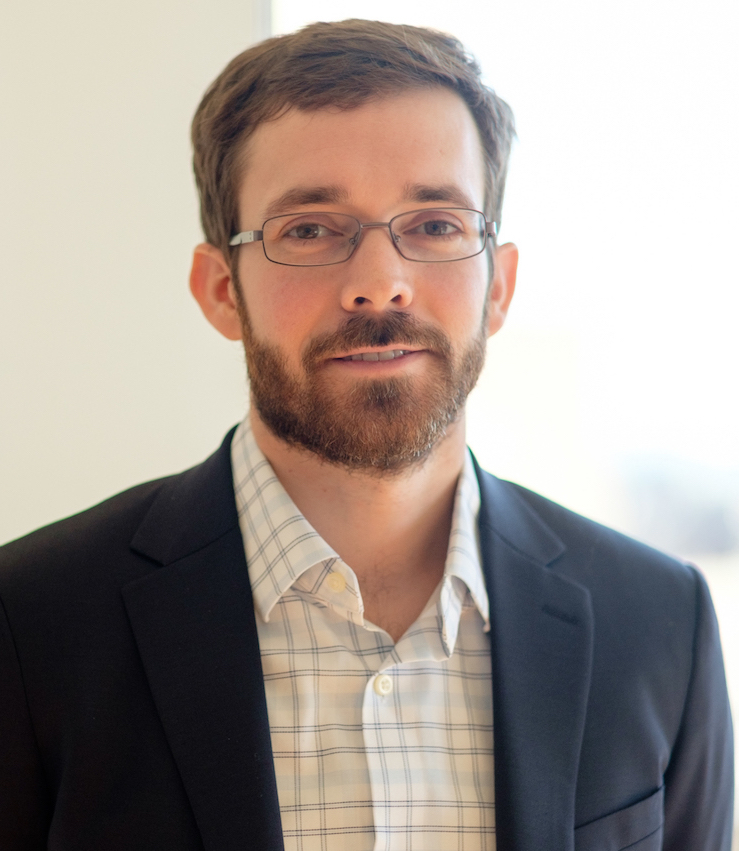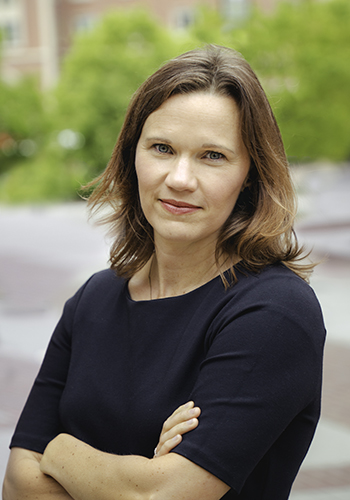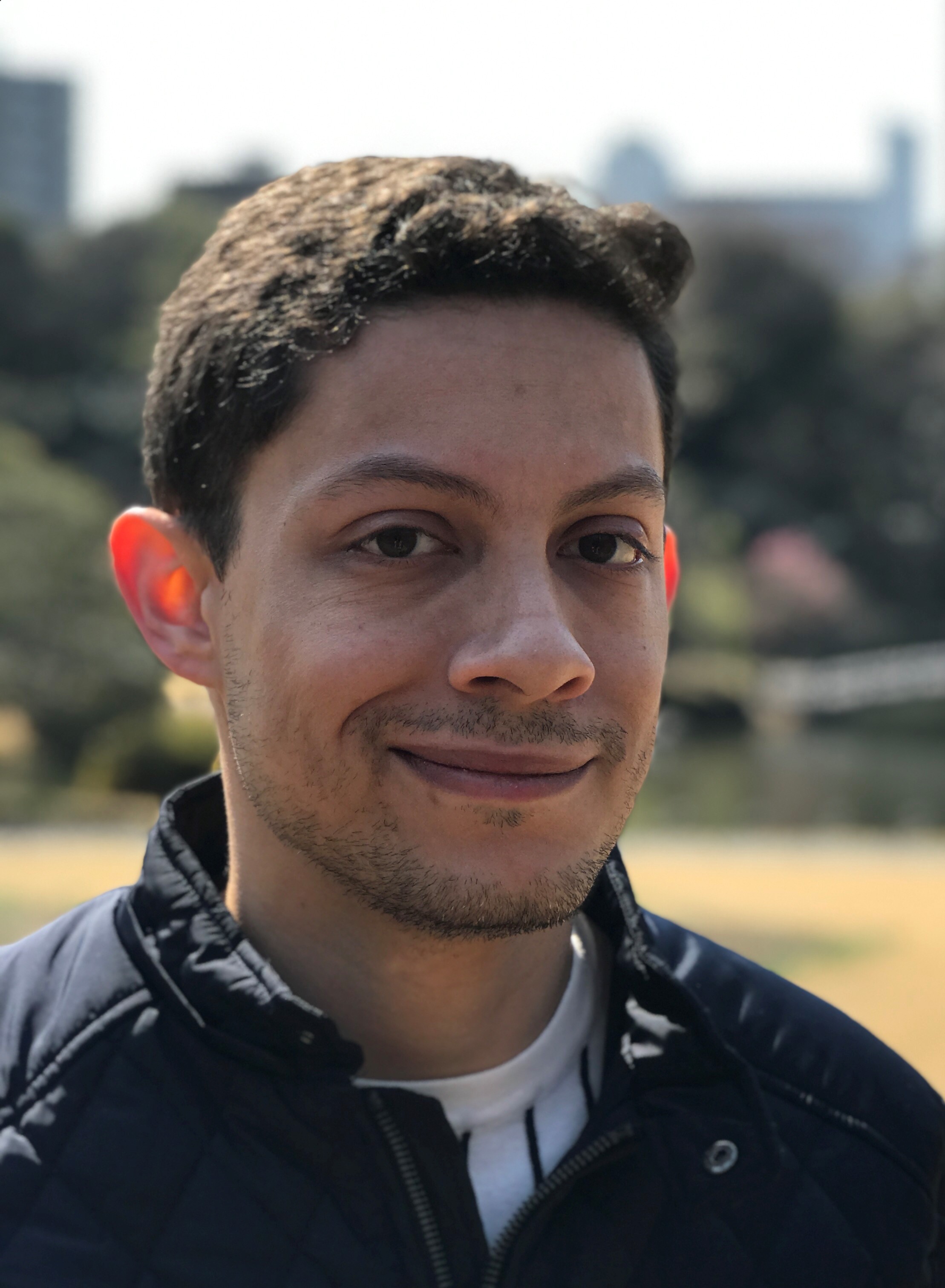
Thorsten Faas is a Professor and Head of the Department of Political Sociology Office of the Federal Republic of Germany at the Otto Suhr Institute for Political Science, Freie Universität Berlin. He has held this position since October 1, 2017, after serving as Professor of Political Science in Empirical Political Research at Johannes Gutenberg-University Mainz (2012-2017) and Junior Professor of Political Science at the University of Mannheim (2009-2012). His educational background includes a PhD from the University of Duisburg-Essen (2008) with a dissertation on "Direct and indirect experiences of unemployment and their political consequences in East and West Germany," a Master's in European Politics and Policy from the London School of Economics (2001), and a Diplom in Political Science from Otto-Friedrich-University Bamberg (2000). Professor Faas's research focuses on political sociology, electoral behavior, political communication, and political methodology . His work examines voting behavior, political polarization, media consumption in politics, and experimental methods in political science. He has conducted extensive research on German federal elections, youth voting, and the impact of media on political perceptions. His recent scholarly output reveals a strong emphasis on voting age reform, political polarization, electoral methodology, and open science practices . Faas has been particularly active in studying youth voting patterns, the effects of lowering the voting age, and the reliability of survey methods in electoral research. His work often combines theoretical insights with methodological innovation, particularly in the areas of experimental design and data transparency. Professor Faas leads several major research projects including RAPID-COVID (examining information reception during the pandemic), the Comparative National Elections Project (CNEP) 2017-2025, youth studies on federal elections, and CliWaC (Climate and Water under Change). He has received research funding for these projects from various academic and governmental institutions. His research group at the Otto Suhr Institute functions as a hub for electoral studies in Germany, collaborating with national and international partners on large-scale election studies. The Center for Political Sociology of the Federal Republic of Germany, where he serves as a key figure, provides consultation hours and resources for students and researchers interested in political sociology and electoral behavior.