- Italian Literature
- Narratology
- Crime Fiction
- +۱۱ مورد دیگر
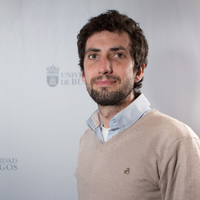
Angelo Castagnino is an Associate Professor of Italian in the Department of Languages, Literatures & Cultures at the University of Denver, within the College of Arts, Humanities and Social Sciences. His research centers on Italian literary narrative, particularly crime fiction, the Gothic and fantastic genres, narratology, and the role of intellectuals in society. He is an active scholar with numerous publications and professional affiliations. Castagnino earned his PhD in Romance Languages and Literatures from the University of North Carolina at Chapel Hill in 2013, an MA in North-American Studies from the University of Turin in 2008, and a BA in Modern Languages and Literatures from the University of Catania in 2005. Prior to joining the University of Denver, he taught at Bucknell University and Tufts University. His research explores the intersections of realism and the fantastic in contemporary Italian literature, examining how narrative forms engage with urgent social issues such as disability, masculinity, memory, ecocriticism, and transhumanism. He has published extensively on authors like Alessandro Perissinotto, Michele Mari, Simona Vinci, and Michela Murgia, analyzing how fantastic tropes serve as tools for social critique. His recent publications show a strong trend toward interdisciplinary literary analysis, combining narrative theory with gender studies, disability studies, and cultural criticism. His monograph Fantastic Echoes in Contemporary Italian Literature (2023) exemplifies this approach by linking Gothic and fantastic elements to modern concerns like artificial intelligence and ecofeminism. He is a member of several scholarly organizations, including: American Association of Italian Studies American Association of Teachers of Italian Modern Language Association Castagnino has not been mentioned as advising students or receiving scientific awards in the provided texts. There is no indication of part-time status or involvement in labs or research teams. His work appears to be primarily independent and publication-focused, with no mention of grants or collaborative projects.